TL;DR:
- Knowing how to respond quickly and appropriately to dental emergencies in Marbella can prevent permanent damage, especially when unfamiliar surroundings and language barriers are involved. Gathering essential documents, assessing symptoms, and choosing the right immediate action—such as visiting a dentist within 30 to 60 minutes for a knocked-out tooth—are crucial steps that improve outcomes. Accessing reputable English-speaking clinics ensures fast, effective treatment, reducing stress and avoiding unnecessary ER visits during your stay.
A dental emergency strikes without warning, and when it happens hundreds of miles from home, the combination of sharp pain, unfamiliar surroundings, and a language you may not speak fluently can feel genuinely overwhelming. Whether you are a tourist enjoying the Costa del Sol or an expat settled along the Marbella coastline, knowing exactly what to do in those first critical minutes can be the difference between saving a tooth and losing it permanently. This guide gives you clear, evidence-backed steps for the most common dental emergencies, tells you where to find trustworthy English-speaking care in Marbella, and helps you stay calm and in control when it matters most.
Table of Contents
- What to do first: assess and gather essentials
- Step-by-step care for common dental emergencies
- Where to get emergency dental care in Marbella
- Follow-up: recovery, prevention, and when to check in
- Expert perspective: What most guides forget about dental emergencies
- Get expert help for your dental emergency in Marbella
- Frequently asked questions
Key Takeaways
| Point | Details |
|---|---|
| Act fast, stay calm | Quick, clear steps can drastically improve outcomes in dental emergencies. |
| Know when to seek help | Dentists are the best option for most emergencies; go to ER only for major trauma or airway risk. |
| Have essentials ready | Bringing ID, insurance, and clinic numbers helps you access urgent care without delay. |
| Follow proven steps | Trusted methods like gentle rinsing and timely clinic visits improve your chances of recovery. |
| Prevention is key | Regular dental care and travel prep reduce the risk of emergencies abroad. |
What to do first: assess and gather essentials
Before you reach for your phone or rush out the door, take a single slow breath. That brief pause is not wasted time. It helps you think clearly, assess what is actually happening, and act purposefully rather than in panic.
Gather these essentials immediately:
- Passport or national ID card
- European Health Insurance Card (EHIC) if you are an EU resident
- Travel insurance documents or policy number
- A written list of current medications and known allergies
- Emergency contacts, including your regular dentist back home
- Any dental appliances, fragments, or the tooth itself if applicable
Once you have these to hand, carry out a rapid self-assessment. Ask yourself: Is there uncontrolled bleeding? Is there visible swelling spreading to your jaw, neck, or eye area? Have you lost a tooth, broken one, or is the pain becoming unbearable? Your answers will determine whether you need a dentist directly or whether a hospital emergency room is the safer first stop.
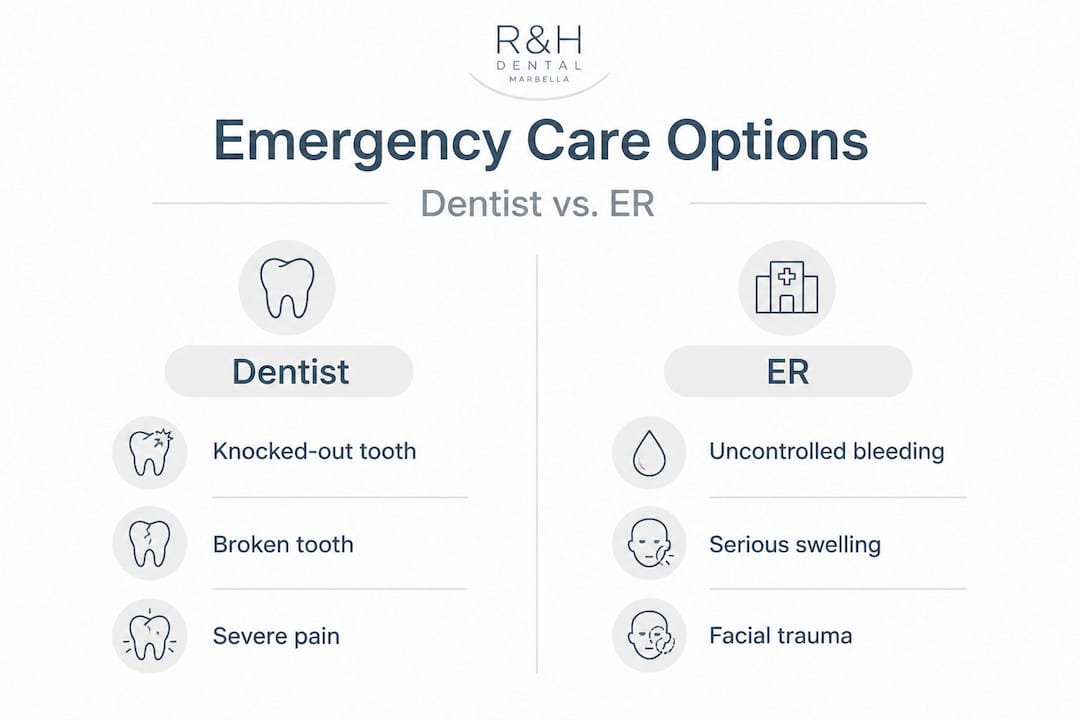
When to go to the ER versus a dentist:
| Symptom | Where to go |
|---|---|
| Uncontrolled bleeding after 15 minutes of pressure | ER immediately |
| Swelling affecting breathing or swallowing | ER immediately |
| Severe facial trauma or jaw injury | ER immediately |
| Knocked-out tooth | Dentist within 30-60 min |
| Broken or cracked tooth | Dentist same day |
| Toothache with fever or abscess | Dentist urgently |
| Lost filling or crown | Dentist within 24 hours |
For the vast majority of dental problems, dental emergency Marbella clinics are far better equipped than emergency rooms. Dentists are preferred over ER for nearly all dental issues because hospital staff can only offer temporary pain relief, without the specialist tools needed to treat the underlying cause.
Pro Tip: Before travelling, pack a small dental emergency kit. Include sterile gauze, dental wax, a small container with a lid, over-the-counter painkillers such as ibuprofen, and the contact numbers of English-speaking clinics at your destination. It takes five minutes to prepare and could save a tooth.
Step-by-step care for common dental emergencies
With your essentials gathered, follow these precise, evidence-based steps for each scenario. Every minute counts in some of these situations, so read through them now rather than waiting for an emergency to unfold.
Knocked-out permanent tooth
This is the dental emergency where speed is most critical. According to NHS guidance on tooth reimplantation, handling the tooth correctly from the first moment gives it the best possible chance of survival.
- Pick up the tooth by the crown (the visible white part), never by the root.
- If it is dirty, rinse it gently under cold water for no more than ten seconds. Do not scrub it.
- Attempt to place it back into the socket immediately if you can. Bite down gently on clean gauze to hold it in place.
- If reinsertion is not possible, store the tooth in a small container of cold milk, your own saliva, or a saline solution. Do not wrap it in tissue or store it in plain tap water for long periods.
- Get to a dentist within 30 to 60 minutes. After 60 minutes, the chances of successful reimplantation drop sharply.
The golden window: A knocked-out permanent tooth reimplanted within 30 minutes has a success rate that far exceeds one reimplanted after an hour. Every minute without moisture and care damages the periodontal ligament cells that allow the tooth to reattach. Act fast, stay calm, and keep the tooth moist at all costs.
Pro Tip: For children who have knocked out a baby tooth, do not attempt to reinsert it. Baby teeth reimplanted incorrectly can damage the developing permanent tooth underneath. Go straight to children’s emergency dental care and avoid giving aspirin to children under sixteen.
Severe toothache
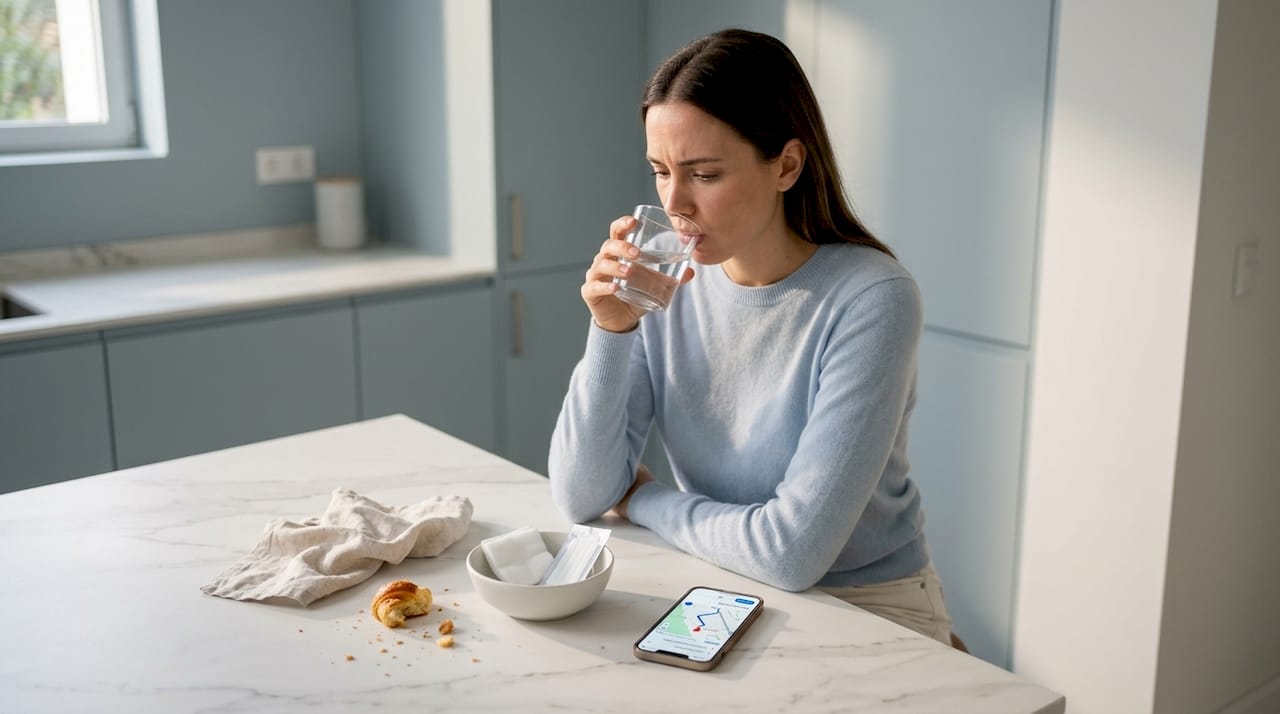
Toothache severe enough to interrupt sleep or daily function should never be dismissed. NHS guidance recommends the following first-aid steps for toothache:
- Rinse your mouth thoroughly with warm salt water to reduce bacteria and soothe inflamed tissue.
- Floss gently around the painful tooth to dislodge any trapped food or debris that may be worsening the pressure.
- Apply a cold compress to the outside of your cheek in ten-minute intervals to reduce swelling.
- Take over-the-counter ibuprofen or paracetamol at the recommended dose. Never place aspirin directly on the gum tissue, as it can cause a chemical burn.
- Avoid very hot, cold, or sweet foods and drinks until you see a dentist.
- If the pain persists beyond two days, or is accompanied by swelling, a fever, or difficulty opening your mouth, seek urgent dental care.
Chipped, broken, or cracked tooth
Even a small crack can expose the sensitive inner layers of the tooth to bacteria and temperature extremes. For a chipped or broken tooth, follow these steps:
- Rinse your mouth with warm water to clean the area.
- Apply a cold compress to the face to manage swelling and reduce discomfort.
- Save any tooth fragments in a small container of water or moist gauze.
- Cover any sharp edges with dental wax to protect your tongue and cheeks.
- See a dentist as soon as possible, especially if the nerve appears exposed or if you feel sharp electric-like pain when breathing in cool air.
For complex fractures or where the root may be affected, oral surgery for dental emergencies may be required, and early assessment is essential to preserve as much natural tooth structure as possible.
Dental abscess
An abscess is a pocket of infection, and it is one of the more serious dental emergencies because it can spread. NHS advice on dental abscess is clear:
- Rinse with warm salt water several times a day to draw out some infection and ease discomfort.
- Take ibuprofen or paracetamol for pain relief.
- Avoid applying heat to the area, as this can encourage the infection to spread.
- Seek urgent dental treatment for proper drainage, which may involve a root canal, incision, or extraction.
- If swelling begins to affect your breathing, swallowing, or vision, go to the emergency room without delay.
Uncontrolled or heavy bleeding
Bleeding from the mouth following an injury or extraction should be managed as follows, based on guidance for controlling oral bleeding:
- Fold a piece of clean gauze into a firm pad and bite down on it with steady, consistent pressure for ten to fifteen minutes without lifting it to check.
- Apply a cold compress to the outside of the mouth simultaneously.
- If bleeding does not slow after fifteen to twenty minutes of consistent pressure, or if you have also experienced facial trauma, go directly to the ER before contacting a dentist.
Emergency dental care options compared
| Emergency type | Immediate action | Time to dentist | ER needed? |
|---|---|---|---|
| Knocked-out tooth | Store in milk, reinsert if possible | Within 30-60 min | No |
| Severe toothache | Salt water, ibuprofen | Within 24-48 hours | If fever/swelling |
| Broken tooth | Cold compress, save fragments | Same day | Rarely |
| Dental abscess | Salt rinse, painkillers | Urgently | If breathing affected |
| Heavy bleeding | Gauze pressure 15 min | After controlled | If uncontrolled |
Where to get emergency dental care in Marbella
Once you have taken the right immediate steps, the priority is getting to the correct professional quickly. Marbella offers several routes to emergency dental care, and understanding each one saves you valuable time.
Your main options:
- Private English-speaking clinics: The fastest and most effective route for tourists and expats. Many offer same-day emergency appointments and have English-speaking staff at reception and in the surgery.
- Public health centres (centros de salud): These are accessible if you hold an EHIC, but waiting times for dental emergencies can be long, and services are typically limited to pain relief and extractions rather than specialist care.
- Hospital emergency departments: Only appropriate when symptoms indicate a life-threatening situation such as airway compromise or severe uncontrolled bleeding.
For expats and tourists in Marbella, private English-speaking clinics such as R&H Dental offer same-day emergency care with full English-language service, transparent pricing, and specialist-level treatment. Bringing your passport, EHIC or travel insurance documents, and a list of current medications makes the intake process significantly faster.
What to bring to your emergency appointment:
- Valid passport or national ID
- EHIC card (for EU nationals) or travel insurance policy details
- Any broken tooth fragments or appliances
- Your list of current medications and allergies
- Appointment confirmation if booked in advance
Pro Tip: When you call ahead, mention clearly that you are a tourist or expat experiencing a dental emergency. English-speaking reception staff at reputable private clinics will often prioritise urgent cases and guide you on what to bring and do before you arrive.
Once your emergency is stabilised, a first dental checkup allows the treating dentist to map out any follow-up care needed. It is also worth noting that Marbella oral hygiene services can play a meaningful role in preventing further acute episodes after your initial treatment.
Follow-up: recovery, prevention, and when to check in
After the acute emergency has been addressed, the period immediately following treatment is just as important as the crisis itself. Your body needs support to heal effectively, and there are clear warning signs that should bring you back to the clinic without hesitation.
At-home recovery checklist:
- Follow a soft diet for at least 48 to 72 hours after treatment (soup, yoghurt, mashed foods)
- Take prescribed antibiotics or pain relief exactly as directed, completing the full course
- Rinse gently with warm salt water two to three times daily after meals
- Avoid smoking, alcohol, and straws, all of which can disrupt healing tissue
- Brush and floss carefully around treated areas, keeping the mouth as clean as possible
Return to the dentist if you experience:
- Pain that is worsening rather than improving after 48 hours
- Fever above 38°C or chills
- Increased swelling two or more days after treatment
- Foul taste or odour from the treated site
- Difficulty opening your mouth or swallowing
Preventing future dental emergencies:
Regular dental checkups, fluoride brushing, and daily flossing are the three most evidence-based steps for reducing your risk of a dental emergency. If you participate in contact sports or high-impact activities, wearing a properly fitted mouthguard is equally important. A well-maintained mouth is more resilient and far less likely to produce sudden, serious problems.
Booking a professional dental cleaning in Marbella both before and after travel is one of the most overlooked strategies for keeping emergencies at bay, particularly for those who live part of the year abroad.
Pro Tip: Save the contact numbers of at least two reliable English-speaking dental clinics in your phone before you travel. In a moment of panic, searching for information is the last thing you want to be doing.
Expert perspective: What most guides forget about dental emergencies
Most online resources cover the clinical checklist competently: rinse with salt water, store the tooth in milk, take ibuprofen. That information is correct and important. But very few guides address the human reality of experiencing a dental emergency in an unfamiliar country.
The uncomfortable truth is that improvisation under pressure is where things go wrong. Patients who panic often make mistakes that are difficult to reverse. They rinse a knocked-out tooth too aggressively and destroy the delicate ligament cells. They apply warmth to an abscess because it feels soothing, not realising they are accelerating the spread of infection. They wait 48 hours hoping the pain will pass and end up needing far more complex treatment than early intervention would have required. As leading dental authorities consistently confirm, the first-aid steps taken before professional care are not a substitute for treatment; they are a bridge to it.
For tourists and expats specifically, there is another layer of difficulty that guides rarely address honestly: the combination of language barriers, unfamiliar insurance systems, and uncertainty about which clinics to trust can lead people to make poor decisions under pressure. They may end up at a hospital emergency room when a specialist dental clinic could serve them better, faster, and with superior outcomes. Or they delay seeking care entirely because they are not sure whether their travel insurance covers private dental treatment abroad.
The answer to all of this is preparation, not expertise. You do not need dental training to handle an emergency correctly. You need the right steps written down somewhere accessible, the right contact numbers saved, and the reassurance that good English-speaking care is within reach. The same-day dental emergency advice and specialist care available in Marbella means that even in the worst-case scenario, you are not as far from expert help as you might fear.
Get expert help for your dental emergency in Marbella
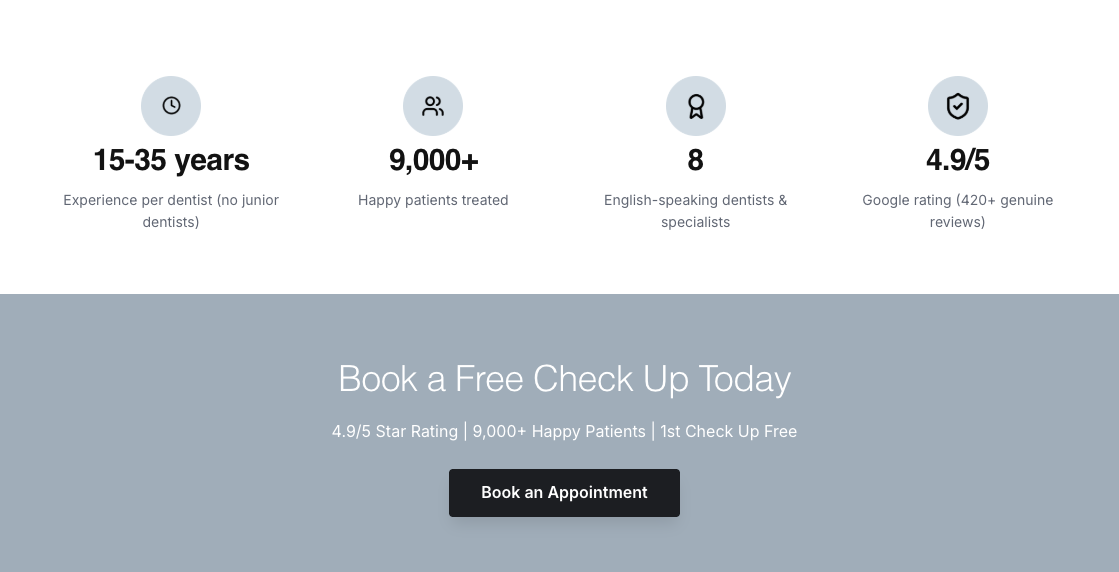
When a dental emergency strikes, having access to a clinic you can trust changes everything. R&H Dental Marbella offers same-day emergency appointments with fully English-speaking dentists, transparent pricing, and the specialist capability to handle everything from knocked-out teeth to complex abscesses. You will never feel lost in translation or uncertain about what your treatment involves or costs.
Whether you need a free emergency dental checkup to assess the damage, restorative work including Marbella dental implants for teeth that cannot be saved, or simply clear, honest answers about dental prices in Marbella before you commit to treatment, R&H Dental is equipped to support you every step of the way. Call ahead, explain your situation, and let the team take care of the rest.
Frequently asked questions
What do I do if I knock out a tooth while travelling in Marbella?
Handle the tooth by the crown, rinse it gently with water or milk, attempt to place it back in the socket, or keep it moist in milk or saliva, and reach a dentist within 30 to 60 minutes for the best chance of successful reimplantation.
How can I relieve severe dental pain until I see a dentist?
Rinse with warm salt water, apply a cold compress to your cheek, and take ibuprofen or paracetamol at the recommended dose. Avoid placing aspirin directly on the gum, and steer clear of hot, cold, or sweet foods until you are seen.
Should I go to the ER or a dentist for a dental emergency in Spain?
For the vast majority of dental emergencies, go directly to a dentist. Dentists are preferred over the ER as hospital staff can only offer temporary relief without specialist treatment. Only go to the ER if bleeding is uncontrolled, swelling is affecting breathing, or you have sustained facial trauma.
What documents do expats or tourists need for emergency dental care in Marbella?
Bring your passport, your EHIC card if you are an EU resident, and your travel insurance policy details. Private clinics in Marbella such as R&H Dental can see you quickly with these documents, while public services typically involve longer waiting times.
What can I do to prevent dental emergencies before or during my holiday?
Schedule a dental checkup before you travel, brush with fluoride toothpaste and floss daily, and wear a properly fitted mouthguard if you participate in any contact sport or high-impact activity during your stay.