
TL;DR:
- Proper sequencing and planning are crucial for lasting smile makeover results.
- Digital Smile Design enhances precision, predictability, and patient involvement in treatment planning.
- Rushed treatments increase risks like sensitivity, bite issues, and higher costs.
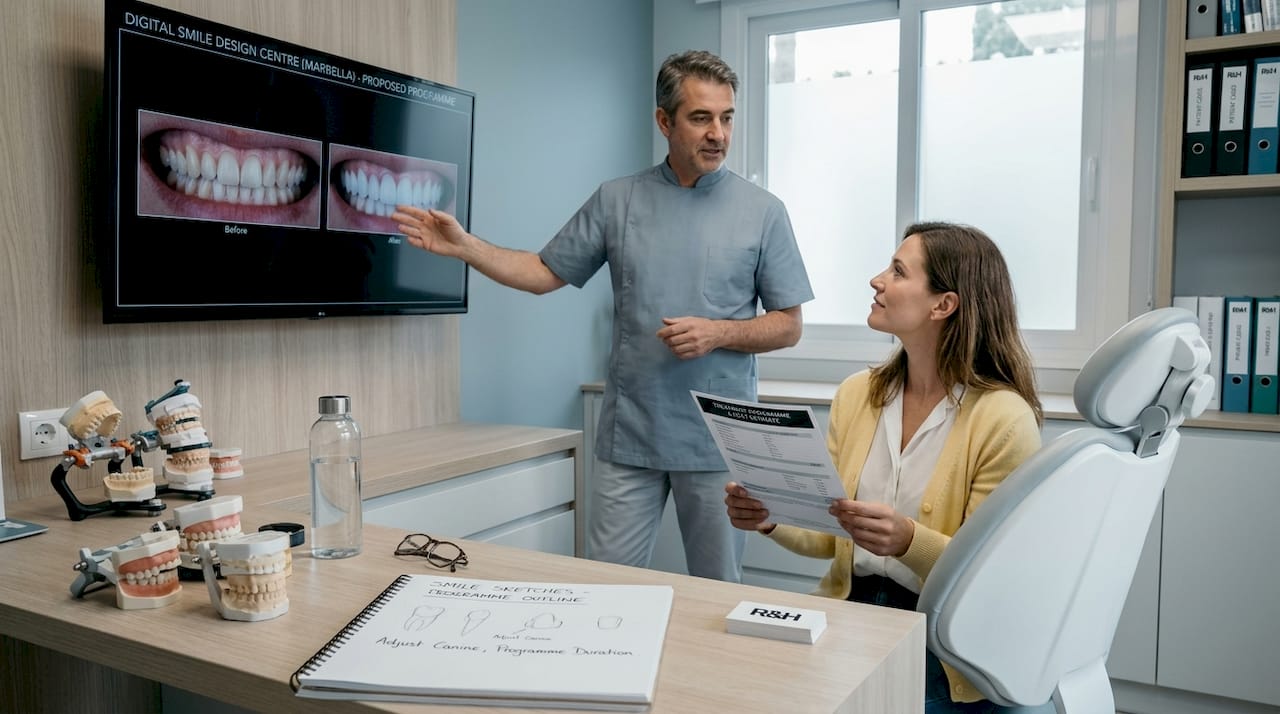
Many people assume a smile makeover simply means booking a set of veneers and walking out with a flawless grin. In reality, a poorly sequenced or rushed smile transformation can lead to sensitivity, bite problems, and costs that spiral well beyond the original estimate. The difference between a result that lasts a lifetime and one that disappoints within months almost always comes down to planning, not the treatments themselves. This guide clarifies exactly what a smile makeover involves, how the process unfolds step by step, and what you genuinely need to know before committing to any cosmetic dental treatment in Marbella.
Table of Contents
- What is a smile makeover?
- The essential steps and sequencing of a smile makeover
- Digital smile design versus traditional methods
- Risks, limitations and realistic expectations
- Why the right planning matters more than quick results
- Discover your options with Marbella’s leading clinics
- Frequently asked questions
Key Takeaways
| Point | Details |
|---|---|
| Smile makeover defined | Smile makeovers are tailored cosmetic treatments focusing on aesthetics and function. |
| Sequencing is critical | Proper sequencing ensures safe, effective, and durable aesthetic outcomes. |
| Digital tools improve results | Digital technology allows previews and better planning for predictable outcomes. |
| Risks require transparency | Understanding risks and limits helps you make confident, informed decisions. |
| Expert planning prevents setbacks | Marbella clinics prioritise careful planning and transparency for lasting success. |
What is a smile makeover?
A smile makeover is a personalised combination of cosmetic dental procedures designed to improve both the appearance and, in many cases, the function of your teeth and gums. Unlike a single treatment, a makeover draws from a palette of interventions tailored to your facial features, skin tone, and personal aspirations. The goal is always to create a result that looks natural rather than manufactured, following the face, not fighting it.
The procedures most commonly involved in smile makeover treatments include:
- Porcelain or composite veneers: Ultra-thin shells bonded to the front surface of teeth to reshape, resize, or recolour them
- Teeth whitening: Professional bleaching to lighten tooth shade by several degrees
- Composite bonding: Tooth-coloured resin applied and sculpted to correct chips, gaps, or minor misalignments
- Orthodontics: Clear aligners or fixed braces to reposition teeth before any cosmetic additions
- Gum contouring: Reshaping the gum line to create symmetry and proportion
- Dental crowns or bridges: Used where teeth are structurally compromised as part of a wider cosmetic plan
It is important to distinguish a smile makeover from a full mouth reconstruction. As dental literature confirms, smile makeovers are primarily elective and aesthetic, whereas full mouth reconstruction addresses functional or medically necessary issues such as severe bite collapse or widespread decay. Both can overlap, but the motivation and clinical priority differ significantly.
Marbella clinics specialise in bespoke plans precisely because patients travelling from the UK, Ireland, and across northern Europe arrive with diverse needs and, often, limited treatment windows. You can browse real smile makeover results to understand the range of outcomes achievable with properly planned, staged care. The best results reflect both clinical precision and an intimate understanding of what each patient actually wants to see when they look in the mirror.
The essential steps and sequencing of a smile makeover
With the basics understood, it is worth emphasising that sequencing is not a formality. It is the mechanism through which lasting results are built. A well-planned smile makeover follows a logical, protective order, and any shortcut along the way introduces risk.
Here is how the process typically unfolds:
-
Comprehensive oral health assessment. Before any cosmetic work begins, your dentist must establish that your mouth is clinically healthy. A dental health check-up identifies any decay, gum disease, or structural issues that must be resolved first. Applying cosmetic treatments over unresolved disease is like painting over damp walls.
-
Treatment planning and goal-setting. This stage involves detailed photography, digital scans, and an honest conversation about your aspirations. What shade of white? What shape of tooth? How wide a smile? These questions are answered collaboratively, not assumed.
-
Orthodontic phase (if required). Where teeth are misaligned, orthodontics must precede veneers or bonding. Placing a veneer on a crooked tooth locks that position in permanently. Aligning teeth first means the cosmetic layer sits on the correct foundation.
-
Restorative groundwork. Any fillings, extractions, or gum treatments are completed before cosmetic procedures start. This phase is unglamorous but essential.
-
Temporary restorations. Skilled clinicians place provisional veneers or bonding so you can live with your new shape and shade for a period of weeks. This testing phase is invaluable. It allows adjustments to length, colour, and comfort before the final, permanent materials are committed.
-
Final restorations. Once you and your clinician are satisfied with the temporaries, the definitive veneers, crowns, or bonded restorations are fabricated and placed with precision.
-
Review and maintenance planning. A structured follow-up programme, including night guard provision if bruxism (tooth grinding) is present, protects your investment for years ahead.
Research into smile makeover planning consistently shows that skipping foundational steps leads to problems including heightened sensitivity, bite changes, over-treatment, and costs running 15 to 40 per cent above the original estimate. That figure is striking, and it underlines why the clinical sequence matters as much as the treatments themselves.
Pro Tip: Always ask your clinician to provide a written treatment plan with sequencing before you agree to any procedures. If a clinic moves straight to veneers without assessing your gum health or bite, treat that as a warning sign.
Digital smile design versus traditional methods
With process sequencing clear, it is worth examining how technology reshapes what is possible. The shift from traditional impressions to digital workflows has fundamentally changed the quality and predictability of smile makeovers.
Traditional methods relied on physical putty impressions, hand-drawn wax mock-ups, and subjective chair-side adjustments. Results were difficult to preview accurately, and patients often received their permanent restorations without ever truly seeing what they were agreeing to. Adjustments after the fact were costly and sometimes impossible without redoing work entirely.
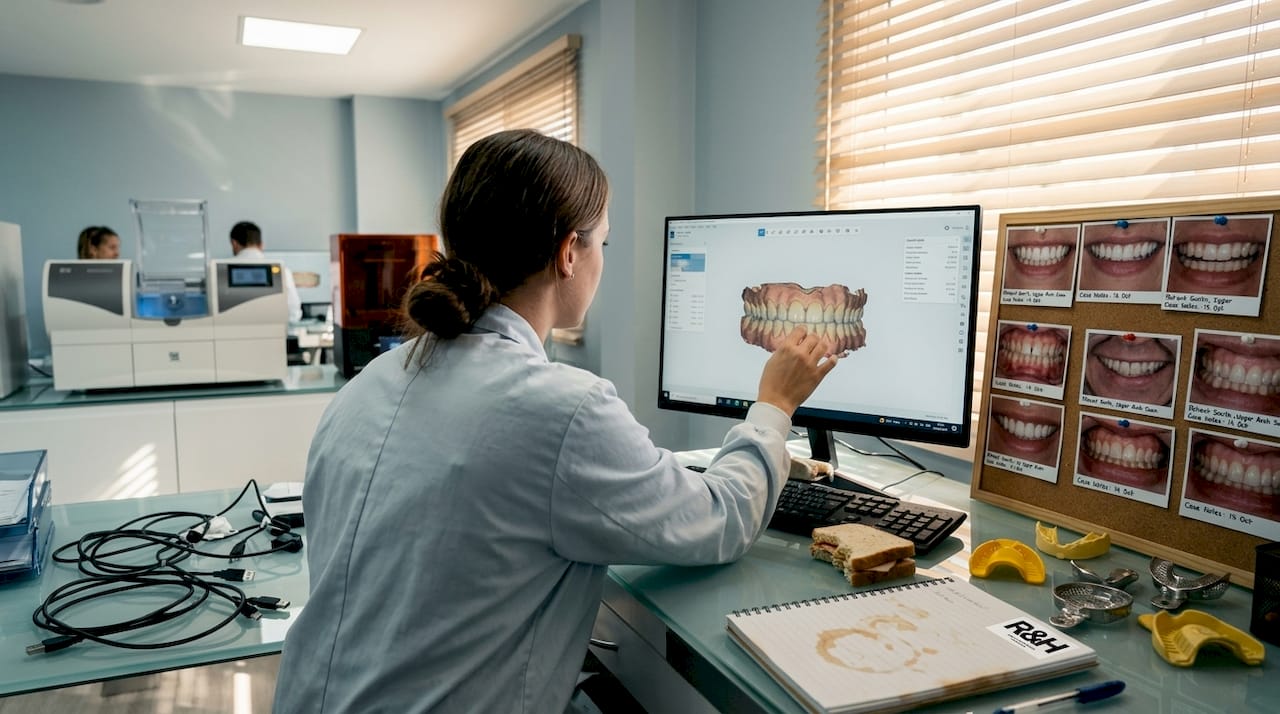
Digital Smile Design (DSD) is a structured protocol that uses high-resolution photography, video, and digital modelling software to map your smile against your facial proportions before a single instrument touches your tooth. The clinician analyses the relationship between your lips, gum line, midline, and tooth shape to produce a virtual blueprint. You view your projected outcome on screen and provide feedback in real time.
| Feature | Traditional approach | Digital smile design |
|---|---|---|
| Patient preview | Limited, approximate | Virtual, precise preview |
| Impression method | Physical putty moulds | Intraoral digital scans |
| Adjustment stage | Post-treatment only | Before treatment begins |
| Communication | Verbal description | Visual, shareable design |
| Predictability | Variable | Consistently higher |
| Risk of mismatch | Higher | Significantly reduced |
Studies confirm that digital smile design consistently outperforms conventional methods for both patient satisfaction and clinical outcomes. Furthermore, patient satisfaction research shows digital tools improve precision and produce more predictable results compared to traditional analogue techniques. This is not merely a technological upgrade; it represents a fundamentally more respectful way of involving patients in their own care.
The advanced dental technology now available at leading Marbella practices means you are not guessing at the outcome. You are approving it in advance. The clinic’s digital solutions also integrate with fabrication systems, meaning the approved design translates directly to the laboratory without manual interpretation errors. Combine this with a robust guarantee policy and the assurance of long-lasting veneers, and you have a clinical process built not just on ambition but on accountability.
Risks, limitations and realistic expectations
To make a genuinely informed decision, you need a clear-eyed view of what can go wrong, not just what can go right. Smile makeovers are safe when properly planned, but they are not without risk.
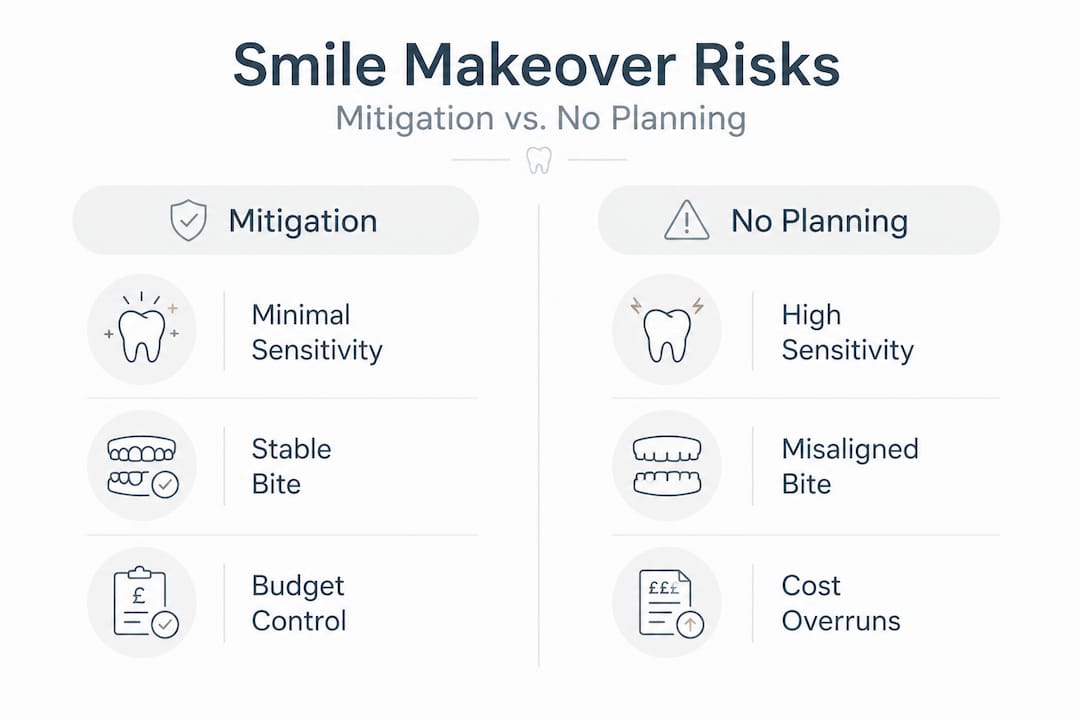
Common risks and how they arise:
- Tooth sensitivity: Preparation for veneers requires removal of a thin layer of enamel. If this is overly aggressive or if temporaries are not well-sealed, sensitivity can persist for weeks or longer.
- Bite misalignment: Restorations that are fractionally too thick can throw your bite off balance, leading to jaw discomfort or even headaches over time.
- Over-treatment: The temptation to include more teeth than necessary for cosmetic symmetry can result in treating healthy teeth that did not need intervention.
- Bruxism damage: Patients who grind their teeth are at elevated risk of cracking or dislodging veneers if a protective night guard is not prescribed as part of the plan.
- Cost overruns: Poor planning regularly pushes final costs 15 to 40 per cent above initial estimates, particularly when health issues are discovered mid-treatment.
| Risk factor | Likelihood without proper planning | Mitigation strategy |
|---|---|---|
| Sensitivity | High | Minimal prep techniques, sealed temporaries |
| Bite changes | Moderate | Occlusal assessment before treatment |
| Cost overrun | High (15-40%) | Full written plan and phased approval |
| Veneer failure | Moderate | Quality bonding protocol, night guard |
| Over-treatment | Moderate | Conservative planning, second opinion |
Pro Tip: Request a preview using temporary restorations before committing to permanent veneers. Living with temporaries for two to four weeks lets you assess comfort, speech, and aesthetics without irreversible consequences.
The importance of transparent dental pricing cannot be overstated in this context. When a clinic provides a detailed, itemised cost breakdown at the outset, it signals both confidence in their planning and respect for your financial decision-making. Avoid any practice that gives vague pricing or declines to put the treatment plan in writing.
A smile makeover is not a luxury purchase you regret. It is a clinical investment you build correctly or rebuild expensively.
When considering veneers in Marbella, ensure your clinician discusses the full scope of preparation, the type of material being used, and what happens if a veneer chips or debonds after placement. These conversations, held before treatment, are the mark of a practice that genuinely prioritises your long-term satisfaction over a quick result.
Why the right planning matters more than quick results
There is a persistent temptation, fed by social media and glossy before-and-after galleries, to pursue speed over substance. The idea of leaving Marbella on a Friday afternoon with a transformed smile is understandably appealing. But experienced clinicians know that the cases which hold up beautifully for ten or fifteen years are almost never the ones completed in a single weekend.
Research on smile makeover outcomes reinforces what long-standing clinical practice already shows: avoiding rushed, one-day makeovers leads to substantially better long-term success. The cases that age gracefully are the ones that began with honest conversations, thorough diagnostics, and a willingness to address foundational oral health before adding anything cosmetic.
The staged approach is not a disadvantage for international patients. It is actually protective. When you complete an initial assessment, establish a clear plan, and return for the primary treatment phase, you arrive as a fully informed patient rather than an anxious one. You know what to expect, what materials are being used, and what recourse you have if something requires adjustment. That clarity transforms the experience.
Marbella’s leading clinics increasingly invest in digital previews and staged treatment not because it is fashionable, but because patient satisfaction data supports it overwhelmingly. A patient who sees their result before treatment begins, who tests temporaries before committing, and who understands the full cost and timeline is infinitely more likely to be delighted with the outcome. Patience, properly supported by planning, is not a concession. It is the strategy.
Discover your options with Marbella’s leading clinics
For those ready to move from curiosity to clarity, RH Dental Marbella makes the process as transparent and accessible as possible. You can explore smile makeover consultations to understand which treatments suit your specific goals, or review transparent pricing before you ever sit in a dental chair. For patients who are unsure whether they are ready for a makeover, booking a free check-up is the ideal starting point. It establishes your oral health baseline, opens the conversation about your aspirations, and allows the clinical team to design a realistic, sequenced plan built around your timeline, budget, and goals.
Frequently asked questions
How long does a smile makeover take in Marbella?
Most smile makeovers require a series of appointments spread over several weeks or months, as the correct sequencing of health checks, orthodontics, and cosmetic procedures cannot responsibly be compressed into a single visit.
Are there risks with smile makeovers?
Yes, risks include tooth sensitivity, bite misalignment, and cost overruns, particularly when treatments are not properly planned or when foundational oral health is overlooked before cosmetic work begins.
What is the difference between a smile makeover and full mouth reconstruction?
Smile makeovers are elective and aesthetic in focus, whereas full mouth reconstruction addresses structural, functional, or medically necessary dental problems, although the two can sometimes overlap in complex cases.
Can I preview my results before treatment?
Digital smile design allows you to see a virtual preview of your expected results before any irreversible procedures begin, making the approval process collaborative and far more accurate than traditional methods allowed.
Is a healthy mouth required for a smile makeover?
Absolutely. Any decay or active gum disease must be fully treated first, as applying cosmetic restorations over an unhealthy foundation compromises both the longevity of the work and your overall oral health.