
TL;DR:
- Dental specialists in Marbella handle a broad range of needs, often providing more cost-effective and superior results than general dentists. They possess advanced training in specific fields like orthodontics, periodontics, and prosthodontics, emphasizing multidisciplinary teamwork for complex cases. Seeking qualified specialists early and ensuring coordinated care can improve outcomes and reduce long-term costs for expats.
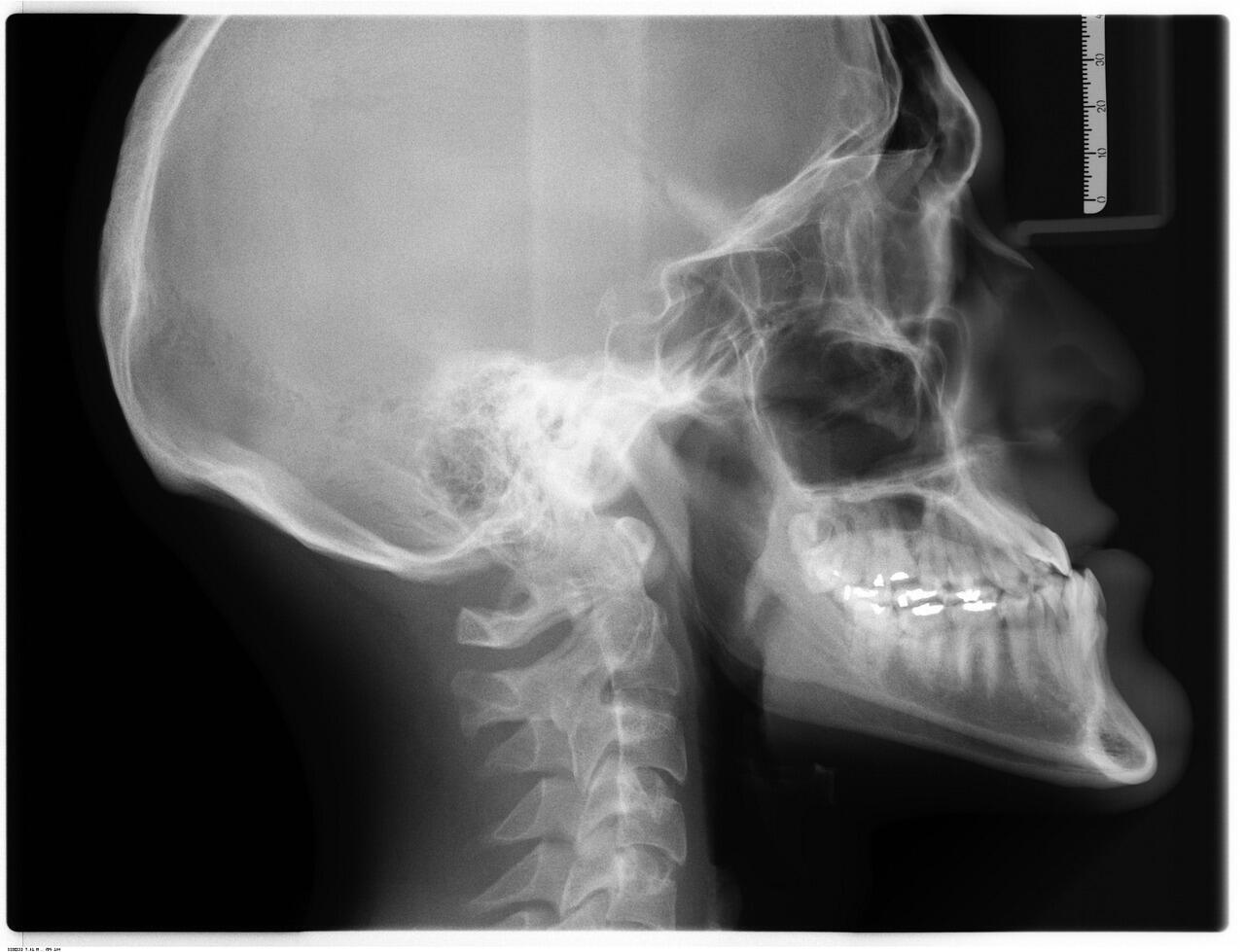
Many expats and professionals living in Marbella assume that seeing a dental specialist is reserved for worst-case scenarios or that it inevitably means a larger bill. Neither assumption holds up to scrutiny. The reality is that specialists often handle a surprisingly broad range of dental needs, and in several well-documented cases, specialist-led treatment can actually cost less than a generalist approach whilst delivering measurably superior outcomes. Whether you need implants, orthodontic alignment, or complex cosmetic work, understanding when and how to access specialist dental expertise could be the single most important decision you make for your long-term oral health.
Table of Contents
- What makes a dental specialist different?
- When should you see a dental specialist?
- Multidisciplinary care: Why teamwork matters
- Making sense of specialist costs and outcomes
- Why the real value of dental specialists goes beyond what most expats expect
- Find your ideal dental specialist in Marbella
- Frequently asked questions
Key Takeaways
| Point | Details |
|---|---|
| Specialists offer advanced care | Dental specialists provide expertise for complex cases, often improving results for implants, orthodontics, and cosmetic work. |
| Teamwork improves outcomes | Multidisciplinary specialist teams collaborate to deliver comprehensive solutions, especially helpful for expats with challenging dental needs. |
| Costs can be lower with specialists | Recent studies reveal that specialist treatments, such as implants, may cost less than generalist approaches while providing superior outcomes. |
| Ask the right questions | Understand your options by asking about experience, cost, outcome success, and whether a team-based approach will be used. |
What makes a dental specialist different?
Not all dentists offer the same depth of training or clinical authority. A general dentist is trained to manage a wide range of everyday dental health needs, from routine fillings to basic extractions and preventive care. A dental specialist, by contrast, has completed additional postgraduate training in a defined clinical domain, giving them focused expertise that a generalist simply cannot replicate.
Dental specialty training concentrates advanced diagnostic and treatment responsibilities for complex conditions, covering areas such as orthodontics and dentofacial orthopaedics, periodontics with implants, and prosthodontics for crowns, veneers, and implant-supported restorations. In the United Kingdom, 13 recognised dental specialties include orthodontics, oral surgery, endodontics, periodontics, and prosthodontics, among others. This regulatory framework is a useful reference point for British expats seeking to evaluate clinicians abroad.
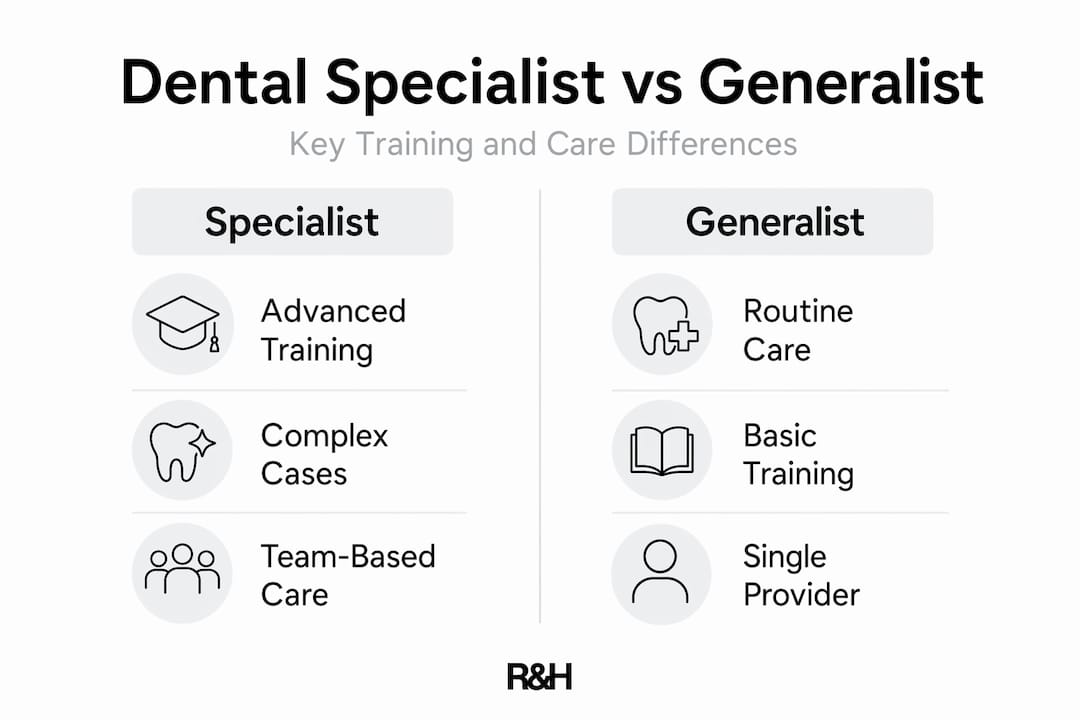
Here is a quick comparison to illustrate the practical difference:
| Feature | General dentist | Dental specialist |
|---|---|---|
| Training duration | 5 years undergraduate | 5 years + 3 to 5 years postgraduate |
| Scope of practice | Broad, preventive and restorative | Defined specialism with advanced techniques |
| Complex case suitability | Routine to moderate | Moderate to highly complex |
| Collaborative role | Primary contact | Referral and co-treatment partner |
| Diagnostic depth | General oral health | In-depth condition-specific assessment |
Common specialist roles include:
- Orthodontist: Alignment, bite correction, braces, and clear aligners
- Periodontist: Gum disease, bone regeneration, and implant site preparation
- Prosthodontist: Crowns, bridges, full-mouth rehabilitation, and complex veneers
- Oral and maxillofacial surgeon: Tooth extractions, jaw surgery, implant placement
- Endodontist: Root canal treatment and internal tooth pathology
Pro Tip: Even if your case sounds routine on the surface, a brief consultation with a specialist often reveals nuances that a general dentist may miss. Bone density, gum health, and bite dynamics can all quietly influence what might seem like a simple treatment.
If you are searching for best English-speaking dentists in the Marbella area, confirming their specialist credentials and postgraduate training history is a practical first step.
When should you see a dental specialist?
Knowing who a specialist is does not automatically tell you when you need one. For expats in Marbella, the trigger is often a scenario that a general dentist can begin but not fully resolve. Think of implants following significant bone loss, orthodontic treatment for someone with underlying gum disease, or a full aesthetic makeover that requires coordination between multiple treatment disciplines.
The following situations strongly indicate a specialist referral is warranted:
- Dental implants with complicating factors: Bone loss, sinus involvement, or multiple missing teeth make specialist placement essential
- Orthodontic treatment for adults with periodontal concerns: Tooth movement in compromised bone requires careful monitoring
- Severe or chronic gum disease: Periodontists offer targeted interventions that go well beyond a scale-and-polish
- Full-mouth cosmetic rehabilitation: Prosthodontists manage the interplay between aesthetics, bite mechanics, and long-term function
- Failed previous treatments: When earlier restorations are failing or causing problems, specialist diagnosis often identifies the root cause
One particularly relevant finding for anyone considering dental implant solutions in Marbella: specialist-placed implants reported materially lower median complete-implant costs compared to general dentist placement in a multi-city analysis, which directly challenges the assumption that specialists always charge a premium.
For patients with orthodontic needs complicated by gum issues, multidisciplinary sequencing including careful anchorage planning, possible use of TADs (temporary anchorage devices), and timing relative to regenerative surgery may be required. This is not something a solo practitioner with no specialist training should be navigating alone.
“When your dental needs sit at the intersection of two or more specialisms, the risk of an uncoordinated approach is not just inefficiency. It is the compounding of one correctable problem into an irreversible one.”
If gum disease is part of your picture, consulting gum disease specialists early rather than after orthodontic treatment has already begun can protect both your investment and your teeth.
Pro Tip: If you have been told your case is straightforward but you have experienced bone loss, recession, or a history of failed restorations, request a second opinion from a specialist before any irreversible work begins.
Multidisciplinary care: Why teamwork matters
Some dental challenges genuinely require more than one specialist’s expertise working in concert. A patient needing orthodontic correction alongside significant gum regeneration and final prosthetic restoration cannot have those three disciplines operate in isolation. The sequencing, timing, and clinical communication between practitioners directly determines whether the outcome is predictable or problematic.
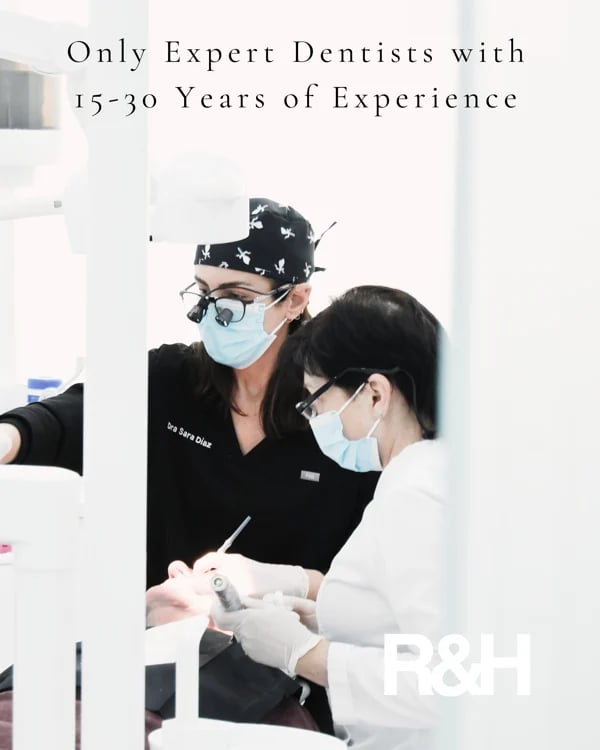
In Marbella and across the Costa del Sol, multidisciplinary specialist coverage in orthodontics, implants, periodontics, and cosmetic dentistry is increasingly the standard model for complex expat cases. The best clinics do not refer you from room to room without a plan. They build a coordinated care pathway from the outset.
Clear aligner consensus literature reinforces this: difficult aligner cases involving severe periodontitis or surgical requirements demand multidisciplinary treatment and specialist guidance, not a one-size-fits-all digital prescription.
Here is how a multidisciplinary case typically unfolds for an expat patient:
- Initial assessment: A lead clinician or treatment co-ordinator reviews your full dental and medical history, takes 3D imaging, and identifies all relevant concerns
- Specialist consultations: Each relevant specialist assesses their domain, whether it is periodontal health, implant suitability, or occlusal (bite) function
- Joint treatment planning: Specialists agree on the sequence of treatments, ensuring no single intervention undermines another
- Phased delivery: Treatments are delivered in a clinically logical order, typically beginning with disease management, moving through structural restoration, and finishing with aesthetic refinement
- Shared monitoring and review: All treating clinicians review progress together, adjusting the plan if bone healing, tissue response, or other factors shift
| Case type | Specialists typically involved |
|---|---|
| Orthodontics only | Orthodontist |
| Orthodontics with gum disease | Orthodontist, periodontist |
| Implants with bone loss | Oral surgeon, periodontist |
| Full aesthetic rehabilitation | Prosthodontist, orthodontist, cosmetic dentist |
| Complex jaw alignment | Orthodontist, oral and maxillofacial surgeon |
For expat families navigating multiple dental needs, treatments for expat families that follow a multidisciplinary model reduce the risk of conflicting treatment decisions and streamline the overall experience.
Making sense of specialist costs and outcomes
Cost is often the first question and, for many expats, the primary hesitation. The widespread belief that “specialist” automatically equals “more expensive” is worth examining with real data rather than assumptions.
As noted earlier, a multi-city comparative analysis found that median complete-implant costs were actually lower when performed by specialists compared to general dentists. This is likely a function of procedural efficiency, streamlined workflows, and the fact that specialists handle high volumes of complex cases without the learning curve that a generalist faces in unfamiliar clinical territory.
Questions to ask your specialist before committing:
- What is the distinction between treatment “success” and “survival” in your case, and which metric are you targeting?
- How does the quoted fee structure break down across diagnosis, treatment, and aftercare?
- Are there guarantees on the prosthetic components, and what is covered if a restoration needs replacement?
- How does your practice handle complications, and is there a contingency plan in the treatment offer?
- Have you factored in the costs of not treating, including potential bone loss progression or adjacent tooth deterioration?
That last question is one most patients never ask, yet it is often the most revealing. Leaving a treatable condition unaddressed has its own financial and clinical consequences, and a specialist is best placed to quantify those risks for your specific situation.
Outcomes deserve equal scrutiny. Implant evidence reviews caution that published success and survival statistics may not translate directly to individual cases unless you account for prosthetic design, patient-specific maintenance habits, and clinical variables. A specialist helps contextualise these numbers so that your expectations are grounded in your actual clinical profile, not an idealised population average.
Understanding dental prices explained in full, with transparent breakdowns and clear outcome benchmarks, is what separates a genuinely informed patient choice from a decision based on headline figures alone.
Why the real value of dental specialists goes beyond what most expats expect
There is a persistent myth in the expatriate community that specialist dental care is something you pursue when things have gone badly wrong, or when no expense is to be spared. This framing misses the point entirely.
The true value of a specialist is not simply their technical skill in isolation. It is their ability to integrate that skill into a coherent clinical strategy. When a periodontist, prosthodontist, and orthodontist share a case, they are not simply dividing the work. They are preventing each other’s interventions from creating new problems. That co-ordination is where the real clinical value lives, and it is something a single generalist practitioner, however talented, cannot fully replicate.
There is also an uncomfortable truth about credentials: the presence of a specialist title does not guarantee that multidisciplinary planning has actually occurred. Some patients are seen by a highly qualified specialist who is nonetheless operating in isolation, without dialogue with the other clinicians involved in their care. Always ask, directly: “How have the other treating clinicians shaped this treatment plan?” If the answer is vague, that is a signal worth heeding.
Implant survival data illustrates this point well. Published figures look reassuring in aggregate, but they become meaningful only when interpreted through the lens of your bone quality, gum health, prosthetic design, and long-term maintenance commitment. A specialist does not just place the implant or design the aligner. They interpret the evidence for your situation, not the average patient in a research study.
Expat-specific dental treatment insights consistently highlight that patients who engage specialist teams early, before making irreversible decisions, achieve better outcomes and spend less correcting avoidable problems downstream. That is not a selling point. It is a pattern supported by implant cost comparisons showing specialist-placed work can cost less, and by clinical literature confirming that co-ordinated sequencing reduces complication rates. The investment in getting it right the first time is almost always smaller than the cost of revisiting a case that was handled too simply.
Find your ideal dental specialist in Marbella
R&H Dental in Marbella brings together a genuinely multidisciplinary team of specialists, including experts in implantology, orthodontics, periodontics, and cosmetic dentistry, all under one roof and all communicating in clear, fluent English.
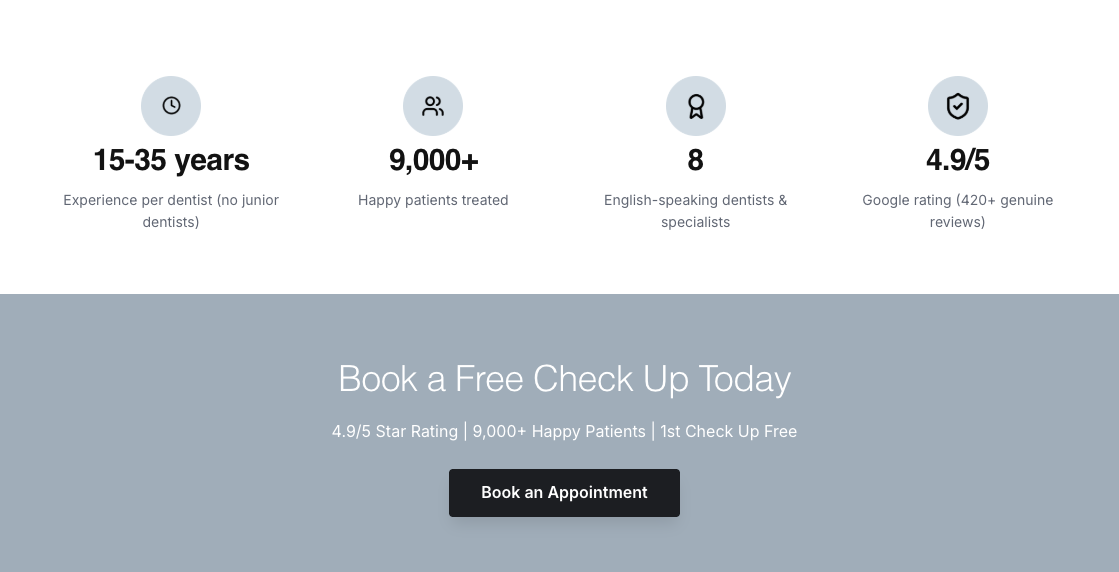
Whether you are considering dental implants in Marbella, exploring orthodontic treatments that work with your lifestyle, or seeking transformative cosmetic dentistry solutions, the R&H Dental team provides transparent pricing, co-ordinated specialist care, and outcome guarantees that give you confidence from your very first consultation. For expats who have experienced the frustration of fragmented dental care across multiple providers, this integrated approach is genuinely different. Book your consultation today and experience what co-ordinated specialist care actually feels like.
Frequently asked questions
How do I know if I need a dental specialist or a general dentist?
If you require implants, complex orthodontics, advanced gum care, or intricate cosmetic work, a specialist is usually the best choice. For general check-ups and simple treatments, a general dentist may suffice, though even routine cases can benefit from a specialist’s perspective when underlying complications exist. Dental specialty training specifically concentrates advanced diagnostic responsibilities for complex conditions.
Are dental implant specialists always more expensive in Marbella?
No. Recent data show that specialist-placed implants can actually carry a lower median cost than those placed by general dentists, reflecting the efficiency gains and reduced complication rates that come with specialised experience.
What is a multidisciplinary dental team and why does it matter?
A multidisciplinary team comprises several dental specialists who collaborate to plan and deliver complex treatment, ensuring each intervention supports rather than undermines the others. This is especially important for expats managing implants, gum disease, and cosmetic goals simultaneously, and Marbella specialist clinics increasingly offer this model as a standard.
Do dental specialists in Marbella speak English?
Yes. Most specialist-led clinics serving the expatriate community in Marbella have fully English-speaking clinical teams, ensuring that complex treatment discussions, consent processes, and follow-up care are communicated with complete clarity and no language barrier.