
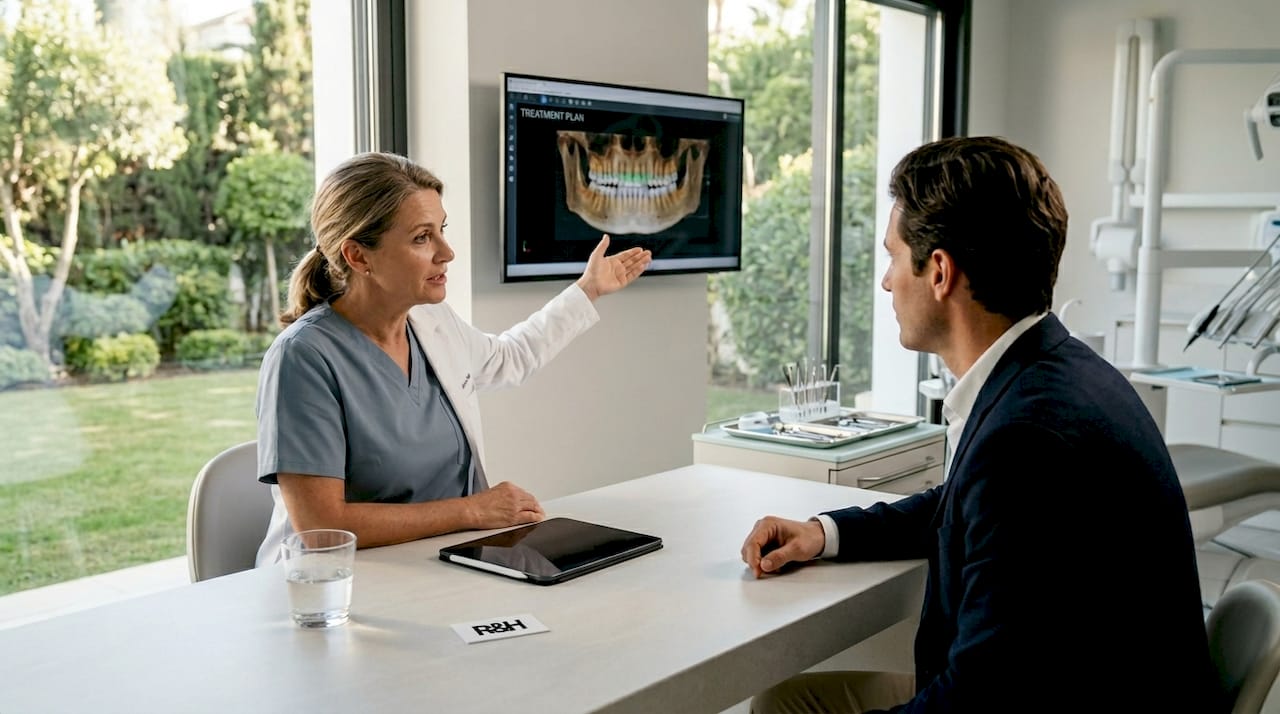
Digital dentistry is not simply a collection of expensive equipment sitting in a modern clinic. It is a fundamental rethinking of how dental care is diagnosed, planned, and delivered. Understanding what is digital dentistry matters whether you are a patient weighing your options or a clinician adopting new workflows, because it shapes the precision of every restoration, the comfort of every appointment, and the predictability of every outcome. This guide explains the core technologies, their clinical benefits, the honest challenges, and what the near future holds for patients and practitioners alike.
Table of Contents
- Key takeaways
- What is digital dentistry, and why does it matter?
- Core digital dental technologies
- Advantages of digital dentistry for patients and clinicians
- Challenges of going digital: honest considerations
- Digital dentistry across key treatments
- The future of digital dentistry
- Our perspective on digital dentistry
- Experience digital dentistry at R&H Dental Marbella
- FAQ
Key takeaways
| Point | Details |
|---|---|
| Digital dentistry is a complete workflow | It covers diagnosis, treatment planning, and restoration delivery using computer-based tools, not just individual gadgets. |
| Patients gain measurable comfort gains | 89% of patients prefer digital impressions over traditional trays, reducing discomfort significantly. |
| Efficiency improvements are substantial | Digital workflows reduce active chair time by over 38% and lab turnaround by up to 85%. |
| Adoption requires training, not just technology | Digital stress among clinicians is real; selecting intuitive software and investing in education are non-negotiable steps. |
| AI diagnostics are reshaping patient engagement | Visual diagnostic tools increase treatment acceptance, with 74% of patients willing to pay more for AI-assisted check-ups. |
What is digital dentistry, and why does it matter?
Digital dentistry describes the use of computer-based technologies across every stage of dental care: from capturing a scan of your teeth, to designing a crown on screen, to milling or printing that restoration in the clinic or laboratory. The role of digital dentistry is not to replace clinical judgement. It is to give that judgement sharper tools and better information.
The shift began with digital radiography and CAD/CAM milling in the 1980s, but the pace has accelerated sharply in the past decade. Intraoral scanners, cone beam computed tomography (CBCT), AI-assisted diagnostics, and chairside milling systems have moved from specialist settings into mainstream practice. For patients, this means fewer visits, more comfortable appointments, and restorations that fit with greater accuracy. For clinicians, it means reproducible results, richer diagnostic data, and more productive workflows.
Core digital dental technologies
Understanding the individual tools helps you appreciate how they work together as a system.
-
Intraoral scanners replace traditional impression trays and putty materials. A small wand captures thousands of images per second to build a precise 3D digital model of your teeth and gums. The process takes minutes and eliminates the gagging and discomfort associated with older techniques.
-
CAD/CAM systems (computer-aided design and computer-aided manufacturing) use that digital model to design crowns, bridges, veneers, and dentures on screen, then mill or print them to exact specifications. This can happen in-clinic or in a dedicated dental laboratory.
-
3D CBCT imaging (cone beam computed tomography) provides a three-dimensional view of teeth, bone, nerves, and sinuses that a standard X-ray cannot offer. It is indispensable for implant planning, complex extractions, and orthodontic assessment.
-
3D printing adds speed and flexibility to prosthetic fabrication, surgical guide production, and the creation of study models. Printed surgical guides, for example, translate a digital implant plan directly into the operating field with sub-millimetre accuracy.
-
AI-assisted diagnostic software analyses radiographs and clinical images to flag potential caries, bone loss, or other pathology that the human eye might miss under time pressure. Patients respond positively to seeing their own diagnostic data visualised clearly.
Pro Tip: When visiting a clinic, ask whether their digital tools form a connected workflow. A scanner linked to an in-house milling unit gives you a fundamentally different experience from a clinic that simply takes digital photos and sends impressions to an external lab.
Advantages of digital dentistry for patients and clinicians
The benefits of digital dentistry are best understood through concrete numbers rather than general promises.
| Benefit | Analogue approach | Digital approach |
|---|---|---|
| Impression comfort | Putty trays, risk of gagging | Scanner wand, no materials in mouth |
| Crown turnaround | 2 weeks, temporary crown needed | Same day in many cases |
| Denture appointments | Up to 5 clinical visits | 2 to 3 visits with digital workflow |
| Lab productivity | Standard throughput | 70 to 80% higher with digital processes |
| Diagnostic detail | 2D radiograph | Full 3D volumetric image with CBCT |
Beyond the table, there is a subtler advantage that experienced clinicians observe consistently: the shift in how patients understand and engage with their own care.
“The digital transformation has shifted patient communication from passive to collaborative, thus enhancing satisfaction and trust.”
When a patient can see a photorealistic simulation of their proposed smile before a single tooth is prepared, they make more confident decisions. They understand what they are agreeing to, and that clarity reduces anxiety on both sides of the chair. Digital workflows cut active working time by 38.4% and overall treatment time by more than 60%, which matters enormously for patients with busy schedules or dental anxiety.
Patient comfort is not a minor footnote. 89% of patients prefer digital impressions over traditional methods, citing the absence of messy materials and the elimination of gag reflex challenges. For clinicians, the motivation is equally clear: 70% of dentists cite improved clinical efficiency as their primary reason for adopting digital systems.

Challenges of going digital: honest considerations
Digital dentistry explained without acknowledging its difficulties would be incomplete. The technology carries real implementation challenges that both patients and practitioners should understand.
The most underappreciated hurdle is what researchers now call digital stress. A qualitative study published in Germany found that digital stress among dentists stems largely from low software user-friendliness, steep learning curves, and insufficient training support. The technology promises efficiency, but without proper preparation it can generate the opposite: frustration, errors, and reduced confidence during consultations.
The financial investment is also substantial. Intraoral scanners, CBCT units, milling machines, and compatible software represent capital expenditure running into tens of thousands of euros. These costs are recoverable over time through higher laboratory productivity and reduced remake rates, but smaller practices need to plan carefully before committing.
Several practical principles help clinicians manage these challenges:
- Prioritise software that is genuinely intuitive, not merely marketed as such. Seek demonstrations and trial periods before purchasing.
- Invest in structured team training before the equipment arrives, not after.
- Standardise clinical protocols so the entire team follows the same digital capture and verification steps every time.
- Begin with lower-risk cases to build confidence before extending digital workflows to more complex treatments.
- Maintain traditional clinical skills. Digital tools magnify a skilled clinician’s abilities; they do not substitute for them.
Pro Tip: Practices that adopt digital dentistry incrementally, starting with intraoral scanning before adding milling or printing, report significantly lower stress levels and smoother transitions than those who attempt a complete digital overhaul at once.
Digital dentistry across key treatments
Seeing digital dentistry in action across specific procedures clarifies its practical value more than any general description.
Complete denture restoration
Traditional complete denture fabrication requires up to five clinical appointments. A digital denture workflow reduces this to two or three, with fewer physical impressions and a more accurate fit resulting from digital records. The patient’s anatomy is captured precisely, and the prosthesis is milled or printed to a verified specification. Adjustments are fewer, and digital records can be used to reproduce the denture exactly if it is ever lost or damaged.
Implant planning and guided surgery
CBCT data combined with implant planning software allows the surgeon to position each implant virtually before touching the patient. A printed surgical guide then translates that plan into the operating field with accuracy measured in tenths of a millimetre. Vital structures such as the inferior alveolar nerve are identified and respected. Outcomes are more predictable, and patient recovery tends to be smoother. If you are considering dental implants in Marbella, understanding this workflow helps you ask the right questions about how your treatment will be planned.
Digital Smile Design
Digital Smile Design transforms cosmetic treatment planning from a one-way clinical prescription into a genuine collaboration. The clinician photographs and scans the patient’s face and teeth, then creates a photorealistic simulation of the proposed outcome. The patient can approve, adjust, or question the design before any preparation begins. This approach is particularly powerful for smile makeover planning, where aesthetics are deeply personal and the patient’s vision must lead the process.
Same-day crowns with in-office milling
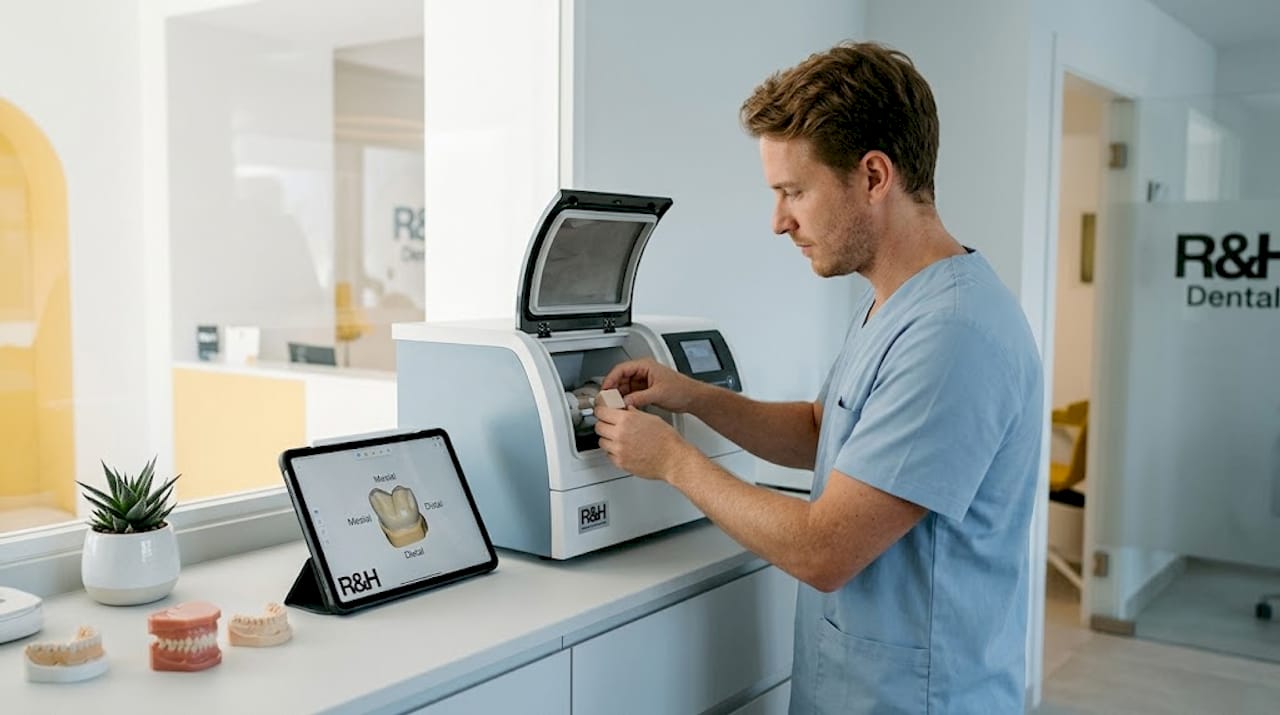
In-office CAD/CAM milling has eliminated the two-week wait for a permanent crown in many cases. Once the tooth is prepared and scanned, the restoration is designed on screen and milled from lithium disilicate or zirconia in as little as 25 minutes. The crown is polished, adjusted, and fitted the same day. There is no temporary crown, no second appointment, and no waiting. The scope of in-office milling continues to expand as materials improve and milling units become more precise.
The future of digital dentistry
The direction of travel is clear, and several developments will define the next phase of digital dentistry.
- AI diagnostics will become standard. The fact that 74% of patients are willing to pay more for AI-assisted check-ups signals strong demand. AI flags early caries and bone loss that might be missed in a routine examination, and patient loyalty improves when patients can see their data clearly visualised over time.
- Integrated workflows will replace isolated tools. The real power of digital dentistry emerges when scanner, design software, milling unit, and patient records communicate seamlessly. Clinics investing in interoperable systems now will have a significant clinical advantage.
- Patient expectations will keep rising. Patients who have experienced digital impressions will not willingly return to putty trays. Those who have seen a Digital Smile Design simulation will expect that level of dialogue before committing to cosmetic treatment.
- Digital competency will become a clinical baseline. Ongoing education in digital workflows is shifting from optional continued professional development to a core requirement for clinicians who wish to offer the standard of care patients increasingly expect.
The broader vision is a shift from reactive treatment to proactive oral health management, where digital records serve as a longitudinal reference and AI-driven analysis supports prevention as much as cure.
Our perspective on digital dentistry
I have watched digital dentistry mature from a niche enthusiasm into clinical necessity, and the most important lesson I carry is this: technology does not make a good dentist better automatically. What it does is give a skilled, experienced clinician a far richer set of tools to work with.
The consultations I find most meaningful are those where a patient sees their proposed outcome for the first time on screen and genuinely understands what is possible. That moment of collaborative clarity, which digital visualisation makes possible, changes the entire therapeutic relationship. It is not about impressing anyone with equipment. It is about giving patients the information they need to make decisions with confidence.
What I have also seen is the damage done by rushing into technology purchases without the training infrastructure to support them. A clinic with a milling unit it does not fully understand is not offering better care. It is taking on risk. The clinics I respect most have invested as heavily in team education as in hardware, and their results show it.
My honest advice to both patients and practitioners is this: ask about the workflow, not just the tools. A clinic that can explain how its digital systems connect, from scan to design to delivery, is a clinic that has genuinely integrated the technology rather than simply acquired it. That integration is where the real advantages of digital dentistry lie.
— R&H Dentists
Experience digital dentistry at R&H Dental Marbella
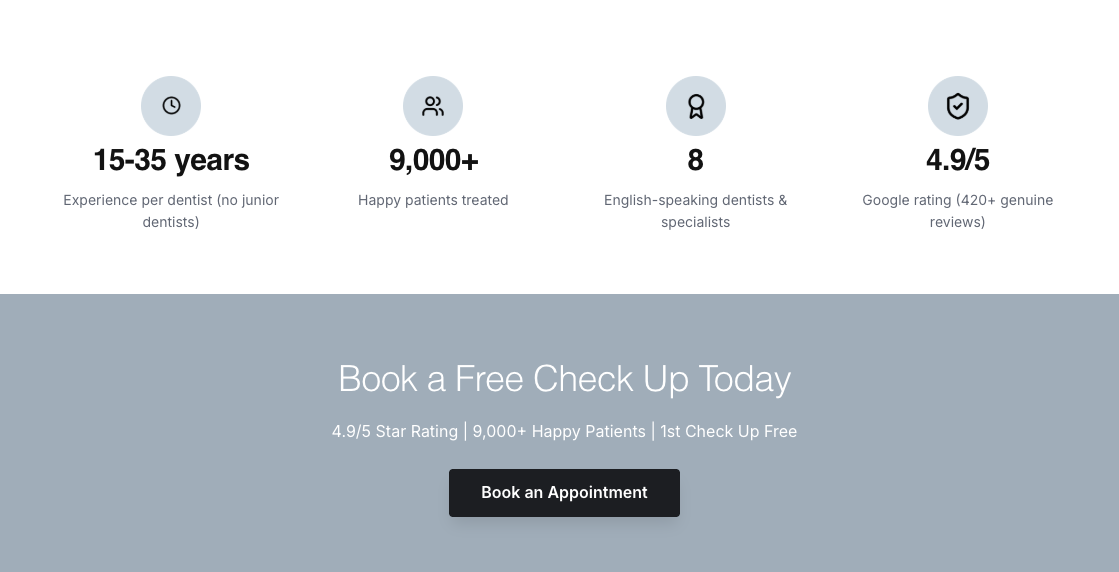
At R&H Dental Marbella, digital dentistry is not a marketing statement. It is the clinical foundation on which every treatment is built. Our experienced English-speaking dentists, drawn from Finland, New Zealand, Ireland, Portugal, and Spain, bring 15 to 35 years of expertise each and use in-house 3D CBCT imaging, a dedicated digital laboratory, and Digital Smile Design to plan and deliver treatments with a level of precision that analogue methods simply cannot match.
Whether you are considering implants, a smile makeover, or a complex restoration, our approach begins with a thorough digital assessment and a clear, collaborative conversation about what is achievable. Our transparent pricing structure means you will know the full cost before any treatment begins, and every major restoration is backed by a written guarantee. Take a virtual tour of our clinic to see the technology for yourself, or contact us to arrange a consultation with no obligation.
FAQ
What is digital dentistry in simple terms?
Digital dentistry is the use of computer-based tools, including scanners, 3D imaging, design software, and milling machines, to diagnose, plan, and deliver dental treatment more accurately and efficiently than traditional methods allow.
How does digital dentistry work in practice?
A digital workflow typically begins with an intraoral scan that creates a 3D model of your teeth. That model feeds into design software to plan a restoration or treatment, which is then milled, printed, or guided into position using the digital data.
What are the main benefits of digital dentistry for patients?
The primary benefits include greater comfort during impressions, fewer and shorter appointments, same-day restorations in many cases, and the ability to see your proposed outcome visually before treatment begins.
Why choose digital dentistry over traditional methods?
Digital approaches offer measurably better accuracy, less chair time, and significantly improved patient experience. Digital denture workflows, for example, reduce visits from five to two or three while improving prosthesis fit.
Are there any downsides to digital dentistry?
The main challenges are for clinicians adopting the technology: high initial costs, a learning curve, and the risk of digital stress if training is inadequate. For patients, the experience is generally more comfortable and efficient than traditional care.