Implant Dentistry
All-on-4 / All-on-6 Dental Implants in Marbella
A fixed full-arch solution, with same-day provisional teeth when clinically suitable
“All on 4 describes a fixed full-arch restoration supported by four implants in selected cases. It is one approach to replacing a complete arch. The appropriate number and position of implants depend on the bone, bite and planned teeth, rather than a package name alone.”
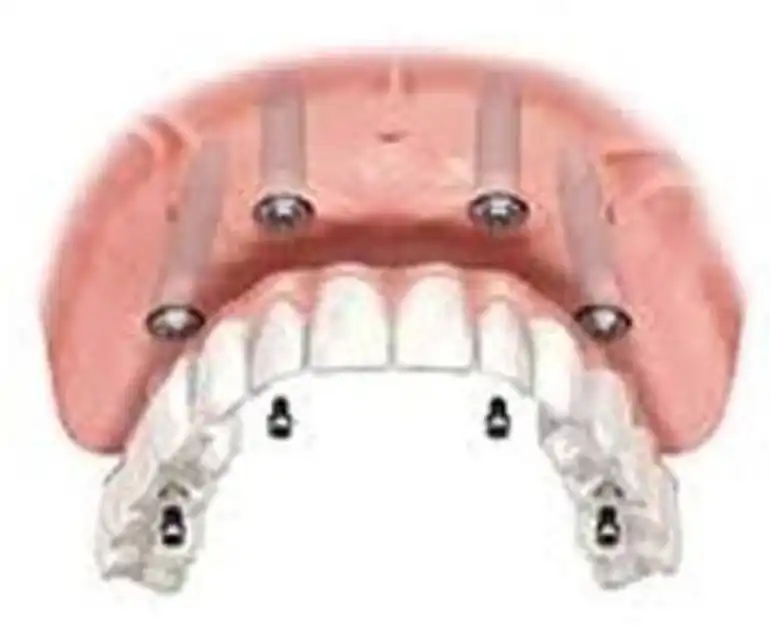
All-on-4 and All-on-6 are full-arch solutions for people missing most or all teeth, or struggling with failing dentition and unstable dentures. The aim is a secure, fixed set of teeth that lets you eat, speak, and smile with far more confidence than removable options.
Benefits of All-on-4/6 Treatment
For the right patient, full-arch implant treatment can be genuinely life-changing.
All-on-4 in Marbella vs Dentures: A Permanent Alternative
If you're tired of the inconvenience and discomfort of dentures, All-on-4 offers a permanent, fixed solution. Unlike dentures, All-on-4 teeth never come out — they're fixed in place and cared for like natural teeth. There's no adhesive, no palate coverage, no clicking, and an individual plan for eating during healing and long-term care. Most patients report dramatically improved chewing ability, speech clarity, and confidence.
- ✓ Fixed in place — never removed, no adhesive needed
- ✓ Improved chewing after healing — follow your clinician’s dietary advice
- ✓ No palate coverage — taste food normally again
- ✓ Preserves jawbone — prevents the facial collapse that occurs with dentures
- ✓ Teeth in a day — leave with functioning teeth on surgery day
Watch & Learn More
The Marbella All-on-4 Process
From edentulous or failing teeth to a permanent, beautiful smile.
Comprehensive Assessment & 3D Planning

A detailed evaluation including 3D CBCT scanning, digital smile design, and a complete treatment plan for your full-arch restoration
Who is All-on-4 for?
All-on-4 (and All-on-6) is designed for patients who are missing all or most teeth in an upper or lower arch, or whose remaining teeth are failing and need to be replaced. It's also an excellent solution for patients who are tired of loose, uncomfortable dentures. The technique provides a complete arch of fixed, non-removable teeth supported by just 4 or 6 strategically placed implants — giving you provisional fixed teeth on surgery day when implant stability and your clinical assessment allow.
Advanced 3D treatment planning
We use 3D CBCT scanning and digital planning software to map your bone structure in detail. The genius of the All-on-4 concept lies in the strategic angulation of the posterior implants — by tilting them at 30–45 degrees, we can engage more bone contact, often eliminating the need for bone grafting even in patients with significant bone loss. Every case is planned digitally before surgery begins, with guided surgical templates ensuring precision placement.
-
3D CBCT scan to assess bone volume and quality
-
Digital smile design to plan your new teeth aesthetics
-
Guided surgical planning for precise implant placement
-
Assessment of whether bone grafting can be avoided
-
Detailed timeline and transparent cost breakdown
Surgery Day — Teeth in a Day
Implants are placed; a fixed provisional bridge may be fitted the same day if stability and your clinical assessment allow
The surgical procedure
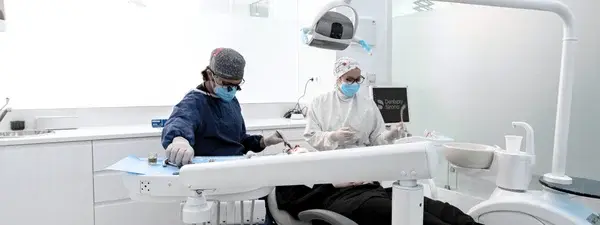
On surgery day, any remaining failing teeth are gently extracted. Four (or six) implants are then placed at precisely planned positions using 3D-guided surgical templates. The posterior implants are angled to maximise bone contact and avoid critical structures like nerves and sinuses. The entire surgical phase typically takes 2–3 hours per arch under local anaesthesia or conscious sedation.
Same-day provisional teeth
Within hours of implant placement, a pre-fabricated provisional bridge is attached to the implants. This bridge is a fixed, non-removable set of teeth that looks and functions well immediately — you can smile, speak, and eat soft foods from day one. While this provisional bridge is functional and aesthetic, it's designed as a temporary solution while your implants integrate with the bone over the following months.
Healing & Integration
Over 3–6 months, the implants fuse with your jawbone while you follow the prescribed diet and care plan for your provisional teeth
Recovery and osseointegration
After surgery, you'll wear the provisional bridge while the implants undergo osseointegration — the process where bone grows directly onto the implant surfaces. This creates an incredibly strong, permanent foundation. During this period, you can eat, speak, and socialise normally, though we recommend softer foods for the first few weeks. We schedule regular check ups to monitor healing progress.
Diet during healing
For the first 2–4 weeks, stick to a soft food diet to protect the healing implants. After this initial phase, you can gradually reintroduce firmer foods. By 6–8 weeks, most patients are eating a near-normal diet. Dietary advice after the final bridge depends on your restoration and individual assessment.
Final Prosthesis — Your Permanent Smile
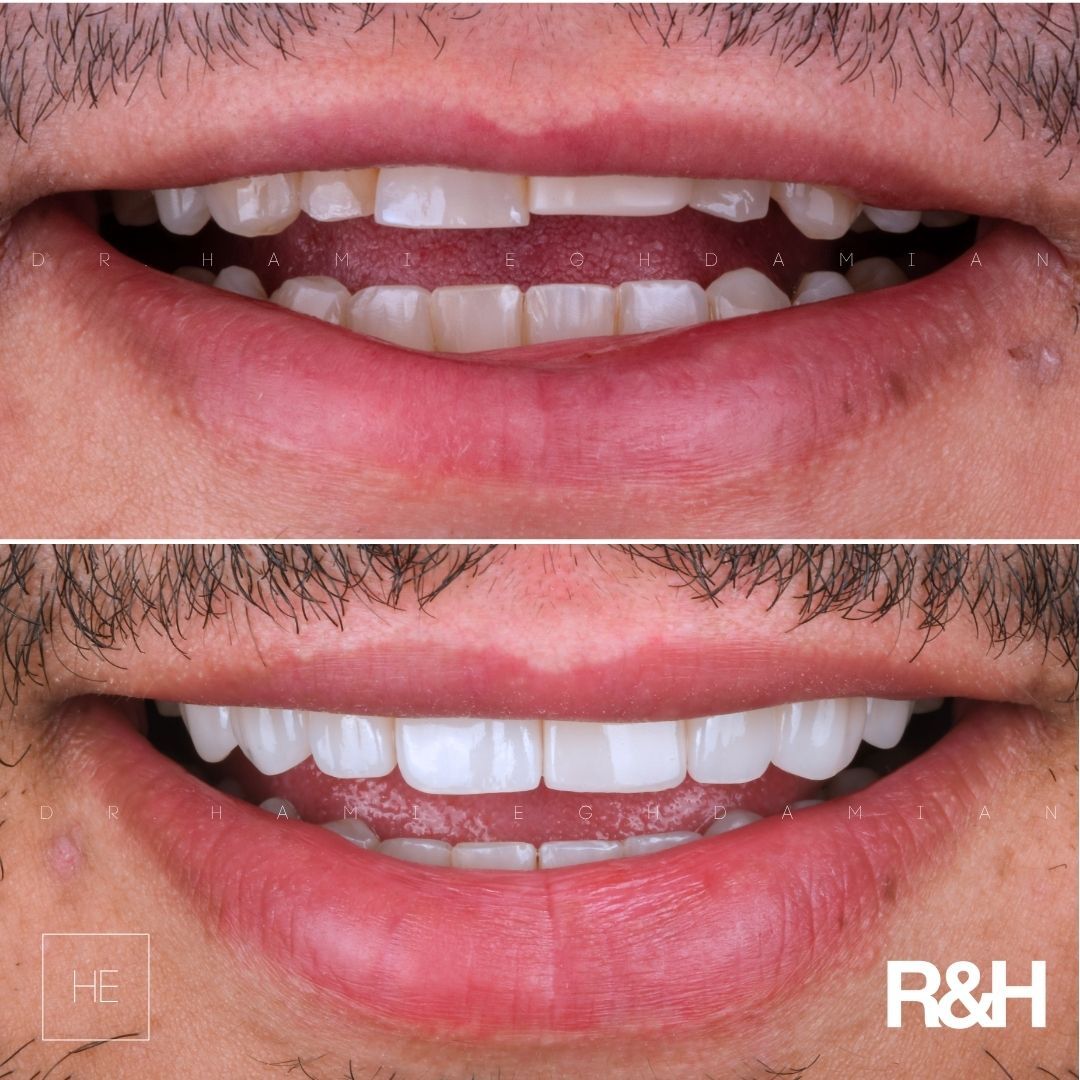
Your definitive, precision-engineered bridge is designed, fabricated and fitted — a stunning, permanent set of teeth
The definitive bridge
Once the implants have fully integrated (typically 4–6 months), we take precise digital impressions for your final bridge. This definitive prosthesis is a significant upgrade from the provisional — fabricated from premium materials (titanium framework with high-quality ceramic or zirconia teeth), it's designed for maximum aesthetics, strength, and longevity. Each tooth is individually characterised to look natural, with proper colour gradients, translucency, and surface texture.
Materials and options
We offer several material options for the final bridge, each with different advantages. Zirconia monolithic bridges offer exceptional strength and aesthetics. Titanium-framework bridges with individually layered ceramic teeth provide the most natural appearance. We'll discuss the pros and cons of each option and recommend the best choice for your specific case and budget.
“I want the planned teeth, surgery and maintenance to be considered together. Lip support, speaking, the bite and cleaning access all affect the design. Temporary restorations can help us evaluate parts of the plan before the definitive bridge is made.”
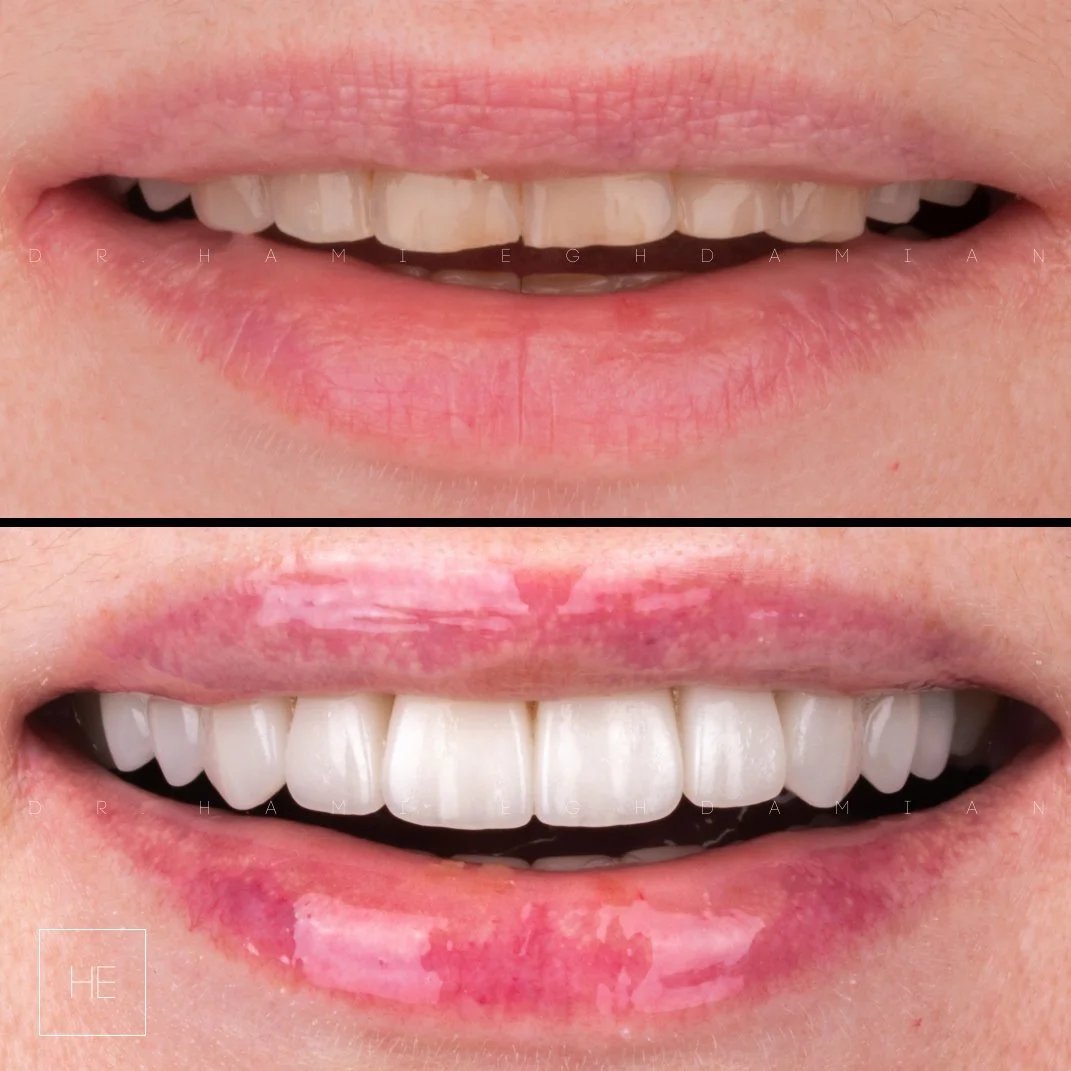
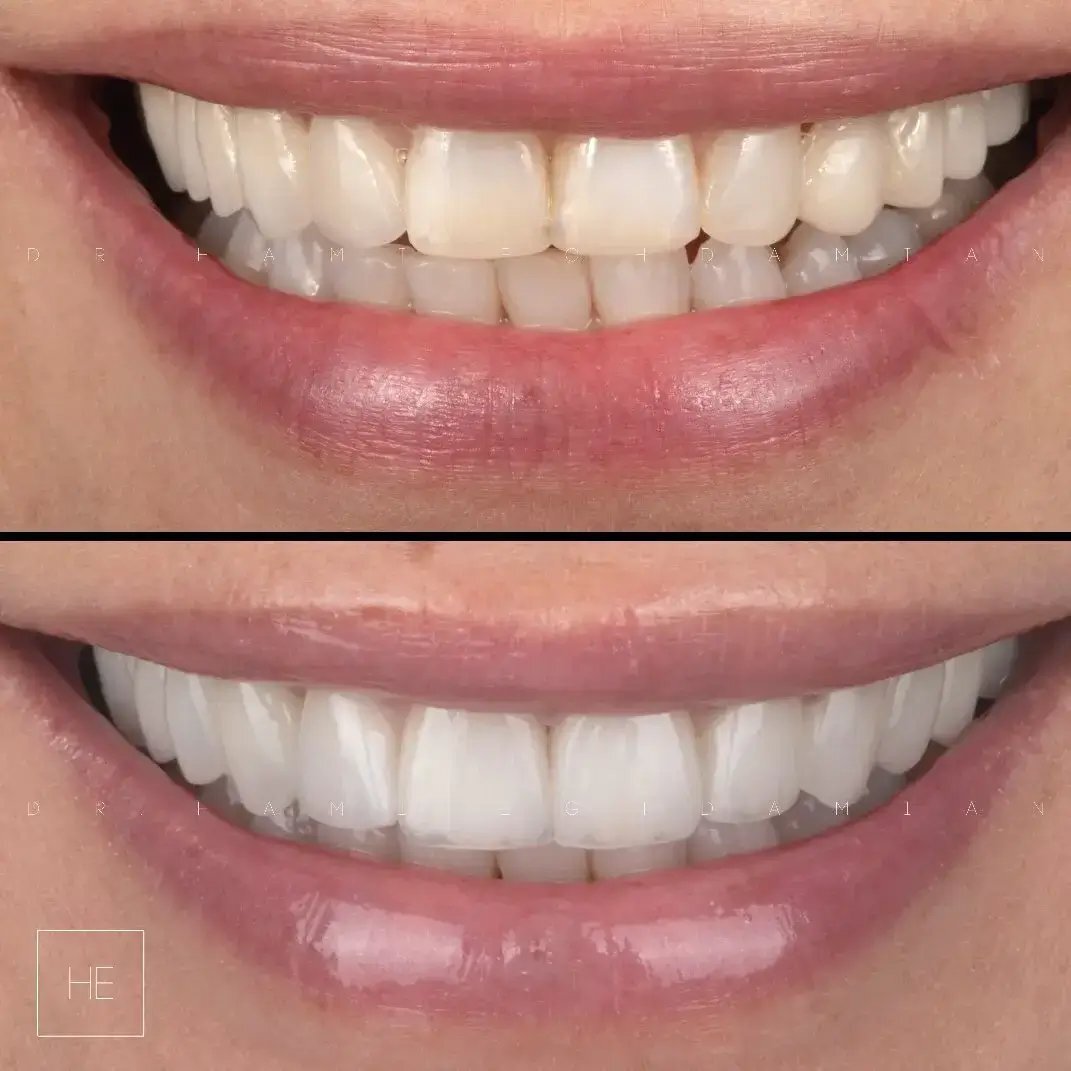
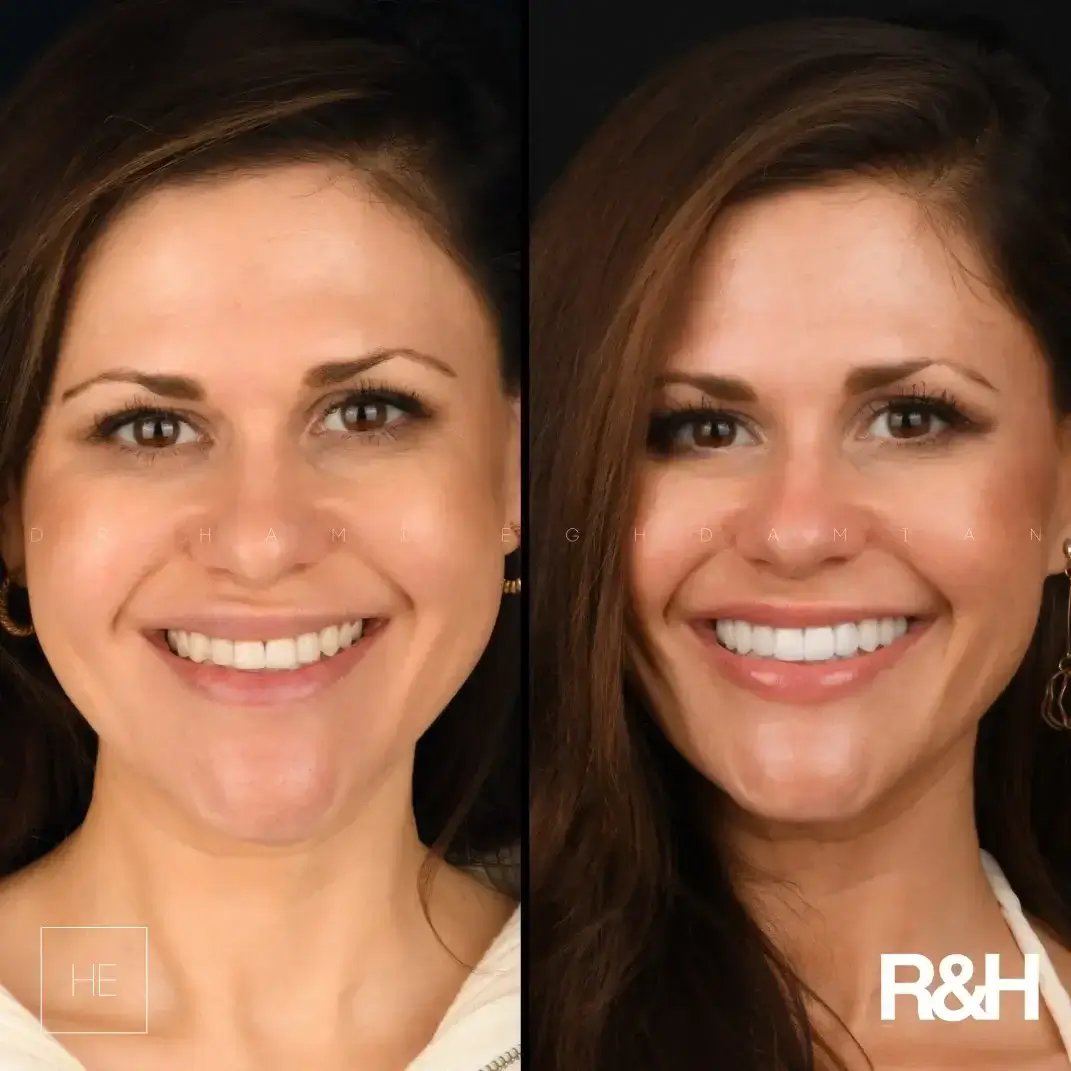
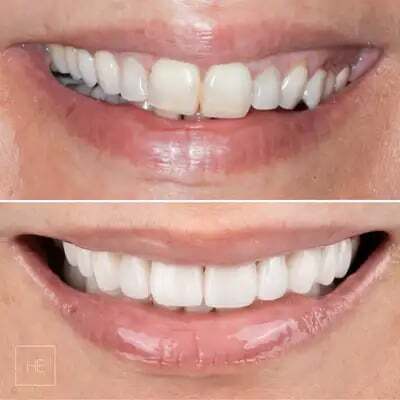
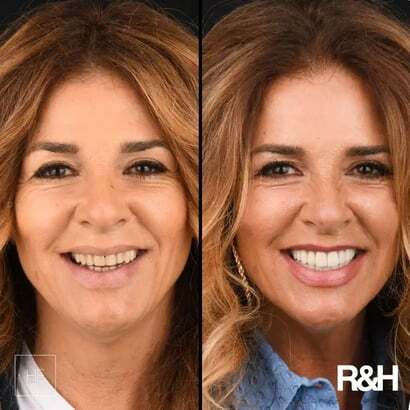
Full-Arch Transformations
Life-changing results for patients who chose All-on-4
“Consider cleaning, comfort, available bone, the bite and future repair needs as well as cost. A removable design can be appropriate for some patients and a fixed design for others. I explain the practical differences so the choice fits your circumstances.”
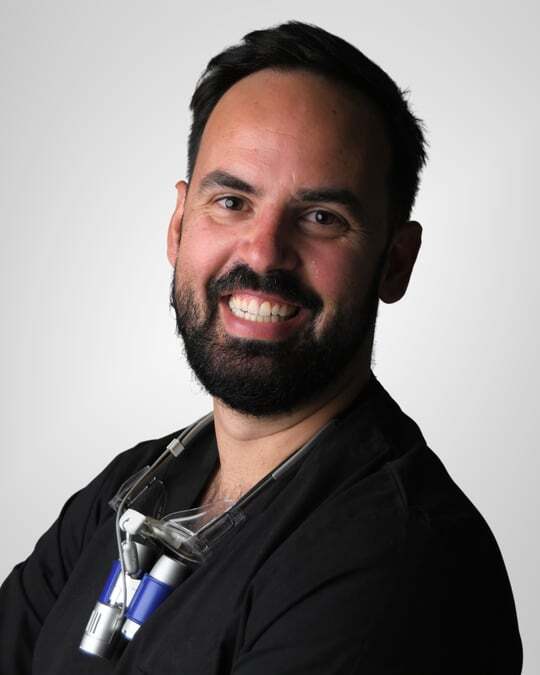
Dr. Miguel Romero
Implantologist & Full-Arch Specialist
Specialist Implantologist with a PhD from the United States
Full-arch implant cases at R&H Dental Marbella are led by experienced implantologists with specialist training in the All-on-4 and All-on-6 protocols. Our team combines meticulous surgical technique with advanced digital planning to deliver life-changing results for patients who have lost all or most of their teeth.
Our All-on-4 specialists have treated numerous complex full-arch cases, including patients with severe bone loss, failed previous dental work, and long-term denture wearers seeking a permanent solution. We use the latest guided surgery protocols, premium implant systems, and work with top-tier prosthetic laboratories to ensure every patient receives a restoration that looks natural, functions perfectly, and lasts for decades.
English-Speaking Dentists
From Finland, Denmark, NZ, Ireland, Portugal & Spain — 15-35 years experience
Transparent Pricing
Published prices, no hidden fees — what we quote is what you pay
Written Guarantee
All treatments backed by our published guarantee policy
1st Check Up Free
Book your first visit at no charge — no obligations
Accurate, Honest Diagnosis
No unnecessary treatments — only what you truly need
Trusted by 9,500+ Expats
Your neighbors have chosen us — 4.9★ from 450+ Genuine Google Reviews
Transparent Pricing
No hidden fees, no surprises. Financing available up to 60 months.
Prices depend on the implant system, crown type, and whether additional procedures (bone graft, sinus lift) are needed. A comprehensive quotation is provided after your 3D scan consultation. Financing available up to 60 months.
All-on-4 and All-on-6 in Marbella: your questions answered
01Understanding full-arch implant teeth
What is All-on-4 treatment?
All-on-4 is a way to support a fixed complete arch of replacement teeth on four implants. R&H assesses it for patients missing most or all teeth in an arch, or whose remaining teeth need a careful prognosis review.
What is the difference between All-on-4 and All-on-6?
The names refer to four or six supporting implants per treated arch. Both can support a fixed full-arch bridge; the choice depends on the planned restoration and clinical assessment, not a rule that four means removable and six means fixed.
Does one arch mean my whole mouth?
No. One arch means the upper or lower set of teeth. Treating both jaws involves two arches, so R&H’s plan and quotation should state clearly whether the proposal concerns the upper jaw, lower jaw or both.
Are All-on-4 teeth removable by the patient?
The fixed full-arch bridge described here stays in place for everyday use. It differs from an overdenture that a patient removes; ask the clinician to name the exact restoration in your plan so fixed and removable options are not confused.
Does each tooth in a fixed full-arch bridge have its own implant?
No. In a full-arch plan, several implants support a connected bridge replacing the teeth across that arch. R&H explains the implant positions and restoration design during planning, rather than replacing every missing tooth with a separate implant.
Is All-on-4 the same as a conventional denture?
No. The fixed bridge is supported by implants, while a conventional removable denture follows a different design. R&H’s consultation should compare suitable alternatives, including how they are supported, removed for care and maintained over time.
Can full-arch treatment be used in only one jaw?
Yes, a plan may involve the upper or lower arch alone. The other arch still matters to bite planning, so R&H assesses how the replacement teeth will meet the existing teeth or restoration on the opposite side.
Does All-on-4 mean final teeth in one day?
No. Same-day descriptions refer to provisional teeth for suitable patients, not completion of every treatment stage. The definitive bridge follows assessment of healing and the restorative plan; immediate temporary loading is not appropriate for everyone.
Who assesses All-on-4 and All-on-6 cases at R&H Marbella?
R&H’s published full-arch page identifies Dr Romero for All-on-4 and All-on-6 consultations. Ask who will lead surgery, restoration and follow-up in your case so you understand the responsibilities across the complete treatment sequence.
How should I compare full-arch clinics in Marbella?
Compare the clinician’s relevant experience, diagnostic plan, alternatives, provisional and final teeth, written costs and maintenance. R&H’s assessment should explain the proposed arch or arches and what happens if the original immediate-teeth plan needs to change.
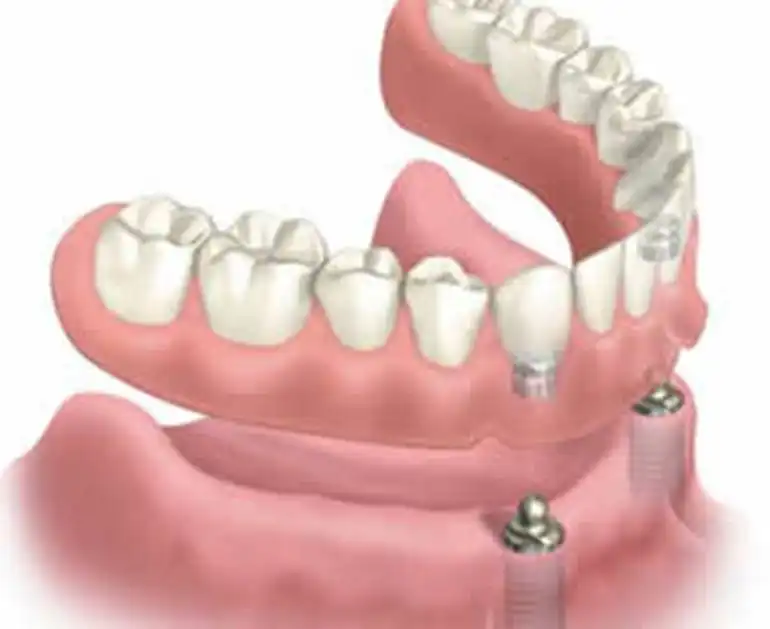
Are implant supported dentures the same as fixed teeth?
“Some implant-supported restorations are removable by the patient; others are fixed and removed by the clinician when necessary. Both can replace several missing teeth. We should discuss comfort, cleaning, available space and repair needs so you understand which design is being proposed.”
02Suitability and alternatives
Who may be suitable for full-arch dental implants?
R&H considers patients with most or all teeth missing and selected cases with failing remaining teeth. Suitability depends on the examination, available bone, oral condition and overall treatment needs; it cannot be confirmed from the number of missing teeth alone.
Must all remaining teeth be removed?
That decision requires an individual prognosis assessment. Ask R&H which teeth can be maintained, why extraction is proposed for any others and how a tooth-preserving alternative compares before agreeing to a complete-arch replacement plan.
Can a long-term denture wearer be assessed?
Yes. R&H’s full-arch information includes long-term denture wearers among patients considered for assessment. Existing dentures, available bone and the desired change need review so the plan reflects your current anatomy and practical expectations.
Does bone loss automatically rule out treatment?
Not automatically, but it changes the assessment. R&H uses three-dimensional planning to examine the available anatomy and whether an appropriate implant approach is possible; severe bone loss should not be treated as either automatic eligibility or automatic exclusion.
Does All-on-4 always avoid bone grafting?
No. Angled implant planning can make use of available bone in suitable cases, but R&H confirms the options after assessment and imaging. Ask whether grafting is proposed, why it is needed and how it changes the treatment sequence.
Is All-on-6 always better than All-on-4?
Not necessarily. More implants are not a substitute for a suitable overall design. R&H’s assessment considers anatomy, implant positions and the planned bridge so the recommendation explains why four, six or another option is appropriate for your case.
Should gum disease be addressed before implants?
Active gum disease needs assessment and control within implant planning. R&H reviews the gums and overall oral condition before full-arch treatment, including what care the remaining teeth and tissues need before surgery is considered.
Why does the implant team need my medical history?
Full-arch treatment includes surgery and healing, so the assessment needs your health history and current medication list. Bring accurate details and ask R&H whether any additional medical information is needed before the treatment plan can be confirmed.
Can I be assessed after previous dental work has failed?
R&H’s full-arch page includes complex cases with failed previous work. Bring the available records and explain what happened; the assessment should identify the current problems and why a proposed new approach would address them.
What alternatives should I understand before choosing fixed full-arch teeth?
Ask about maintaining treatable teeth, appropriate removable replacements and other implant-supported designs. R&H’s consultation should explain which alternatives are realistic for your anatomy and priorities, including the differences in surgery, daily care, stability and total treatment scope.
Must all remaining teeth be removed for full arch treatment?
“Healthy or maintainable teeth should not be removed simply to fit a standard full-arch package. I assess the outlook for each tooth and the overall plan. Sometimes retaining teeth is reasonable; sometimes extensive damage makes replacement more appropriate. That decision needs a clear explanation.”
03Assessment, scans and the written plan
What happens at an All-on-4 consultation in Marbella?
R&H describes a clinical review of teeth, gums, bite and bone, supported by three-dimensional imaging and digital planning. The aim is to establish suitable options, the restoration design, timing and a written cost breakdown before surgery.
Why is a CBCT scan used in planning?
R&H’s full-arch process uses a three-dimensional scan to assess bone and anatomical relationships relevant to implant placement. Ask the clinician to explain what the images show in your case and how those findings influence the proposed positions.
What does digital implant planning add?
It allows R&H to plan implant positions in relation to the available anatomy and proposed teeth before surgery. The plan helps organise a complex treatment, but it does not replace clinical judgement or guarantee that no changes will be needed.
What is guided implant surgery?
R&H describes using surgical guides in its full-arch planning workflow. A guide helps transfer planned positions to surgery; ask whether one is proposed for your case and how the surgeon will respond if the clinical findings require adjustment.
Why are some implants angled?
R&H’s source describes angling posterior implants to make use of available bone and account for nearby anatomical structures. Whether that approach is appropriate depends on your scan and the bridge design, rather than being a universal placement pattern.
Will the appearance of the final teeth be discussed before surgery?
It should be part of the restoration plan. R&H describes digital smile planning alongside implant assessment, so ask how tooth position, visible smile, proportions and the transition to the gums will be considered before the surgical stage.
How does the opposite jaw affect full-arch implant planning?
The replacement bridge needs to be considered with the teeth or prosthesis it will meet. R&H reviews the bite during assessment, so the condition of the other arch matters even when only one jaw is being treated.
Can I get a final plan from photographs alone?
Photographs and old records may help orient a conversation, but full-arch planning needs clinical and anatomical assessment. R&H’s published process includes examination and three-dimensional records before confirming implant positions, restoration scope and the definitive quotation.
What should my written plan say about temporary and final teeth?
It should identify both stages separately, including the proposed bridge type, whether immediate provisional fitting is conditional and when the final restoration will be considered. Ask R&H what alternative is planned if immediate fixed teeth are unsuitable.
What should I bring to a full-arch consultation?
Bring relevant dental records, information about previous implants or dentures, your medication list and the concerns that matter most to you. Share travel constraints early so R&H can discuss whether the required stages fit your availability.
04Surgery and provisional teeth
What happens on the day of full-arch implant surgery?
The agreed procedure may include extraction of teeth that cannot be maintained, implant placement and a provisional restoration if the conditions allow. R&H should explain your exact sequence beforehand, including the fallback plan if immediate fixed loading is unsuitable.
Is local anaesthetic used for full-arch surgery?
R&H’s published process describes local anaesthesia and discussion of conscious sedation where appropriate. Confirm the comfort plan with the treating team, including any preparation and aftercare instructions that apply to the option actually arranged for you.
Can I discuss sedation if I am anxious?
Yes. Tell R&H about your anxiety and previous dental experiences during planning. The published service mentions conscious sedation, but suitability and arrangements need confirmation; ask what it involves and how it changes preparation and recovery instructions.
How long does full-arch surgery take?
R&H publishes an approximate surgical duration per arch, but actual timing depends on the agreed procedures and complexity. Ask for the expected whole appointment, including preparation and the provisional stage, rather than treating an estimate as a guarantee.
Will I definitely leave with fixed teeth that day?
No. Immediate fixed provisional teeth depend on patient selection and sufficient implant stability. Ask R&H to explain the alternative temporary arrangement before surgery so you understand what happens if the required conditions are not achieved.
What are provisional full-arch teeth?
They are a temporary bridge used during the healing and planning period when appropriate. R&H distinguishes this restoration from the final bridge; it provides an interim smile but comes with specific care and eating instructions while treatment continues.
Can the provisional teeth be used like final teeth immediately?
No. R&H’s recovery guidance recommends a softer diet and staged progression while implants heal. A fixed provisional bridge should not be interpreted as permission for unrestricted chewing; follow the instructions given for your own restoration and healing stage.
What is the fallback if immediate fixed teeth are unsuitable?
The appropriate temporary solution must be agreed with the implant team as part of your plan. Ask how you will manage appearance and function while healing continues, rather than discovering after surgery that the same-day proposal was conditional.
Can both arches be treated on the same day?
That is an individual planning decision, not an assumption attached to the All-on-4 name. R&H should explain whether your two-arch case is staged or combined, considering the surgical and restorative sequence and the support you will need afterwards.
What instructions should I have before going home?
Ask for written guidance on the planned recovery, diet, cleaning, prescribed medication and contact arrangements. R&H’s full-arch process includes monitoring, so you should also know your first review date and which concerns need earlier contact.
Can I have fixed teeth on the day of surgery?
“Some patients can receive a fixed provisional restoration soon after implant placement. That depends on factors including implant stability and how the bite can be controlled. A provisional is part of a healing plan; it should not be confused with a guarantee of immediate final teeth.”
05Healing and the definitive bridge
What is osseointegration?
It is the healing process in which bone forms a connection with the implant surface. R&H allows a monitored healing period before completing the definitive restoration, so the final stage depends on clinical progress rather than the calendar alone.
How long before my final implant-supported bridge is fitted?
R&H describes a healing period measured in months, followed by records and fabrication for the definitive bridge. Your clinician should confirm the expected sequence and review progress; a published range is not a fixed completion date for every patient.
Why are review visits needed during healing?
R&H uses reviews to monitor healing and the temporary restoration before progressing to final teeth. These appointments help the team assess how the plan is developing and update your instructions rather than assuming the initial timetable remains appropriate.
What should I eat while the implants heal?
Follow R&H’s case-specific soft-food guidance and the progression advised at reviews. The published page describes a gradual return to firmer foods, but the appropriate pace depends on the provisional restoration and your healing progress.
When can I return to firmer foods?
The implant team should guide that change after reviewing healing and the provisional bridge. R&H’s published timelines are orientation, not permission to advance your diet independently; ask specifically which foods and chewing loads are appropriate at your stage.
How is the final bridge different from the provisional?
The final bridge is made as the planned long-term restoration after the healing stage, with its definitive materials and detailed fit. R&H treats it as a separate prosthetic stage, so the quotation should distinguish what each restoration includes.
What final bridge materials does R&H discuss?
R&H’s page describes options including zirconia and titanium-framework restorations with ceramic teeth. Ask which material and construction are proposed for you, why they suit the plan and what maintenance or repair implications should be considered.
Can the final teeth be designed to look natural?
R&H describes planning tooth shape, colour and individual ceramic detail for the final bridge. The discussion should also consider tooth display and the wider smile, so ask how the provisional experience will inform the definitive design.
Can I give feedback about the temporary teeth before the final bridge?
Yes. Explain concerns about appearance, speech or comfort during the provisional period. R&H’s staged process separates temporary and definitive restorations, giving the team information to consider when the final bridge is designed and assessed.
What if healing does not follow the expected schedule?
The team needs to reassess and explain any change to the plan. Ask how that could affect provisional care, further appointments and costs; the final bridge should follow clinical readiness rather than being fitted simply to meet a travel deadline.
06Maintenance, costs and travel planning
Do fixed full-arch teeth still need daily cleaning?
Yes. The implants, surrounding tissues and bridge need ongoing care. Ask R&H to demonstrate cleaning for the exact design, including access around and beneath the restoration, and provide instructions you can realistically follow at home.
How often will professional maintenance be needed?
R&H’s published page specifies regular maintenance and more frequent care for periodontal patients. Confirm the schedule for your case and the current written guarantee conditions, rather than assuming the bridge removes the need for continuing dental visits.
What if the gums around the implants bleed?
Contact the clinic for assessment rather than waiting for the next routine review. Bleeding, swelling or a persistent bad taste can indicate a problem around implants; early assessment helps establish the cause and appropriate care.
What if the bridge feels loose?
Contact R&H promptly and describe the movement or change in bite. The bridge and implant components need professional assessment; do not try to tighten or repair the restoration yourself or assume the sensation is a normal adjustment.
Are implants and the bridge guaranteed to last for life?
No clinical outcome is certain for life. R&H has a written guarantee framework, but the implant, bridge and maintenance responsibilities should be distinguished; read the current terms rather than interpreting a policy label as freedom from future care or repairs.
How much does All-on-4 cost at R&H Dental Marbella?
R&H publishes starting figures for different arch and restoration stages. Request a current written quotation after assessment, clearly stating one arch or both, provisional and definitive teeth, implant numbers and any additional procedures included in the total.
Why can two implant quotations be different?
“Two quotations may cover different treatment. One may include a temporary tooth, another only the surgery. The materials, number of visits and complexity may also differ. I would compare an itemised plan and the proposed outcome before deciding whether one price represents better value.”
Is finance available for full-arch treatment?
R&H’s published service mentions financing, subject to current arrangements and eligibility. Ask for written terms once the complete treatment scope is clear, and compare the total repayment as well as monthly instalments and any costs outside the financed plan.
Can I travel to Marbella for All-on-4 treatment?
Travel planning must allow for assessment, surgery, healing reviews and the definitive restoration stage. Agree the required visits and contingency arrangements with R&H before booking; temporary teeth on a surgery day do not mean the full treatment is finished.
What should I confirm before accepting an All-on-4 or All-on-6 plan?
Confirm why the approach is suitable, which teeth are retained or removed, the arch or arches treated, temporary alternatives, final bridge, full costs and maintenance. Ask R&H to explain unresolved decisions so you can consent to a defined treatment sequence.
What ongoing care do implant retained dentures need?
“The denture, attachments and supporting tissues all need review. Removable parts must be cleaned as instructed, and components may need maintenance over time. Before treatment, I want you to understand both the home-care routine and the arrangements for professional follow-up.”
Book a Free All-on-4/6 Consultation
15-35 years
Experience per dentist (no junior dentists)

9,500+
Happy patients treated

8
English-speaking dentists & specialists

4.9/5
Google rating (450+ Genuine Google Reviews)

Ready to Say Goodbye to Dentures?
4.9/5 Star Rating | 9,500+ Happy Patients | Free 3D Scan & Consultation