
dental examination in marbella
Dental Check Up Marbella
A thorough, honest dental examination by English-speaking dentists in Marbella's most reputable dental clinic
“A dental check-up is a review of your mouth and any changes in your health or symptoms. I examine the teeth and gums and discuss the findings with you. The outcome should be a clear understanding of what needs treatment, what can be monitored and what you can do at home.”
Your first dental check up in Marbella at R&H Dental is completely free. We provide a thorough, honest examination covering every aspect of your dental health — with clear explanations and transparent pricing for any treatment you may need. No surprises, no pressure, just expert care.
Benefits of a Dental Check Up
“Regular review lets us compare your mouth over time, rather than judge each visit in isolation. I look at the teeth, gums and existing restorations, then discuss any changes. The aim is to identify practical steps that help preserve comfort and function.”
How dental check ups can prevent fillings
What's Included in Your Check up?
A comprehensive 4-step examination that leaves nothing to chance.
Medical History Review
We begin every check up by reviewing your medical history and discussing any concerns or symptoms you may be experiencing
Why your medical history matters
Many general health conditions have a direct impact on your oral health. Diabetes, heart disease, certain medications, and even pregnancy can all affect your teeth and gums. By keeping your medical history up to date, we can tailor our examination and treatment recommendations to your individual circumstances, ensuring the safest and most effective care.
Understanding your concerns
Before we begin the clinical examination, your dentist will take the time to listen to any specific concerns you have — whether it's sensitivity, bleeding gums, cosmetic worries, or simply wanting reassurance that everything is healthy. This conversation guides the focus of the examination and ensures nothing is overlooked.
Comprehensive Oral Examination
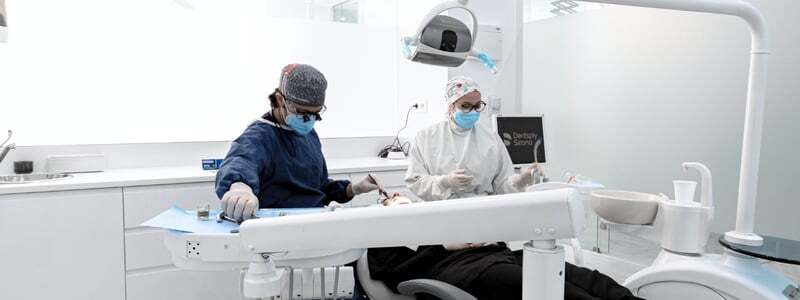
A thorough clinical examination of your teeth, gums, tongue, soft tissues, jaw joints and bite
What we check
Our dental check up goes far beyond simply looking for cavities. We perform a systematic examination that covers every aspect of your oral health.
-
Every tooth surface — checking for decay, cracks, wear, and existing restoration integrity
-
Gum health — probing for pockets, checking for bleeding, recession, and signs of periodontal disease
-
Oral cancer screening — systematic examination of tongue, floor of mouth, cheeks, palate, and throat
-
Jaw joint (TMJ) assessment — checking for clicking, pain, or restricted movement
-
Bite analysis — identifying any issues with how your teeth meet that could cause wear or discomfort
-
Existing dental work — assessing the condition of any fillings, crowns, bridges, or implants
Communication in English
All our dentists are fluent in English and will explain their findings clearly and thoroughly. We believe in transparent communication — you'll understand exactly what's happening with your oral health and why we're making specific recommendations. No jargon, no rush, and always time for your questions.
Digital X-Rays & Imaging
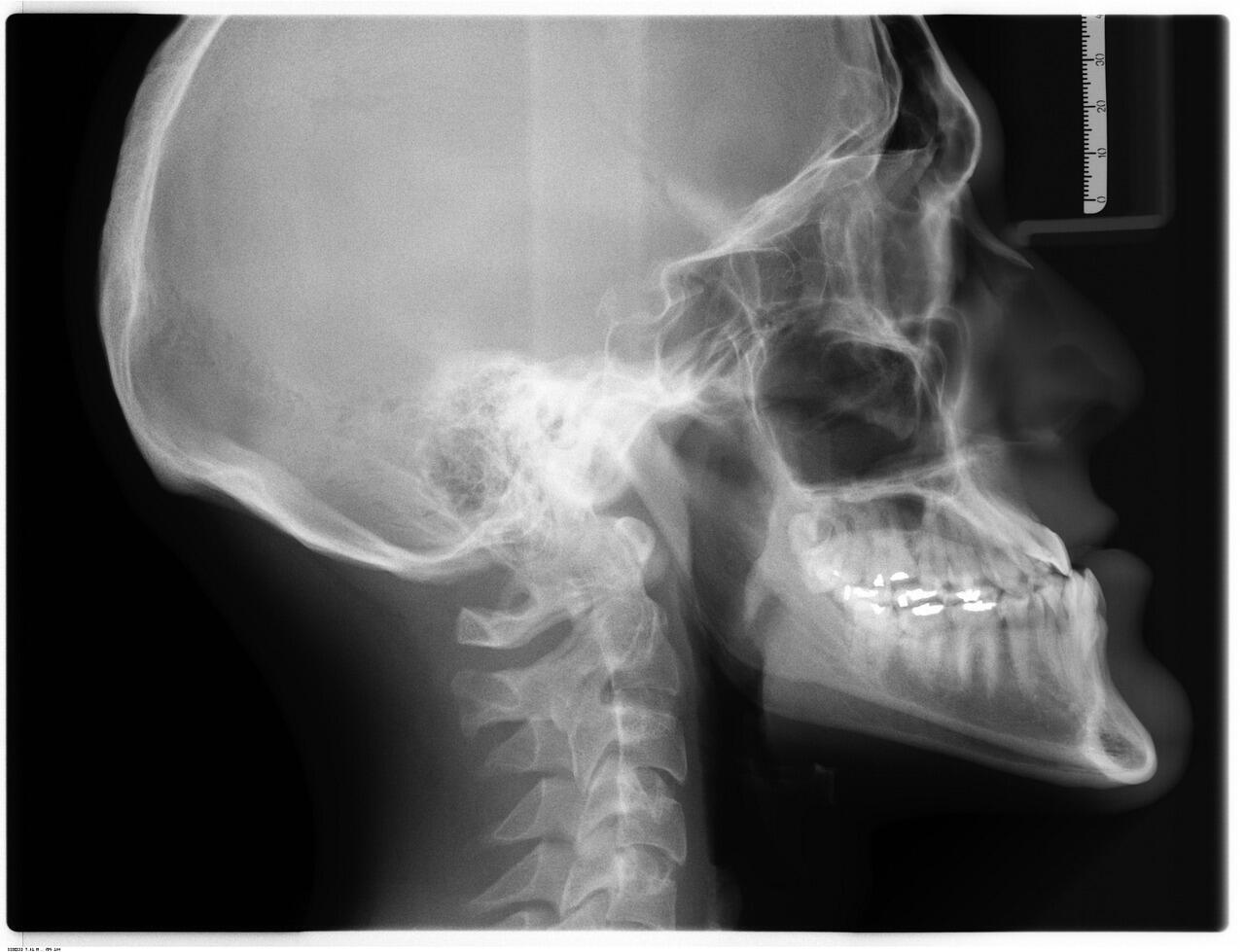
Low-radiation digital X-rays reveal what's hidden beneath the surface — early decay, bone loss, infections, and more
Why X-rays are essential
Many dental problems are invisible to the naked eye. Decay between teeth, infections at the root tip, bone loss around teeth, and even cysts can all develop silently without symptoms. Digital X-rays allow us to detect these issues early — when treatment is simpler, less invasive, and more affordable. Our digital X-ray system uses up to 90% less radiation than traditional film X-rays.
Types of X-rays we use
Depending on what's needed, we may take small intraoral X-rays that show individual teeth in detail, or a panoramic X-ray (OPG) that shows your entire jaw, all teeth, sinuses, and jaw joints in a single image. For complex cases, we also have access to 3D CBCT scanning, which provides detailed three-dimensional views essential for implant planning, wisdom tooth assessment, and complex root canal cases.
Diagnosis & Treatment Plan
We discuss our findings openly, show you images and X-rays, and create a personalised treatment plan with transparent pricing
Visual explanation of findings
We show you your X-rays and intraoral photographs on a large screen, pointing out any areas of concern and explaining what they mean in plain language. Many patients tell us they've never had a dentist take the time to show them what's actually going on in their mouth — this transparency is central to our philosophy at R&H Dental.
Prioritised treatment recommendations
If treatment is needed, we'll present a clear, prioritised plan. We categorise recommendations by urgency — what needs attention now, what should be monitored, and what's optional or cosmetic. Each recommendation comes with a transparent price, and we'll discuss financing options if the plan involves significant investment. You're never pressured — the decision is always yours.
“I want you to understand the finding before choosing a treatment. We can discuss the proposed steps, alternatives and likely consequences of waiting. Ask me to clarify anything that is unclear; consent is a conversation, and you should have time to consider the plan.”
English-Speaking Dentists
From Finland, Denmark, NZ, Ireland, Portugal & Spain — 15-35 years experience
Transparent Pricing
Published prices, no hidden fees — what we quote is what you pay
Written Guarantee
All treatments backed by our published guarantee policy
1st Check Up Free
Book your first visit at no charge — no obligations
Accurate, Honest Diagnosis
No unnecessary treatments — only what you truly need
Trusted by 9,500+ Expats
Your neighbors have chosen us — 4.9★ from 445+ reviews
Transparent Pricing
No hidden fees, no surprises. Financing available up to 60 months.
X-rays are included when treatment is carried out at R&H Dental. If no treatment is carried out, a 60€ imaging and administration fee applies.
Dental check-ups in Marbella: your questions answered
01Your first visit
What happens at a dental check-up in Marbella at R&H?
At R&H Dental in Marbella, we review your medical history and concerns, examine your mouth and use imaging when needed. We then explain the findings and priorities, so you can understand any proposed treatment before deciding.
Is the first dental check-up free?
R&H offers a patient's first dental check-up free. This does not make every consultation or treatment free: same-day emergency appointments and aesthetic consultations have separate fees. Confirm the appointment type when requesting your visit.
How long should I allow for a dental examination?
Our usual check-up takes around 30–40 minutes. Allow time to explain symptoms, review your health history and discuss findings. Additional investigations or treatment may need a separate appointment rather than being completed during the examination.
Is a cleaning included in my check-up?
The examination and professional cleaning are separate appointments at R&H. A check-up establishes your dental health and treatment needs; cleaning removes deposits. Tell reception if you want both so the appropriate time can be arranged.
Can I book a check-up if I have not seen a dentist for years?
Yes. Tell us about the gap in care and anything troubling you. The examination provides a starting point for a prioritised plan; a long absence does not by itself determine how much treatment you need.
What should I tell reception when arranging my first dental visit?
Explain whether this is your first visit, a routine review or a specific problem. Mention pain, swelling, anxiety and any access needs. This helps reception arrange the right appointment rather than treating every request as a routine examination.
Does submitting the online form confirm my appointment?
No. The form sends an appointment request, and reception confirms availability and the final arrangements. Wait for confirmation before planning around a particular time, and make clear if symptoms mean you need prompt assessment.
Can I have a dental examination in Marbella explained in English?
R&H provides English-speaking dental care. Tell reception your preferred language when arranging the visit and ask for any unfamiliar terms to be explained. Understanding the diagnosis, alternatives and costs is part of making an informed decision.
Can I request a second opinion?
Yes. Bring the existing treatment plan and relevant images if available, and explain which decision you want help with. Ask reception about the consultation and any new imaging fees before attending; a second opinion has its own scope.
Can I attend just for advice without starting treatment?
Yes. An examination can help you understand your situation and options. If treatment is recommended, we explain priorities and prices; attending the assessment does not commit you to accepting the proposed work that day.
Do I need a dental health check up if nothing hurts?
“Some dental problems develop without obvious pain. A check-up gives us a chance to identify changes and discuss prevention. It does not mean that every finding needs immediate treatment; I explain which concerns matter now and which are suitable for review.”
What should I tell my dentist in Marbella about my health?
“Bring an up-to-date medication list and explain relevant conditions, allergies and changes in your health. Tell me about dry mouth, sleep concerns or habits that affect your mouth. This information helps us discuss appropriate care and decide whether coordination with your doctor is useful.”
02What we examine
Is a routine dental check-up only about cavities?
No. We also assess gums, existing restorations, tooth wear, your bite, jaw joints and soft tissues. Looking at these together helps distinguish an isolated tooth problem from a wider issue affecting how your mouth functions.
How do you check existing fillings?
We look for changes such as cracks, worn edges, decay and problems with the surrounding tooth. Age alone does not mean a filling needs replacing; the decision depends on its condition and whether repair or monitoring is reasonable.
Will you examine my crowns and bridges?
Yes. Existing dental work is part of the examination, including its fit, accessible margins and surrounding tissues. Tell us if a crown feels loose or food catches around a bridge, even when there is no pain.
What does the gum assessment involve?
We check for bleeding, recession, inflammation and changes around the supporting tissues, with probing where appropriate. Findings are interpreted together; one pocket measurement alone does not establish the extent of gum disease or the treatment required.
Why do you look at my tongue and cheeks?
The tongue, cheeks, palate and other soft tissues can show changes unrelated to cavities. Examining them helps identify lesions that need observation or investigation. Tell us about soreness or an area that repeatedly changes or does not heal.
Does an oral cancer check give an all-clear guarantee?
No. Soft-tissue examination can identify concerning changes, but it cannot exclude every oral cancer. A suspicious or persistent lesion may require follow-up, referral or further tests, even if the rest of your dental examination is reassuring.
Why is my bite checked?
How your teeth meet can help explain uneven wear, discomfort or stress on dental work. We assess the bite alongside the teeth and joints; noticing a contact difference does not automatically mean you need orthodontics or bite adjustment.
Can a check-up identify signs of grinding?
It may reveal wear patterns, damaged restorations or other findings worth exploring. These are considered with your symptoms and history. Tooth wear alone does not prove active grinding or automatically mean that a night guard is necessary.
Should I mention jaw clicking during my examination?
Yes, especially if it comes with pain, stiffness or restricted opening. Jaw-joint assessment is part of the published check-up process. Describe when it happens and whether it affects eating so the dentist can decide whether further assessment is needed.
Can dental implants be reviewed at a check-up?
Existing implants and their surrounding tissues can be assessed as part of reviewing your dental work. Bring details of treatment performed elsewhere if available. Any implant-specific maintenance or investigation should then be planned according to the findings.
Why do you compare current findings with previous visits?
“A single measurement or photograph may not show the direction of change. Previous records help us understand whether a finding is stable or developing. That comparison can support a more considered decision about treatment, review intervals and the advice most relevant to you.”
03Imaging and hidden problems
Why might I need an X-ray if the tooth looks healthy?
Some problems between teeth, around roots or within supporting bone cannot be assessed fully by looking in the mouth. An indicated X-ray adds information to the examination; its purpose should be explained before it is taken.
Are X-rays taken at every check-up?
No. Imaging should answer a clinical question and reflect your examination, risk and previous images. It is not automatically repeated at each visit simply because a certain number of months has passed since the last examination.
What is an intraoral dental X-ray?
It is a small X-ray taken to show selected teeth and nearby structures in detail. The dentist chooses the view for the question being investigated, such as suspected decay or a concern around a particular root.
What is a panoramic X-ray used for?
A panoramic image gives a wider overview of teeth and jaws. It may help with particular planning questions, but it does not replace every detailed tooth image. Your dentist selects imaging according to what needs to be assessed.
Will a routine dental examination require a 3D scan?
Usually a routine examination does not require CBCT. Three-dimensional imaging is considered for selected questions where it can change management, such as complex anatomy. It should not be assumed necessary for every check-up or every treatment plan.
Can previous X-rays help avoid unnecessary new ones?
Yes, relevant recent images may help the dentist decide what additional information is needed. Tell us where they were taken and bring available copies. Their usefulness depends on image quality, coverage and changes in your dental condition.
Are digital X-rays completely free of radiation?
No. Digital dental X-rays still use ionising radiation. We select examinations according to diagnostic need; the dose depends on the equipment and technique. Digital imaging does not justify taking a scan without a relevant clinical reason.
Are clinically needed images included in R&H's dental check-up price?
X-rays are included when treatment is carried out at R&H Dental. If no treatment is carried out, a 60€ imaging and administration fee applies.
Can you show me what you see on my images?
Yes. Our check-up process includes explaining X-rays and intraoral photographs on screen. Ask the dentist to point out the area of concern and relate it to your symptoms, the proposed treatment and any reasonable alternatives.
Can an examination rule out every hidden problem?
No single examination or image detects every possible condition. Findings must be considered alongside symptoms and previous history. If discomfort persists after a reassuring check-up, report it so the dentist can reassess rather than assuming nothing can be wrong.
Will I need X rays at every check up?
“X-rays should answer a clinical question, not be taken automatically at every visit. I consider your symptoms, examination and previous images before recommending new ones. If an image is needed, I explain what information it could add to the assessment.”
04Personal risks and concerns
Why have a check-up when nothing hurts?
Decay and gum problems can develop without noticeable pain. Examination may identify changes early enough for monitoring or simpler care. Feeling comfortable is welcome, but it does not provide the same information as a professional assessment of your mouth.
Should bleeding gums wait until my next routine appointment?
Tell the clinic about recurring bleeding rather than waiting silently for the next review. It can reflect inflammation and needs assessment. The dentist can decide whether routine hygiene care or a separate periodontal evaluation is appropriate.
Can a check-up investigate bad breath?
Yes. We can look for oral contributors such as deposits, gum inflammation and untreated dental problems. An examination helps direct care, but it cannot promise to eliminate every cause of bad breath with dental treatment alone.
What should I describe about sensitive teeth?
Explain which teeth react, the trigger and whether the sensation stops quickly or lingers. Sensitivity can have different explanations. This detail helps the dentist focus the examination instead of assuming that every sensitive tooth has a cavity.
Why do you ask about my medical history?
Health conditions, medicines, allergies and pregnancy can affect assessment and treatment planning. An updated history helps us choose appropriate precautions. Bring an accurate medication list and tell us about changes since your previous dental visit.
Should I tell you that I have diabetes?
Yes. Diabetes is relevant to oral-health assessment and gum care. Tell us about your diagnosis, medicines and any recent changes in health so your dental recommendations and follow-up can reflect your individual circumstances.
Can medicines affect what you recommend?
Yes. Medicines and medical treatments may change the precautions or timing needed for dental care. Give the dentist your current list, including non-prescription products. Do not stop or alter prescribed medication yourself to prepare for a check-up.
Should I mention pregnancy before a dental examination?
Yes. Tell the team that you are pregnant or might be pregnant so the examination and any proposed imaging or treatment can be planned appropriately. Do not assume that a dental problem must remain unassessed until after delivery.
How can you help if I am anxious about my first dental visit?
Tell us before attending so we can explain the sequence and agree how you will request a pause. Starting with your concerns helps make the visit more predictable. Speak up during the examination if you need us to stop.
Can I discuss appearance concerns at a routine check-up?
Yes, mention concerns about colour, shape or alignment so we understand your priorities. The routine examination first establishes oral health; detailed cosmetic planning may need a separate aesthetic consultation with its own time and fee.
Why are my teeth sensitive to cold?
“Sensitivity to cold can arise from different causes, including exposed dentine, decay or a restoration that needs review. I ask which tooth is affected and how long the sensation lasts. Those details, together with an examination, help us decide what to investigate.”
Can toothpaste help sensitive teeth?
“A suitable desensitising toothpaste can help some types of sensitivity when used as advised. Persistent or worsening symptoms still need assessment. I would first want to know whether the problem is localised to one tooth and whether another dental cause needs treatment.”
05Understanding your findings
What happens if you find a dental problem?
We explain the finding, its significance and the available options. The treatment plan separates needs by priority and includes pricing. Ask what could happen if you monitor or postpone a problem so you can make an informed decision.
How do you decide what needs treatment first?
Priority depends on the diagnosis, symptoms, risk of deterioration and how different treatments relate to one another. We distinguish urgent care, problems suitable for monitoring and optional improvements, rather than assuming everything must be done at once.
Does every early sign of decay need a filling?
No. Some early lesions without a cavity may be managed with prevention and monitoring; others need restoration. We assess the lesion and your risk rather than deciding from colour alone, then explain what follow-up is needed.
What does it mean when you recommend monitoring a tooth?
It means the current findings support observation rather than immediate treatment. Ask what change is being watched, what you can do at home and when it will be reassessed. Monitoring is an active plan, not a reason to ignore symptoms.
Can you explain alternatives to a proposed treatment?
Yes. Ask why a particular option suits the tooth and what alternatives may achieve. The comparison should include the amount of treatment, risks, maintenance and cost, helping you understand the recommendation rather than simply accepting a procedure name.
Will I receive prices before deciding on treatment?
R&H's check-up process includes a treatment plan with transparent pricing when work is recommended. Ask which items are included and whether additional investigations could change the estimate. The examination fee and subsequent treatment costs are separate matters.
Can treatment be planned in stages?
Discuss your priorities, availability and budget when reviewing the plan. Some care may be staged, while other problems need earlier attention or a particular sequence. The dentist can explain a clinically reasonable order and the implications of delays.
Could I need a different type of appointment after the check-up?
Yes. Findings may lead to hygiene care, restorative treatment or a more focused assessment of gums, roots or other concerns. The check-up helps identify the appropriate next step; it does not mean every investigation is completed in one visit.
Can I ask for the reasoning behind an X-ray or treatment?
Absolutely. Ask what question the test answers or what problem the treatment addresses. The dentist should relate recommendations to your examination and explain relevant alternatives. Clear explanations are part of R&H's published approach to treatment planning.
What should I clarify before leaving the examination?
Make sure you understand the findings, any priorities, estimated costs and when to return. If something is being monitored, ask what symptoms should prompt earlier contact. Knowing the next step is more useful than leaving with an unexplained list of procedures.
06Ongoing preventive care
How often should I have a routine dental check-up?
The interval is individual, based on oral health and future risk. Six months may suit some patients, while others need a different schedule. Ask your dentist for a recall plan rather than assuming everyone needs the same frequency.
Why might my next check-up be sooner than my partner's?
People differ in decay risk, gum condition, existing dental work and medical circumstances. Your dentist uses your findings to set the interval. A shorter recall is intended to monitor your needs, not a judgement about someone else's care.
Do children need reviews while they still have baby teeth?
Yes. Baby teeth contribute to eating and development, and their condition matters before permanent teeth arrive. Reviews allow assessment of decay, hygiene and bite development. Child-specific advice and appointments can be arranged through R&H's children's dentistry care.
What do returning patients pay for dental check-ups in Marbella at R&H?
The verified clinic guidance lists subsequent six-month reviews at 60€ for adults and 40€ for children aged 12 or under. Confirm your appointment's scope with reception; treatment and differently scoped consultations are not covered simply by attending a review.
Will you give advice tailored to my home care?
Yes. Prevention advice can reflect your gum condition, decay risk and areas that are difficult to clean. Tell us which parts of your routine are challenging so the recommendations are practical rather than simply repeating general brushing advice.
Can I reduce my chance of needing larger treatment?
Regular assessment, appropriate home care and addressing identified problems can help limit progression. Early detection may permit a more conservative approach, but it cannot guarantee that you will never need a large filling, root canal or extraction.
Should I wait for my booked review if symptoms change?
No. Report new or worsening symptoms so the clinic can reconsider the timing and appointment type. A scheduled routine review is not a reason to leave a developing dental problem unassessed until that date arrives.
Is a same-day emergency visit covered by the free first check-up?
No. R&H's verified guidance distinguishes the free first dental check-up from a same-day emergency appointment, listed at 99€. Any dental treatment is additional. Tell reception your symptoms so the request is handled under the appropriate appointment type.
Will regular check-ups guarantee that my dental work lasts?
No. Reviews can identify changes and help maintain dental work, but longevity also depends on the tooth, restoration, bite and daily care. Any written guarantee has its own conditions and should not be confused with a promise of lifelong function.
Can check-ups help me plan dental care while living between countries?
Yes. Explain your travel pattern when discussing recall and any treatment priorities. An agreed timetable can make continuity easier, particularly if different dentists are involved. Keep relevant treatment information available and report changes rather than waiting until your next Marbella visit.
How often should I see a dentist in Marbella?
“The interval between visits should reflect your oral health and risk of future problems. Someone with active disease may need a different schedule from someone whose mouth is stable. We agree a review interval after assessment and adjust it if your needs change.”
Does prevention mean never needing treatment?
“Prevention reduces risk, but it cannot remove every possibility of dental disease or damage. Regular assessment helps us respond when circumstances change. Medicines, health conditions and previous restorations can all affect the plan, so prevention should develop with your needs.”
Book a Dental Check up
15-35 years
Experience per dentist (no junior dentists)

9,500+
Happy patients treated

8
English-speaking dentists & specialists

4.9/5
Google rating (445+ genuine reviews)
Time for Your Check up?
4.9/5 Star Rating | 9,500+ Happy Patients | By Dentists with 15-35 years of Experience