
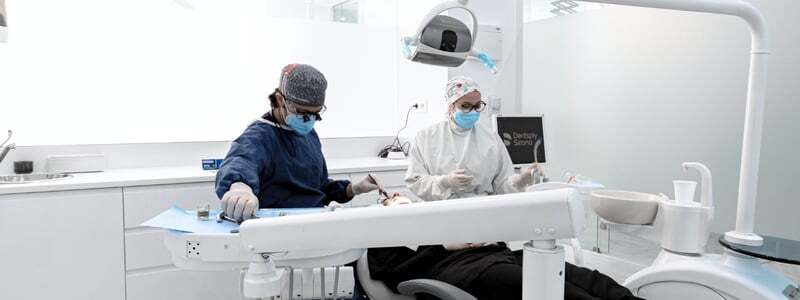

Restorative Dentistry

Crowns & Bridges in Marbella

Premium porcelain crowns and bridges that look, feel, and function like natural teeth

Premium porcelain and zirconia restorations
Handcrafted to look natural
Protects weakened or damaged teeth
Replaces missing teeth with confidence
Dr. Hami Eghdamian, a cosmetic dentist and managing director at R&H Dental Marbella, explains:

“A dental crown may be appropriate when a tooth needs protection or substantial restoration. The decision depends on the remaining structure and clinical findings. I also consider whether a less extensive restoration could work, because covering a tooth should have a clear justification.”

Our crowns and bridges are made to restore not only strength and function, but also natural appearance. Whether a tooth is cracked, heavily filled, root-treated, or missing, we build the restoration around long-term durability and aesthetics. 

Benefits

 Well-made crowns and bridges protect vulnerable teeth and restore comfortable function with a natural finish. 

1
Protects weakened and root-treated teeth
2
Restores chewing strength and comfort
3
Replaces missing teeth without a removable appliance
4
Matches surrounding teeth more naturally
5
Helps maintain bite stability
Dr. Hami Eghdamian, a cosmetic dentist and managing director at R&H Dental Marbella, explains:

“Material choice depends on the restoration's location, available space, bite and appearance requirements. There is no single ceramic that answers every situation equally well. I explain the reason for the proposed material and how it fits the design and clinical conditions.”

What Are Dental Crowns and Bridges?

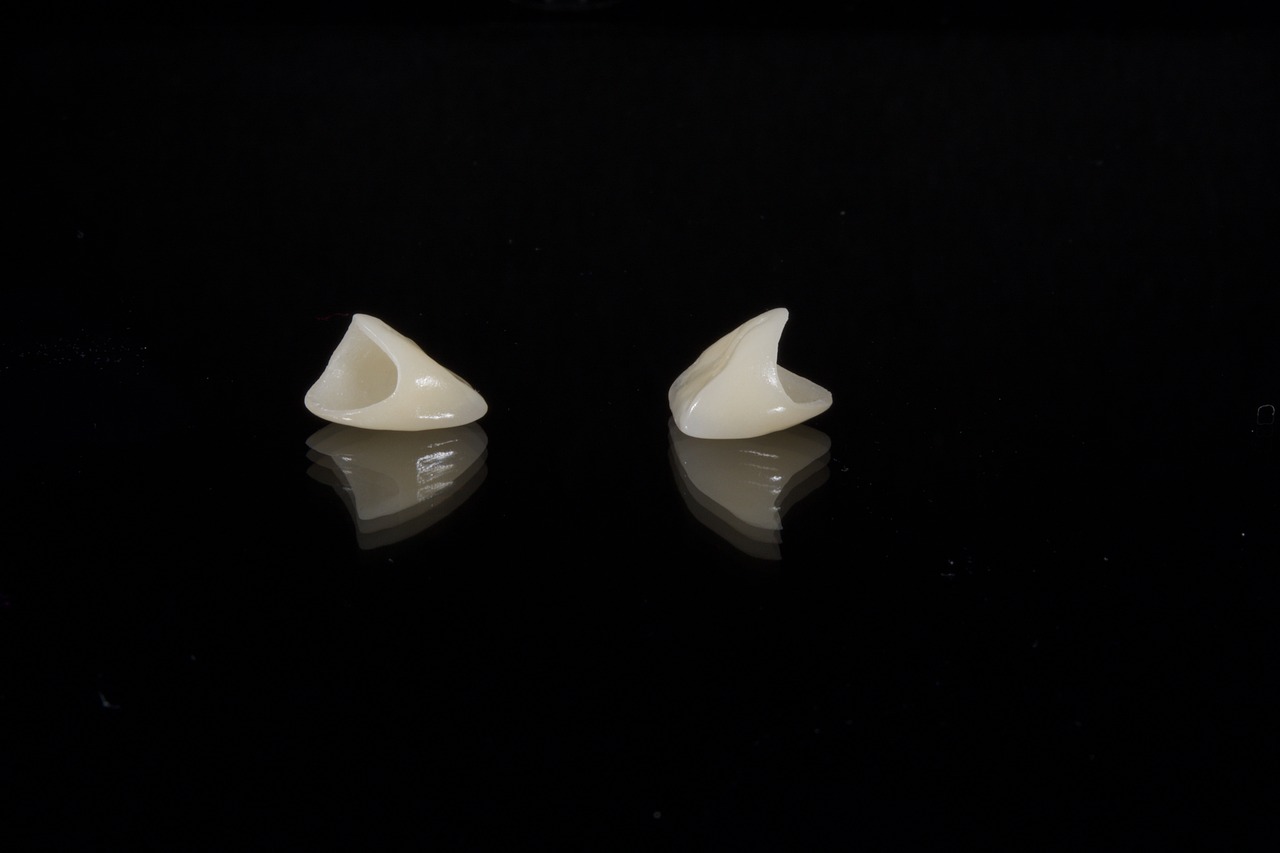
A dental crown is a tooth-shaped cap that fits over a damaged, weakened, or cosmetically compromised tooth, restoring its shape, strength, and appearance. A bridge replaces one or more missing teeth by anchoring to the teeth on either side of the gap. At R&H Dental Marbella, all crowns and bridges are handcrafted from premium porcelain or zirconia by specialist dental technicians, producing restorations that are virtually indistinguishable from natural teeth.

Modern dental crowns can be used to protect a tooth after root canal treatment, restore a cracked or heavily worn tooth, cover a dental implant, or improve the appearance of a discoloured or misshapen tooth. Bridges are an excellent option when implants aren't suitable, providing a fixed (non-removable) solution to missing teeth without surgery.

Porcelain vs Zirconia Crowns: Which Is Best?

Both porcelain and zirconia crowns produce excellent results, but they have different strengths. All-ceramic porcelain crowns offer the best aesthetics and are ideal for front teeth where appearance is paramount. Zirconia crowns are exceptionally strong and are ideal for back teeth that bear heavy chewing forces. At R&H Dental, we also offer layered zirconia crowns that combine the strength of zirconia with a porcelain outer layer for a natural look.


  • All-ceramic porcelain: best aesthetics, ideal for front teeth and smile zones


  • Full zirconia: maximum strength, ideal for molars and heavy bites


  • Layered zirconia: strength of zirconia with natural porcelain appearance


  • All options are metal-free and biocompatible

How Long Do Crowns and Bridges Last?

With proper care, dental crowns and bridges typically last 10–20 years, and many last even longer. Longevity depends on the material used, the quality of the fit, and your oral hygiene habits. At R&H Dental, we use precision digital impressions and work with top-tier dental laboratories to ensure every restoration fits perfectly from day one — reducing the risk of early failure.

The Crown & Bridge Process

Precision-crafted restorations from consultation to cementation.

1

Comprehensive Assessment

dental-crowns-marbella

A thorough examination including X-rays and 3D scans to assess the health of your teeth and plan the optimal restoration

2

Tooth Preparation & Impressions

mouth-design-measure (1) mouth-design-shape (1) maria-3d (1)

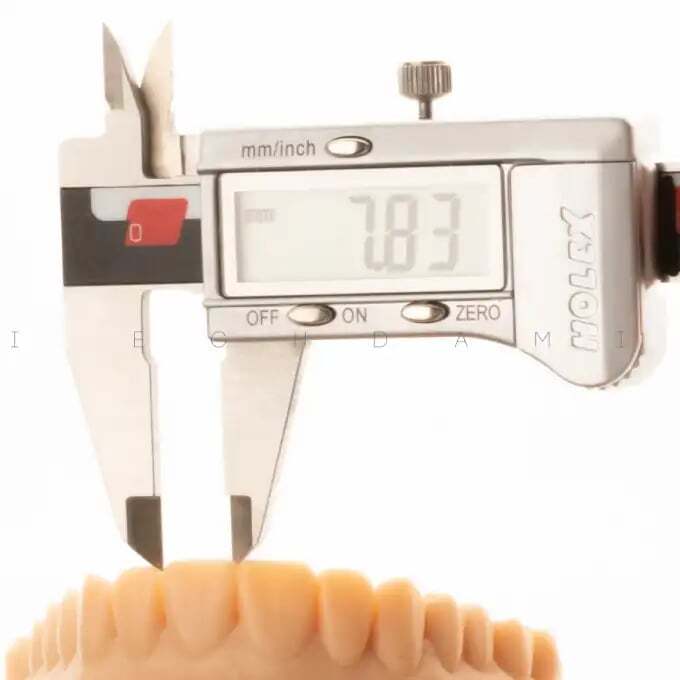
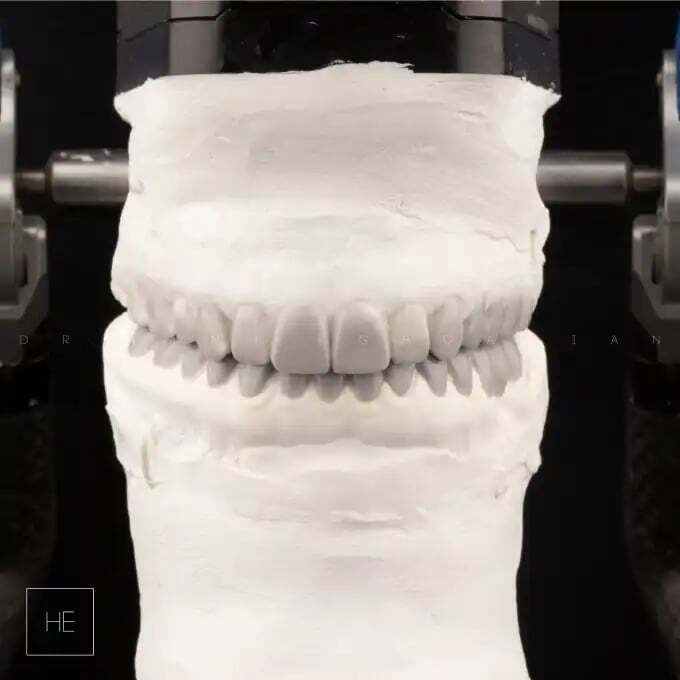
The tooth is carefully shaped to receive the crown, and precise digital impressions are taken for the laboratory

3

Laboratory Fabrication

tooth-filling-restoration-marbella

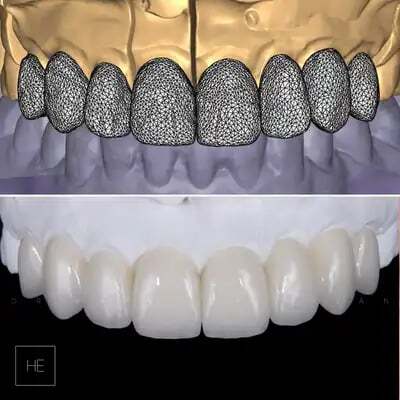
Our master ceramists hand-craft your crown or bridge using the finest materials and techniques

4

Try-in, Adjustment & Cementation

Your crown or bridge is tried in, adjusted for perfect fit and bite, and permanently cemented

Dr. Hami Eghdamian, a cosmetic dentist and managing director at R&H Dental Marbella, explains:

“The fitting appointment includes checking the restoration's fit, contacts, bite and appearance in the mouth. We also consider whether the patient can maintain the area. A restoration that looks right on a model still needs a clinical assessment before final placement.”

Crown & Bridge Results

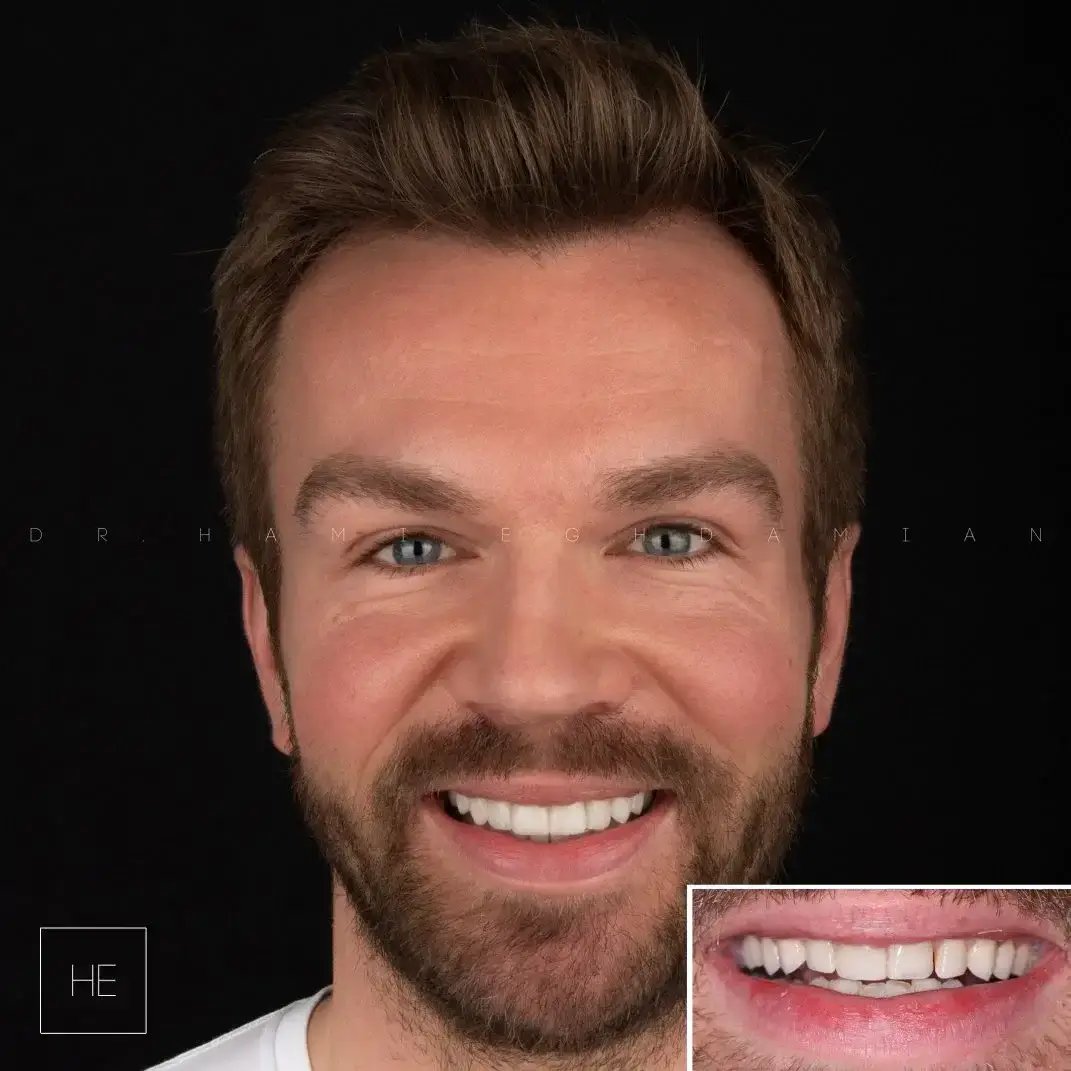
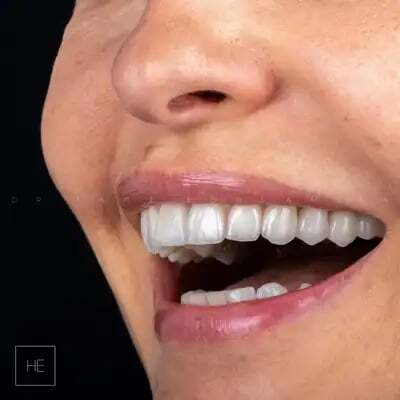
Restorations that look indistinguishable from natural teeth

dental crowns Marbella front tooth restoration ceramic crown and bridge treatment Marbella dental crowns Marbella front tooth restoration

English-Speaking Dentists

From Finland, Denmark, NZ, Ireland, Portugal & Spain — 15-35 years experience

Transparent Pricing

Published prices, no hidden fees — what we quote is what you pay

Written Guarantee

All treatments backed by our published guarantee policy

1st Check Up Free

Book your first visit at no charge — no obligations

Accurate, Honest Diagnosis

No unnecessary treatments — only what you truly need

Trusted by 9,500+ Expats

Your neighbors have chosen us — 4.9★ from 445+ reviews

Dani Garcia R&H Dental Marbella Recommendation R&H Dental Marbella

Transparent Pricing

No hidden fees, no surprises. Financing available up to 60 months.

Crown & Bridge from 500€
Temporary Crown Included
Crown Consultation Free
Financing up to 60 months

Prices depend on the material, complexity, and number of units. A detailed quotation is provided after your consultation. Financing available up to 60 months.

Dental Crowns for English-Speaking Expats in Marbella

R&H Dental has been restoring smiles for Marbella's English-speaking community for over 18 years. All consultations and appointments are conducted in English, and our transparent pricing means you'll know the full cost before treatment begins. Our publicly available written guarantee covers all crown and bridge work, giving you the confidence you need.

Crowns and bridges in Marbella: your questions

Choosing a crown or bridge

What is a dental crown?

A crown is a custom restoration covering the prepared visible part of a tooth. At R&H it may be recommended when substantial damage leaves a filling insufficient, with the aim of restoring shape, function and appropriate protection for the remaining tooth.

When does a tooth need a crown rather than another filling?

A tooth usually needs a crown when there is not enough healthy structure left for a filling to be a reliable long-term option. Large fillings can leave the remaining natural tooth flexing under biting pressure, and over time that can lead to fractures, pain, or even the loss of the tooth if the crack extends too far.

What is a dental bridge?

A tooth-supported bridge is a fixed restoration replacing one or more missing teeth by attaching the replacement to neighbouring support teeth. It stays in place for daily use and needs planned cleaning beneath the replacement tooth as well as around its supports.

Can I have a crown on a tooth without root canal treatment?

Yes, a crown does not automatically require removing or treating the pulp. R&H assesses the tooth’s condition and symptoms before deciding whether root canal treatment is needed; the need for coverage and the need for pulp treatment are separate clinical questions.

How does a tooth-supported bridge differ from a dental implant?

A bridge uses neighbouring teeth or implants for support, while a single implant replaces the missing tooth from the root upwards without relying on the teeth next to it. In some cases a bridge is the best solution, and in others an implant is the more conservative choice, so the right option depends on the condition of the surrounding teeth, the bite, and the overall treatment plan.

Can a crown save every damaged tooth?

No. A crown needs a sound enough foundation and suitable support. R&H assesses the remaining tooth, root and gums before recommending coverage; deep damage or an unfavourable prognosis may mean another option needs to be discussed.

Is an onlay an alternative to a full crown?

Sometimes. An onlay covers selected damaged areas while a crown surrounds the prepared tooth more fully. The decision depends on remaining structure, fracture pattern and bite; R&H assesses whether a partial restoration can meet the tooth’s needs.

Why might a root treated tooth need a crown?
Dr. Irene Päivi Voutilainen, a senior general dentist at R&H Dental Marbella, explains:

“A tooth that has lost substantial structure may need a restoration that protects it from fracture. A crown is one option, but the choice depends on the remaining tooth and biting forces. I assess that need rather than recommending the same restoration for every case.”

Is a crown the same as a veneer?

No. A crown covers the prepared tooth more extensively; a veneer mainly changes the visible front surface. If your main concern is appearance, R&H assesses whether a less extensive option can meet your goal while preserving appropriate tooth structure.

Must every missing tooth be replaced with a bridge?

No. The location of the space, your bite, remaining teeth and preferences guide the discussion. A tooth-supported bridge is one option, alongside other replacements or monitoring where appropriate; the consultation should explain the reason for recommending treatment.

Materials and a natural appearance

What types of dental crowns are available at R&H in Marbella?

R&H’s materials discussion includes lithium-disilicate ceramic, zirconia and, in selected situations, metal-ceramic options. Appearance, masking, biting forces and space are considered together. Ask which materials are suitable and currently available for your tooth rather than choosing from strength claims alone.

Are porcelain crowns and bridges stain-resistant?

Yes, porcelain restorations are generally highly stain-resistant, which is one of the reasons they remain popular for visible areas of the mouth. They are designed to keep their appearance well even with day-to-day exposure to coffee, tea, or red wine, although good hygiene and maintenance still matter.

Can crowns on front teeth still look natural?

Yes, when they are chosen and designed properly they can look extremely natural. For front teeth, we pay close attention to shade, translucency, shape, and how the restoration works with the lips and smile, because front-tooth crown work is not just about strength, it is also about aesthetics.

How do you choose between zirconia and other ceramics?

When planning zirconia crowns or other ceramic restorations, R&H considers tooth position, biting forces, available space and appearance together. Zirconia and lithium-disilicate ceramics have different properties, so the recommendation should explain why a particular material suits your tooth instead of presenting one material as universally best.

Can the crown shade be discussed before it is made?

Yes. Shade planning is part of the restoration process, especially for visible teeth. Tell us what you like or dislike about your current colour before laboratory work, so the intended match and any limitations are understood early.

What does translucency mean in a front-tooth crown?

It describes how light passes through the restoration and contributes to a natural appearance. R&H’s ceramic planning considers this alongside colour and shape; a convincing match involves more than choosing a single shade from a colour guide.

Can a dark underlying tooth affect the crown’s appearance?

Yes, the starting tooth colour is relevant to planning how much the restoration needs to mask. Discuss this during assessment so the dentist and laboratory can balance appearance, material and required thickness without promising identical results in every situation.

Should I discuss whitening before choosing a new crown colour?

Yes. Mention any whitening plans before the shade is finalised, because restorations and natural teeth do not respond in the same way. The dentist can explain a sensible sequence so the crown is planned against an agreed tooth colour.

Can the shape of a crown be personalised?

Yes. R&H considers the neighbouring teeth, bite and smile when planning shape, rather than simply choosing a generic tooth. Explain concerns about length or contour early, and use the try-in to discuss how the proposed restoration looks and feels.

Does a stronger material mean a crown cannot break?

No. Material choice is only one part of durability; design, fit, supporting tooth and biting forces also matter. Even strong ceramics can develop complications, so protection from damaging habits and ongoing checks remain part of the plan.

Assessment, preparation and laboratory stages

Do you have to shave the tooth down a lot for a crown?

Some tooth preparation is needed so the crown has room to fit properly and sit naturally in the bite. How much is removed depends on the material being used and the condition of the tooth, but the aim is always to preserve as much healthy structure as possible while still giving the restoration the thickness it needs to be strong.

How long does getting a dental crown or bridge in Marbella take?

The timeframe is usually a minimum of 1–2 weeks. That allows time for preparation, impressions or scans, the laboratory or milling stage, and the final fit and cementation, although exact timing can vary depending on the complexity of the case.

Is getting a crown or bridge painful?

Local anaesthetic is normally used for tooth preparation, with comfort checked during treatment. Some temporary sensitivity can follow, particularly in a tooth already heavily restored; tell R&H about increasing or persistent pain rather than assuming every symptom is part of routine adaptation.

What do you check before preparing a tooth for a crown?

R&H examines the tooth’s remaining structure, supporting gums and bite, using clinically indicated imaging and records. Existing decay, root problems or unstable support may need attention first, so crown preparation should follow a clear diagnosis and restoration plan.

Why might a tooth need a build-up before the crown?

A heavily damaged tooth may need its missing core rebuilt to provide an appropriate foundation. The dentist explains whether this is necessary and includes it in the plan; the crown itself cannot substitute for every missing part beneath it.

Are digital scans used to plan dental crowns at R&H?

The crowns page describes digital impressions used to record the prepared tooth and surrounding bite for the laboratory. Ask how your records will be taken, particularly if previous impressions were uncomfortable, and what stages your individual restoration requires.

Why is my bite recorded when planning a crown or bridge?

The restoration must work with the opposing teeth and the rest of the bite. Recording this relationship helps guide its shape and contacts; fitting a crown is therefore about comfortable function as well as filling the visible space.

Will I have a temporary crown while the final one is made?

R&H’s published process includes a temporary restoration to protect the prepared tooth during laboratory fabrication. Confirm the temporary plan and care instructions, especially for a visible tooth, rather than assuming the permanent restoration will be available the same day.

Can treatment take longer if the tooth needs other care first?

Yes. Gum treatment, decay management or root canal care can change the sequence and timing. R&H’s published crown timeframe is a guide for the restoration stages, not a promise that all underlying dental needs will be completed within it.

Can I arrange a crown during a short stay in Marbella?

Tell reception your arrival and departure dates before booking. Laboratory stages, try-in and possible adjustments need to fit safely within the plan; R&H should confirm feasibility after assessment rather than you relying solely on the published treatment duration.

Does digital dentistry remove the need for clinical judgement?
Dr. Hami Eghdamian, a cosmetic dentist and managing director at R&H Dental Marbella, explains:

“Digital scans and design tools can support planning and fabrication, but they do not make the clinical decisions. The dentist still needs to assess the tooth, tissues and bite, and check the restoration. Technology is most useful when it answers a specific need in the treatment.”

Planning a tooth-supported bridge

How do tooth-supported and implant-supported bridges differ?

They use different foundations: natural teeth in one case and implants in the other. This page focuses on tooth-supported bridges; implant and full-arch options require their own assessment. Combining a natural tooth and implant as shared supports is not a default design.

What are the supporting teeth of a bridge called?

They are called abutment teeth: the natural teeth carrying the bridge. Their strength, roots and gum support matter because they help support the replacement tooth as well as themselves, so R&H evaluates them before proposing a fixed bridge.

What is the false tooth in a bridge called?

It is called a pontic. Its shape needs to suit the gap, bite, appearance and cleaning access, so bridge planning considers the replacement tooth’s underside and surrounding tissues as well as the crowns on the supporting teeth.

Do neighbouring teeth need preparing for a tooth-supported bridge?

For a conventional crown-supported bridge, supporting teeth generally need preparation. That is an important trade-off to discuss, especially if they are otherwise healthy; R&H compares the condition of those teeth with the benefits of the proposed fixed replacement.

Can a tooth-supported bridge replace more than one missing tooth?

It can in suitable cases, but the span and available support matter. The assessment considers how many teeth are missing, the supporting teeth and bite before deciding whether a tooth-supported bridge is a sensible option for that space.

What if a proposed supporting tooth has gum disease?

Its support needs assessment before it is used for a bridge. Treating or stabilising the gum condition may be part of the sequence, and a poor prognosis can change the replacement plan; covering a tooth does not correct periodontal disease.

Can I take a tooth-supported bridge out for cleaning?

No. A conventional fixed bridge stays in place, so cleaning must reach around the supporting teeth and beneath the replacement tooth. Ask R&H to demonstrate suitable tools before you leave, as ordinary flossing between separate teeth works differently.

Will a bridge feel exactly like having individual natural teeth?

It is designed to restore fixed function, but its connected shape can feel different and needs a different cleaning routine. Discuss contour, speech and bite at the try-in rather than expecting every aspect to be identical to separate natural teeth.

What happens if one supporting tooth develops a problem later?

The bridge and that tooth need assessment together because the connected restoration may affect treatment choices. Regular checks help identify concerns early; if pain, looseness or decay is suspected, do not assume the bridge can simply remain untouched.

How is a fixed bridge different from a removable partial denture?

A tooth-supported bridge stays attached to supporting teeth, while a partial denture is removed for care. During a dental bridge consultation at R&H in Marbella, we compare support, tooth preparation, cleaning, function and budget so the choice reflects your mouth and priorities rather than appearance alone.

When might a dental bridge be considered?
Dr. Hami Eghdamian, a cosmetic dentist and managing director at R&H Dental Marbella, explains:

“A bridge may be considered for replacing a missing tooth, depending on the supporting teeth and the space. We compare it with other options and discuss cleaning and maintenance. The condition of neighbouring teeth is important when deciding whether a bridge makes sense.”

Try-in, comfort and everyday care

How long do crowns and bridges usually last?

With good planning, careful fit, and proper maintenance, crowns and bridges can last for many years. Longevity depends on factors such as bite forces, grinding habits, home care, and whether the supporting teeth and gums are kept healthy with regular check-ups and cleanings.

What is checked before a crown or bridge is cemented?

R&H checks the fit, margins, neighbouring contacts, shade and bite during try-in. This is the time to mention concerns about appearance or comfort so they can be evaluated before final cementation, rather than silently accepting a result you do not understand.

What if the new crown feels higher than my other teeth?

Contact the clinic for a bite review. A restoration that seems to contact first or causes discomfort should be checked rather than endured in the hope it will wear down; explain whether the sensation occurs with chewing or closing gently.

Can I eat normally immediately after a crown or bridge is fitted?

Follow the specific instructions for your cementation and any anaesthetic used. Ask when to resume eating and what to avoid initially; temporary and final restorations may have different care needs, so a single general rule does not fit every appointment.

How should I clean around a crown margin?

Clean along the gumline and between neighbouring teeth using the technique demonstrated for your mouth. The ceramic itself does not remove the need to care for the underlying tooth and gums; mention bleeding or difficult access at your review.

Can a tooth still develop decay beneath a crown?

Yes. The natural tooth remains vulnerable, particularly near the restoration margin, so daily cleaning and dental reviews still matter. R&H checks the supporting tooth as well as the crown’s appearance; a crown is protection, not immunity from dental disease.

Should I tell you if food keeps trapping beside the restoration?

Yes. Persistent food trapping deserves a check of the contact, contour and cleaning access. Tell us where it happens and whether there is soreness, rather than repeatedly forcing tools into the area or assuming it is unavoidable with every crown.

What should I do if a temporary crown comes off?

Keep it safely and contact R&H for advice about protecting the prepared tooth. Avoid chewing on that area and do not use household glue; the team needs to decide whether the temporary can be refitted or needs replacing.

Can a grinding splint help after crown or bridge treatment?

If clenching or grinding is relevant, R&H may assess a protective splint. It can help limit direct tooth-to-restoration contact but does not guarantee against fracture or cure grinding; the design must suit your completed dental work.

What if a crown becomes loose years after fitting?

Arrange an examination of both the restoration and supporting tooth. Looseness can have different causes, so recementation is not automatic; keep a detached crown safe and avoid chewing on the exposed tooth until you receive advice.

What should I know about maintaining a dental bridge?
Dr. Lone Bastholm, a senior general dentist with a PhD in periodontology at R&H Dental Marbella, explains:

“A bridge needs cleaning around its supporting teeth and beneath the replacement tooth. Ask us to demonstrate access with an appropriate aid. At reviews, we check the tissues and restorations, as a bridge can look unchanged while the surrounding mouth needs attention.”

Can a crown still develop a dental problem?
Dr. Lone Bastholm, a senior general dentist with a PhD in periodontology at R&H Dental Marbella, explains:

“The tooth beneath a crown and the surrounding gums still need care. A crown does not make the area immune to decay or inflammation. Regular cleaning and review help us assess the margin, supporting tissues and any symptoms before a problem becomes more extensive.”

Fees, appointments and aftercare planning

What prices does R&H publish for dental crowns and bridges in Marbella?

Our crowns and bridges page lists pricing from 895€. The final figure depends on the material chosen, the tooth involved, the complexity of the preparation, and whether the restoration is a single crown or part of a bridge, so the exact quotation is confirmed after assessment.

Do crowns and bridges come with a guarantee?

R&H’s published written policy lists crowns and bridges in a three-year category, with maintenance conditions and exclusions. Ask for the applicable terms. Commercial cover is separate from expected lifespan and does not remove the need to monitor teeth, gums and restoration wear.

Does the published starting price cover a whole bridge?

Do not assume it does. Bridge cost depends on the number of units, material and supporting-tooth work. Ask R&H for a written total identifying the replacement teeth and supporting units so you compare complete treatment scopes rather than headline prices.

Are build-ups and root canal treatment included in a crown quote?

They should be identified explicitly if needed. A crown fee does not by itself explain every preparatory procedure, so ask which foundation work, temporaries and visits are included and which treatments have separate costs before agreeing to the plan.

Can I compare a replacement crown with repairing my current one?

Yes. Bring the history of the existing restoration and explain what concerns you. The dentist assesses the crown and underlying tooth before discussing whether repair, recementation, replacement or another approach addresses the actual problem.

Can I see the crown or bridge treatment sequence before agreeing?

Age alone is not the diagnosis. R&H can check its fit, integrity, supporting tooth and gums and discuss any symptoms or appearance concerns; replacement should have a clear reason rather than being based only on how many years have passed.

Can I see the proposed treatment sequence before agreeing?

Yes. Ask for the assessment findings, preparation stages, temporary plan, laboratory work and fitting visits in a written sequence. This helps you understand when decisions are made and which additional treatment might change the timetable or overall cost.

How do I book a crown or bridge assessment at R&H?

Tell reception whether you have a damaged tooth, an existing crown problem or a gap to replace. Include pain or looseness when relevant; the online form is an appointment request, and reception confirms the date and time.

What follow-up should I plan if I normally live abroad?

Discuss where routine checks will take place and how to report problems before leaving Marbella. Keep your treatment summary and material information; continuity of clinical care and conditions of any R&H guarantee should both be understood in advance.

What should I bring to a crown consultation for a second opinion?

Bring relevant X-rays, the proposed plan and any history of root treatment or problems with the tooth. Explain your priorities, such as preserving structure or appearance, so the consultation can compare options against the same clinical question.

What matters when reviewing several old restorations?
Dr. Lone Bastholm, a senior general dentist with a PhD in periodontology at R&H Dental Marbella, explains:

“I consider each restoration and the overall pattern of wear, cleaning access and bite. Not everything needs replacing at once. A staged plan can distinguish urgent problems from stable areas and make the reasons, priorities and costs easier to understand.”

Book a Crown & Bridge Consultation

Fill in the form below and our team will get back to you within 2 hours

R&H Dental uses your personal data to manage your appointment request and contact you about it. Data controller: RD&HE Enterprises S.L.
Obligation-free, Expert Diagnosis & Advice Obligation-free, Expert Diagnosis & Advice
Written Guarantee on All Treatments Written Guarantee on All Treatments
Transparent Reasonable Pricing Transparent Reasonable Pricing
English-speaking Clinic English-speaking Clinic

experienced marbella dentists

15-35 years

Experience per dentist (no junior dentists)

best dentist marbella

9,500+

Happy patients treated

english speaking dentist marbella

9

English-speaking dentists & specialists

dental clinic marbella

4.9/5

Google rating (445+ genuine reviews)

Screenshot_2026-04-14aaa_182256-removebg-preview
So confident in the quality of our work, we are the only dental clinic in Marbella with a publicly available written guarantee!
Read Guarantee

Ready to Restore Your Smile?

4.9/5 Star Rating | 9,500+ Happy Patients | Free Consultation