


gum disease treatment marbella

Periodontal Treatment in Marbella

Expert gum disease treatment by Marbella's leading periodontist — stop bone loss and save your teeth with our proven approach

Specialist-led gum disease treatment
Designed to stop ongoing bone loss
Deep cleaning beneath the gums
Focused on helping save natural teeth
Dr. Rebeca Daemi Zabalza, a dentist focused on implants and periodontics at R&H Dental Marbella, explains:

“Gum disease treatment starts with finding out which tissues are affected and how extensive the problem is. I examine the gums and supporting structures, then explain the findings. The first plan should also consider your cleaning routine and factors that may affect the response to care.”

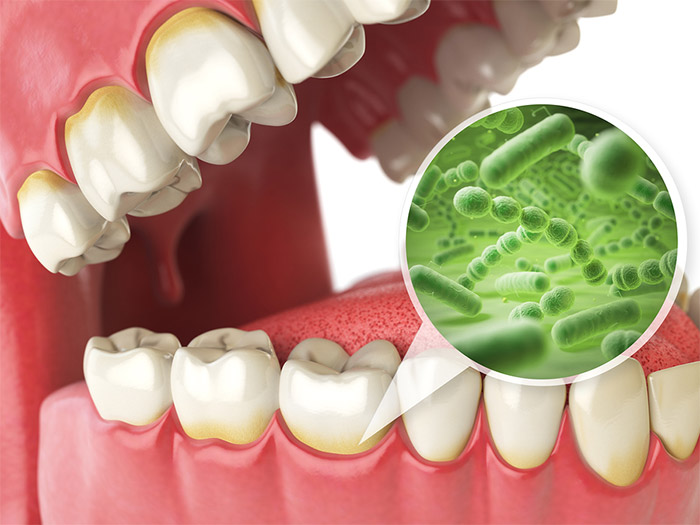
Gum disease is one of the main causes of tooth loss, but it can often be stabilised when treated properly. Our periodontal treatment is designed to remove the bacteria causing the problem, reduce inflammation, and protect the long-term future of your teeth. 

Benefits of Periodontal Treatment in Marbella

Treating gum disease early and properly can make a major difference to the long-term health of your teeth and gums. 


1
Reduces bleeding and gum inflammation
2
Helps stop further bone loss
3
Improves bad breath linked to gum infection


4
Protects teeth from becoming loose
5
Supports long-term oral health
Dr. Lone Bastholm, a senior general dentist with a PhD in periodontology at R&H Dental Marbella, explains:

“Periodontal treatment addresses disease affecting the gums and supporting tissues. The plan depends on the findings and response to initial care. Keeping the condition stable also requires continuing home care and review; treatment is not finished simply because one cleaning appointment has taken place.”

How Is Gum Disease Treated?

Treatment depends on the severity of the disease. Mild gingivitis can usually be resolved with professional cleaning and improved home care. Moderate to advanced periodontitis requires deeper intervention — typically root planing (deep cleaning under the gums) to remove bacteria and calculus from the root surfaces. In severe cases, surgical procedures such as gum flap surgery or bone grafting may be needed to regenerate lost tissue.


  • Gingivitis: professional cleaning + improved oral hygiene


  • Early periodontitis: root planing (deep cleaning) under local anaesthesia


  • Moderate periodontitis: root planing + possible antibiotic therapy


  • Advanced periodontitis: gum surgery, bone grafting, or regenerative procedures

Can Periodontal Disease Be Cured?

Gingivitis is fully reversible with proper treatment. Once periodontitis has developed, the bone loss that has already occurred cannot be fully reversed — but the disease can be stabilised and further damage prevented. With proper treatment and a disciplined maintenance schedule (typically cleanings every 3–4 months), most patients can keep their natural teeth for life. Early detection is crucial, which is why regular check ups at R&H Dental are so important.

Your Marbella Periodontal Treatment Journey

From diagnosis through treatment to lifelong maintenance — a comprehensive approach to saving your teeth

1

Understanding Gum Disease

gum-disease-treatment-marbella

Gums and the bones underneath them are one of the most neglected aspects of oral health — untreated gum disease inevitably leads to tooth loss

2

Periodontal Assessment

DentalCheckup

A comprehensive assessment including probing measurements, X-rays, and bacterial analysis to determine the extent and severity of gum disease

3

Deep Cleaning & Treatment

Thorough removal of plaque, tartar, and bacteria from below the gumline using both surgical and non-surgical approaches

4

Maintenance & Prevention

Ongoing maintenance cleanings every 3-4 months combined with improved home care to keep the disease under control permanently

Dr. Rebeca Daemi Zabalza, a dentist focused on implants and periodontics at R&H Dental Marbella, explains:

“We review the response rather than assume the same next step for everyone. The reassessment helps show which areas have improved and which still need attention. Further treatment and the maintenance interval should follow those findings and your ability to keep the areas clean.”

English-Speaking Dentists

From Finland, Denmark, NZ, Ireland, Portugal & Spain — 15-35 years experience

Transparent Pricing

Published prices, no hidden fees — what we quote is what you pay

Written Guarantee

All treatments backed by our published guarantee policy

1st Check Up Free

Book your first visit at no charge — no obligations

Accurate, Honest Diagnosis

No unnecessary treatments — only what you truly need

Trusted by 9,500+ Expats

Your neighbors have chosen us — 4.9★ from 445+ reviews

Dani Garcia R&H Dental Marbella Recommendation R&H Dental Marbella

Why the removal of tartar underneath the gumline is the only solution for arresting gum disease

Transparent Pricing

If you don't have periodontal disease and only have gingivitis or need a regular cleaning, the price will be significantly less.

Full Periodontal Treatment 749€
Periodontal Maintenance Cleaning 89€

Includes the periodontal study, full mouth charting, full mouth x-rays, and treatment under anaesthetic of upper and lower jaws on separate days. Also included is the one month follow up and free retreatment of any areas that have yet to heal.

Periodontal treatment in Marbella: your questions

Understanding gum disease

What is periodontal treatment?

Periodontal treatment at R&H in Marbella addresses disease affecting the gums and supporting structures of the teeth. It can include detailed assessment, deep cleaning below the gumline and ongoing maintenance, with the aim of controlling inflammation and preserving useful natural tooth support.

Why is gum disease so serious if it does not hurt at first?

Periodontal disease can progress before symptoms are obvious. Loss of supporting tissue may eventually lead to mobility or tooth loss, which is why R&H assesses gum findings and bone support rather than using pain as the only reason to recommend care.

What is the difference between gingivitis and periodontitis?

Gingivitis means inflammation of the gums without permanent loss of bone support, and it is often reversible with proper cleaning and home care. Periodontitis is more serious because the infection has already started damaging the structures that hold the teeth in place, which is why it requires deeper and more structured treatment.

What happens if gum disease is left untreated?

If it is left untreated, the infection continues destroying the supporting bone around the teeth. Over time that can mean receding gums, larger spaces between the teeth, loose teeth, worsening breath, repeated flare-ups, and eventually tooth loss. It is far better to treat it early than to wait until the damage becomes much harder to manage.

Can gum disease be present when my teeth look clean?

Yes. The appearance of the visible tooth surfaces does not show everything happening below the gums. R&H’s periodontal assessment considers gum measurements and supporting tissues, so a bright smile or recent polish does not rule out periodontitis.

Is gum recession always caused by periodontitis?

Not necessarily. Recession needs assessment alongside inflammation, tooth support and home-care habits. Tell us when you noticed the change and whether there is sensitivity; we should establish the cause before assuming that every exposed root needs periodontal treatment.

Does bleeding mean I should stop cleaning the area?

Persistent bleeding is a reason for assessment and tailored cleaning advice, rather than abandoning oral hygiene. At R&H we can show a suitable technique and check why the gums bleed; avoid forceful scrubbing while waiting for guidance.

What is the difference between plaque and tartar?

Plaque is the bacterial film addressed by daily cleaning; tartar is hardened deposit that professional instruments remove. Periodontal treatment targets deposits and inflammation around the roots, while daily home care helps limit fresh build-up between maintenance appointments.

Is periodontitis just a problem for older adults?

Age alone cannot establish whether your gums are healthy. Symptoms, measurements and supporting bone matter more than assuming you are too young for assessment. Mention family history and previous gum treatment when discussing concerns at R&H.

Can periodontal treatment restore all the lost supporting bone?

That should not be expected. Periodontal care aims to control disease and preserve remaining support; selected defects may be considered for regenerative treatment. R&H explains the realistic aim for each area rather than promising complete reversal of previous damage.

Can gum disease be present without pain?
Dr. Rebeca Daemi Zabalza, a dentist focused on implants and periodontics at R&H Dental Marbella, explains:

“Yes. Some people notice little discomfort even when gum health needs attention. Changes such as bleeding, recession or tooth movement deserve assessment. Regular reviews help identify findings that may not be obvious when you judge your mouth only by how it feels.”

Symptoms and periodontal assessment

What are the signs that I might need periodontal treatment?

Common signs include bleeding gums, gum recession, persistent bad breath, a bad taste in the mouth, loose teeth, and spaces starting to appear between the teeth. These are all warning signs that the gums and the underlying bone may be under attack from long-standing bacterial build-up.

Who provides periodontal treatment at R&H in Marbella?

R&H’s team includes clinicians focused on periodontics and implants, including Dr. Rebeca Daemi Zabalza and Dr. Miguel Romero Bustillos. Reception confirms who will assess your case; the treatment plan is tailored to your disease findings and supporting teeth rather than a standard package.

Can periodontal treatment help if my gums bleed or my breath smells bad?

Yes, those are two of the most common reasons patients realise something is wrong. If bleeding and bad breath are being caused by gum inflammation and bacterial build-up under the gum-line, proper gum disease treatment Marbella can make a major difference once the infection is brought under control.

What is measured during a periodontal examination?

We measure the gum pockets around teeth and assess bleeding, recession and tooth support. These findings, alongside clinically indicated X-rays, help distinguish a surface gum problem from loss of support and guide the treatment plan.

Does one deep pocket tell you the whole diagnosis?

No. A pocket measurement needs context from other sites, inflammation, recession and bone levels. The assessment looks at the pattern across your mouth rather than treating one number as proof of severity or a complete treatment plan.

Why might X-rays be needed before gum disease treatment?

X-rays can help show the bone supporting the teeth, which cannot be judged from the gum surface alone. The dentist decides which images are clinically useful and considers any existing records you bring to the periodontal consultation.

Should I bring records from a previous periodontist?

Yes. Previous pocket charts, X-rays and treatment summaries help explain what has already been done and whether there has been change. They complement a current examination at R&H and can make the maintenance discussion more specific.

Can loose teeth always be saved?

No clinician can promise that before assessment. Mobility, remaining support, infection and the tooth’s condition affect the outlook. The periodontal consultation should identify which teeth have a reasonable prognosis and explain alternatives where keeping a tooth is unlikely to help.

Why do you ask about diabetes and smoking?

They are relevant to gum-disease risk and the treatment discussion. Tell us about smoking and your medical care so periodontal management can be coordinated appropriately; dental treatment should complement, rather than replace, advice from your medical team.

Should persistent bad breath always be treated with deep cleaning?

No. Bad breath can have more than one cause, so we first check whether gum disease is contributing. Deep cleaning is recommended for an identified periodontal need, not simply because a mouthwash has failed to solve the symptom.

Are bleeding gums enough to diagnose periodontitis?
Dr. Rebeca Daemi Zabalza, a dentist focused on implants and periodontics at R&H Dental Marbella, explains:

“Bleeding is a sign to investigate, but it does not establish the extent of disease by itself. We need a periodontal assessment to understand what is happening. That distinction matters because inflammation near the gum margin and loss of supporting tissues may require different care.”

Deep cleaning and treatment choices

What happens during periodontal treatment?

Treatment begins with a periodontal study and explanation of the findings. Cleaning below the gums and local anaesthetic are planned as needed, followed by reassessment. Further care depends on the response; timing, included visits and any retreatment terms should be clear in your plan.

Does periodontal treatment hurt?

We use local anaesthetic whenever needed, so the treatment itself is designed to be comfortable. Afterwards, the gums can feel tender for a few days, especially if there has been a lot of inflammation present, but this usually settles quite predictably as the tissues heal.

How many appointments does periodontal treatment usually take?

Periodontal treatment typically takes 2–3 visits. The exact number depends on how widespread the disease is, how many areas need deep cleaning, and whether we are treating one arch or both.

How does deep gum cleaning differ from a routine dental clean?

Routine cleaning and periodontal treatment have different scopes. When disease affects root surfaces beneath the gums, R&H plans targeted subgingival instrumentation and follow-up; a polish alone cannot substitute for that assessment and treatment of affected support tissues.

What does scaling and root planing mean?

It describes professional cleaning of affected root surfaces below the gumline using suitable instruments. The aim is to remove deposits and help control inflammation, with local anaesthetic when needed and a later review of how the gums respond.

Can the upper and lower jaws need different periodontal treatment?

Yes. Disease may be concentrated in particular teeth or areas rather than affecting every site equally. The assessment identifies the involved regions so the treatment scope and quotation reflect what is actually needed in each arch.

Are antibiotics a routine part of every periodontal treatment?

No. Antibiotics are considered only when clinically indicated and do not replace professional cleaning or daily plaque control. Ask why they are proposed in your case and tell the dentist about allergies and other medicines before taking them.

When might gum surgery be discussed?

Surgery may be considered when disease or difficult-to-access areas remain after assessment and initial care. R&H’s periodontal page describes surgical and regenerative options, but the recommendation depends on the pattern of damage and response, not a label alone.

Does advanced gum disease automatically mean bone grafting?

No. Regeneration is a case-specific option for selected defects, not a universal treatment for all bone loss. Ask what the proposed procedure aims to achieve, its limitations and whether non-surgical care or another approach is appropriate.

Can I choose only the painful areas for treatment?

Symptoms do not reliably show every affected area. The dentist should explain the whole periodontal chart and priorities, so decisions consider silent disease as well as pain. If you need phased care, discuss a clinically sensible sequence.

What should gum recession treatment address?
Dr. Rebeca Daemi Zabalza, a dentist focused on implants and periodontics at R&H Dental Marbella, explains:

“Gum recession treatment should address the cause and its effect on the tooth, not only the appearance of the gum line. I consider sensitivity, cleaning, tissue condition and progression. The discussion may include monitoring, changes in care, restorative treatment or surgery in selected situations.”

Can receding gums grow back with toothpaste?
Dr. Rebeca Daemi Zabalza, a dentist focused on implants and periodontics at R&H Dental Marbella, explains:

“Toothpaste cannot reliably replace gum tissue that has been lost. It may help with related sensitivity or cleaning needs, depending on the product and diagnosis. If the gum line is changing, an assessment can establish the cause and which options are reasonable.”

When is gingival recession surgery considered?
Dr. Rebeca Daemi Zabalza, a dentist focused on implants and periodontics at R&H Dental Marbella, explains:

“Surgery may be discussed when the findings and goals support it, such as managing a suitable recession defect. The likely benefit and limitations depend on the tissues and tooth position. I explain what can reasonably be achieved rather than promise complete coverage in every case.”

Healing and reassessment

How long does recovery take after periodontal treatment?

Recovery varies depending on the severity of the case, but most patients feel much more normal within a few days to about a week. The gums may look and feel different quite quickly, but the deeper healing and stabilisation continues over time as inflammation reduces.

Why is a review needed after deep cleaning?

The review checks whether inflammation and pockets have improved and whether further care is needed. R&H uses reassessment to guide the next phase; the end of the cleaning appointments is not automatically the end of active periodontal treatment.

Can my teeth feel more sensitive after periodontal treatment?

Sensitivity can occur as inflamed tissues settle and previously covered root surfaces become exposed. Tell the team if it is troublesome or persistent so we can review the cause and advise appropriate care rather than assuming every discomfort is normal.

Why might spaces look larger as my gums heal?

Reducing swollen gum tissue can make existing gaps or recession more noticeable. Ask the dentist to compare your findings before and after treatment; appearance changes should be understood alongside inflammation control and support, rather than interpreted from photographs alone.

What if my gums still bleed at the follow-up?

Report where and when the bleeding occurs and how you have been cleaning. Persistent bleeding may prompt technique changes or further assessment of residual disease; it should be reviewed rather than dismissed or treated only with a stronger mouthwash.

How will I know whether gum disease treatment has worked?

The dentist combines your symptoms with clinical findings such as bleeding and pocket measurements. Feeling better is welcome, but objective review helps decide whether the disease is controlled and which areas still need attention or closer maintenance.

Should I change my brushing technique during recovery?

Follow the instructions given for your particular treatment, especially if surgery was involved. Ask the team to demonstrate cleaning around sensitive areas; an appropriate routine supports ongoing plaque control without assuming that all periodontal procedures need identical aftercare.

Can I use mouthwash instead of cleaning a tender area?

Do not substitute mouthwash for the cleaning plan without guidance. If tenderness prevents effective hygiene, contact the team for an appropriate technique or product recommendation; rinses, when prescribed, have a defined role alongside the rest of your care.

What symptoms should I report sooner than the planned review?

Contact the clinic for increasing pain, new swelling, discharge or concerns about bleeding rather than waiting for routine reassessment. Describe the treatment date and changes clearly so the team can decide how urgently you need to be seen.

Can a tooth need further treatment even when the gums improve?

Yes. Periodontal improvement does not repair decay, a fracture or another separate tooth problem. The review helps distinguish gum response from other needs and place restorative treatment in a sensible sequence once the support tissues have been assessed.

Maintenance and long-term tooth support

Will I need maintenance after periodontal treatment?

Yes. Maintenance is an ongoing part of periodontitis care. R&H describes three- to four-month visits for many affected patients, with the exact interval adapted to risk, residual pockets, bleeding and home care; improvement does not remove the need for review.

Can periodontal disease affect implants as well as natural teeth?

Yes. The same destructive bacterial process that damages the bone around natural teeth can also damage the tissues around implants if it is not controlled properly. That is why healthy gums matter so much, whether you are trying to save natural teeth or protect existing implant work.

What happens during periodontal maintenance at R&H?

Ongoing periodontitis care at R&H combines monitoring with professional cleaning appropriate to your findings. The team checks for changes, reviews home care and discusses any areas needing closer attention, keeping the focus on sustained disease control rather than simply polishing the teeth.

Why might my maintenance interval be shorter than my partner’s?

Your interval reflects your own disease history, remaining pockets, inflammation and ability to control plaque. R&H’s page describes three- to four-month maintenance for many periodontal patients, but your clinician adjusts the schedule according to individual risk and response.

Can I stop maintenance once the bleeding disappears?

Stopping because symptoms improve can miss disease returning quietly. Discuss any proposed change to your recall schedule with the dentist; continued measurements and cleaning help confirm stability, even when your mouth feels comfortable between appointments.

How do I choose interdental brushes after periodontal treatment?

Ask for sizes and a demonstration suited to your actual spaces. R&H’s home-care guidance includes interdental tools where helpful; using one brush size everywhere or forcing a tight fit may make the routine uncomfortable and less effective.

Should my dentist know if I cannot keep up with the cleaning plan?

Yes. Explain the obstacle, whether it is dexterity, discomfort, time or confusing instructions. The team can simplify or adapt the routine so maintenance is realistic; a plan that cannot be followed needs discussion rather than embarrassment.

Can I continue periodontal care with another dentist while away?

Tell R&H where you will be and arrange continuity before travel. Sharing treatment summaries and periodontal records can help another clinician understand your needs; clinical maintenance and any commercial guarantee conditions should be clarified separately.

Do crowns and bridges make periodontal maintenance unnecessary?

No. Restorations still depend on healthy supporting teeth and gums and may need specific cleaning access. Bring concerns about food trapping or difficult areas to maintenance appointments so the team can review both hygiene and the restoration.

Can gum treatment be planned before cosmetic dental work?

Yes. Active gum problems can affect the foundations and planning of cosmetic restorations. At R&H, discuss periodontal findings before finalising elective work so the sequence addresses disease control, review and maintenance alongside appearance goals.

Why does periodontal treatment need long term review?
Dr. Rebeca Daemi Zabalza, a dentist focused on implants and periodontics at R&H Dental Marbella, explains:

“Periodontal care continues after active treatment because the condition can change again. Reviews help assess the tissues, reinforce effective cleaning and identify areas that need attention. The schedule should reflect your risk and response, rather than be the same for every patient.”

What is peri implantitis?
Dr. Miguel Romero Bustillos, a dentist focused on implants and periodontics at R&H Dental Marbella, explains:

“Peri-implantitis involves inflammation around an implant with loss of supporting bone. Bleeding, swelling or other changes deserve assessment, even if the implant is not painful. Treatment depends on the findings; it is better to investigate a change than wait for the restoration to feel loose.”

Are bleeding gums around an implant normal?
Dr. Miguel Romero Bustillos, a dentist focused on implants and periodontics at R&H Dental Marbella, explains:

“Bleeding around an implant is a reason to review the tissues and cleaning routine. It does not tell us the diagnosis by itself. I check the restoration, gum condition and relevant records to distinguish inflammation from more advanced problems and plan appropriate care.”

Appointments, costs and realistic expectations

What prices does R&H publish for periodontal treatment in Marbella?

Our periodontal page shows pricing from 749€. The final cost depends on the diagnosis and whether one arch or both need to be treated, so we confirm the exact figure after the assessment.

Does periodontal treatment come with a guarantee?

R&H’s published policy places certain periodontal treatment in a lifetime commercial category, subject to conditions and exclusions. Ask for the applicable written coverage and maintenance requirements. The policy is distinct from the clinical prognosis and cannot guarantee a cure or lifelong retention of every tooth.

How do I book a periodontal consultation in Marbella?

Tell R&H reception that your concern is bleeding gums, previous periodontitis or another support-tissue problem. Include any existing diagnosis and current symptoms so the appointment can be routed appropriately; an online request becomes a booking only after reception confirms it.

Is a periodontal study the same as a general check-up?

It is a more focused assessment of the gums and tooth-support structures. A general check-up may identify the need, while a periodontal study provides detailed information for treatment planning; ask which appointment and charges apply to your case.

What should a periodontal quotation specify?

Ask for the areas or arches being treated, assessment and cleaning stages, reassessment and any additional procedures. Maintenance should be discussed separately where relevant, so you can distinguish the initial course from the ongoing costs of controlling disease.

Can treatment be divided into phases for practical reasons?

Sometimes, provided the sequence remains clinically appropriate. Discuss finances, travel and availability early so R&H can explain priorities and the implications of delays; dividing appointments should not conceal untreated areas or replace necessary follow-up.

Are surgical procedures always included in an initial periodontal quotation?

Do not assume so. The need for surgery or regeneration may depend on the initial findings and response to non-surgical care. Ask R&H to identify included stages and explain any additional proposed procedure and cost before you agree.

Can I get a second opinion on gum disease treatment in Marbella?

Yes. Bring the diagnosis, pocket chart, X-rays and proposed treatment if available. A current assessment allows a meaningful discussion of priorities and alternatives; comparisons are more useful when both plans describe the same disease findings and scope.

Will the consultation explain which teeth have a poorer outlook?

Ask for that discussion explicitly. Understanding the prognosis of individual teeth helps you weigh treatment effort, expected function and alternatives; a whole-mouth diagnosis should still lead to a practical explanation of the areas that matter most for you.

What is the main goal of periodontal treatment at R&H?

The goal is to control inflammation and protect useful natural tooth support for the long term. Success depends on the disease pattern, treatment response and continuing care, so the plan combines professional treatment with a manageable maintenance and home-care routine.

Request a Periodontal Consultation

Concerned about your gums? Book a consultation with Dr. Romero (Marbella's best Periodontist with a PhD from the United States) for a thorough periodontal assessment.

R&H Dental uses your personal data to manage your appointment request and contact you about it. Data controller: RD&HE Enterprises S.L.
Obligation-free, Expert Diagnosis & Advice Obligation-free, Expert Diagnosis & Advice
Written Guarantee on All Treatments Written Guarantee on All Treatments
Transparent Reasonable Pricing Transparent Reasonable Pricing
English-speaking Clinic English-speaking Clinic

experienced marbella dentists

15-35 years

Experience per dentist (no junior dentists)

best dentist marbella

9,500+

Happy patients treated

english speaking dentist marbella

9

English-speaking dentists & specialists

dental clinic marbella

4.9/5

Google rating (445+ genuine reviews)

Screenshot_2026-04-14aaa_182256-removebg-preview
So confident in the quality of our work, we are the only dental clinic in Marbella with a publicly available written guarantee!
Read Guarantee

Don't let gum disease steal your smile

Book a periodontal assessment today — early treatment can save your teeth