A foundation in orthodontics
A master’s in Orthodontics and Dentofacial Orthopaedics provides the specialist training behind his assessment of teeth, bite relationships and facial development.

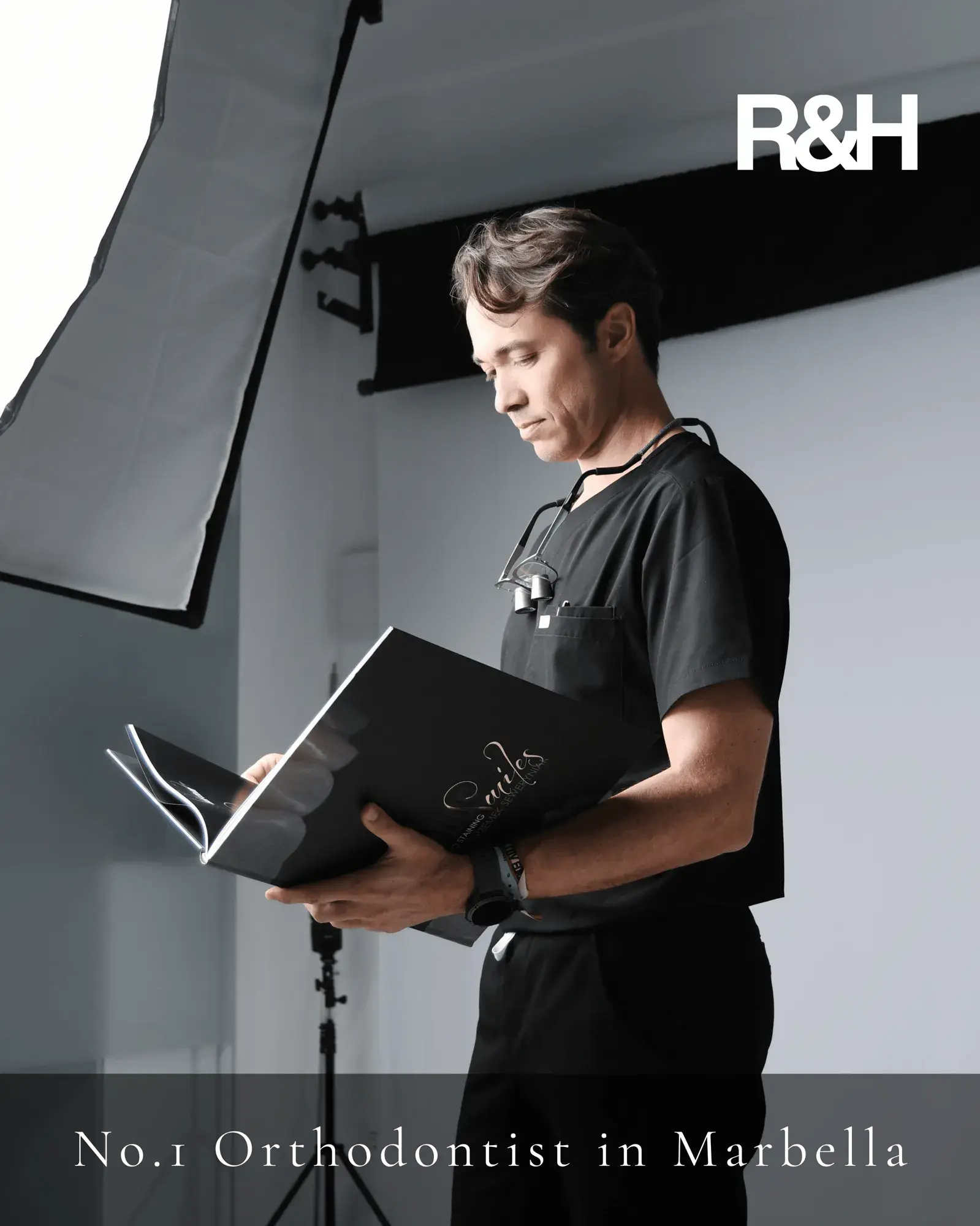
Orthodontic clinic · Marbella
Dr. Adrian Carbajosa
Specialist orthodontist with university teaching experience.
Master’s in Orthodontics and Dentofacial Orthopaedics
“Orthodontic treatment should address the position of the teeth and how the bite works. I start with an examination and appropriate records, then discuss the movements we need. Braces and aligners are tools; their suitability depends on the case and the way treatment will be monitored.”
01 / The thinking behind your smile
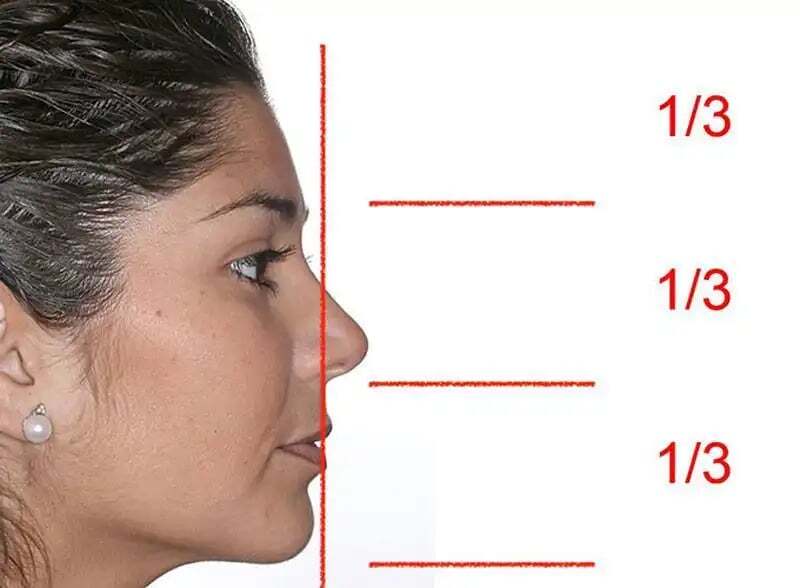
Straight teeth are part of the picture. How they fit your face—and how they meet when you bite—matter too.
Face-driven orthodontics considers your facial proportions, smile, tooth position and bite together. Dr. Adrian’s experience guides which teeth to move, how far and in what sequence, with a plan built around you.
Clinical judgement matters throughout treatment. Long-term stability also depends on biology, patient cooperation, healthy supporting tissues and carefully planned retention.
“A straight-looking smile does not tell the whole story. I look at how the upper and lower teeth meet, available space and gum health. The treatment plan should explain which changes are achievable and which features may remain, so your expectations match the clinical goals.”
02 / Specialist-led care
A master’s in Orthodontics and Dentofacial Orthopaedics provides the specialist training behind his assessment of teeth, bite relationships and facial development.
His professional background includes teaching orthodontics at the University of Seville and contributing to postgraduate dental education.
As a cosmetic dental clinic, we plan for beauty as well as function. Dr. Adrian considers how your teeth sit within your lips and how your smile looks when you speak and smile, shaping the treatment around your face.
03 / Your treatment options
Compare the options, then choose with clinical guidance. The right approach depends on your teeth, your bite and your priorities.
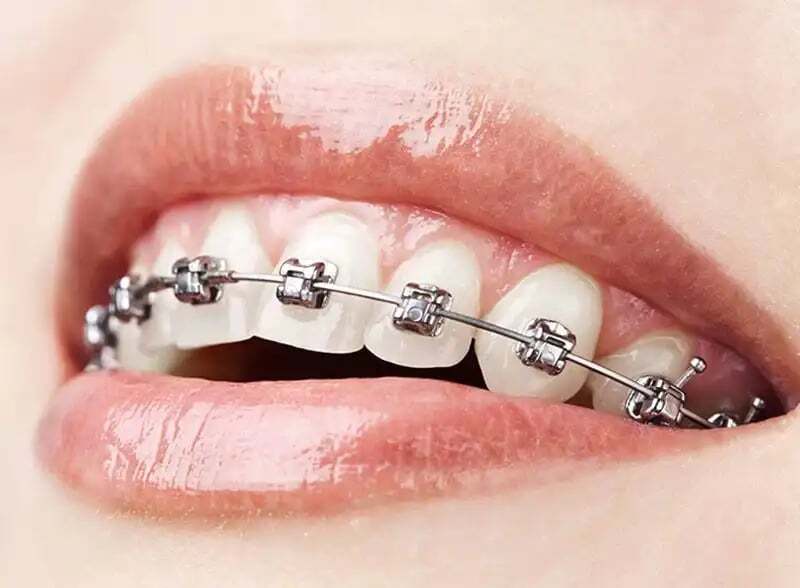
A fixed appliance using metal brackets and an orthodontic wire.
Questions about braces
Tooth-coloured brackets for a less conspicuous fixed option.
Questions about braces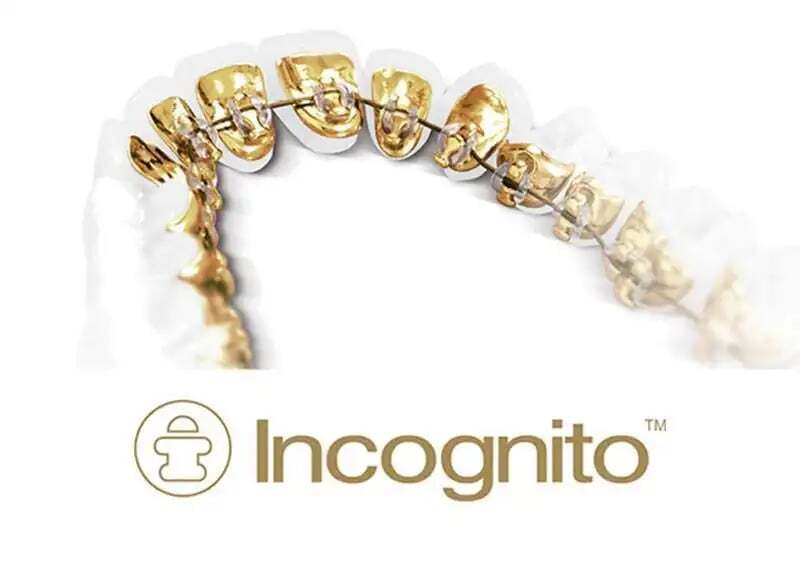
Lingual brackets positioned on the inner surfaces of the teeth.
Questions about braces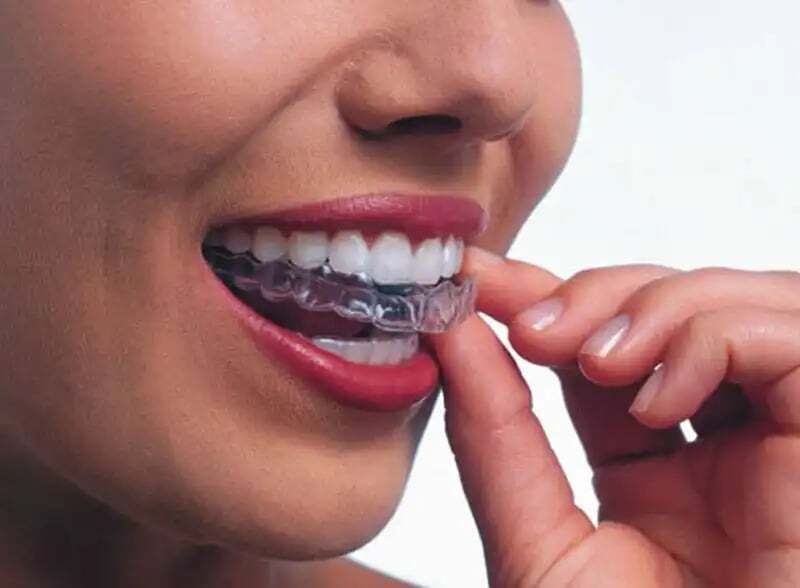
Removable clear aligners, with suitability assessed individually.
Explore Invisalign“Sometimes moving teeth first can improve their positions before restorative work. That may change the amount or type of restoration needed. I coordinate with the restorative dentist so the planned tooth movements support the final treatment rather than being considered in isolation.”
04 / Understanding the details
The design and material of an appliance affect how it is used. These details support the treatment plan; they do not replace the skill of the clinician.
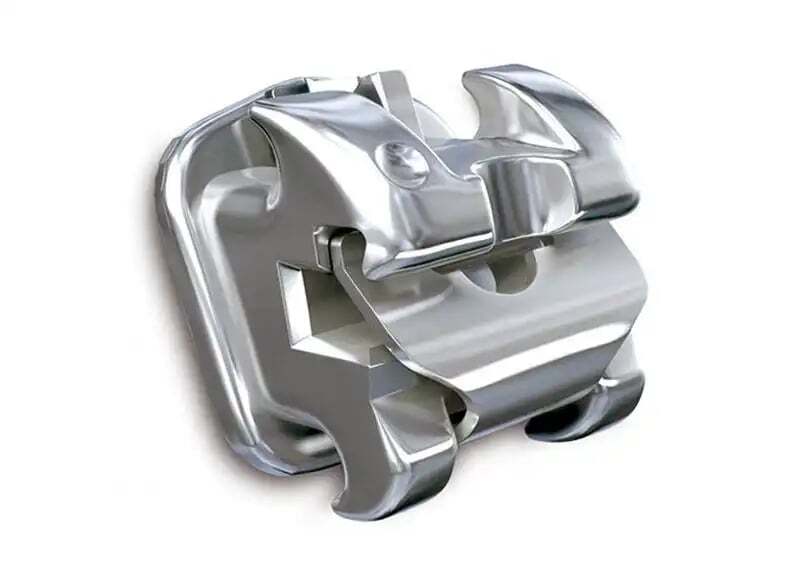
An integrated clip holds the wire in place.
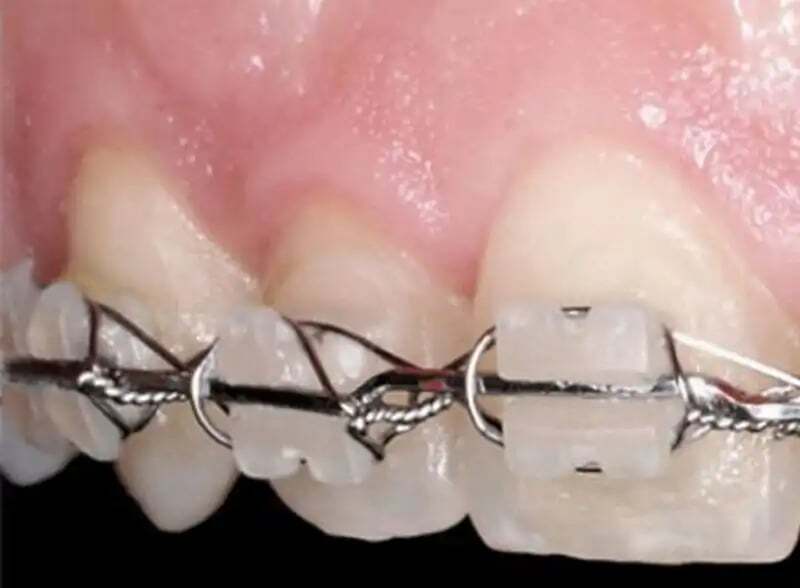
A separate metal or elastic tie secures the wire.
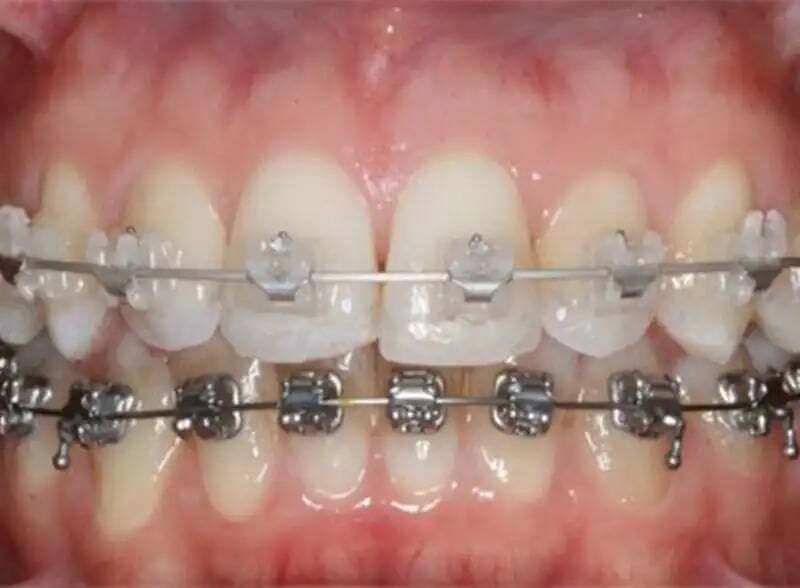
A lighter appearance can make the wire less conspicuous.
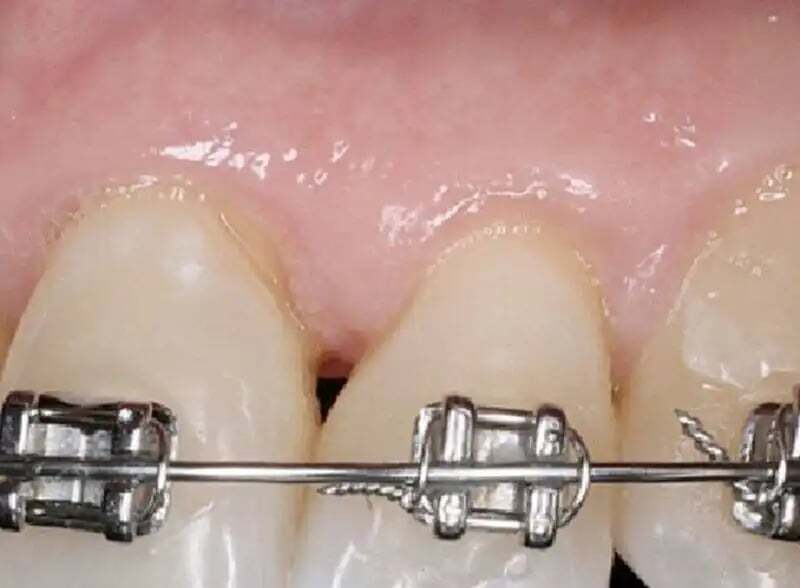
A more visible metallic appearance. Wire selection also depends on its clinical role.
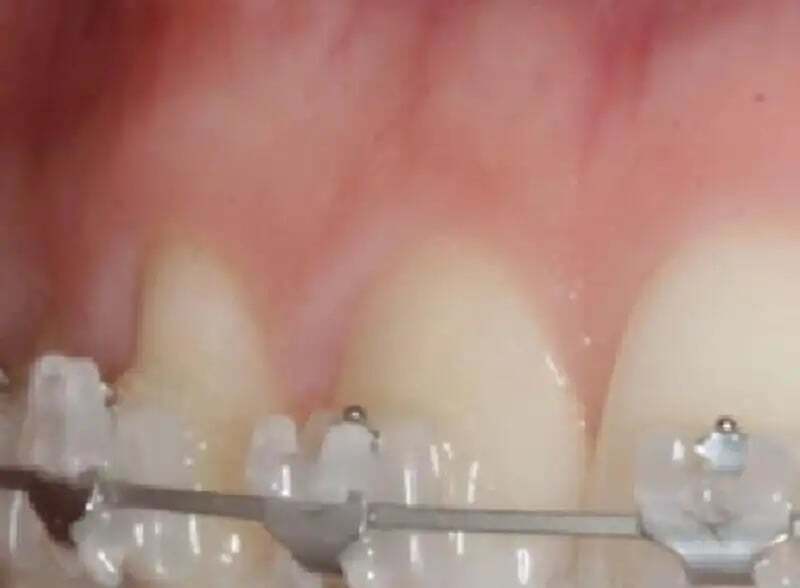
Some wires respond to temperature. Dr. Adrian selects their use according to the stage of treatment.
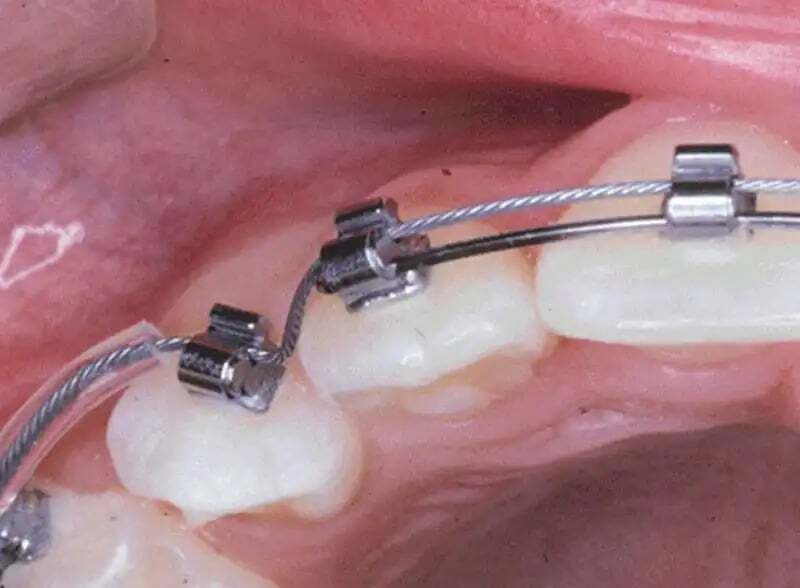
Other wire materials and forms serve different stages and movements. The wire is chosen for the job it needs to do.
05 / From assessment to retention
A clear sequence, with the timing and appliance tailored to your case. The stages below describe the fixed-braces pathway.
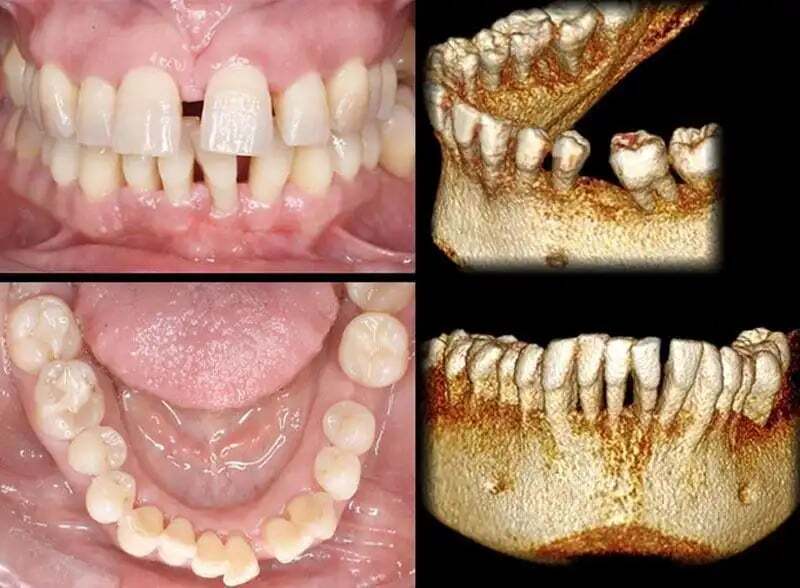
Gather the diagnostic records needed to understand your starting point. This study is essential before R&H can begin a new orthodontic case or take over an existing case being treated by another dentist.
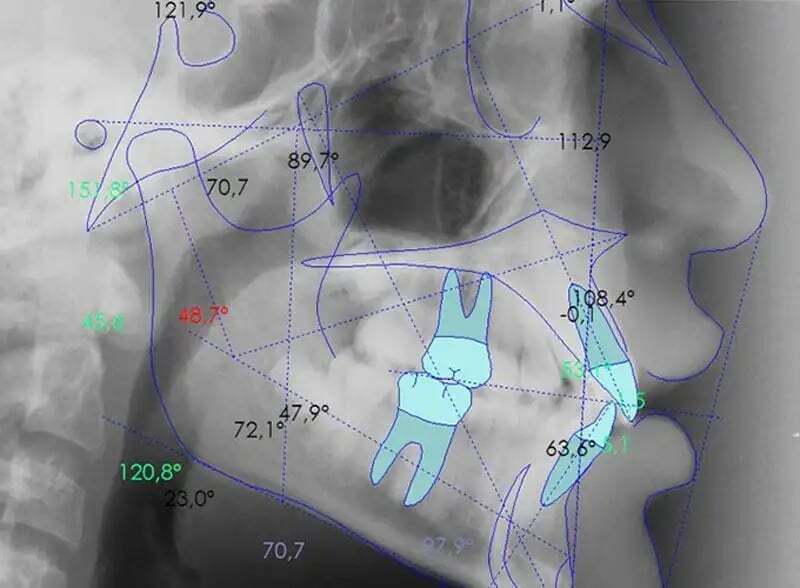
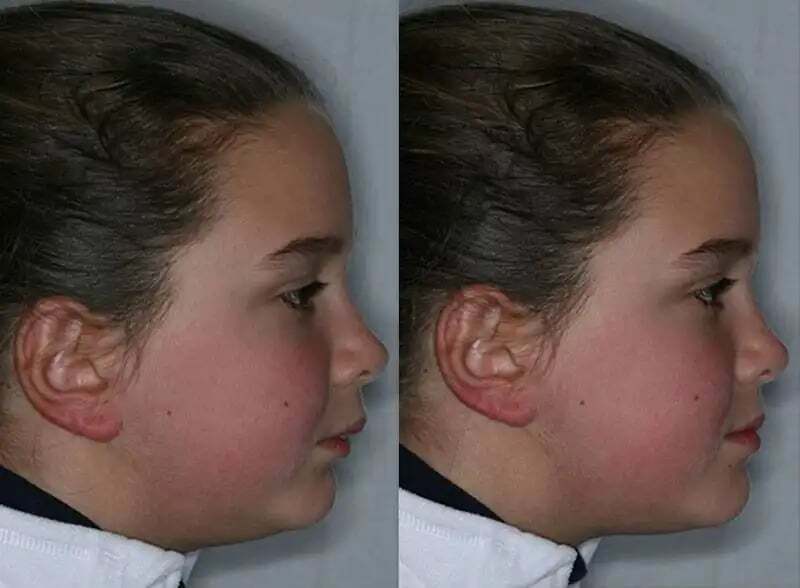
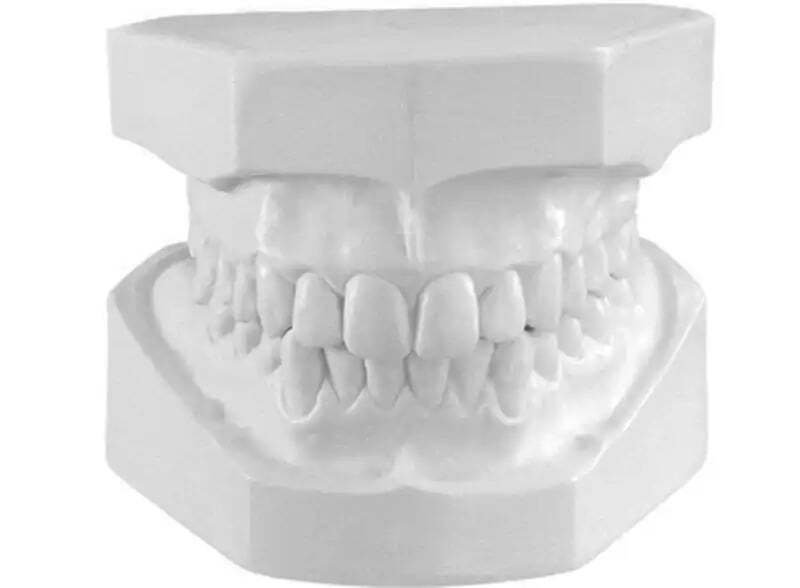
Consider your teeth, bite relationships and facial proportions before selecting the approach.
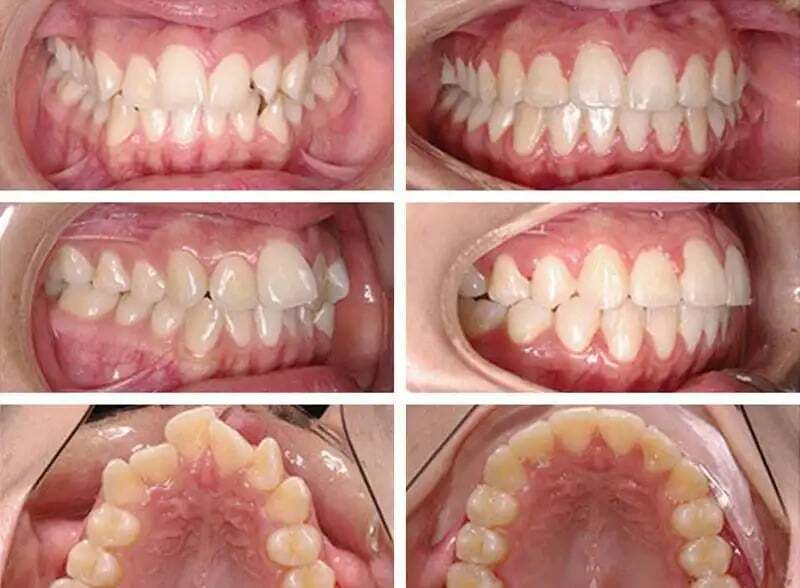
Begin the planned correction. Fitting and timing depend on your case.
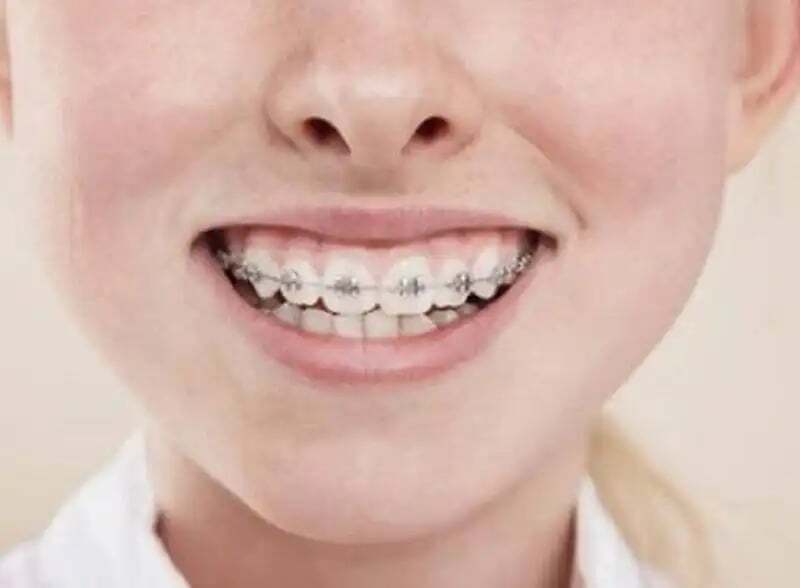
Coordinate upper and lower treatment according to the plan.
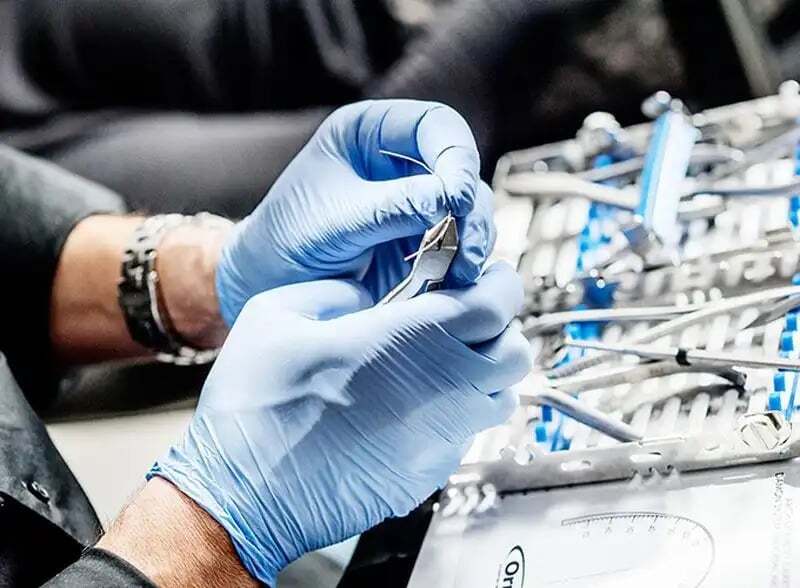
Monitor tooth movement and adapt treatment where needed. The review interval is individual.
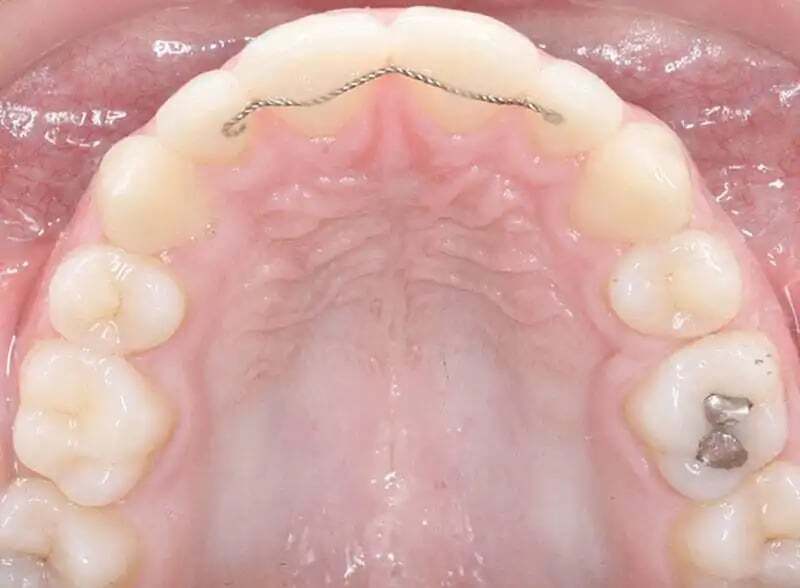
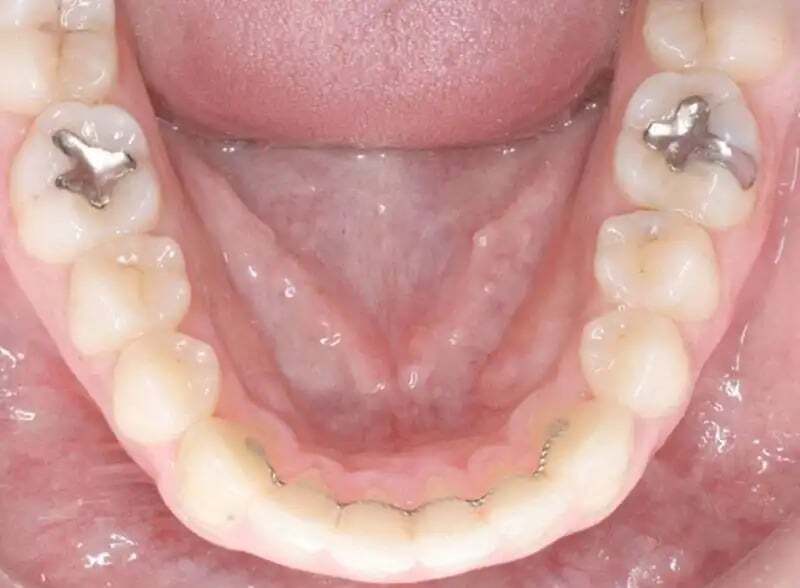
Protect the result with the prescribed retainers and ongoing care.
06 / Children’s orthodontics
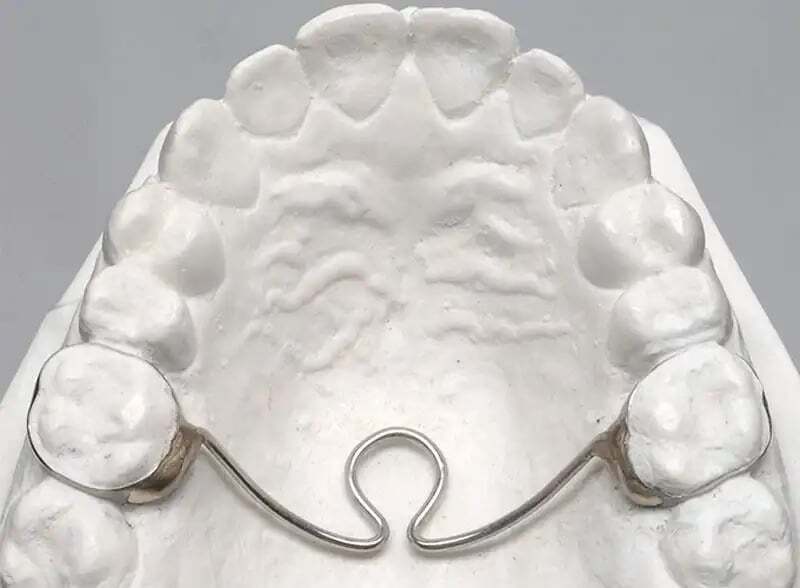
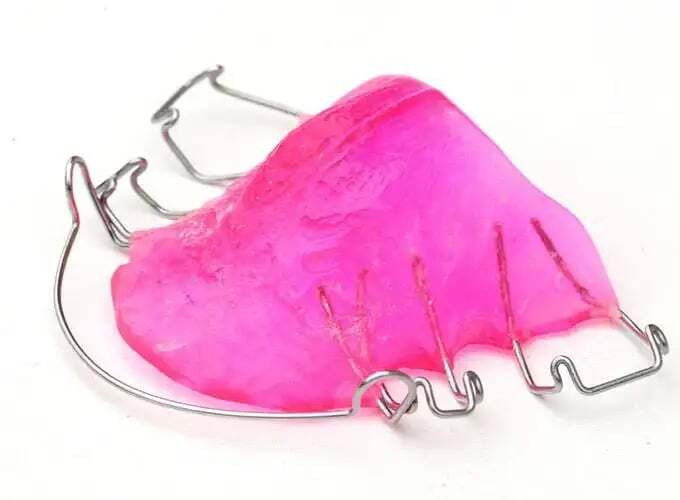
Removable orthodontic plates have specific roles in selected growing patients. An assessment establishes whether an appliance is appropriate, what it aims to achieve and when to begin.
Early assessment does not automatically mean immediate treatment. Sometimes the right next step is to monitor development.
Explore questions about children’s orthodonticsClear prices. The consultation, orthodontic study and independent iTero scan are separate services.
Fixed-brace guidance is for upper and lower arches with metal braces. Ceramic braces carry a surcharge. Invisalign First for children can cost less than the range above.
After an initial payment, many patients pay around 150€ per month. The total will not exceed the amount stated in your initial quotation. Your written plan confirms your treatment and payment schedule.
An iTero scan performed specifically so the digital scan can be sent to your own dentist or orthodontist costs 100€. This applies to a scan for external use rather than one taken as part of treatment at R&H Dental. An iTero surface scan is not an X-ray or a CBCT scan.
08 / Answers before you decide
Open one of six topics to explore its ten questions.
Practical answers for planning treatment and looking after your smile.
No matching questions. Try another word or contact the clinic.
Dr. Adrian Carbajosa plans orthodontic care at R&H. He holds a master’s in Orthodontics and Dentofacial Orthopaedics and has taught orthodontics at the University of Seville. Your consultation connects the changes you want to an assessment of your teeth, bite and facial proportions.
The 60€ consultation with Dr. Adrian is the first step to discuss your concerns and suitability; it does not include an iTero scan. The separate 100€ comprehensive orthodontic study provides the diagnostic records and analysis and is essential before R&H can begin a new case or take over an existing case being treated by another dentist. An independent iTero scan to share with your own dentist is a separate 100€ service. We provide a login code so your dentist can view the scan through the official iTero software.
Our study gathers photographs of your face and teeth, together with the imaging needed to assess the case. These let Dr. Adrian look beyond the visible front teeth. The clinician selects the appropriate X-rays; a 3D CBCT scan should have a clinical reason rather than be automatic.
Yes. Our orthodontic study process includes a results appointment. This is where you can understand the recommended appliance, the intended changes and the treatment quotation. Bring any concerns about visibility, appointments or cost so they can be addressed before treatment starts.
It means planning tooth positions in relation to your smile and face as well as the bite. Photographs of your face and teeth help us consider these together. Explain whether your concern is crowding, teeth that appear prominent, or how your smile looks in photographs.
Bring a list of your concerns, relevant medical history and details of previous orthodontics. If you have recent dental records or X-rays, ask whether you can supply them securely. Tell the clinician about any tooth injuries, even if they happened years ago and no longer hurt.
Yes. R&H’s orthodontic enquiry service is designed for English-speaking patients, including Marbella’s expat community. You can discuss the plan and practical arrangements in English, and contact the team by phone, WhatsApp or email. Tell us which contact method works best for you.
You can book an orthodontic consultation to discuss your options. Bring the proposed treatment and quotation, plus any available records. Comparing the actual movements, appointments and retention plan is more useful than comparing appliance names alone; a new assessment may still be needed.
A visible crooked tooth is your starting concern, but the plan also needs to account for the surrounding teeth and how the two arches meet. The study helps establish whether a limited correction is suitable and what compromises it would involve.
Use the booking link on this page or contact R&H on 952 81 44 44. Tell us the appointment is for orthodontics, whether it is for an adult or child, and your preferred day and time. The orthodontic consultation costs 60€.
“Braces can change how teeth meet, but the achievable result depends on the underlying problem. Some concerns involve jaw relationships or other factors beyond tooth position. I explain the treatment goals and limitations before you decide whether the proposed changes are worthwhile.”
Our orthodontics service includes metal braces, white ceramic braces, braces behind the teeth and clear aligners, including Invisalign. Removable appliances have a role in selected cases. Dr. Adrian recommends a suitable option after assessment; the least visible appliance is not automatically suitable for every bite.
Start with the correction needed, then consider daily life. Fixed braces stay attached; aligners must be removed for meals and worn consistently the rest of the day. Complex movements may require additional techniques or fixed appliances. Compare the full treatment plan, not just how the appliance looks.
White ceramic brackets are less conspicuous than metal brackets, but the brackets and wire can still be seen. They remain a fixed appliance. Our published pricing states that ceramic braces carry a surcharge, so compare both appearance and the quoted difference before choosing.
These are fixed brackets fitted to the backs of the teeth, making them less visible from the front. R&H offers gold inside braces among its orthodontic options. Ask Dr. Adrian whether they suit your bite and request a quotation specifically for that system.
They hold the wire with a built-in clip instead of a separate elastic tie around each bracket. You can compare the two designs in the photographs above. The clip changes how the wire is held; careful cleaning and planned review appointments are still necessary.
The “smart wire” is a temperature-responsive orthodontic wire. It is one tool used during treatment, rather than a separate type of braces. Ask which wire is being used at your stage; ongoing or worsening pain should be reported rather than managed by relying on cold water.
Yes. We offer Invisalign and SureSmile clear aligners. Your consultation should establish which system and treatment scope are appropriate. When comparing quotes, check the named system and what the complete course covers, including reviews and the retention stage.
Invisalign generally advises 20–22 hours a day, with removal for eating, drinking anything other than water, and cleaning. A routine of frequent snacks or long meals can reduce wear time. Follow your clinician’s prescribed schedule and tell the team if you cannot maintain it.
No single appliance is suitable for every case. Aligners may need additional techniques for severe crowding, extraction cases or more complex movements. The consultation should identify the problem being corrected and whether braces, aligners or a combination gives a suitable route.
Yes: this page shows metal, ceramic, inside braces and aligners, along with bracket and wire comparisons. Use these as a starting point for your consultation. Ask which of the pictured options are suitable for you and how each changes your quotation and daily routine.
“Crowding does not automatically mean teeth must be removed. The decision depends on the amount of space needed, the bite, facial considerations and the limits of safe movement. I explain the available approaches and their trade-offs rather than promising the same solution for every smile.”
The American Association of Orthodontists recommends a first check by age seven, or earlier if a problem is noticed. This is an assessment milestone, not a rule that every seven-year-old needs braces. R&H can discuss the appropriate timing for your child.
Not if you have noticed a bite or eruption concern. Some problems benefit from assessment while baby teeth remain. An early appointment can identify whether to act now or monitor development; it does not automatically mean starting a full course of braces.
Mention a bite that seems reversed, teeth that do not meet, crowding, missing or unusually placed teeth, and persistent thumb or finger sucking. These observations help focus the assessment. You do not need to work out the diagnosis yourself before booking.
We use removable plates for selected growing children and simpler corrections. They are prescribed for a specific purpose, such as helping create space or guiding development. Ask what the appliance aims to change and how its progress will be assessed.
Not necessarily. Early treatment may address a particular developing problem, with a second phase needed after more adult teeth appear. Before agreeing, ask what this first phase is intended to achieve and whether another course is likely.
It is an appliance used in selected cases involving a narrow upper jaw. An expander has a different purpose from simply straightening teeth with braces or aligners. Your child needs an assessment of the problem and growth stage before a particular appliance can be recommended.
Invisalign First is the children’s option mentioned in our published pricing. Its scope differs from a full adult course, so the adult price range should not be treated as a child’s quotation. Ask what is covered now and whether later treatment may be needed.
At R&H, both fixed appliances and discreet aligners are considered where appropriate. Discuss the teenager’s preferences alongside the practical responsibility of wearing a removable appliance consistently. The recommended treatment still needs to match the bite correction required.
Age alone does not rule it out. Adults can have orthodontic treatment when their teeth and gums are suitable. Mention previous dental treatment and any gum problems at the consultation so the assessment reflects your whole mouth, rather than your age alone.
These problems need assessment and control before orthodontic treatment. Moving teeth while oral health is poor risks damage. If cleaning is difficult, establish a workable routine first; the dental and orthodontic plan should address the disease as well as the alignment.
“Adults can benefit from orthodontic treatment when their teeth and supporting tissues are suitable. Previous dental work and gum health may affect the plan. I also consider whether tooth movement will make future restorative treatment easier or reduce the amount of tooth preparation needed.”
“Gum disease needs assessment and appropriate control before tooth movement. For some adults, periodontal care and orthodontics can then be coordinated. I would not start solely because the teeth look crowded; the tissues supporting them must be part of the decision.”
“Missing teeth can change the space and bite plan. We may consider closing a space or preparing it for a replacement. The choice depends on the remaining teeth and the restorative options, so orthodontic and restorative planning should take place together.”
Treatment typically takes around 12–24 months. Your estimate depends on the correction and progress, and may fall outside that range. Ask for a case-specific timescale after the study, especially if you are planning around a wedding or move.
R&H’s published process describes adjustments approximately every one to three months. Your actual interval depends on the appliance and treatment stage. Book around the schedule you are given; having aligners does not mean that clinical reviews can simply be skipped.
Our treatment journey shows upper and lower placement as separate stages. The sequence for you depends on the plan. Before your fitting appointment, confirm which arch is being treated and when the next stage is expected, so you know what to anticipate.
Orthodontics generally requires repeated reviews over months. If you are visiting, tell us where you normally live and how often you can return before starting. Agreeing a realistic follow-up arrangement is part of deciding whether treatment here will work for you.
Tell the team before treatment starts, or as soon as your plans change. You need a clear arrangement for reviews and unexpected appliance problems. If a transfer is necessary, the receiving clinician will need your records and may reassess the remaining treatment and fees.
Tenderness for a few days can happen. Softer foods can make eating easier while you adjust. Contact the clinic if pain persists beyond a few days, worsens, or your gums become very swollen or painful; these symptoms should not simply be assumed to be normal pressure.
Hard, crunchy and sticky foods can damage brackets or wires. Cut firmer foods into small pieces instead of biting directly into them, and avoid chewing gum. Limit sugary drinks and snacks too: preventing decay matters throughout the course, even when the braces stay intact.
Use fluoride toothpaste and brush morning, night and after meals. Clean between teeth and underneath the wire daily with an appropriately sized interdental brush. Ask for a demonstration around your own brackets; an orthodontic adjustment does not replace cleaning or a general dental check-up.
Contact the team to rearrange rather than waiting for the next scheduled visit. Give any travel restrictions when rebooking. Repeated missed appointments or appliance breakages can extend treatment, and the orthodontist needs to review whether the current appliance is working as intended.
Contact R&H promptly and describe what has changed; a clear photo can help the team advise on the next step. Arrange advice before travelling if possible. Do not wait weeks for a routine adjustment with a broken appliance or try to glue a bracket back yourself.
Our treatment price guidance is: simple removable-appliance cases from 700€, many cases around 3,800€, and very complex fixed-brace cases around 4,000€–4,900€. These describe different levels of treatment, not interchangeable packages. Your study determines the appropriate plan and quotation.
Our published range is 2,990€–4,750€, with potentially lower prices for Invisalign First for children. The fee reflects the case and the agreed treatment scope. A child’s early phase and a full adult course should not be compared as if they cover the same work.
Yes. Payment plans are our usual arrangement for orthodontic treatment, including braces and Invisalign. Typically there is an initial payment followed by monthly instalments; many patients pay around 150€ a month. Your written plan sets out the actual payments.
No. It is a typical monthly instalment after an initial payment, not the overall treatment price or a universal offer. Compare the full agreed total and the number of payments. The total will not exceed the amount stated in your initial quotation.
The initial payment is set out in your individual payment plan. We have not published a single deposit that applies to every case. Before starting, you should have the initial amount, monthly amount, payment dates and agreed total in writing.
Yes. Our fixed-brace price guidance covers metal braces on the upper and lower arches; ceramic braces carry a surcharge. Request a comparison for the same treatment scope so you can see what choosing ceramic changes.
No. The orthodontic consultation with Dr. Adrian is 60€ and does not include an iTero scan. The comprehensive orthodontic study is a separate 100€ and is essential before R&H can begin a new case or take over an existing case being treated by another dentist. An independent iTero scan to share with your own dentist is also a separate 100€ service.
The quotation should identify your retention provision and any separate charges for replacements or repairs. Do not assume a price for active treatment covers every future appliance. Ask for these items to be clear before agreeing, so you can budget beyond the day braces are removed.
The 700€ starting point refers to simpler cases using removable appliances. It does not mean every adult can have a full correction for that amount. Appliance type, treatment objectives and case complexity explain why the page also shows much higher ranges.
Compare the same treatment objectives and the full amount payable. Identify diagnostic fees, appliance type, reviews, retention and any separate dental treatment. Then compare the payment schedule. A smaller monthly payment alone does not tell you which course is more economical or more suitable.
Teeth can move again after active treatment, including after aligners. Retainers help maintain the new positions while the surrounding tissues adapt and over the longer term. Plan for retention as part of treatment rather than deciding about it only when the braces come off.
Retention is long term. Your orthodontist sets the initial wearing schedule and any later change. R&H’s guarantee conditions require prescribed removable retainers to be worn every night. Do not stop because the teeth look straight or because the written guarantee period has ended.
A fixed retainer is bonded behind the teeth and needs careful cleaning and checks for loose bonding. A removable retainer depends on following the wearing schedule. The treatment journey above shows both types; the orthodontist recommends the arrangement for your result.
Contact the clinic promptly, even if the wire is still partly attached. A tooth may start moving where the bond has failed. Keep the area clean and arrange advice rather than assuming that a retainer attached to some teeth is protecting them all.
Contact R&H as soon as you notice the problem so the fit and need for a replacement can be assessed. Do not force a retainer that no longer seats properly. Delaying can allow more movement and make maintaining the result more complicated.
Yes. Orthodontic reviews monitor the appliance and tooth movement; general check-ups and professional cleaning address other dental needs. R&H’s guarantee policy requires six-monthly check-ups and maintenance cleanings at R&H, or three-monthly maintenance cleaning for patients with a history of periodontal disease.
Risks include root shortening and gum recession. Poor plaque control can damage the teeth and gums during treatment. These risks need to be discussed for your mouth before starting, particularly when there are existing gum problems or a history of tooth injury.
Orthodontics is listed in the two-year category of our written guarantee policy, subject to its full conditions. These include maintenance requirements, keeping fixed retainers bonded, wearing prescribed removable retainers nightly and attending advised orthodontic reviews. Read the linked policy before relying on coverage.
No. The guarantee period and the retention schedule serve different purposes. Teeth can shift after the guarantee has ended. Continue the retainer routine prescribed for you; the policy does not promise that teeth become permanently fixed in place at the two-year mark.
Contact the clinic with details of the change and whether your retainers still fit or remain bonded. An assessment can establish whether retention needs attention or further treatment should be discussed. Do not assume that an old retainer can safely correct any amount of movement.
“Teeth can change position after active treatment. Retainers help maintain the alignment we have achieved. I explain the type of retainer and wearing schedule for your case, and how to keep it clean. Retention deserves the same planning attention as the active appliance.”
“Teeth can continue to move over time, including after successful orthodontic treatment. If you notice a change, arrange a review rather than forcing an old retainer into place. We can check the fit and decide whether replacement or further treatment is appropriate.”
“Contact the clinic promptly and keep the broken retainer if possible. Do not try to repair or reshape it yourself. Tell us whether you have another prescribed retainer available, so we can advise you while arranging a replacement or assessment.”
Further patient guidance: NHS brace care · British Orthodontic Society: aligners · BOS: treatment and retention · AAO: children’s assessment · Treatment risks · R&H written guarantee
At R&H Dental Marbella
Dr. Adrian’s specialist orthodontic care sits within a team of English-speaking dentists and specialists, bringing your smile, bite and wider dental needs together.

 Obligation-free, Expert Diagnosis & Advice
Written Guarantee on All Treatments
Transparent Reasonable Pricing
English-speaking Clinic
Obligation-free, Expert Diagnosis & Advice
Written Guarantee on All Treatments
Transparent Reasonable Pricing
English-speaking Clinic

Experience per dentist (no junior dentists)

Happy patients treated

English-speaking dentists & specialists

Google rating (450+ Genuine Google Reviews)
Your next step
Meet Dr. Adrian and explore a plan for your teeth, bite and face.