bruxism treatment marbella

Grinding Bite Splints in Marbella

Protect your teeth and jaw joints from the damaging effects of bruxism with a custom-made night bite splint

Custom-made for night-time protection
Helps reduce wear on teeth
Protects crowns, veneers, and fillings
Supports the jaw joints and muscles

If you grind or clench your teeth, the damage is usually gradual until it becomes expensive. A properly made bite splint helps absorb those forces, protect your enamel and restorations, and reduce the strain placed on your jaw. 

Benefits of a Grinding Bite Splint in Marbella

A custom bite splint is a simple but highly valuable protective treatment for people who grind at night. 


1
Prevents further tooth wear
2
Protects existing dental work
3
Can reduce jaw discomfort and headaches
4
Helps the jaw muscles relax overnight
5
Fits & works better than generic shop-bought guards

What Is Bruxism (Teeth Grinding)?

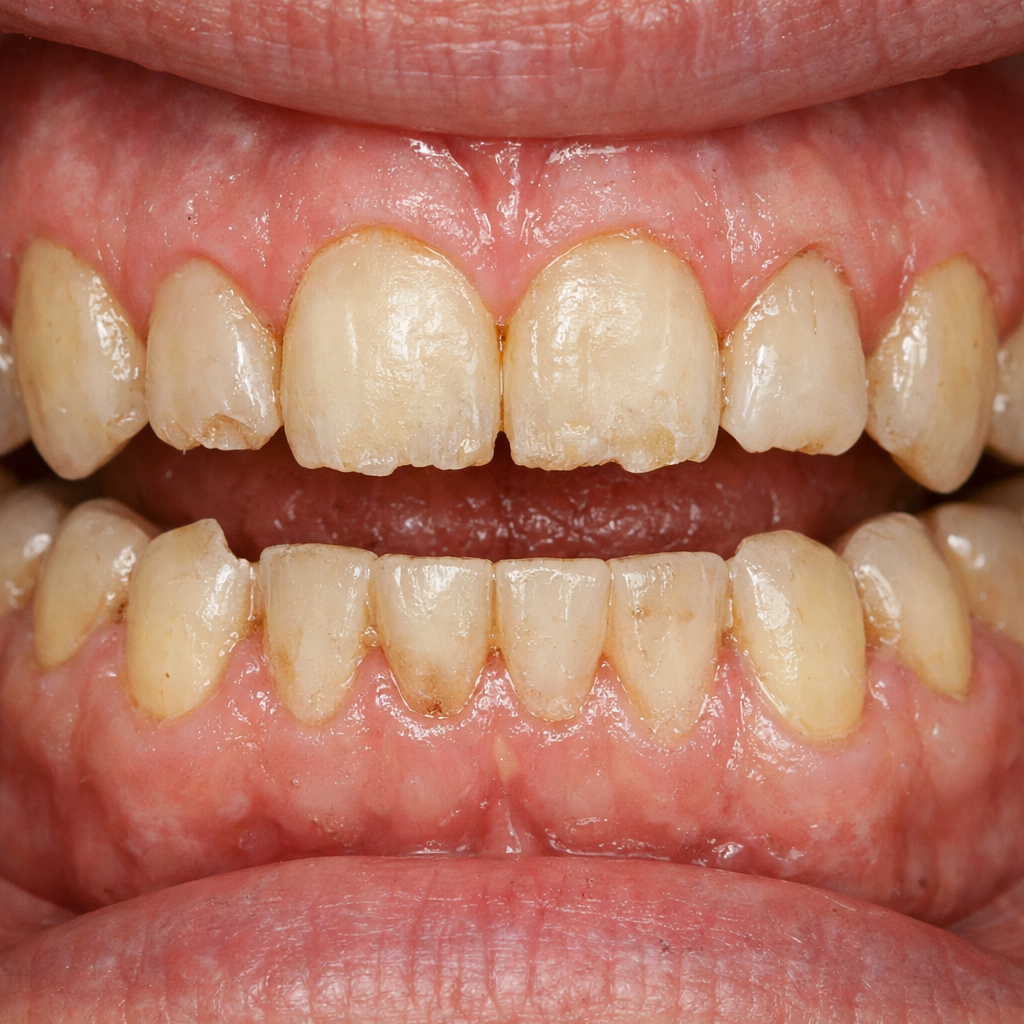
Bruxism is the unconscious habit of grinding or clenching your teeth, most commonly during sleep. It affects an estimated 8–10% of adults and can cause significant damage to teeth, restorations, jaw joints (TMJ), and surrounding muscles. Many people are unaware they grind their teeth until a dentist spots the telltale signs — worn tooth surfaces, cracked fillings, or jaw muscle tenderness.

Stress, anxiety, sleep disorders, an abnormal bite, and certain medications can all contribute to bruxism. The forces involved are considerable — nocturnal grinding can exert up to 250 pounds of pressure, far exceeding normal chewing forces. Over time, this can wear teeth down to stumps, crack restorations, cause chronic headaches, and lead to painful TMJ disorders.

How Does a Bite Splint Work?

A bite splint (also called a night guard or occlusal splint) is a custom-made acrylic device that fits over your upper or lower teeth. It creates a barrier between your upper and lower teeth, absorbing and distributing the grinding forces to prevent damage. It also relaxes the jaw muscles and reduces clenching intensity, often relieving associated symptoms like headaches, jaw pain, and ear ache.


  • ✓


    Custom-made from dental impressions for a precise, comfortable fit
  • ✓

    Worn during sleep — thin enough to feel comfortable all night
  • ✓

    Protects teeth, fillings, crowns, and veneers from grinding damage
  • ✓

    Relieves jaw pain, headaches, and muscle tension

    • ✓


      Lasts 3–5 years with proper care

Signs You Might Need a Bite Splint in Marbella

Common signs of bruxism include waking with a sore jaw or headache, sensitive or worn-looking teeth, cracked or chipped fillings, jaw clicking or popping, and neck or shoulder tension. If you notice any of these symptoms, a dental examination at R&H Dental can confirm whether bruxism is the cause and whether a bite splint would help. Early intervention prevents the progressive damage that untreated grinding causes.

Watch & Learn More

Understanding & Treating Bruxism

From recognising the signs to protecting your teeth with a precision-fitted bite splint

1

Understanding Bruxism

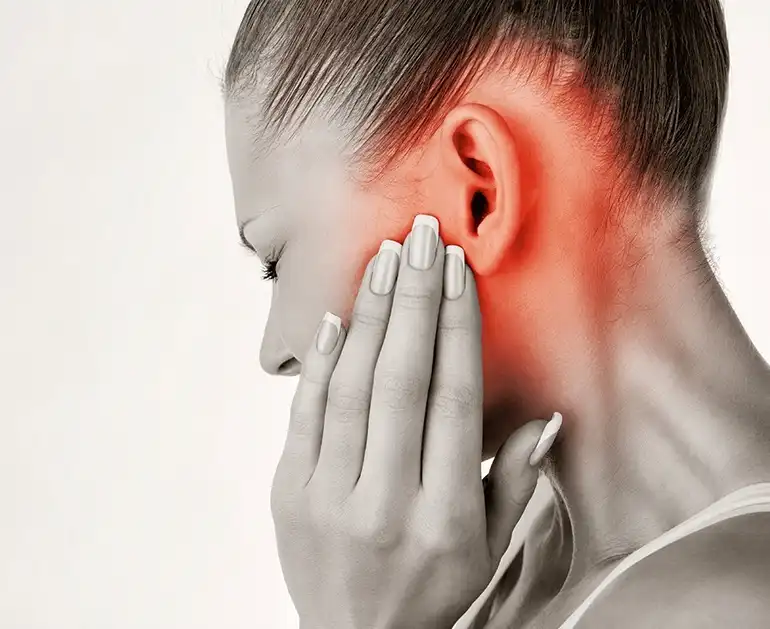
tmj-pain-1

Teeth grinding (bruxism) is a dangerous habit that wears away enamel and can cause chronic damage to your jaw joint

2

Recognising the Signs

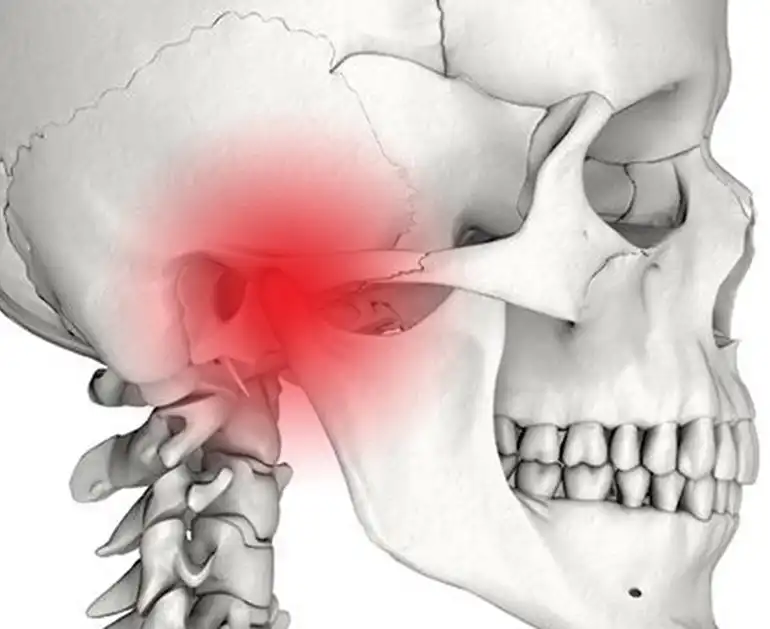
tmj-pain-skull-1

Common signs of bruxism include jaw pain, headaches, tooth sensitivity, worn tooth surfaces, and damage to dental restorations

3

The Bite Splint Solution

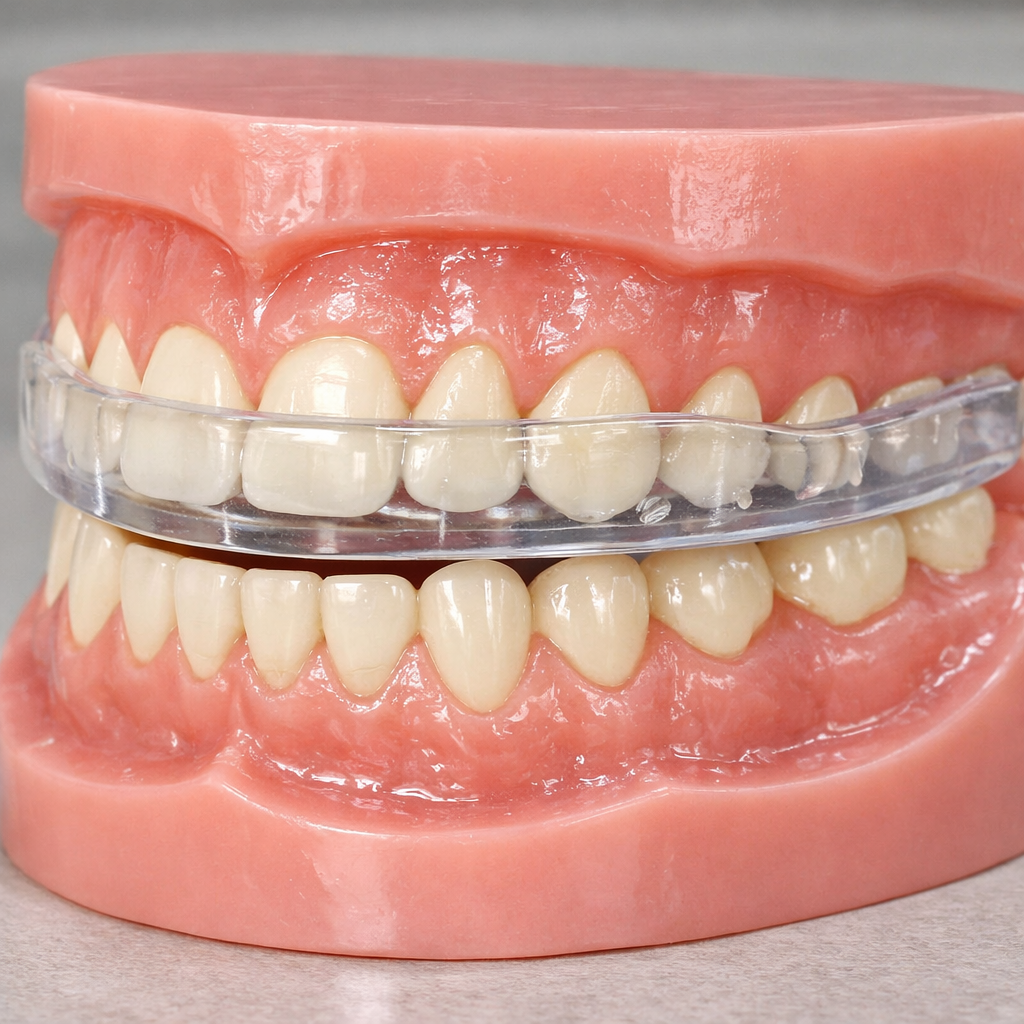
Michigan Bite Splint-1

A custom-made night bite splint prevents tooth wear and jaw joint damage — easy to make and comfortable to wear every night

4

Getting Your Bite Splint

A simple two-visit process — impressions at the first visit, fitting the finished splint about two weeks later

English-Speaking Dentists

From Finland, Denmark, NZ, Ireland, Portugal & Spain — 15-35 years experience

Transparent Pricing

Published prices, no hidden fees — what we quote is what you pay

Written Guarantee

All treatments backed by our published guarantee policy

1st Check Up Free

Book your first visit at no charge — no obligations

Accurate, Honest Diagnosis

No unnecessary treatments — only what you truly need

Trusted by 9,500+ Expats

Your neighbors have chosen us — 4.9★ from 445+ reviews

Dani Garcia R&H Dental Marbella Recommendation R&H Dental Marbella

Bite Splint Pricing

Custom-made for a perfect fit and lasting protection

Grinding Bite Splint from 319€

For a custom night bite splint

Bite splints in Marbella: your questions

Bruxism and the role of a splint

What is a grinding bite splint?

A bite splint is a custom appliance that separates direct contact between the upper and lower teeth. At R&H, a custom bruxism splint can help protect teeth and restorations from grinding or clenching; its design, wear schedule and follow-up are chosen for your situation.

Why can grinding during sleep matter?

Repeated contact during sleep may contribute to tooth wear or discomfort without you noticing the activity. The effects vary between people, so R&H assesses evidence of change and risk rather than assuming every grinding sound means severe or inevitable damage.

Does a bite splint cure grinding or mainly protect the teeth?

Its main role is protection. Some patients may find improved comfort, but a splint does not guarantee that bruxism stops or that jaw symptoms resolve. R&H reviews its benefit and considers whether other measures or assessment are needed alongside it.

What happens if bruxism is not assessed for years?

Some people develop progressive wear or restoration damage, while others have little change. A review helps identify what is happening and whether proportionate protection is needed; it should not be used to predict inevitable severe joint disease or a particular future treatment bill.

What is the difference between clenching and grinding?

Clenching means pressing the teeth together; grinding involves movement against each other. Both can matter when assessing tooth wear or discomfort, so tell R&H what you notice during the day and what a sleeping partner has observed.

Can I grind my teeth without knowing it?

Yes. Sleep-related activity may be noticed through sounds, morning symptoms or changes in teeth and restorations. Those clues help guide assessment but do not establish the full cause alone; R&H checks the history alongside your teeth and jaw.

Does everyone who grinds need a night guard?

No. The decision depends on evidence of damage, symptoms, progression and individual circumstances. A consultation at R&H should establish what needs protection or monitoring before recommending an appliance, rather than treating every report of grinding in the same way.

Does a splint grow back worn enamel?

No. A protective device does not rebuild tooth structure already lost. R&H assesses whether existing wear needs monitoring or restorative care, while the splint, if indicated, addresses protection of the remaining teeth and completed dental work.

Can stress be relevant without being the only explanation?

Yes. Stress may be one factor to discuss, alongside sleep, habits and medical history. R&H should avoid reducing every case to stress alone; the practical plan follows the findings and may include measures beyond a dental appliance.

Is grinding damage inevitable if I do not buy a splint immediately?

No. Risk and progression vary, and a purchase decision should follow assessment. R&H can explain the changes seen, likely benefit of protection and alternatives such as monitoring, so the recommendation is proportionate to your findings rather than based on alarm.

Assessment and symptoms worth discussing

How do I know whether I might need a night guard?

Jaw discomfort, sensitivity, tooth wear or damaged restorations are reasons to arrange assessment. None proves a splint is needed on its own, and clicking alone is not a diagnosis; R&H considers symptoms, dental findings and history before recommending protection.

Can a splint help jaw clicking or joint discomfort?

Benefit depends on the cause. A splint may be considered within an individual plan, but it does not guarantee relief of clicking, pain or joint problems. Persistent pain, locking or restricted opening needs assessment before choosing a device yourself.

What does a bruxism consultation at R&H in Marbella involve?

We assess the teeth for wear, look at the bite and jaw joints, and discuss any symptoms such as headaches, jaw pain, muscle tightness, or broken dental work. That allows us to work out whether a night guard Marbella solution is the right next step and what type of splint would suit you best.

Does tooth wear prove I am currently grinding at night?

No. Wear records what has happened to tooth surfaces and may have more than one contributor. R&H compares history, symptoms and changes over time before interpreting it as active grinding or using it to justify a particular treatment.

What should I record before a bruxism consultation?

Note when discomfort occurs, whether you wake with jaw fatigue, any daytime clenching and recent tooth or filling damage. Bring an existing guard if you have one; concrete observations help R&H assess the problem more usefully than a symptom label alone.

Should I mention medicines when discussing grinding?

Yes. Bring your current medication list and explain any recent changes. Some medicines may be relevant to bruxism, but do not stop or alter prescribed treatment yourself; the dentist can discuss whether coordination with your prescribing clinician is needed.

Can a headache have a cause other than grinding?

Yes. A headache should not automatically be attributed to the teeth or jaw. Explain its pattern and associated symptoms at assessment; R&H can evaluate dental factors and advise when medical assessment is appropriate instead of promising that a splint will resolve it.

Does painless jaw clicking necessarily need treatment?

Painless clicking is common and does not by itself justify a splint or an irreversible bite change. Mention it during examination, particularly if it becomes painful or movement changes, so advice reflects function and symptoms rather than sound alone.

What if my jaw locks or opening becomes limited?

Arrange prompt assessment, especially if the change is new or painful. Do not try to force the jaw or use an unassessed guard to correct it; R&H needs to identify whether a jaw, dental or another problem is involved.

Can a cracked filling and jaw pain need separate treatment?

Yes. A splint may form part of protection, but it does not repair a damaged restoration or establish the cause of pain. R&H examines each problem and explains the sequence rather than assuming one appliance addresses every finding.

Custom design and the fitting process

How does a custom bruxism splint differ from a shop-bought guard?

A custom splint is made from your dental records and allows the fit and bite contacts to be checked clinically. Generic guards vary in design and suitability; R&H assesses your needs rather than assuming every product offers equivalent protection or universal comfort.

Can children use bite splints?

Selected children may be assessed for a splint, taking account of symptoms, tooth development and growth. Childhood grinding does not automatically require an appliance; design and review must accommodate a changing mouth, with children’s dental care guiding the decision.

How long does it take to get a bite splint made in Marbella?

R&H’s published guide is about two visits and roughly two weeks between records and fitting. The design, laboratory work and adjustments may alter that schedule, so reception and the treating clinician should confirm the practical dates for your case.

What happens at the records appointment for a splint?

R&H checks the teeth, bite and symptoms and takes the records needed for the chosen design. The laboratory uses those records to make the appliance; any active dental problems should be considered before finalising how the splint will fit.

Why does a custom bite splint need a fitting appointment?

A device made from records still needs checking in your mouth. R&H reviews seating, retention and bite contacts and makes appropriate adjustments; collecting the appliance without understanding fit and use would miss an important part of its care.

Will my splint fit upper or lower teeth?

The clinician chooses the arch and design according to your teeth, restorations and clinical needs. Ask why that option is proposed and how it should sit; an upper or lower appliance is not automatically better for every patient.

Are all custom splints made from the same material?

No single material should be assumed from the word custom. Ask R&H which material and design are planned, how they suit your case and what cleaning instructions apply; the fit and follow-up matter alongside the material itself.

Can I bring a shop-bought guard for the dentist to assess?

Yes. Bring it and explain when you use it, how it fits and any symptoms. R&H can examine the appliance with your teeth and bite rather than advising from packaging alone or assuming all generic guards are equivalent.

Should planned fillings or crowns be discussed before making a splint?

Yes. Dental work can change the shape the appliance fits over. Tell R&H about planned treatment so the sequence can be coordinated and you understand whether records should wait until restorations are complete or another arrangement is needed.

What should I know before leaving my night guard fitting?

Practise inserting and removing the splint as shown and confirm how it should feel when seated. Ask about wear hours, cleaning and warning signs; being able to use it correctly matters as much as receiving the appliance.

Wearing a splint and checking comfort

Are splints only worn at night?

They are often prescribed during sleep, but the schedule depends on the clinical plan. Daytime clenching can need different measures; do not wear a splint continuously without advice or assume it replaces assessment of sleep-related symptoms.

Are bite splints comfortable to sleep in?

The fit should allow tolerable use, although there may be an initial adaptation period. Tell R&H about discomfort or poor retention. New pain, bite changes or breathing problems require stopping use and assessment, rather than pushing through symptoms to become accustomed to it.

Can a splint protect crowns, veneers or implants?

When indicated, it can help protect teeth and restorations from direct grinding contact. It cannot eliminate all forces or guarantee against fractures or implant complications, so R&H adapts the design to your dental work and checks it during follow-up.

Should I wear the splint every night if it has been prescribed that way?

Follow the agreed schedule and discuss difficulties that prevent consistent use. A protective device can only act while worn, but extending wear beyond the prescription is not automatically helpful; R&H can review the routine and fit if adherence is difficult.

Can I eat while wearing a grinding splint?

A grinding splint is not a replacement for normal chewing surfaces. Follow the instructions for your appliance and remove it for meals unless specifically directed otherwise; ask R&H about the routine if your prescribed wear includes daytime hours.

What if the splint causes new pain?

Stop using it and contact the dentist for assessment rather than forcing yourself to adapt. The appliance and bite need review, and the cause of pain should be reconsidered; a prescribed splint should not be assumed harmless when symptoms change.

What if my bite feels different after I remove my night guard?

Report a new or persistent bite change and stop using the appliance pending advice. R&H needs to check the design, fit and contacts; do not continue wearing it to try to force the bite back into a position.

What if the splint feels loose or comes out during sleep?

Contact R&H for a retention check before continuing with an unstable appliance. Tell us whether this started recently or after dental treatment, and bring the device; do not add glue, reshape it with heat or improvise a retaining method.

Can I wear a splint with orthodontic retainers or aligners?

Do not stack appliances without a coordinated plan. Retainers, aligners and grinding splints have different purposes and may affect each other’s fit; tell the treating clinicians what you use so protection can be considered alongside orthodontic care.

Can a splint make all implant loading harmless?

No. It may help limit direct contact and protect restorations, but forces still exist and implant complications have several possible causes. R&H reviews the implant restoration and splint together rather than treating the appliance as a guarantee against overload.

Cleaning, wear and replacement

How do I clean and look after my custom bite splint?

A bite splint should be rinsed after use and cleaned regularly so plaque and staining do not build up on it. We also review it during your dental visits because, like any protective device, it can wear over time and may need adjustment or replacement eventually.

Why should I avoid hot water when cleaning the splint?

Heat can affect the shape of some appliance materials and compromise the fit. R&H’s instructions describe cold water and a soft brush; follow the care guidance for your particular device rather than trying to sterilise it in boiling water.

Can I use household bleach or abrasive paste on it?

Do not use products that have not been recommended for the material. Ask R&H which cleanser is suitable if rinsing and gentle brushing do not remove build-up; household chemicals or abrasive products can create a new problem instead of improving hygiene.

How should I store the splint between uses?

Use the storage method and case recommended for your material, keeping it protected from heat and accidental damage. Clean it before storing and ask R&H if unsure about drying or moisture requirements rather than copying instructions for another appliance.

Should I take my splint to routine dental appointments?

Yes. R&H can inspect wear, cleanliness, retention and bite contacts while checking your teeth and restorations. Bring it even if you have no complaint, because changes in the device or dental work may not be obvious to you.

Do marks on the splint mean it has failed?

Not necessarily. Marks show contact on the appliance, but their significance depends on depth, location and overall condition. Bring it for review if wear is pronounced or changing; do not use marks alone to estimate grinding strength or diagnose joint damage.

What if my splint develops a crack or sharp edge?

Stop using a damaged or sharp appliance and contact R&H. Keep the pieces if it breaks and bring them to the assessment; suitability for repair or replacement depends on the damage and fit, so do not glue it at home.

How long should a custom splint last?

There is no fixed lifespan for every patient. Material, forces, care and changes in the teeth all affect wear and fit; R&H reviews the appliance over time and recommends replacement based on its condition rather than a universal expiry date.

What if my night guard no longer fits after a new filling?

Do not force it over the changed tooth. Contact R&H with the appliance and details of the dental work so fit can be checked; it may need professional adjustment or replacement depending on the extent of the change.

Can I reshape an old splint myself to avoid replacing it?

No. Heating, cutting or filing can change retention and bite contacts in ways that are difficult to assess at home. Have R&H review whether a controlled adjustment is appropriate or whether the appliance needs replacing.

Costs, sleep and a wider care plan

What prices does R&H publish for bite splints in Marbella?

R&H publishes a starting price of 319€ for a custom bite splint. Ask for the specific design and a written breakdown of records, fitting and adjustments; the starting figure is a reference and does not establish the exact scope for every patient.

How do I book a bite splint assessment in Marbella?

When booking a night guard assessment at R&H in Marbella, describe grinding, jaw symptoms or restoration damage and any appliance you already use. The online form is a request; reception confirms the appointment, and the assessment decides whether a splint is the appropriate next step.

What should the splint quotation include?

Ask whether the fee covers assessment, records, manufacture, fitting and planned adjustments. R&H’s starting price is a guide rather than a complete description of every possible follow-up cost; the written plan should identify the device and included care.

Is a grinding splint a treatment for sleep apnoea?

No. A grinding splint and a prescribed sleep-apnoea appliance have different purposes. Tell the clinician about snoring, observed breathing pauses or daytime sleepiness so appropriate medical assessment can be considered; dental protection must not substitute for evaluating breathing during sleep.

What if wearing the appliance makes breathing difficult?

Remove it and seek appropriate help rather than continuing to wear it. Contact R&H to review the appliance; severe or ongoing breathing difficulty requires emergency medical attention and 112 in Spain, not waiting for a routine splint appointment.

Can daytime clenching require measures other than a night splint?

Yes. A device used during sleep does not address every daytime habit. Discuss when clenching occurs so the clinician can consider awareness and behaviour measures as part of the plan; do not extend appliance wear all day without advice.

Should caffeine, alcohol and smoking be discussed at the consultation?

They can be relevant factors, so give an honest picture of your routine. R&H can consider them alongside sleep and symptoms without assuming one habit explains everything; changes to daily routines complement assessment rather than replacing it.

Is muscle-injection treatment interchangeable with a bite splint?

No. A splint provides a physical contact surface, while muscle-directed treatment has different aims, risks and limitations. Any injectable option needs a separate clinical assessment; being suitable for protection does not automatically make someone suitable for injections.

Should teeth be permanently reshaped simply to cure suspected bruxism?

Not as an automatic response. Irreversible tooth or bite changes require their own clear indication and informed discussion; a suspicion of grinding is not enough. Ask R&H to explain conservative protection and monitoring before considering permanent changes.

What should the follow-up plan measure besides whether I still grind?

Review should consider tooth and restoration protection, appliance fit, symptoms and any new concerns. R&H can adjust the plan according to those findings; continuing to notice grinding does not alone show failure, and symptom relief does not prove the activity has stopped.

Request a Bite Splint Consultation

Suspect you might be grinding? Book an assessment and protect your teeth before more damage is done.

R&H Dental uses your personal data to manage your appointment request and contact you about it. Data controller: RD&HE Enterprises S.L.
Obligation-free, Expert Diagnosis & Advice Obligation-free, Expert Diagnosis & Advice
Written Guarantee on All Treatments Written Guarantee on All Treatments
Transparent Reasonable Pricing Transparent Reasonable Pricing
English-speaking Clinic English-speaking Clinic

experienced marbella dentists

15-35 years

Experience per dentist (no junior dentists)

best dentist marbella

9,500+

Happy patients treated

english speaking dentist marbella

8

English-speaking dentists & specialists

dental clinic marbella

4.9/5

Google rating (445+ genuine reviews)

Screenshot_2026-04-14aaa_182256-removebg-preview
So confident in the quality of our work, we are the only dental clinic in Marbella with a publicly available written guarantee!
Read Guarantee

Stop the damage. Start sleeping better.

Book a bruxism assessment and get your custom bite splint in just two visits