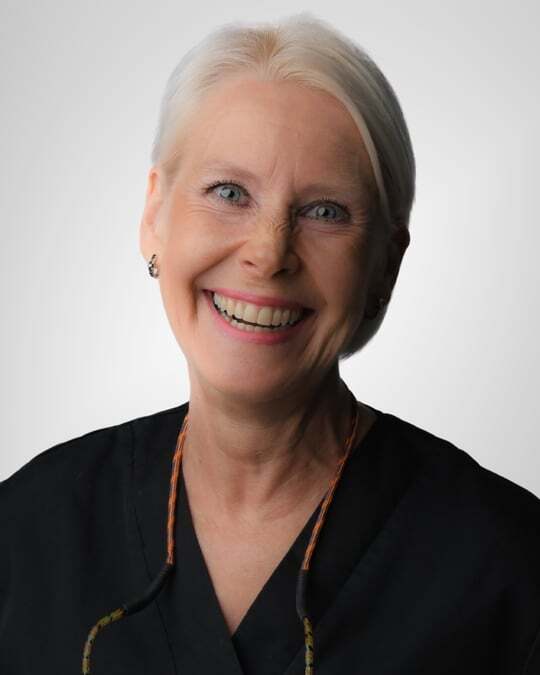
marbella dentures
Truly Comfortable Dentures in Marbella
Custom-made dentures designed to feel comfortable and look natural — from traditional to implant-supported overdentures
“Consider cleaning, comfort, available bone, the bite and future repair needs as well as cost. A removable design can be appropriate for some patients and a fixed design for others. I explain the practical differences so the choice fits your circumstances.”
Good dentures should feel secure, look natural, and suit the reality of everyday life. Whether you need a first set, a replacement, or a more stable implant-retained option, we design around fit, comfort, and confidence.
Benefits of a Well-made Denture in Marbella
The right denture can restore much more than missing teeth.
Types of Dentures Available in Marbella
At R&H Dental, we offer several types of dentures to suit different needs and budgets. Full (complete) dentures replace an entire arch of missing teeth, while partial dentures fill gaps when some natural teeth remain. We also offer implant-retained overdentures — which clip onto dental implants for dramatically improved stability and comfort. Every denture is custom-made by experienced dental technicians using premium materials.
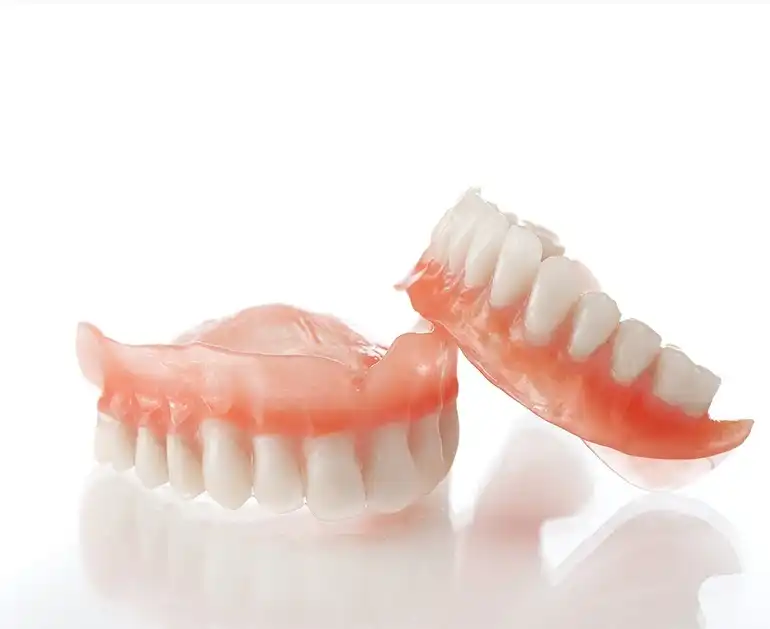
Full dentures: replace a complete arch of missing teeth
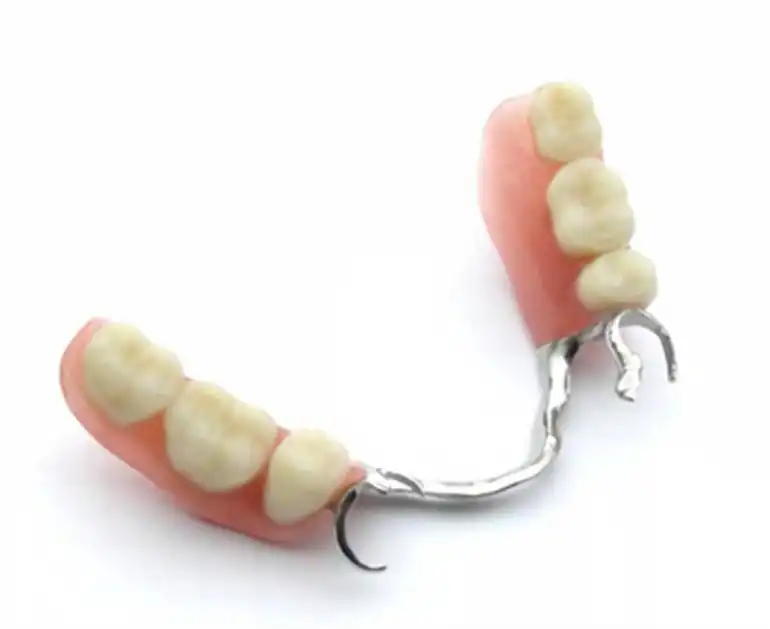
Partial dentures: fill gaps while preserving remaining natural teeth
Implant-retained overdentures: clip onto implants for superior stability
Flexible dentures: lightweight, metal-free option for partial replacements
Modern Dentures in Marbella vs Old-Fashioned Options
Today's dentures bear little resemblance to the bulky, obvious dentures of previous generations. Modern materials are lighter, thinner, and more natural-looking. The teeth are individually characterised with natural colour gradients, and the gum-coloured base mimics the texture and shade of real gum tissue. At R&H Dental, we take great care to ensure your dentures complement your facial features and look completely natural.
For patients who want maximum comfort and stability, implant-retained overdentures represent a significant step up. By clipping onto 2–4 dental implants, overdentures eliminate the rocking and shifting that can make traditional dentures uncomfortable. They also stimulate the jawbone, preventing the bone loss that occurs with conventional dentures.
Your Denture Journey
From consultation through precision fitting to comfortable, natural-looking dentures
Understanding Your Options
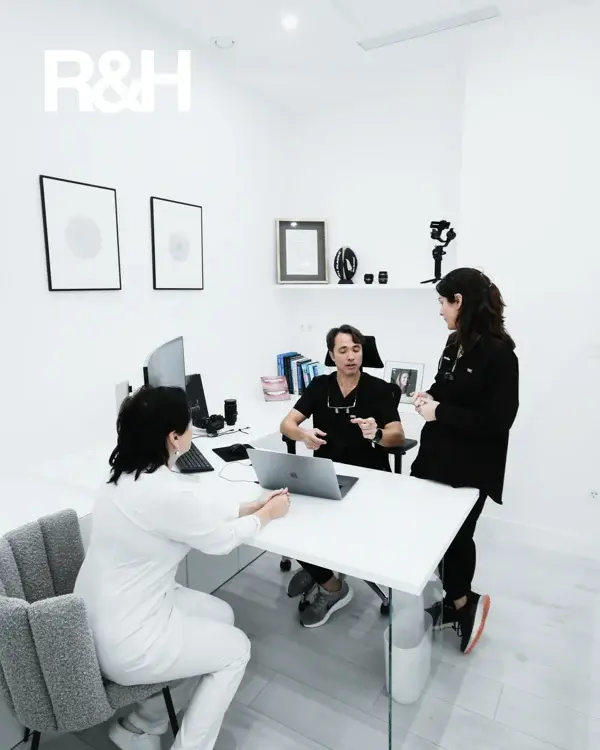
Removable dentures are an effective way to restore lost teeth — we offer traditional acrylic, metal-framed, and implant-supported options
What are dentures?
If you are missing one or more teeth, an effective way to restore the lost spaces in your dental arch is with a removable prosthesis. Dentures are custom-made replacements for missing teeth that can be removed and put back into your mouth. They come in full dentures (replacing all teeth in an arch) and partial dentures (replacing some teeth while fitting around remaining natural teeth).
Materials & types
Dentures can be made of acrylic (lightweight and relatively more affordable) or with a metal framework (thinner, stronger, and suitable for more precise builds). At R&H Dental, we'll explain the pros and cons of each option and help you choose the best solution for your specific situation, budget, and lifestyle.
The R&H Dental Difference
We take our time over 5 sessions and use advanced registration techniques to ensure comfort, stability, and a natural appearance
Precision & patience
The difference between the dentures we make at R&H Dental and those from elsewhere is notable. First, we take our time — typically 5 separate sessions with one-week gaps while the laboratory fabricates each stage. This allows for small adjustments at every step. Secondly, we use advanced dental instruments to ensure your bite is in a comfortable position relative to your skull and face.
Why this matters
This form of precise bite registration ensures comfort, long-term stability, and greatly decreases the chances of developing jaw joint pain (TMJ problems) due to poorly made dentures. Poorly fitted dentures can cause chronic discomfort, difficulty eating, sore spots, and even changes to your facial structure over time. Our meticulous approach avoids all of these problems
Implant-Supported Overdentures
The biggest advance in denture technology — overdentures that click into dental implants for unshakeable stability
Click-in stability
The biggest advances in removable dentures are that they can now be placed over dental implants and snapped into place with a 'click'. This means the traditional problem of loose dentures — especially lower dentures — no longer exists. The dentures are incredibly stable while in the mouth, allowing you to eat, speak, and laugh with complete confidence.
Two options
We offer two types of implant-supported dentures. Fixed overdentures are permanently attached to the implants — you don't need to remove them at night and can clean them as you would natural teeth. Removable overdentures 'clip' into place over the implants, providing excellent stability throughout the day but can be removed at night for cleaning. Both are a dramatic improvement over traditional dentures.
The Process & Aftercare
Around 5 visits over several weeks for traditional dentures, with ongoing adjustments and relining as needed
What to expect
The denture process typically involves 5 appointments: initial impressions and measurements, bite registration, a wax try-in (where you can see and approve the appearance before the final denture is made), fitting and adjustment of the finished denture, and a follow-up review. Each appointment is relatively short, with a one-week gap for laboratory work.
Adapting to your dentures
New dentures take a little time to get used to. Speaking and eating may feel slightly different for the first few days to weeks. Start with soft foods and gradually introduce harder foods as you gain confidence. Your mouth and facial muscles will adapt. We schedule follow-up appointments to make any necessary adjustments for optimal comfort.
“Sometimes a denture can be adjusted, relined or replaced after assessment. Implants are one possible option, not a requirement for every denture problem. We first establish why the denture is uncomfortable or unstable and discuss what each approach could change.”
English-Speaking Dentists
From Finland, Denmark, NZ, Ireland, Portugal & Spain — 15-35 years experience
Transparent Pricing
Published prices, no hidden fees — what we quote is what you pay
Written Guarantee
All treatments backed by our published guarantee policy
1st Check Up Free
Book your first visit at no charge — no obligations
Accurate, Honest Diagnosis
No unnecessary treatments — only what you truly need
Trusted by 9,500+ Expats
Your neighbors have chosen us — 4.9★ from 445+ reviews

Denture Pricing
Pricing depends on aesthetics, framework type, and case complexity
Dentures for English-Speaking Expats in Marbella
Dentures in Marbella: your questions
01Choosing a removable replacement
What are dentures and how do they work?
Dentures are custom removable replacements for missing teeth. Full dentures replace an entire arch, while partial dentures fit around remaining teeth. At R&H the aim is to improve daily function and appearance through a design suited to your mouth, support and bite.
What is the difference between full dentures and partial dentures?
Full dentures replace all the teeth in an upper or lower arch, while partial dentures replace some missing teeth and work around the healthy teeth that are still present. The right option depends on how many teeth are missing and what kind of support is available.
What materials can dentures be made from?
Dentures can be made in acrylic or in a combination of metal and acrylic. Acrylic dentures are lighter and generally more economical, while metal-based partial dentures can be thinner and sometimes more refined where that suits the case better.
How do I know whether dentures, bridges, or implants are best for me?
That depends on how many teeth are missing, the condition of the remaining teeth and gums, your bone levels, your preferences, and your budget. Some patients are best served by dentures, some by bridges, and some by implants or implant-supported dentures, so the right answer comes from a proper assessment rather than from one-size-fits-all advice.
Can I have partial dentures if some teeth are still healthy?
Yes. A partial denture works around remaining teeth rather than automatically replacing them all. R&H assesses which teeth can contribute useful support and plans the design around their position, condition and gum health.
Is one denture needed for each jaw?
A complete denture replaces teeth in one arch, so upper and lower dentures are separate appliances. If both are needed, they are planned together to work in the bite; ask whether your quotation concerns one arch or both.
Does choosing dentures mean I must have all remaining teeth removed?
No. The choice between partial and complete dentures follows assessment of the teeth you have. Any proposed extraction should have its own explanation, alternatives and consent; removable replacement does not automatically justify removing otherwise useful teeth.
Can a removable denture improve appearance as well as chewing?
That is part of the aim. R&H plans tooth position and appearance alongside bite and fit, so tell us about your smile concerns and eating difficulties. Improvement varies with support and adaptation rather than coming from appearance choices alone.
Is a metal framework visible in every partial denture?
Visibility depends on the design and where components sit in your smile. Ask R&H to explain the proposed framework and any visible retention before fabrication, so appearance and support can be weighed together for your particular gaps.
Why might a metal-based partial be suggested instead of acrylic?
R&H’s page describes metal-and-acrylic partial dentures as an option that can allow a thinner framework. Suitability depends on the remaining teeth, space and design; discuss comfort, appearance, cost and future maintenance rather than comparing the materials by price alone.
02Records, trial stages and fitting
How are dentures planned and fitted at R&H in Marbella?
The process includes mouth and bite records, laboratory work, trials and adjustments, usually organised over around five sessions. R&H aims for an appropriate fit and workable bite; careful records cannot guarantee instant adaptation or eliminate every possible jaw or comfort problem.
How long does it take to make dentures?
R&H’s published guide is around five visits over five to six weeks, allowing laboratory time between stages. Your design, healing and required adjustments can change this; confirm an individual schedule before arranging travel around the denture process.
What happens at the first consultation for dentures?
We assess missing and remaining teeth, supporting tissues and bite, and discuss your current difficulties. Bring existing dentures even if you dislike them; their fit, shape and history can help explain what the new plan needs to address.
Why are several appointments needed rather than one fitting?
R&H’s process separates records, bite planning, laboratory work, trial stages and delivery. Each stage allows information to be checked before the next, so time spent between appointments contributes to the design rather than simply being a delay.
What does bite registration mean when making dentures?
It records how the upper and lower jaws relate so the replacement teeth can be arranged to work together. R&H uses bite records during planning; accuracy matters, but the result still needs clinical checks and individual adaptation.
Can I discuss the tooth colour before the denture is finished?
Yes. Discuss shade, shape and your preferred appearance during planning and trial stages. Old photographs or clear examples of what you liked about previous teeth may help the conversation, while the final arrangement must still suit function and available space.
What should I pay attention to at a denture try-in?
Discuss tooth appearance, lip support, speaking and how the bite feels. Ask which parts are still being checked and which can be changed at that stage; a trial is a useful opportunity to raise concerns before completion.
Can an old denture simply be copied into a new one?
An existing denture can provide useful information, but its worn bite or poor fit should not be reproduced without assessment. Tell R&H which features you want to keep and which cause problems so the new design responds to your current mouth.
Can healing after extractions affect the denture timeline?
Yes. The gums and supporting tissues change during healing, which can influence when records, delivery or later adjustments are appropriate. Ask how any extractions fit into your plan rather than assuming the standard fabrication timetable covers every stage.
Should I book travel before my denture appointments in Marbella are confirmed?
Wait for an individual schedule that allows the required trials and adjustment opportunities. R&H publishes an approximate five- to six-week process, but laboratory requirements and your mouth can alter it; a general duration is not a confirmed travel itinerary.
03Eating, speaking and adapting
Will dentures feel comfortable straight away?
An adaptation period is common, and the fit may need adjustment after delivery. Tell R&H about rubbing, pain or difficulty eating so the cause can be checked; immediate comfort is not guaranteed and persistent sores should not simply be endured.
Can I eat and talk properly with dentures?
Yes, that is the goal. A good denture should allow you to eat, speak, and smile with much more confidence, although there is usually a short adaptation period at the beginning while your muscles and tongue get used to the new fit.
What foods are easier while learning to use new dentures?
Softer foods and smaller pieces can make the early learning period more manageable. Follow your fitting advice and broaden food choices as comfort permits; persistent difficulty needs a fit review rather than permanent avoidance of the foods you need.
Can practising speech help with a new denture?
Yes. Reading aloud and repeating words that feel unfamiliar can help you adapt to the new tooth positions. Tell R&H about persistent clicking, movement or speech difficulty so the team can check whether fit or tooth arrangement needs attention.
Should I expect upper and lower full dentures to feel the same?
Not necessarily. Each arch has different support and is affected differently by the tongue and surrounding muscles. R&H assesses each separately and explains likely limitations, so difficulty with one does not automatically mean the other needs the same adjustment.
What if a new denture rubs one particular spot?
Contact the clinic for an adjustment review and describe the exact location. A sore spot should be checked rather than repeatedly endured; do not file the denture yourself, because changing its surface can affect the overall fit.
Is pain something I should simply get used to?
No. Some awareness of a new appliance is expected, but continuing pain or sores need assessment. R&H can distinguish an adaptation issue from pressure or another problem, rather than asking you to accept discomfort as the price of wearing dentures.
Can I use adhesive to solve a loose denture?
Adhesive may have a role, but increasing amounts should not replace a fit assessment. Tell the dentist how much you need and when the denture moves; changes in support, wear or design may need a different solution.
Should I practise inserting and removing a partial denture?
Yes. Ask for a demonstration and practise the prescribed path before leaving the fitting visit. If it catches or requires force, have the fit checked rather than bending clasps or biting it into position yourself.
What if the denture feels bulky?
Describe whether the problem affects the tongue, lips, speech or swallowing. Some adaptation may be needed, but persistent bulk concerns deserve a review of the design; do not thin the material yourself or assume it cannot be discussed.
04Cleaning and maintaining the fit
How should I look after my dentures?
Clean the removable appliance daily using products suitable for its material and rinse after meals. Unless instructed otherwise, remove it at night and follow its storage advice. Clean your mouth and any remaining teeth too, and attend reviews for fit and tissue health.
Do I still need to clean my mouth when all natural teeth are gone?
Yes. The gums, tongue and tissues beneath the denture still need care. Ask R&H to show an appropriate routine alongside cleaning the appliance itself; removing false teeth does not remove the need to monitor oral tissue health.
Should I take a removable denture out at night?
Usually yes, unless your dentist gives specific instructions for a particular stage of treatment. Night-time removal allows the tissues a break; confirm suitable storage for the material and clean your mouth as well as the appliance.
Can ordinary toothpaste damage a denture?
Some toothpastes are abrasive for denture surfaces. Use the products recommended for your material and distinguish denture cleaning from cleaning natural teeth, which still need fluoride toothpaste; ask before using whitening or household cleaning products on the appliance.
How can I avoid breaking my denture while cleaning it?
Handle it over a soft towel or water-filled basin so an accidental drop is less damaging. Dentures can fracture outside the mouth even when they function well; cleaning carefully is part of looking after the appliance.
Can I use any soaking tablet if my denture contains metal?
Check the product and your dentist’s instructions first. Cleaning and storage products must suit the framework and any attachments; the same solution is not automatically appropriate for every removable appliance, especially when different materials are combined.
Why can a denture become loose after fitting well for years?
The supporting gums and jaw can change over time, and the appliance also wears. R&H should assess both your mouth and the denture to decide whether adjustment, relining or replacement is appropriate rather than assuming stronger adhesive is enough.
What is a denture reline?
A reline changes the fitting surface to adapt an existing denture to the supporting tissues. Whether it is appropriate depends on the rest of the denture’s condition, bite and appearance; it cannot correct every problem in a worn appliance.
Do I need check-ups if I wear complete dentures?
Yes. Reviews assess fit, wear and the tissues of the mouth, even without natural teeth. Tell R&H about sores, movement or changes in eating so problems can be evaluated before they become an accepted part of daily life.
How should remaining teeth supporting partial dentures be cared for?
Remove the appliance as instructed and clean the natural teeth and gumline carefully, including areas around supports. Ask for a demonstration of difficult spaces; a partial denture replaces missing teeth but does not protect remaining teeth from decay or gum disease.
What ongoing care do implant retained dentures need?
“The denture, attachments and supporting tissues all need review. Removable parts must be cleaned as instructed, and components may need maintenance over time. Before treatment, I want you to understand both the home-care routine and the arrangements for professional follow-up.”
What should I do if dental hygiene is difficult around a bridge?
“Tell us which area you cannot reach. We can check whether the design or cleaning technique is contributing and demonstrate suitable aids. A restoration should be assessed as part of a maintainable mouth, not treated as complete regardless of access for home care.”
05Repairs, changes and implant-retained options
What are implant supported dentures?
“Implant-supported dentures use implants to help support or retain replacement teeth. Some designs are removable and others form part of a fixed restoration. We should clarify which design is proposed, how it is cleaned and what maintenance it will need.”
Do you offer both removable and fixed implant-supported denture options?
Yes. We can discuss both removable implant-supported overdentures and more fixed options, depending on the number of missing teeth, the amount of bone available, and the level of stability you want. This is often the most important conversation for patients comparing dentures Marbella with implant-based alternatives.
What should I do if my denture cracks or breaks?
Keep the denture and any fragments and contact R&H for assessment. Do not use household glue or continue wearing sharp, unstable pieces; the dentist needs to check whether a repair is suitable and whether the underlying fit contributed.
Can a broken denture always be repaired the same day?
No same-day repair should be assumed. The fracture, missing parts, material and laboratory availability affect what is possible; reception can help arrange assessment, and the team will explain timing after inspecting the appliance and its fit.
Can a tooth be added to my existing partial denture?
Sometimes, depending on the framework, position of the missing tooth and condition of the appliance. Bring the partial for assessment before relying on this option; some designs can be modified while others may require a new plan.
What if a clasp on my partial denture feels loose?
Book a review and avoid bending it yourself. Retention should be checked together with the supporting tooth and overall fit; tightening one component without assessment can create pressure elsewhere or fail to address the cause of movement.
Does an implant-retained overdenture still come out?
Yes. A removable overdenture is taken out for cleaning even though implants help retain it. That distinguishes it from a fixed full-arch bridge; R&H discusses the cleaning demands and attachment maintenance as part of the implant assessment.
Do overdenture attachments last indefinitely?
No. Attachments can wear and may need servicing or replacement. Ask which system is proposed, how it is cleaned and what maintenance costs to expect; improved retention does not mean a removable implant appliance becomes maintenance-free.
Can my existing denture automatically be attached to new implants?
No. Suitability depends on the denture’s design, condition, available space and implant plan. R&H needs to assess whether modification is feasible or a new prosthesis is preferable; implants cannot simply be added to every existing appliance.
When should I discuss a fixed full-arch alternative?
If your priority is a replacement that stays fixed, ask for a separate implant and full-arch assessment. Compare suitability, surgery, hygiene and costs with removable dentures; this page’s denture prices and timetable should not be treated as an All-on-4 quotation.
Can implant retained dentures help a loose lower denture?
“Implant retention can improve stability for selected patients, but the existing denture and the mouth need assessment. The number and position of implants, available space and condition of the tissues all influence the plan. It is not simply a matter of attaching any denture to implants.”
06Costs, guarantees and planning in Marbella
What affects the cost of dentures?
Design, materials, laboratory work, trial visits and associated treatment all affect the quotation. R&H explains the proposed scope so you can compare like-for-like plans; a higher fee alone does not guarantee better adaptation or remove the need for adjustments.
What prices does R&H publish for dentures in Marbella?
Our current denture page lists pricing from 995€ per arch, with a published range of 995€–1,295€ per arch depending on the aesthetics of the teeth, whether there is a metal framework, and the complexity of the case. That gives a realistic starting point for both full dentures Marbella and partial dentures Marbella treatment.
Are financing options available for dentures?
R&H describes financing options of up to 60 months, subject to lender approval and current terms. Ask for the total payable, interest and any fees before signing; the financial arrangement is separate from deciding which denture is clinically appropriate.
Do dentures come with a guarantee?
R&H’s published policy places partial and complete dentures in a two-year commercial category, with conditions and exclusions. Request the applicable written terms and maintenance requirements; cover is distinct from normal wear, adjustment needs and the changing tissues supporting the appliance.
Does a per-arch denture price include both upper and lower teeth?
No. Per arch refers to one jaw. If both upper and lower dentures are needed, request a complete written quotation showing each appliance and any related procedures, so a single-arch starting price is not mistaken for the full treatment total.
Are extractions and implants included in a conventional denture price?
Do not assume so. They are separate procedures with their own assessment and costs where needed. Ask R&H to distinguish the removable appliance, preparatory care and any implant components clearly before comparing treatment options or arranging finance.
Should I ask whether denture adjustments are included in the quotation?
Yes. Clarify the fitting visits, early adjustment arrangements and what later repairs, relines or replacements would cost. Knowing the scope helps you plan ongoing care without assuming every future change in your mouth is covered by the initial fee.
Can I request a denture consultation in English?
Denture consultations at R&H in Marbella are available in English and Spanish. Tell reception your preferred language and explain whether you need a first denture, replacement or help with an existing one, so the appointment discussion focuses on the right problem.
How should I plan denture follow-up if I live abroad?
Allow for fitting and adjustment visits before departure and discuss who will provide reviews afterwards. Keep the treatment details and clarify how to report problems; ongoing clinical care and any guarantee obligations need planning as well as the fabrication dates.
Is sending the denture booking form enough to secure a date?
No. R&H’s online form is a request, and reception confirms the appointment. Describe any broken appliance, pain or eating difficulty so the team understands the priority and can explain the appropriate assessment arrangements.
Request a Marbella Denture Consultation
15-35 years
Experience per dentist (no junior dentists)

9,500+
Happy patients treated

8
English-speaking dentists & specialists

4.9/5
Google rating (445+ genuine reviews)

Dentures that feel like they belong
Book a consultation and discover the R&H Dental difference in comfort and precision