

- 450+ Genuine Google Reviews
- Written guarantee
- From 790€ all inclusive
Why Dr. Bruno
You’re not choosing veneers. You’re choosing Dr. Bruno.
“A smile makeover is a personalised plan to improve the appearance of your smile using one or more treatments. It may involve whitening, bonding, veneers or orthodontics. I begin with your priorities and the health of the mouth, so the plan addresses the changes that matter to you.”
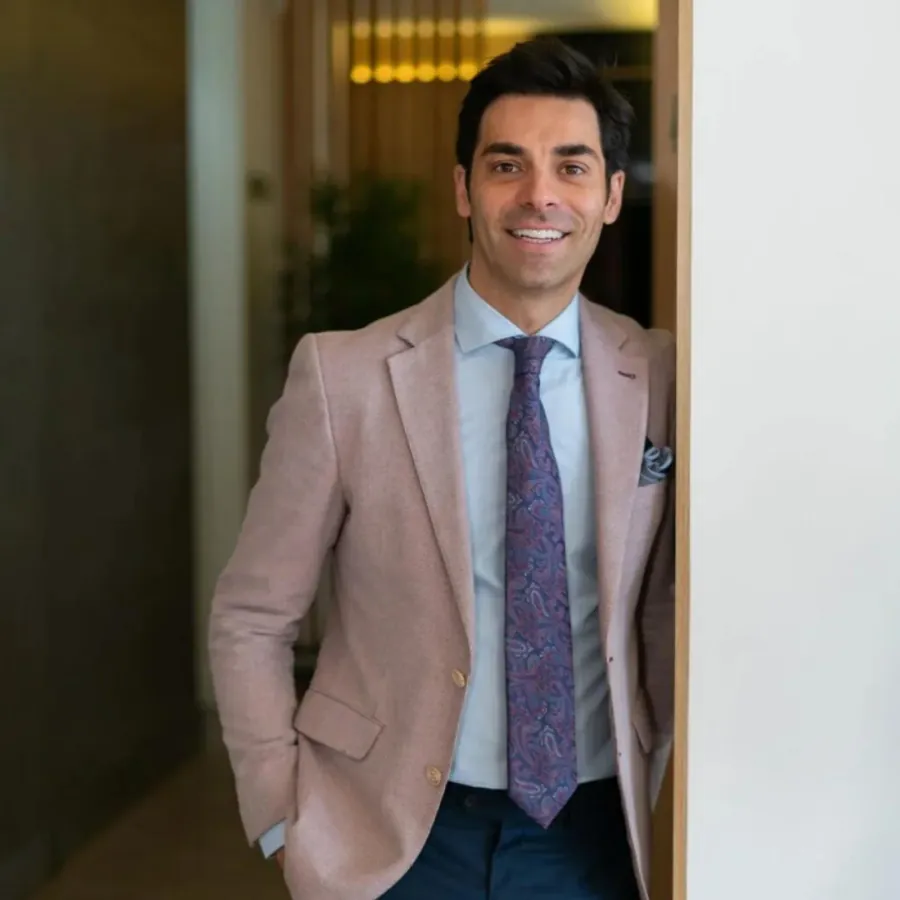
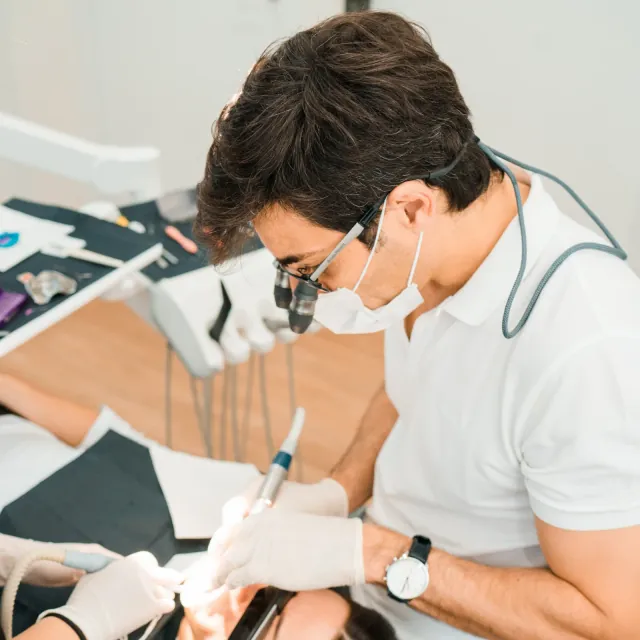
The veneer is the result. Dr. Bruno is the reason.Dr. Bruno Pereira · R&H Dental Marbella
- 23+years in advanced cosmetic dentistry
- PhDin Facial Aesthetics
- Facial Flow Concept™created by Dr. Bruno, lead author of its paper
- 450+Genuine Google Reviews
What makes Dr. Bruno unique
Three disciplines. One Dr. Bruno.
A cosmetic dentist who plans your smile around your face. An international lecturer who teaches other dentists. A master ceramist who, for his bespoke cases, carries the design into the ceramic himself.
Dr. Bruno designs every smile. You choose how much hand-finished ceramic artistry goes into it at your consultation.
The value of all three
One person connects the clinical plan, the thinking behind it and, in his bespoke cases, the smallest details of the ceramic.
Research, teaching and face-led design
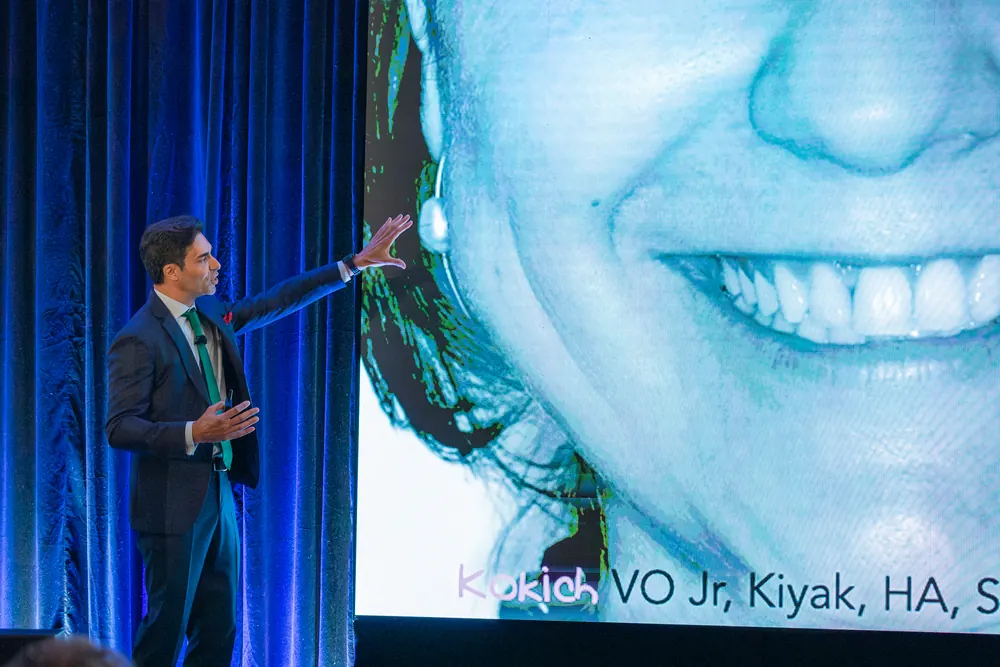
Dr. Bruno Pereira holds a PhD in facial aesthetics and completed postgraduate training at New York University. He created the Facial Flow Concept™ and is lead author of its peer-reviewed paper, a concept that features in Digital Smile Design education. Every year he teaches other cosmetic dentists in hands-on workshops and international lectures. At R&H he leads every cosmetic case he accepts, starting from your face and your priorities, never from a template. Whitening, bonding, orthodontics or no treatment may be the better answer, and the plan includes only the treatment you need.
Beyond the clinic
He teaches other dentists.
-
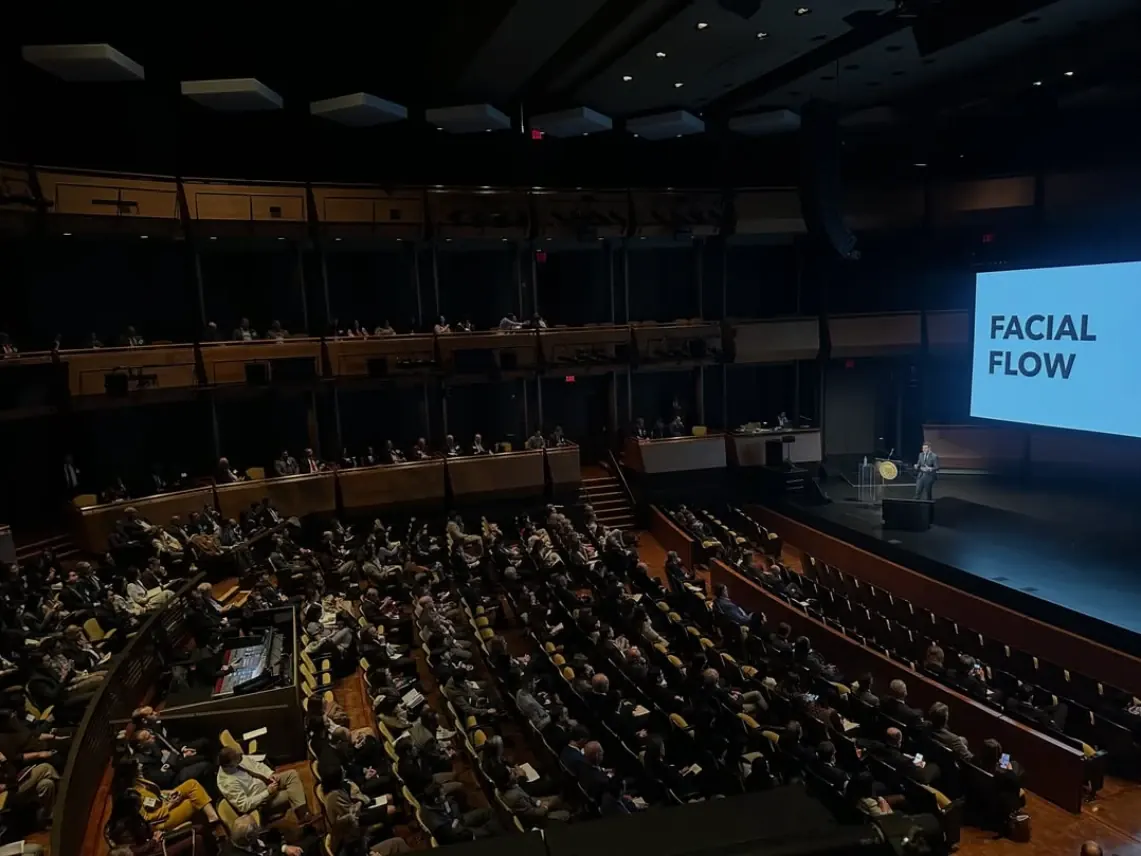
Lectures from the main stage
Presents his Facial Flow research to audiences of dentists.
-
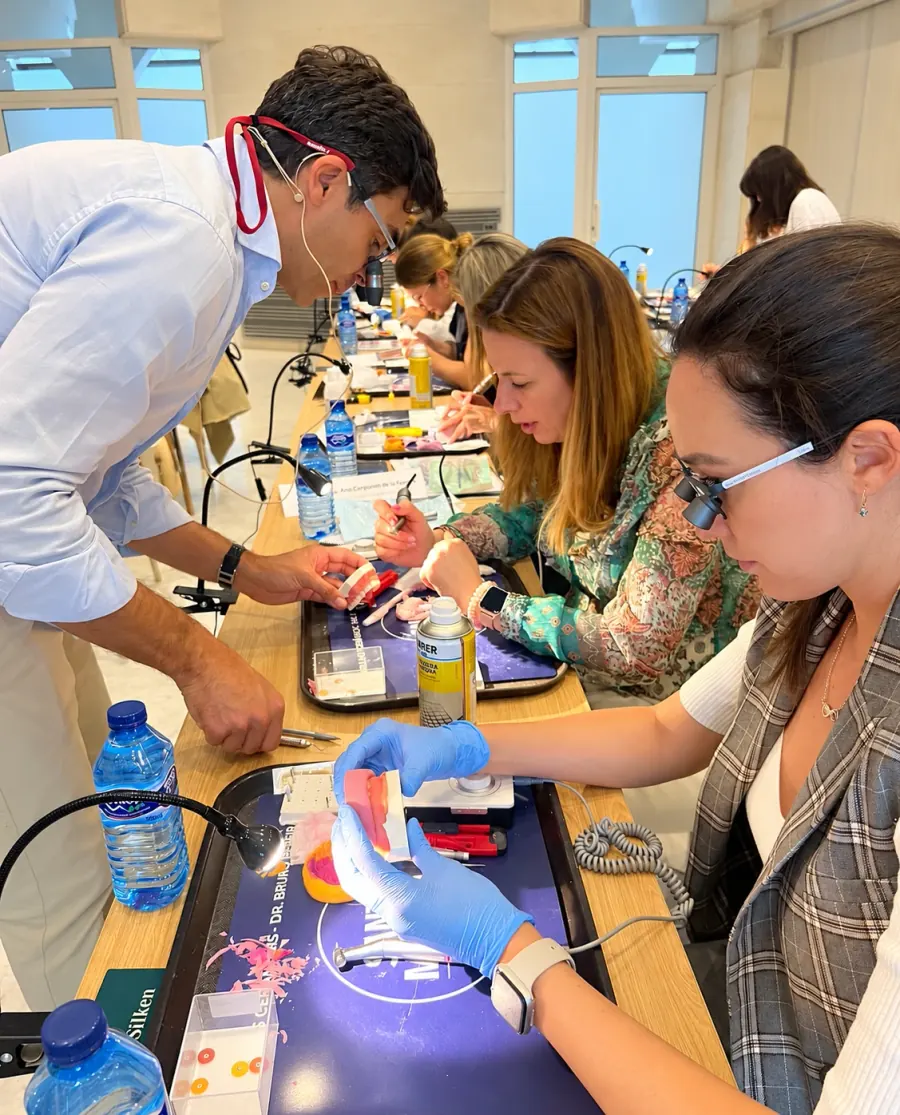
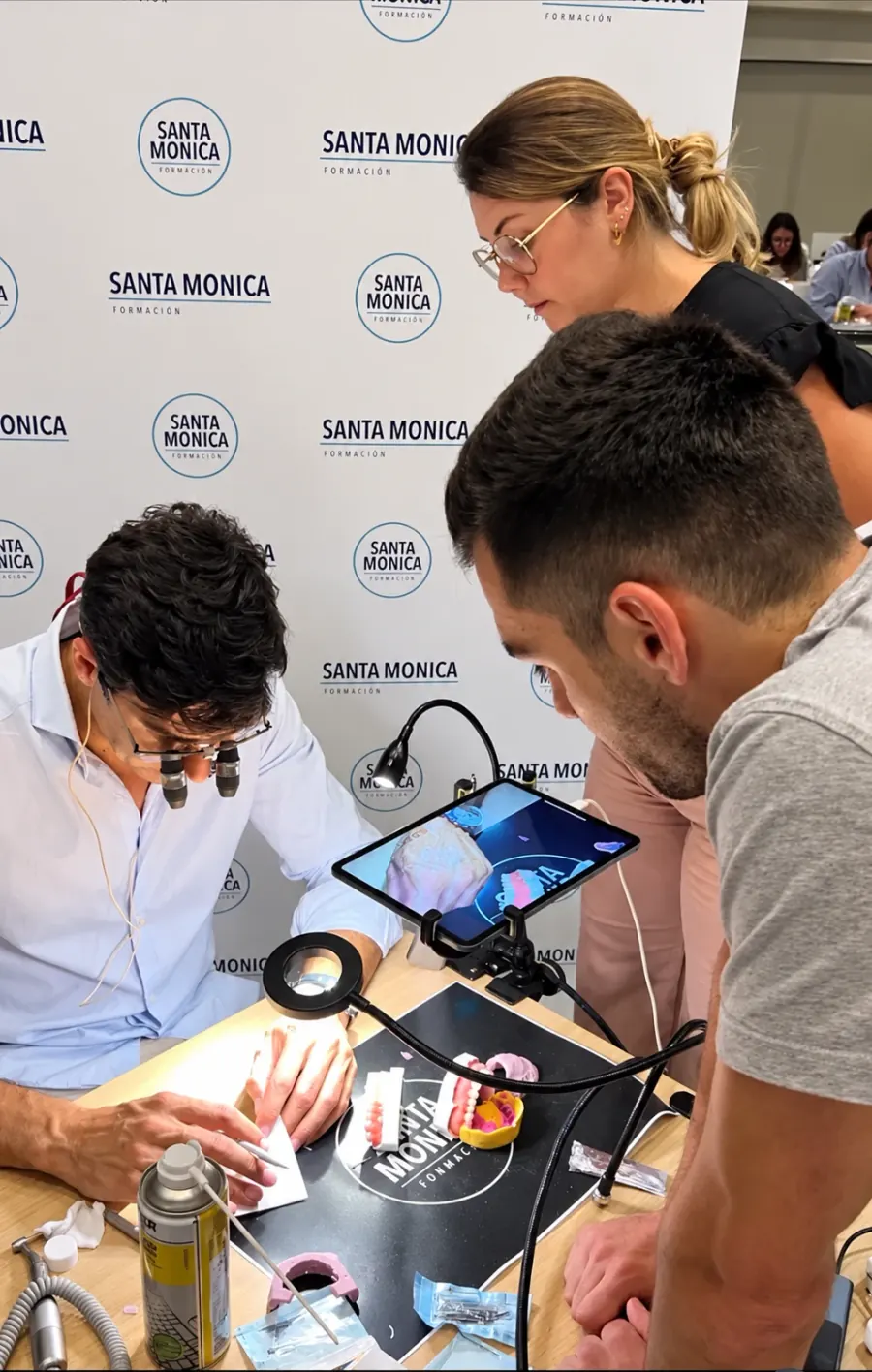
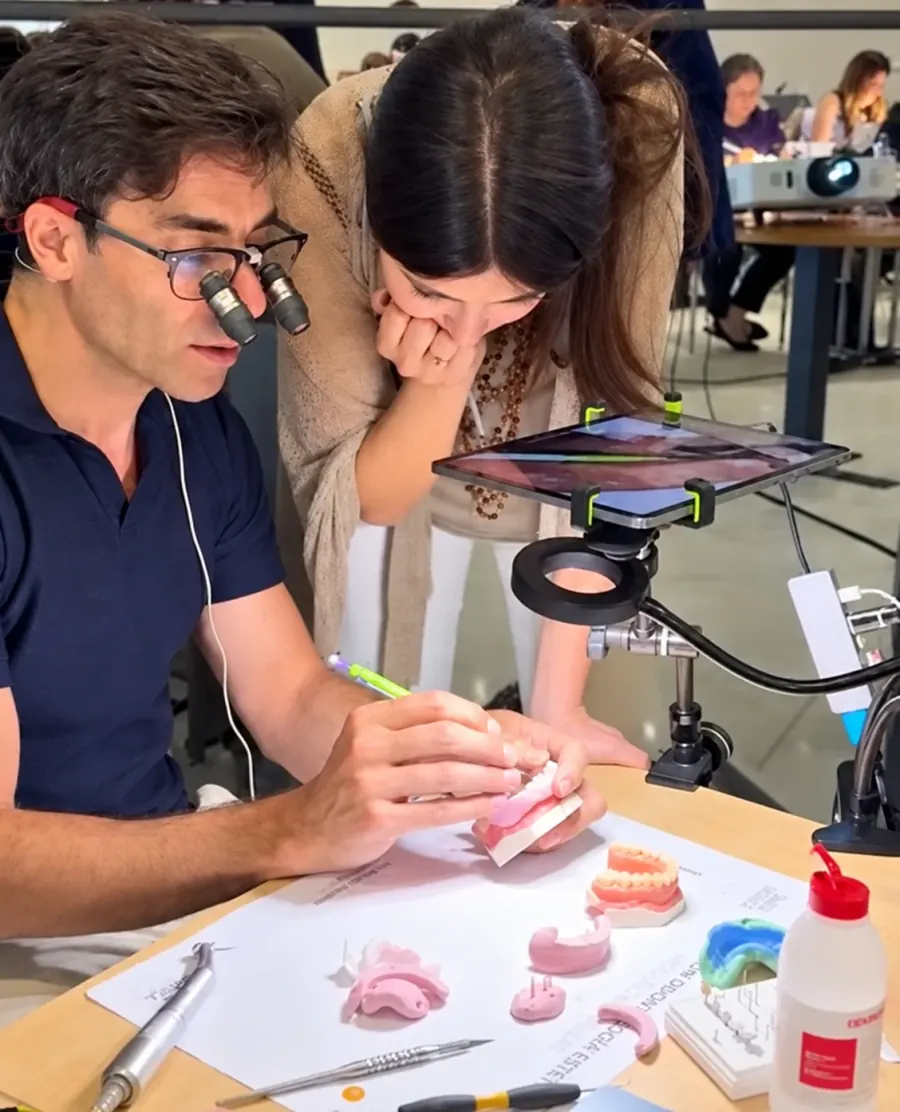
Teaches workshops
Six or more hands-on workshops a year.
-

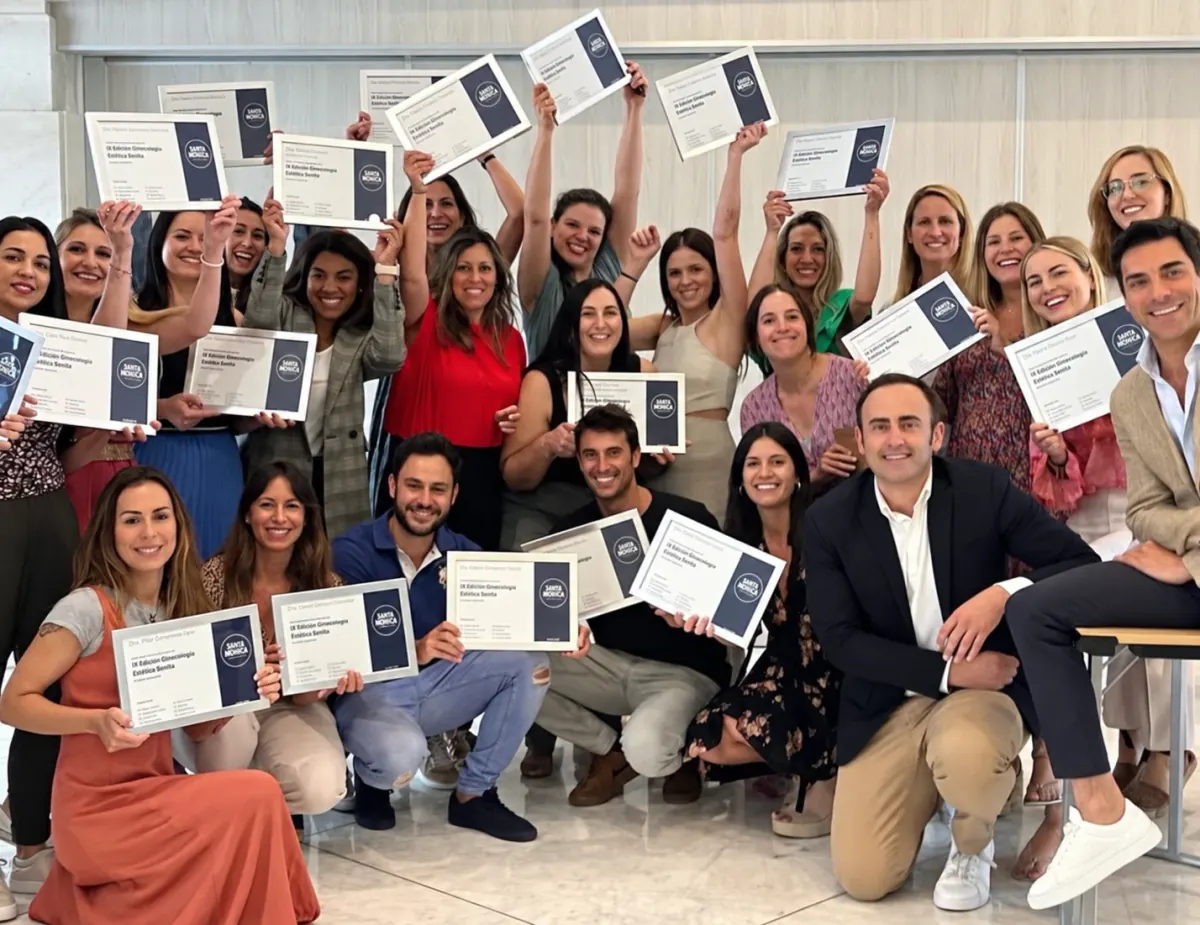
Teaches students
More than 800 students taught.
-
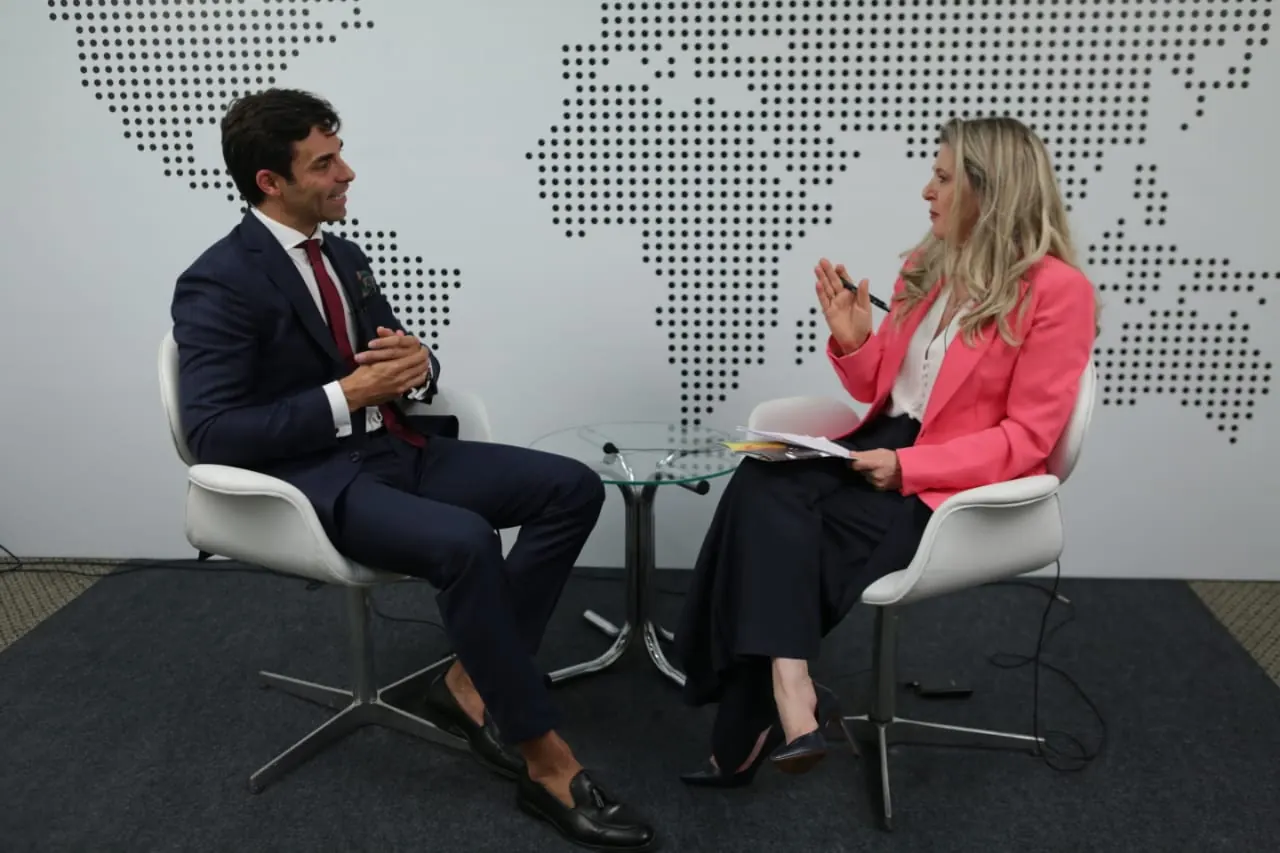
Featured in the press
Interviewed as a key opinion leader in aesthetic dentistry.
“Extremely realistic and groundbreaking.”
On Dr. Bruno Pereira’s studies and findings in facial analysis · Read the original endorsement
“Dr. Bruno and Facial Flow really opened my eyes, as a cosmetic surgeon, to how to analyse the face and determine what makes someone pleasant to look at.”
On Dr. Bruno and Facial Flow
The proof is in the smile
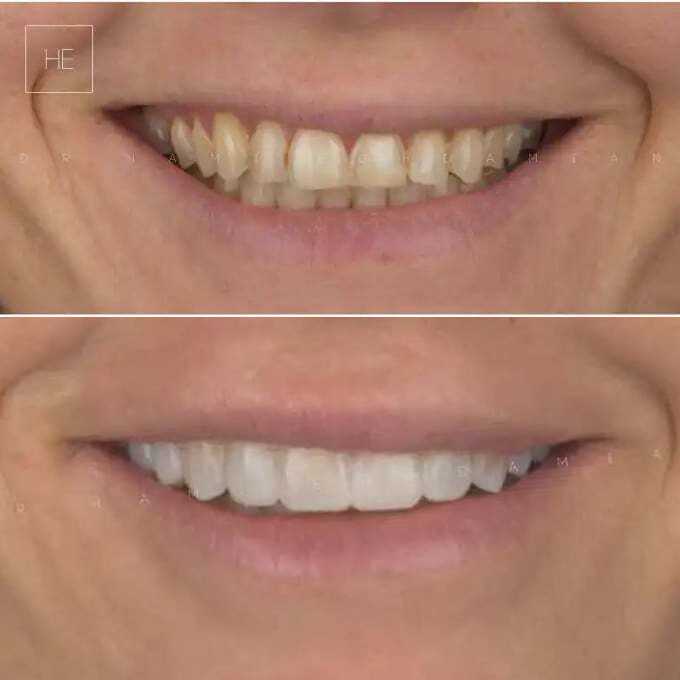
Each photo shows the same person before (top or left) and after (bottom or right). Every smile is individual, so these examples do not predict your result.
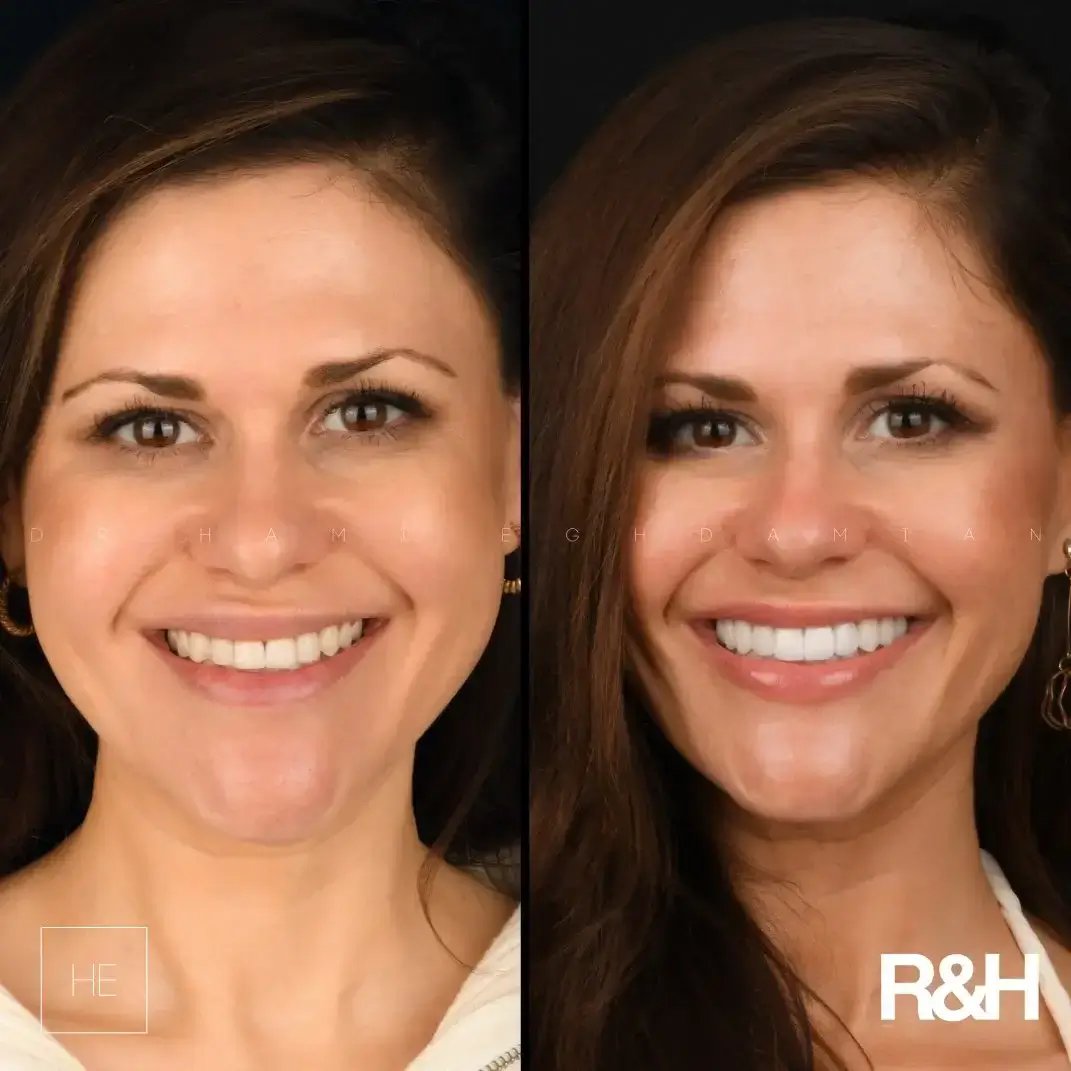
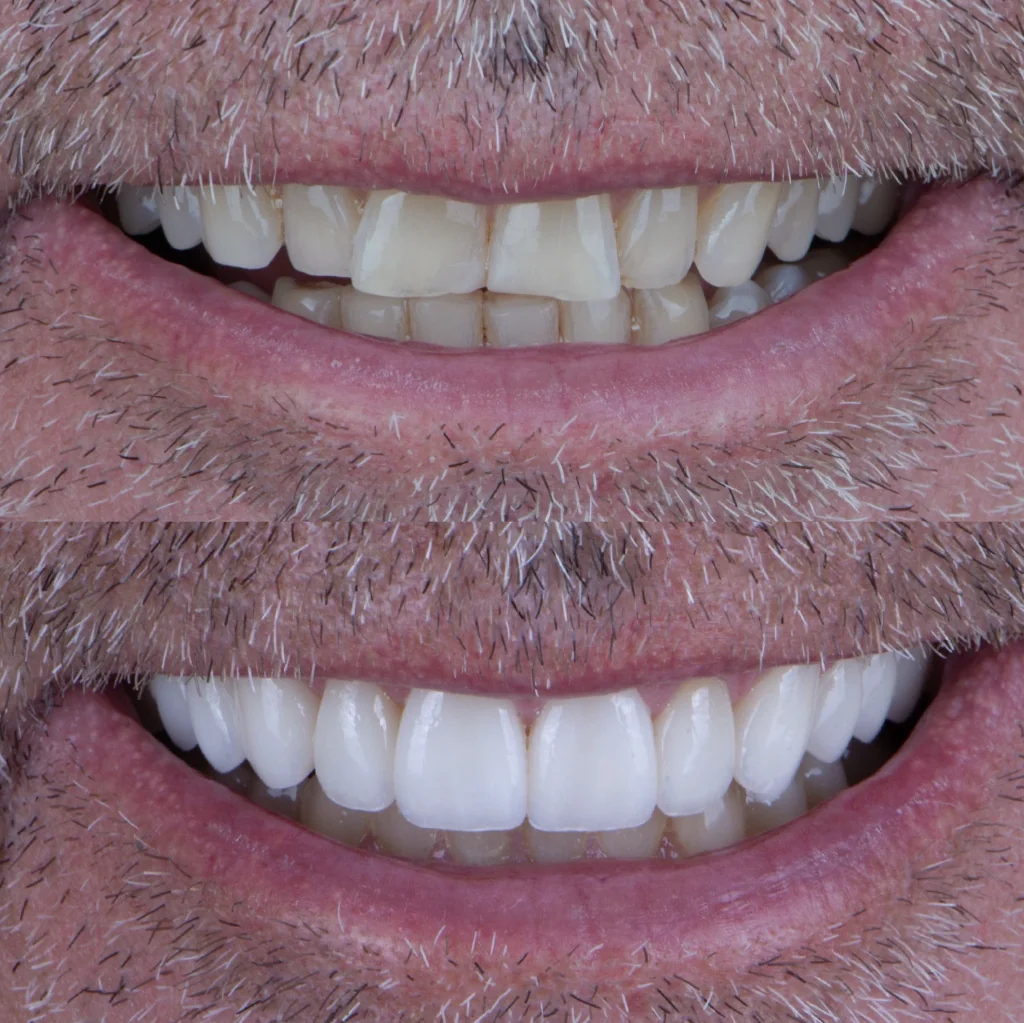
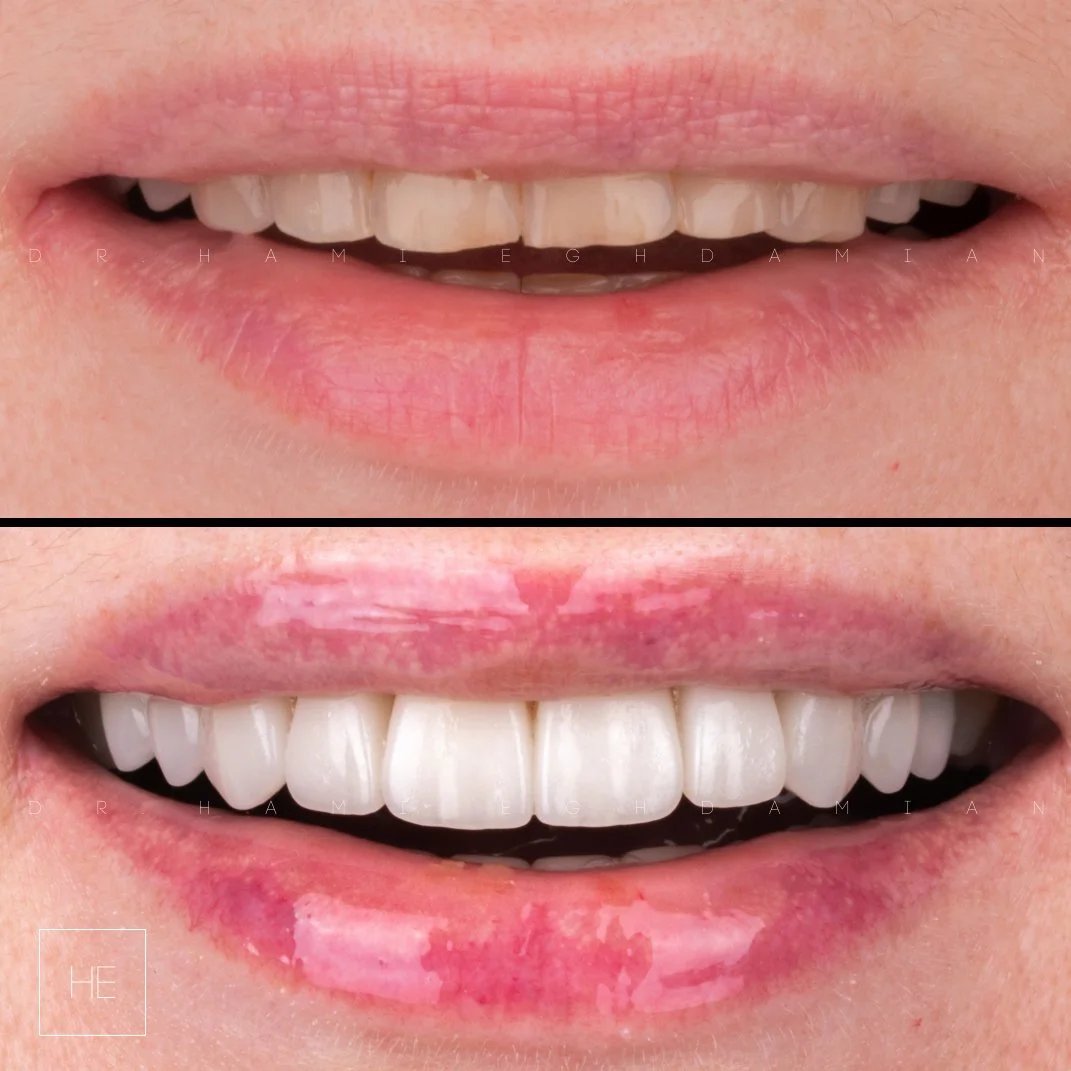
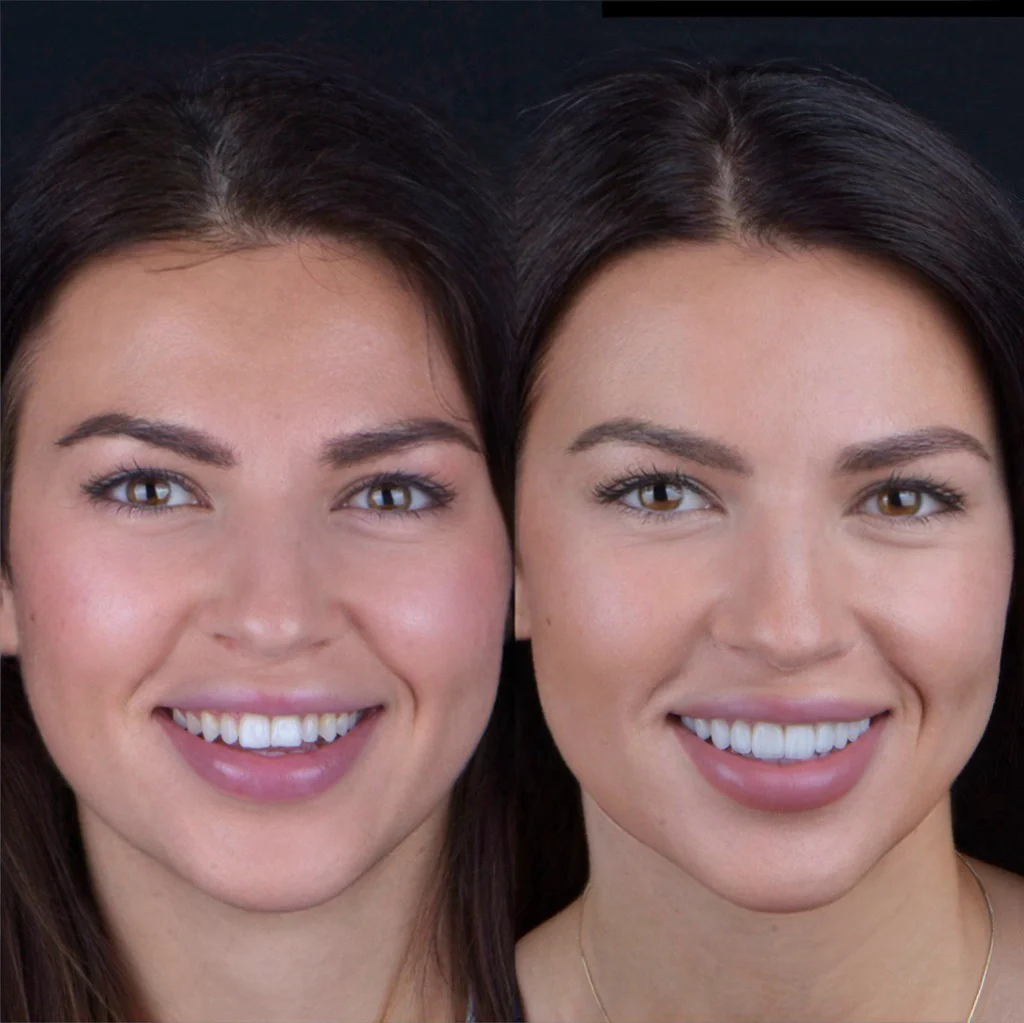
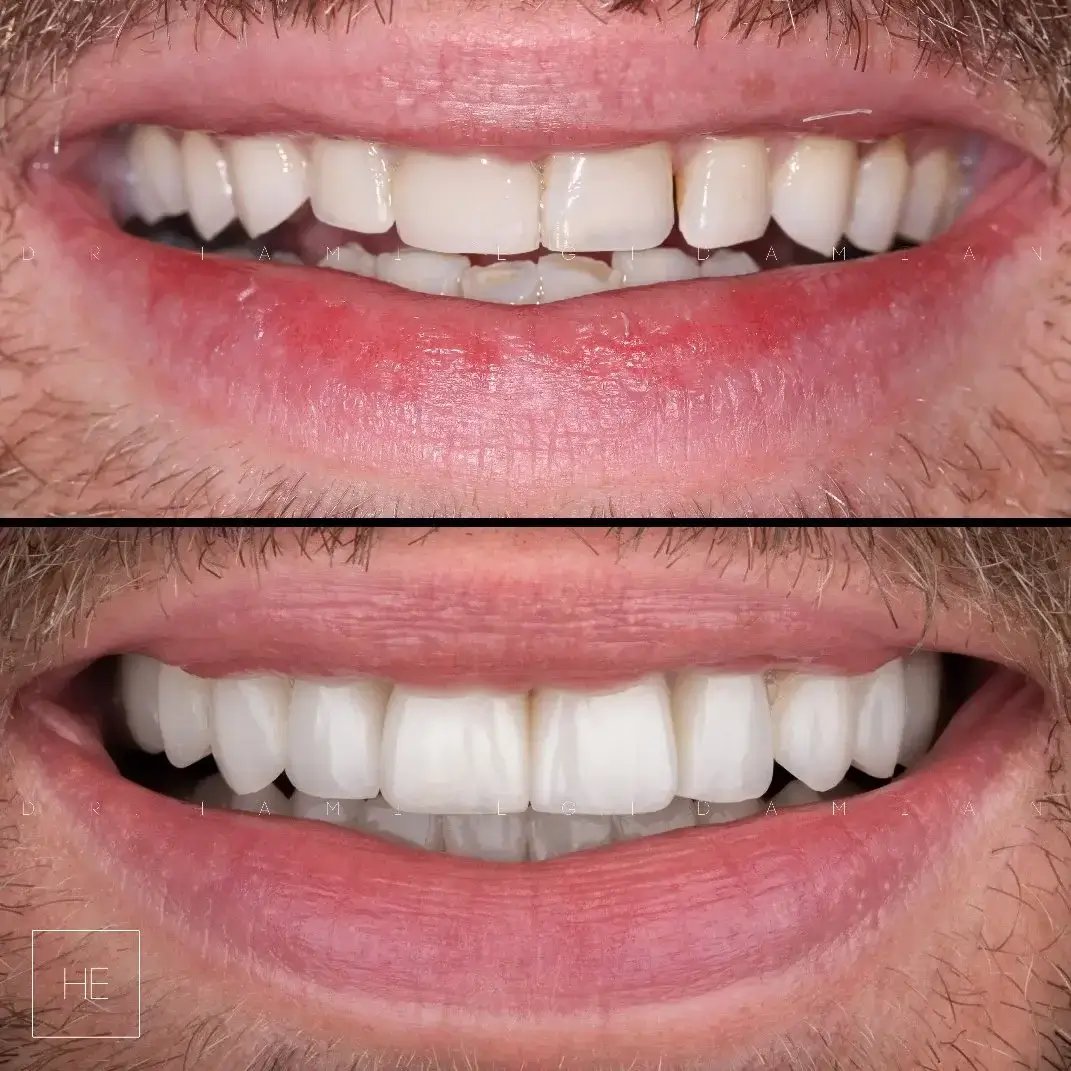
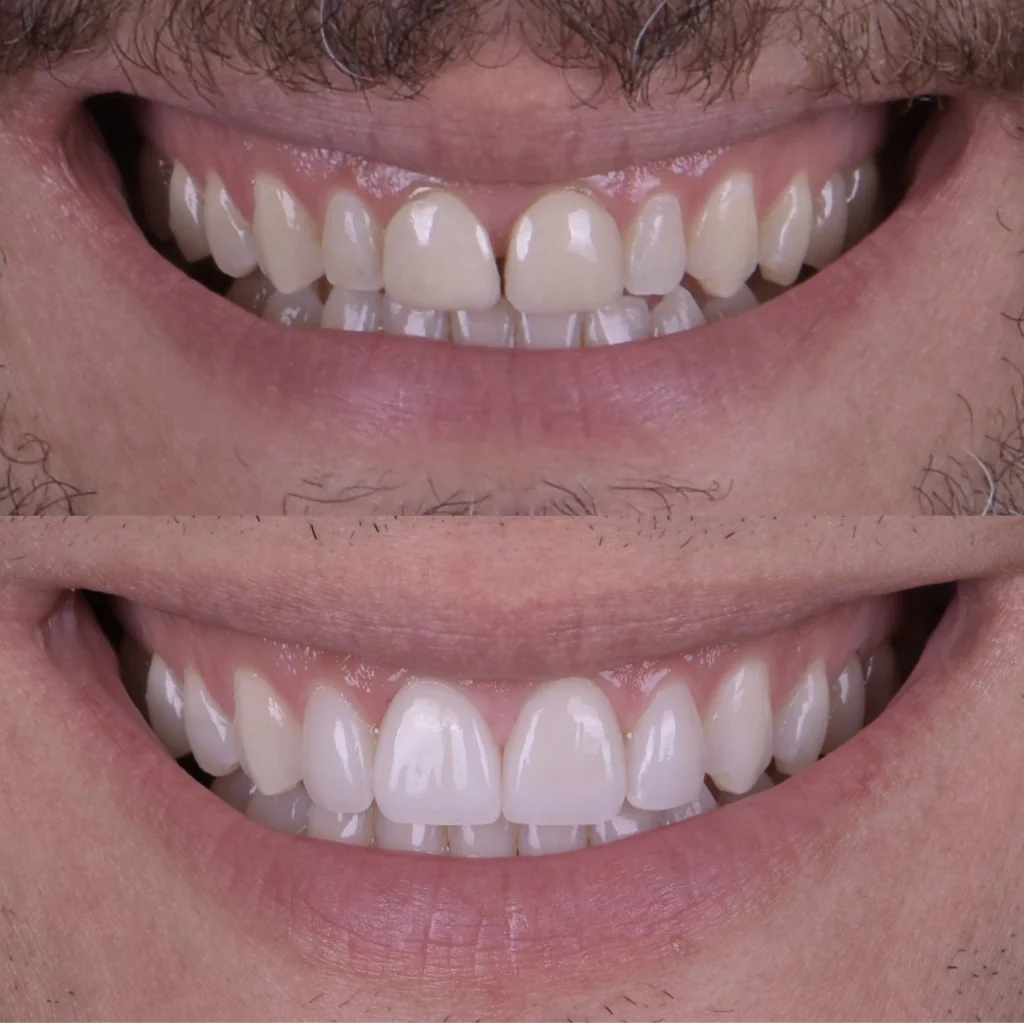
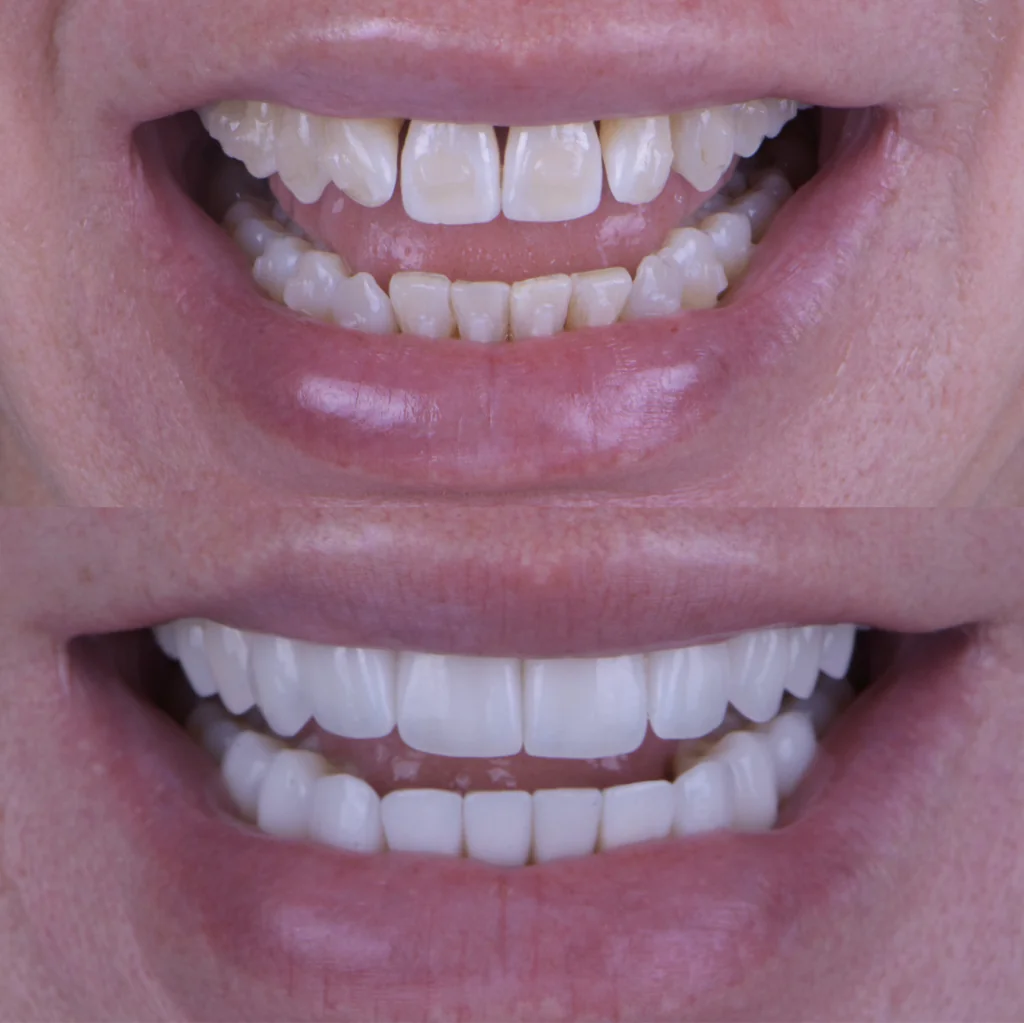
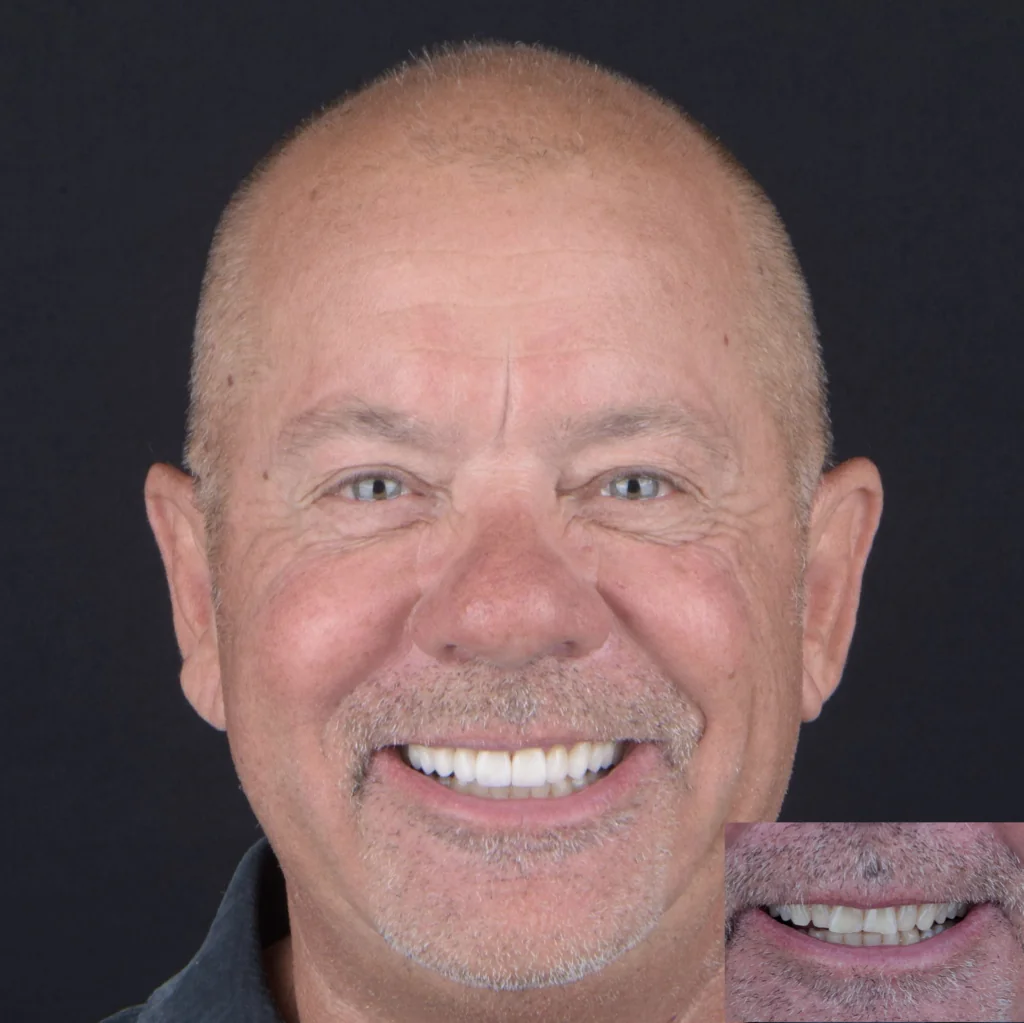
“A smile makeover can change tooth colour, proportions and the overall appearance of a smile, depending on the treatments chosen. Before-and-after examples should help you describe your preferences. I would then explain which changes are realistic for your teeth and face, rather than promise another person’s result.”
How Dr. Bruno plans your smile
A method, not a template: four steps, each shaped by Dr. Bruno.
-
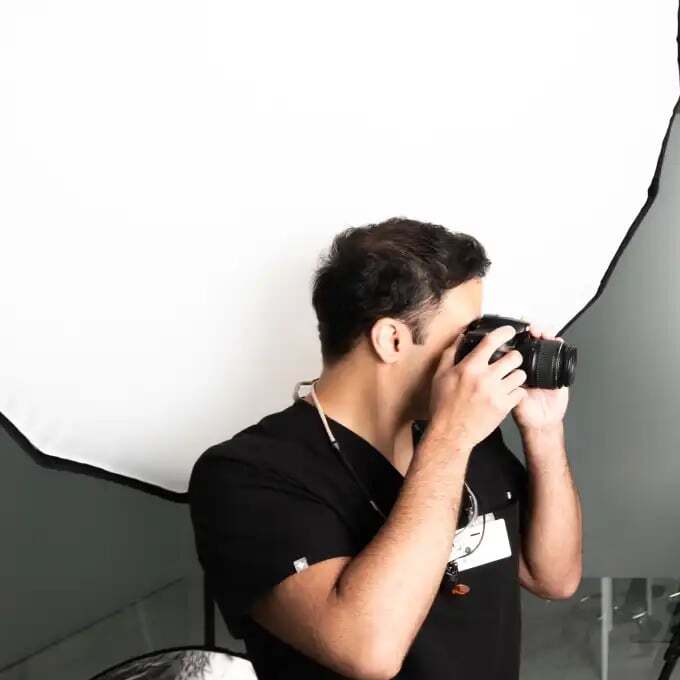
Aesthetic Consultation
Facial & Dental Photography in a Professional Photography Studio followed by an in-depth analysis by Dr. Bruno
Read moreShow less
Communication in clear English
The challenge of aesthetic dentistry is trying to decipher the mental-image a patient has in their mind of what they want to achieve, namely, their 'aspirational identity'. The skill of a good aesthetic dentist is therefore to act as a translator — to take what is essentially a mental image, and bring that to physical reality. Many dentists fail here because a mental image has to be conveyed by words, and words are incredibly open to interpretation, and a lot can get lost in translation, between what the patient is saying, and what the dentist understands. This is where Dr. Bruno excels as a master communicator, and given the caliber of our dental clinic, we attract some of the most aesthetically demanding patients in Marbella, and having arisen to this challenge for almost a decade, we have refined our process and can consistently deliver excellence.
Design considerations
Designing a smile must always begin by considering a patient's face. What are its proportions? How much teeth are shown when smiling? What attractive features of the face do we want to bring further attention to? What less attractive features do we want to compensate for with an intelligently planned design?
- If the nose and lips of a patient are attractive we want to draw the eye to these areas by perhaps making the central top front teeth a little more prominent, as teeth are the most reflective surfaces on the face.
- If while talking the patient doesn't show enough teeth, then by elongating the front teeth, we can instantly make the smile look more youthful.
- If the patient's smile looks very worn, or the edges seem too square, this can sometimes make a smile look a little old and 'aggressive', which may not match a patient's 'warm' personality — curving the edges of the front teeth can make them more 'welcoming'.
Many of these concepts are much more easily understood during our in-person consultation. During this appointment Dr. Bruno will take high-definition photos of your face and teeth, and carry out a detailed analysis of your facial and dental features, and propose a plan that can give you a stunning, yet natural smile.
-
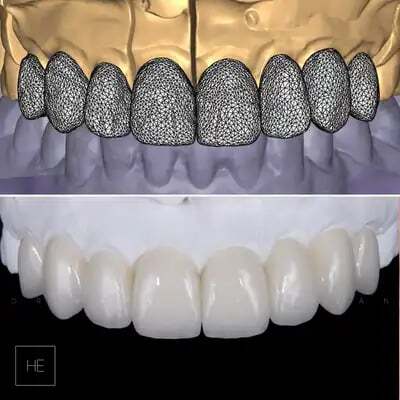
Digital Smile Design
Digital Smile Design & 3D Modelling to create your perfect smile blueprint
Read moreShow less
Digital Smile Design & 3D Modelling
Once an in-depth analysis has been made it is time to actually design the size, shape and positioning of every individual tooth, and make sure it works together harmoniously. This is done either by Digital Smile Design using just photos, or Dr. Bruno adding removable material to your teeth directly, taking photos of these changes, and asking a lab to send us your physical mock up and trying this in your mouth. Every case is different. For some merely just visualising a 2D image of the before and after of their smile gives them the confidence to proceed with the process, while others may need to actually see the design physically in their mouth, to see it from all angles, and to test how they talk with the new teeth, and how their lips adapt around the new smile.
-
Smile Simulation
You can visualise the rough design in your mouth prior to beginning the case
Read moreShow less
Test drive your new smile
Once we have a design proposal, it is important we test drive this in your mouth physically. Here we can assess if the design is harmonious with your face, and identify any details which need slight modification prior to beginning the work. We'll assess your smile, and how much teeth you show when talking and 'at rest'. You can even choose to go home with the mock up in your mouth to show your family and friends, and for your eye to get accustomed to your new smile.
Provisional veneers
On the day we actually begin the procedure, and have minimally shaped your teeth, you will leave home with the new design in your mouth as provisional veneers while we wait the 1–2 weeks the lab needs to make the final porcelain veneers. The trial smile is a plastic version of the final outcome, and although it is not an exact replica of the final shape, it is very close in proportion, and allows your eye to further get used to your new smile. This gives you the opportunity to provide further feedback about your final design.
-
Prep & Bond
Prep Uppers, Bond Uppers. Prep Lowers, Bond Lowers.
Read moreShow less
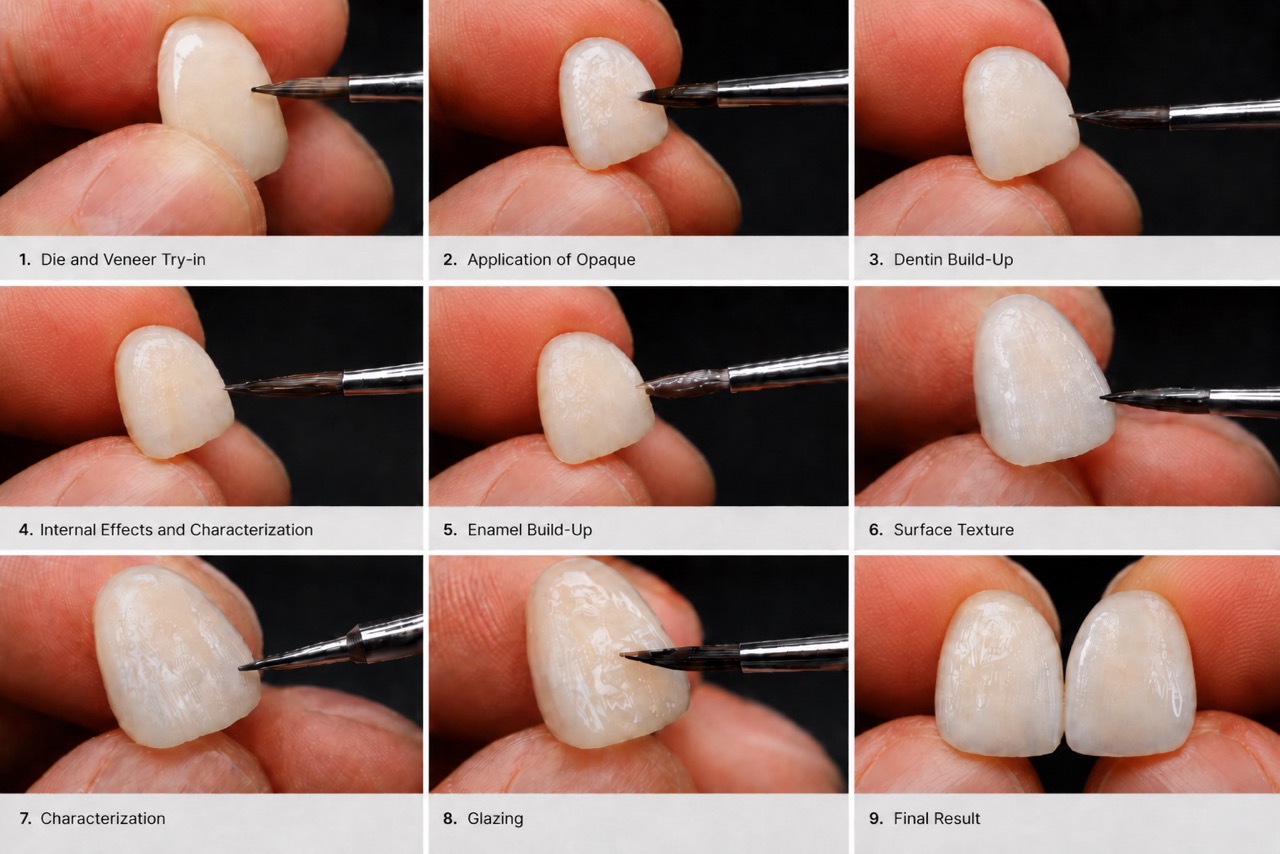
What makes porcelain veneers look natural?
A natural result depends on the calibre of the ceramist and the laboratory. A strong eMax or feldspathic core is milled by computer to fit the underlying tooth precisely. For the most lifelike result the surface can then be cut back and layered by hand with translucent ceramic, so that light passes through the tooth much as it does through a natural one.
Dr. Bruno designs every smile. You choose how much hand-finished ceramic artistry goes into it at your consultation.
How he works
- See the whole faceThe smile is assessed in motion and in relation to lips, eyes, profile, bite and expression.
- Preview the directionPhotography, scans and mock-ups make the plan easier to understand before definitive treatment.
- Protect what is healthyThe least invasive route able to achieve the goal is considered first.
“Smile design is the planning of the desired changes; a smile makeover is the combination of treatments used to make those changes. I start with the design and clinical assessment, then consider whether whitening, bonding, veneers, orthodontics or other care is needed to carry it out.”
“The teeth need to work together as well as look balanced. The bite can influence the shape and durability of restorations. I consider function during planning, especially when several teeth are being changed, rather than leave it until the final fitting.”
What Sets Dr. Bruno Apart
Veneers and digital smile planning are widely available. The difference is the depth of training and research behind the treatment.
| Credentials and experience | Dr. Bruno | Other clinicians |
|---|---|---|
| Veneers and digital smile planning | Core clinical focus5 of 5 stars | Commonly offered3 of 5 stars |
| PhD with research focused on Facial Aesthetics | PhD5 of 5 stars | Rarely stated2 of 5 stars |
| Postgraduate aesthetic-dentistry training at New York University | New York University5 of 5 stars | International training varies2 of 5 stars |
| Research published in peer-reviewed dental journals | Multiple specialist-journal papers5 of 5 stars | Some publish methods or educational content1 of 5 stars |
| Original contribution to modern smile-design thinking | Creator and lead author · Facial Flow Concept™ · Referenced internationally5 of 5 stars | Some contribute original ideas1 of 5 stars |
| Teaches cosmetic dentists around Spain | Annual courses, workshops and international lectures5 of 5 stars | Usually attends professional training1 of 5 stars |
| Master ceramist and cosmetic dentist in one person | Both disciplines in one clinician5 of 5 stars | Not routinely stated1 of 5 stars |
| The complete six-part credential stack | All six in one clinician5 of 5 stars | Not identified in reviewed profiles1 of 5 stars |
The plan and the design are Dr. Bruno’s.
From 790€ per veneer, all inclusive.
Includes your provisionals, digital mock-up and treatment study.
Every smile is personally designed by Dr. Bruno. You receive a written quotation after your consultation.
Before you decide, watch these videos
Considering veneers, but worried they'll look fake?
Smile makeovers done too fast often lead to long-term regrets
Smile makeovers in Marbella: your questions answered
Understanding your smile options
What is included in a smile makeover?
A smile makeover is an individual plan for changes to tooth colour, shape, position and the overall smile. At R&H, Dr Bruno Pereira compares suitable treatments after assessing your face, teeth, gums and bite.
Do I need a full smile makeover or just veneers?
“Veneers may be one part of a smile makeover, but they are not necessary in every plan. If colour is the main concern, whitening may be enough; alignment or gum issues need their own assessment. I recommend the combination that addresses the problem with appropriate treatment for each tooth.”
Who leads smile design at R&H Dental Marbella?
Dr Bruno Pereira leads the cosmetic cases he accepts at R&H. His published background includes advanced training in New York, doctoral research in facial aesthetics and international teaching, which inform the clinic’s face-led planning approach.
How should I choose a smile makeover dentist in Marbella?
“Look for a smile makeover dentist who explains the diagnosis, shows relevant work and gives you a clear treatment plan. I would also ask who will perform each stage and how follow-up is organised. The right consultation should help you understand both the proposed result and the commitment involved.”
Who might benefit from a smile makeover consultation?
A consultation can help if several concerns overlap, such as worn edges, uneven colour and old restorations. It establishes which problems are cosmetic, which need treatment for health or function, and which can reasonably be left alone.
Can a natural smile makeover preserve my smile’s character?
Yes, preserving features you like can be part of the brief. Tell Dr Bruno which details feel like you and which changes would look excessive; the design can then focus on specific concerns rather than uniformity.
Is a smile makeover the same as full-mouth rehabilitation?
Not necessarily. A smile makeover may involve a limited cosmetic change, whereas extensive rehabilitation addresses wider restorative and functional needs. Your examination determines whether the plan is mainly aesthetic or needs a broader clinical approach.
Can one concern be treated instead of the whole smile?
Yes. A consultation can focus on a chipped edge, one mismatched restoration or a colour concern. Ask whether a limited treatment would blend with surrounding teeth before assuming that several healthy teeth need cosmetic work.
Do I need to know which treatment I want before booking?
No. Describe the result you hope for and the features you want to preserve. R&H’s consultation is designed to connect those priorities with an examination and explain which treatment options deserve consideration.
Can the recommendation be to leave my smile as it is?
Yes. The clinic’s consultation guidance includes leaving a harmless variation unchanged. Understanding what treatment would involve can help you decide that a subtle difference is preferable to an unnecessary or more extensive procedure.
Face-led design and natural results
What does face-led smile planning involve?
It means assessing the teeth within your lips, facial proportions, profile and expressions. Dr Bruno’s approach considers how the smile looks while talking and moving, rather than designing an isolated row of teeth from one photograph.
How does Facial Flow influence smile design?
“Facial Flow considers how the direction of the smile relates to the face’s natural asymmetry. I use that relationship when planning the position and proportions of the teeth. It helps make the design personal instead of assuming that a perfectly symmetrical arrangement will suit every face.”
Did Dr Bruno publish the Facial Flow Concept?
Yes. R&H’s published profile identifies Dr Bruno as the concept’s originator and lead author of a peer-reviewed paper co-authored with Christian Coachman, Eduardo Mahn and Kyle Stanley. The publication explains the facial-analysis approach behind the planning.
Does Dr Bruno teach other dentists about smile design?
His published background includes international lectures and education for cosmetic dentists. That experience is relevant to his planning approach, but your consultation should still explain the findings, choices and limitations specific to your own teeth and face.
Does a natural smile have to be perfectly symmetrical?
No. R&H’s Facial Flow approach recognises that faces have natural asymmetry. The aim is a balanced relationship between smile and face, with proportions that suit you, rather than applying identical measurements to every patient.
Can I bring celebrity photographs to explain my preferences?
Yes. Use them to identify details such as brightness, length or softer edges. Dr Bruno can discuss which qualities might suit your face; copying another person’s teeth exactly is not the same as creating a natural result for you.
How do we agree what natural means to me?
Describe what you like, what bothers you and what would feel too artificial. Photographs and a suitable preview give you concrete features to discuss, helping replace broad words such as natural with decisions about shape, shade and proportion.
Will very white teeth necessarily suit my face?
Not necessarily. Shade is considered alongside tooth shape, skin colouring, visible untreated teeth and your preferences. At the design stage, compare brightness within your whole smile rather than selecting the lightest shade without context.
Why does the dentist look at my smile while I speak?
The amount of tooth showing can change between rest, conversation and a full smile. R&H’s face-led assessment uses these views to discuss length and proportions, including whether the proposed design feels appropriate in everyday expressions.
Can I keep small irregularities that I like?
Yes. Tell the dentist which edges, spaces or tooth shapes you want to keep. The treatment brief should distinguish the changes you actively want from features that give your smile character and do not require correction.
Your first consultation and records
What happens at a smile design consultation in Marbella?
“A smile design consultation should connect what you want to change with what is clinically possible. I look at tooth display, the lips and facial proportions alongside the teeth, gums and bite. We can then discuss a design and the treatments needed to work towards it.”
What should I bring to my smile design consultation?
Bring relevant previous dental records, details of existing restorations and examples of smiles you like or dislike. A short list of your main concerns helps keep the discussion focused, especially if several treatments have already been suggested elsewhere.
Should I mention grinding even if I only want cosmetic changes?
Yes. R&H’s consultation guidance specifically asks patients to mention grinding and bite concerns. They can influence the assessment of worn teeth, the treatment sequence and the maintenance arrangements discussed before an aesthetic plan is finalised.
What photographs are used for smile planning?
R&H describes clinical photography of the face and teeth as part of aesthetic planning. Different views help discuss tooth display, proportions and existing features; the dentist selects records that answer the questions raised by your assessment.
Will I need scans or X-rays for a smile makeover?
Additional records may be recommended where they clarify diagnosis or planning. Ask what each scan or X-ray is intended to show and how it could change the options; the required records depend on the clinical findings.
Can photographs sent online confirm my suitability?
Photographs may help orient an initial conversation, especially for patients travelling to Marbella. They do not replace examination of the teeth, gums and bite, so the final recommendation and treatment scope need an in-clinic assessment.
Will the consultation include a final quotation immediately?
A final quotation requires a sufficiently defined treatment scope. Some patients first need additional records, health treatment or a design review. Ask which decisions remain open and when the clinic can provide a complete written plan.
Can I seek an opinion about a plan from another clinic?
Bring the proposed treatment plan and any relevant records so the consultation can address specific questions. R&H’s assessment should explain its own findings and alternatives; confirm the appointment type and current fee with reception when booking.
What should I understand before leaving a smile makeover consultation?
You should understand the main findings, suitable options and why any additional records or preparatory care are proposed. The next step might be a design review or further assessment rather than an immediate commitment to treatment.
How do I book with Dr Bruno Pereira?
Contact R&H Dental Marbella and explain that you want a smile makeover consultation with Dr Bruno. Mention your main concern and any travel dates; reception can confirm the appropriate appointment, availability and current consultation arrangements.
Choosing and sequencing treatment
Can whitening be the only treatment I need?
If colour is the main concern and tooth shape and position are acceptable, whitening may be considered on its own. The consultation checks the cause of discolouration and whether a colour change would meet your expectations.
When can bonding be part of a smile makeover?
Bonding may be considered for selected chips, small spaces or changes to tooth shape. R&H compares it with whitening, alignment and porcelain where relevant, taking account of the amount of change wanted and the maintenance involved.
When might porcelain veneers be discussed?
Veneers may enter the discussion when several aspects of visible tooth appearance need changing. The dentist first assesses tooth structure, gum health and bite, then explains whether a more limited option could reasonably achieve your goals.
Can orthodontics come before cosmetic treatment?
Yes. R&H can coordinate orthodontic and cosmetic planning when tooth position affects the proposed result. Alignment may provide the change you want by itself, or create a better starting point for smaller aesthetic additions afterwards.
Why might gum treatment be needed first?
The clinic’s planning approach checks gum health before cosmetic work. If inflammation or another gum concern is identified, addressing it first helps establish the clinical foundation and clarifies the appearance around which the final smile is planned.
Can missing teeth be included in the plan?
Yes. Missing teeth may require coordinated restorative or implant assessment as part of a wider smile plan. Replacement decisions depend on the clinical situation; they should be explained separately from changes to the colour or shape of existing teeth.
Can R&H assess a worn or collapsed-looking smile?
Yes. R&H’s published smile guidance includes worn and more complex restorative cases. The assessment should establish the extent of wear and functional concerns before deciding whether the solution involves limited additions or a broader rehabilitation plan.
Can old crowns and veneers be reviewed within a makeover?
Existing restorations are part of the assessment. Explain what concerns you about their colour, shape or comfort; the plan should distinguish restorations that need attention from serviceable work that can remain and be incorporated into the design.
Can a smile makeover be completed in stages?
“Often, a plan can be organised into stages, but the order matters. Disease control and other preparatory work may need to come before definitive cosmetic treatment. We can discuss priorities and timing while keeping the final goal and clinical dependencies clear.”
How is the number of teeth to treat decided?
The decision considers the teeth visible in speech and smiling, the changes needed and the transition to untreated teeth. A standard package cannot establish your ideal number; ask why each tooth is included in the proposed plan.
How is full mouth rehabilitation planned?
“Full-mouth rehabilitation begins with diagnosis and a clear set of goals. We consider the remaining teeth, supporting tissues and bite before selecting restorations. A staged plan can help us address disease, evaluate changes and coordinate the work needed for the definitive result.”
Does complex restorative care mean replacing every tooth?
“No. Complexity does not justify treating healthy teeth without a reason. I assess what can be retained and which areas need intervention. The plan should make clear why each tooth is being treated and where monitoring or a more limited approach is appropriate.”
How do several clinicians work together on reconstruction?
“Each clinician's role should support one agreed plan. Periodontal, implant, orthodontic and restorative care may need a particular sequence. I want the handovers and responsibilities to be clear, so the patient understands how each appointment contributes to the overall outcome.”
Previews, appointments and comfort
Can I see my new smile before having veneers?
“A digital preview or a temporary mock-up can help you explore the proposed smile before committing to the final veneers. I use that stage to discuss shape, length and proportion. It is a guide for planning and feedback, with limits that should be explained before treatment.”
What is the difference between a digital simulation and a mock-up?
A digital simulation shows a proposed appearance in an image. A physical mock-up lets you see a trial shape in your mouth; R&H selects the approach according to what needs to be understood or tested in your case.
Does a preview guarantee the exact final result?
No. A preview communicates the direction of a design, rather than guaranteeing an identical final appearance. Ask which details it represents well and which will change when provisional materials are replaced by the planned definitive restorations.
What feedback should I give during the trial smile?
Comment on length, width, brightness, visible tooth display and anything that feels unlike you. R&H also considers speech and lip relationships, so mention practical discomfort or concerns instead of assessing the trial from photographs alone.
Can family feedback help with the design?
It can help you articulate preferences, and R&H’s published process allows discussion around suitable trial designs. Your own comfort and informed choice remain central; explain which suggestions you agree with rather than trying to satisfy conflicting opinions.
Will I have provisional teeth during treatment?
That depends on the procedures included. Prepared veneer cases commonly include provisional restorations in R&H’s process, while whitening or limited bonding follows a different sequence. Ask how your teeth will look and be protected between appointments.
How long does a smile makeover take?
“The time needed for a smile makeover depends on the treatments involved. Changes using bonding or veneers follow a different timetable from a plan that includes orthodontics or gum treatment. I would explain the sequence after assessment and allow time for review, particularly if you are travelling for care.”
Is treatment comfortable?
Comfort planning depends on the procedures you need. R&H discusses the stages and uses local anaesthetic where appropriate for restorative preparation; tell the team about sensitivity, anxiety or previous difficult experiences so these can be considered in advance.
What role does the laboratory have in a natural smile makeover?
For ceramic work, the laboratory translates the agreed design into restorations with the required shape and optical detail. Dr Bruno designs every smile, and at your consultation you choose how much hand-finished ceramic artistry goes into it; ask how design feedback and shade information will pass between the clinical and laboratory stages.
Can international patients arrange a smile makeover in Marbella?
R&H treats international patients, but the appointment sequence must follow the assessed treatment needs. Share your travel limits early and confirm the number of visits, provisional stages and follow-up arrangements before making non-refundable bookings.
Costs, maintenance and long-term decisions
How much does a smile makeover cost?
“A smile makeover has no single price because it can involve very different treatments. A small change with whitening or bonding is a different plan from several ceramic restorations. I would give you an itemised proposal after assessment, including the treatment sequence and any necessary preliminary care.”
What should the written treatment plan include?
It should make the proposed procedures, teeth involved, sequence and costs understandable. Ask how design reviews, provisional restorations, supporting treatment and maintenance are handled, and which decisions might change after additional records or clinical findings.
Can I discuss a budget before the plan is final?
Yes. Explain your budget alongside your priorities so suitable alternatives can be discussed. The clinical scope should remain clear: compare what each option achieves, what it leaves unchanged and what future maintenance it is likely to involve.
Is finance available for a smile makeover at R&H Marbella?
R&H’s published information mentions finance for eligible plans. Ask reception for current availability, eligibility and written terms after the treatment cost is established; compare the full repayment amount as well as the monthly instalment.
How long will my smile makeover result last?
A smile makeover combines treatments with different maintenance needs, so it has no single lifespan. Ask about expected review, repair and replacement needs for each part of your own plan rather than treating the whole result as permanent.
Does R&H provide a written guarantee?
R&H publishes a written guarantee policy with treatment-specific terms and maintenance conditions. Ask which parts apply to your proposed plan and read the current document before treatment; a policy does not promise that every cosmetic result lasts indefinitely.
What maintenance should I plan for afterwards?
Maintenance depends on whether the plan includes natural teeth, bonding, ceramics, orthodontics or implants. Ask for an individual home-care and review plan, including any protective appliance or polishing needs, before deciding whether the treatment fits your routine.
What if one restoration needs attention later?
Contact the clinic with the specific concern rather than assuming the entire smile must be remade. R&H’s veneer guidance describes assessment of individual damaged restorations, including the cause and the challenge of matching surrounding dental work.
How should follow-up work if I live abroad?
Agree follow-up before starting treatment, including which reviews need an R&H visit and how concerns will be assessed after you return home. Ask how any guarantee conditions relate to maintenance, and retain your written treatment records.
What if I am unsure after seeing the proposed design?
Explain the specific details you are uncertain about before definitive treatment. A consultation or preview should help clarify choices, including a smaller change or no immediate treatment; you do not need to resolve uncertainty by choosing a larger makeover.
What determines smile makeover cost?
“Smile makeover cost depends on the diagnosis, number of teeth and treatments involved. A useful estimate explains the stages and what each is intended to achieve. It should also distinguish necessary care from optional cosmetic changes so you can make an informed decision.”
What should I ask before accepting a cosmetic plan?
“Ask why each procedure is recommended, what alternatives exist and what future maintenance is likely. Discuss the total estimated cost and who will provide follow-up. A plan is ready for a decision when you understand the reasons, not merely the list of treatments.”
At R&H, Dr. Bruno leads every cosmetic case he accepts.
Book a Consultation with Dr Bruno
 Obligation-free, Expert Diagnosis & Advice
Written Guarantee on All Treatments
Transparent Reasonable Pricing
English-speaking Clinic