Saliva testing
A closer look at your oral environment
We offer saliva testing where appropriate. Your dentist explains the test, what it measures and how the result informs your care alongside a clinical examination.

General dentistry · R&H Dental Marbella
Care that considers the whole person.
Explore prevention, dental materials and your wider oral health with Dr. Sara. From saliva testing to mercury-free restorations, we take time to explain the choices that matter to you.
Meet your dentist
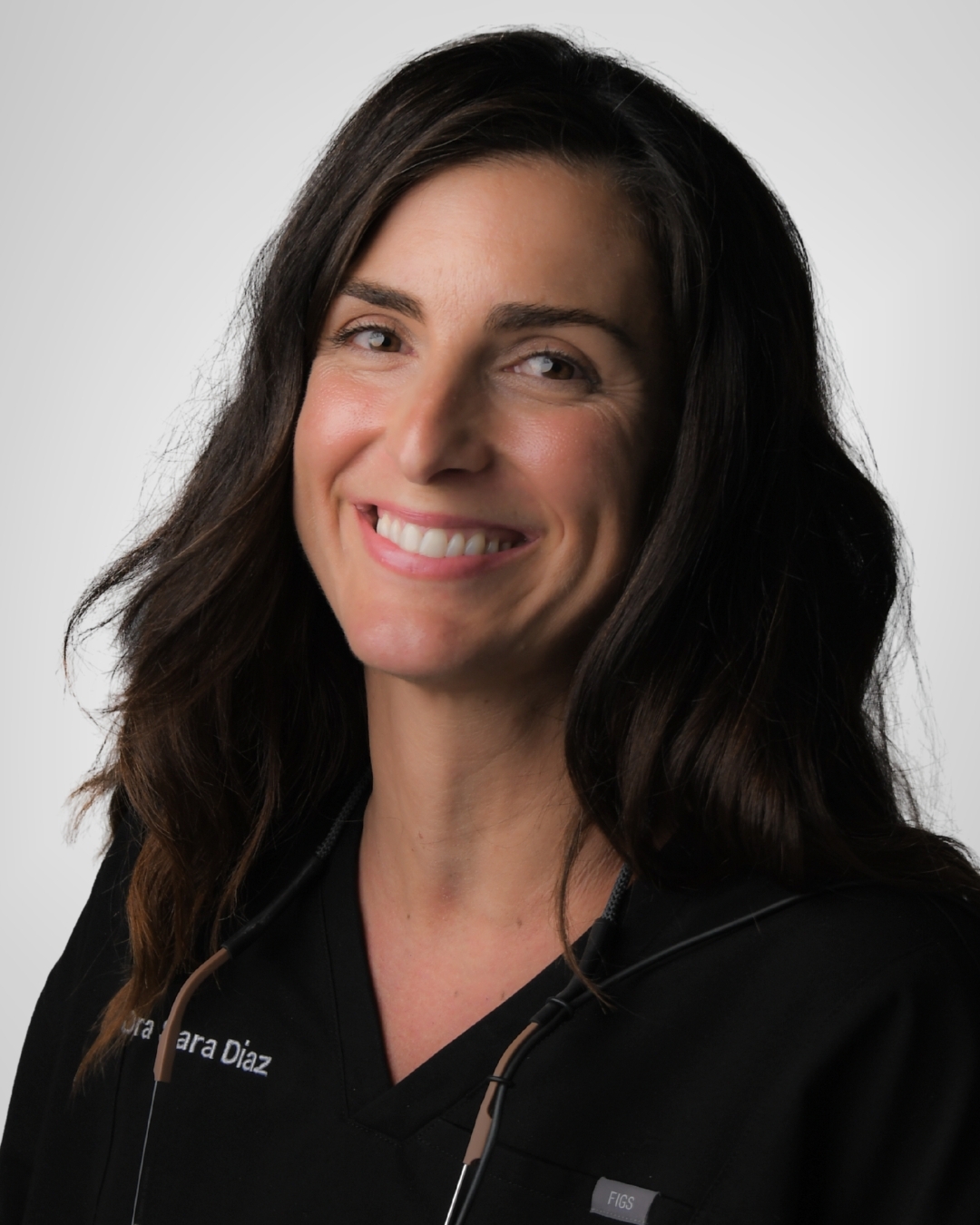
Dr. Sara combines general dentistry with a particular interest in biological dentistry, airway health and myofunctional care. Her restorative, endodontic and periodontal background helps her consider both the tooth and the tissues around it.
She graduated from the University of Granada in 2009, followed by further endodontic training at the University of Barcelona in 2012 and periodontal training at UIC Barcelona in 2018. Her clinical biography also records training in oral surgery and sleep pathology, including oral appliances for snoring and obstructive sleep apnoea.
Consultations are available in English, Spanish and Portuguese.
Explore Dr. Sara’s full profile ↗Our approach
We look at the person behind the smile: your dental findings, medical history, everyday habits and concerns. Our biological approach brings those details into a practical plan for your teeth and gums.
That can mean discussing an existing filling, choosing a suitable restorative material or exploring why your mouth feels dry. We explain the clinical reason for each recommendation and aim to preserve healthy tooth structure.
A closer look at your oral environment
We offer saliva testing where appropriate. Your dentist explains the test, what it measures and how the result informs your care alongside a clinical examination.
Carefully selected tooth-coloured materials
We do not use mercury-containing amalgam in new restorations. We use composites including 3M Filtek Supreme and comparable materials, selected for the tooth and your needs.
Attention to the treatment area
When removing amalgam, we use a rubber dam to isolate the tooth and help keep filling fragments away from the rest of your mouth. We explain the procedure and its precautions beforehand.
Comfort, with your history in mind
Scandinibsa 3% (mepivacaine 30 mg/ml) is one of our main anaesthetics when taking a biological approach. Its listed ingredients contain no adrenaline or sulphites. Suitability is assessed individually.
Materials & tooth preservation
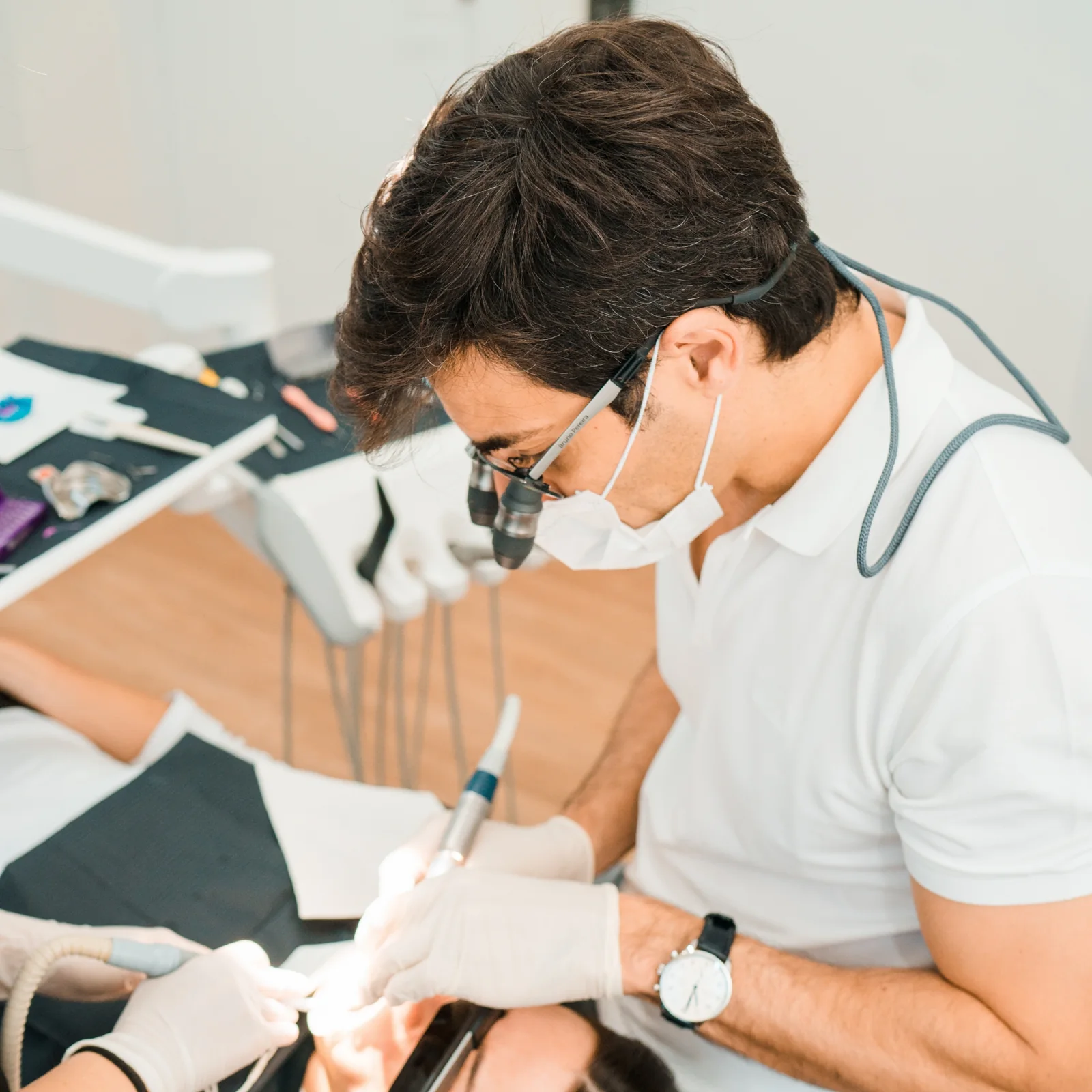
Tell us about previous reactions, diagnosed allergies or preferences. We can discuss the exact composite, bonding material and anaesthetic proposed for your treatment.
Mercury-free and BPA-free describe different things. Filtek Supreme formulations can contain BPA-derived resins, so we explain the product rather than making a blanket BPA-free promise.
Existing amalgam fillings are assessed on their condition. We discuss replacement when there is a clinical reason, explaining the alternatives and the healthy tooth structure involved.
Read the materials and amalgam FAQs ↓A minute with Dr. Sara
Watch · R&H Dental Marbella
In this short clinic video, Dr. Sara discusses why snoring can deserve further attention. Her interest in airway health is one part of the wider conversation about your oral health.
Persistent snoring, witnessed breathing pauses and daytime tiredness can warrant medical sleep assessment. A dental assessment can explore your teeth, bite and suitability for an oral appliance when appropriate.
Mouth breathing alone does not establish a diagnosis or a fixed reduction in blood oxygen. Testing and an individual assessment help establish what is happening.
Watch on YouTube ↗Your first appointment
Bring your concerns, medicines, previous reactions and relevant dental or sleep records.
We assess your teeth and gums and discuss whether any further tests are useful.
Review suitable options, materials and costs before deciding on treatment.
Your questions, answered
Choose a topic to explore 60 common questions about biological dental care, materials, prevention and airway health.
Understand the approach, meet Dr. Sara and prepare for your consultation.
At R&H, biological dentistry means considering your teeth and gums alongside your medical history, habits and material preferences. We focus on prevention, preserving healthy teeth and explaining your options. Each recommendation starts with a dental assessment.
People often use biological dentistry and holistic dentistry to describe care that considers the whole person. Practices differ, so ask about specific services. Our approach includes saliva testing where appropriate, mercury-free new restorations and individual discussions about materials.
You can book a consultation with Dr. Sara at R&H Dental, Avenida Ricardo Soriano 54, Marbella. Tell reception that you would like to discuss a biological approach and mention your main concern so we can help arrange the right appointment.
Natural dentist is a search term people use when they want careful material choices and prevention-focused care. It does not describe one fixed treatment method. Ask what a dentist actually offers and how the proposed treatment addresses your findings.
Dr. Sara combines general dentistry with interests in biological dentistry, airway health and myofunctional care. Her background includes further training in endodontics and periodontics. She can discuss your oral health concerns and explain when another clinician’s assessment would be helpful.
Yes. Dr. Sara offers consultations in English, Spanish and Portuguese. Let reception know your preferred language when booking. You should feel comfortable asking questions about materials, investigations, costs and the reasons for any proposed treatment.
We begin with your concerns, medical history and a dental examination. We then discuss the findings, any useful investigations and your options. A biological consultation does not automatically mean replacing fillings or having every available test.
Bring your medication list, details of previous reactions or diagnosed allergies, and relevant dental records. If your concern involves sleep or breathing, bring any existing sleep-study report. A short list of your questions can help guide the conversation.
The cost depends on the consultation, any agreed tests and the treatment you need. Ask reception about the appointment fee when booking. After assessment, request a written treatment plan explaining the proposed procedures and costs before deciding.
Yes. Prevention, cleanings, fillings and treatment of dental disease remain part of your care. Tell your dentist which materials or techniques concern you so those preferences can be considered alongside the clinical findings and suitable treatment options.
Explore existing silver fillings, rubber dam isolation and replacement decisions.
We do not use mercury-containing amalgam in new restorations. We use tooth-coloured materials chosen for the tooth and the clinical situation. If you already have silver fillings, we can assess them and explain whether any treatment is needed.
Dental amalgam contains mercury combined with other metals. The appearance of a filling alone is not enough to identify every restorative material. Your dentist can examine it and review available records when discussing what is already in your mouth.
No. A sound filling without decay underneath does not automatically need removal. Replacing it can remove healthy tooth tissue and temporarily increase mercury exposure during the procedure. We discuss your filling’s condition and the reasons for considering replacement.
A dentist may recommend treatment for a broken filling, recurrent decay or another diagnosed problem. Tell us about discomfort and any documented material allergy. We will explain whether repair, replacement or monitoring is appropriate for your individual tooth.
At R&H, we use a rubber dam when removing amalgam to isolate the treatment area and help keep fragments away from the rest of your mouth. Ask your dentist to explain the full procedure and its precautions before treatment begins.
A rubber dam is a sheet placed around the tooth being treated. It separates that area from the rest of the mouth and helps control moisture and debris. It is one part of the procedure, rather than a promise of zero exposure.
No. Using a rubber dam alone does not establish SMART certification or confirm every element of a named protocol. This page describes our use of isolation. If you are looking for a particular protocol, discuss its individual steps and credentials with the clinic.
A tooth-coloured composite may be suitable, but the choice depends on the remaining tooth, size of the restoration and biting forces. Some teeth need a different restoration. We explain the options after assessing the tooth rather than promising one material for everyone.
Amalgam removal should not be presented as a guaranteed detox or a cure for unrelated symptoms. Our discussion focuses on your dental findings and the benefits and risks of treating a particular tooth. Wider health symptoms deserve appropriate medical assessment.
Yes. Tell us about pregnancy, breastfeeding, kidney or neurological conditions and previous allergies before treatment planning. These details can affect material and timing decisions. An existing intact filling does not automatically need removal because you belong to a higher-risk group.
Make sense of material labels and ask about the exact products proposed for your teeth.
We use 3M Filtek Supreme and comparable composite materials. The exact product depends on the restoration and clinical requirements. You can ask your dentist to identify the composite and bonding material proposed for your treatment before it starts.
We do not make a blanket BPA-free claim. Filtek Supreme formulations can contain BPA-derived resins, and comparable products have their own ingredient lists. If this matters to you, we can discuss the exact formulation and suitable alternatives.
BPA and resin ingredients derived from BPA are not identical substances. A claim that BPA is not intentionally added does not mean the product contains no BPA-derived ingredients. Product-specific information is more useful than treating every composite as the same.
No. Mercury-free describes the absence of mercury in the restoration; BPA-free is a separate materials claim. A tooth-coloured filling can be mercury-free while containing BPA-derived resins. Ask about the particular material rather than relying only on its colour.
Biocompatibility concerns how a material interacts with the body in its intended use. No label guarantees that every person will tolerate every material. We consider the tooth, your history and any documented reactions when discussing restorative choices.
Yes. A restoration can involve a composite, adhesive and other products. If you have a material concern, ask about the full set of products planned for the procedure. This makes the conversation more specific than discussing the filling brand alone.
Bring the allergy report and details of any previous reaction. Your dentist can review which ingredients may be relevant and discuss suitable choices or further specialist advice. Please tell us before the appointment where treatment is planned.
Ceramic inlays or onlays are options for some teeth, particularly when a larger restoration is being considered. Suitability depends on the tooth and bite. Ask about the ceramic and cement together, as the complete restoration involves more than one material.
The terms describe different ideas. Biomimetic dentistry focuses on restoring a tooth in ways that reflect its natural structure and function. Biological dentistry often emphasises the wider patient and material choices. Ask how either approach changes your proposed care.
We assess the defect, decay, symptoms and remaining tooth structure. A local repair may suit some situations; others need replacement. Our aim is to explain the clinical reason for the recommendation and preserve useful tooth structure where possible.
Understand what a test can answer and how symptoms fit into your dental assessment.
Yes. R&H offers saliva testing where appropriate within an individual assessment. Your dentist explains which test is proposed, what it measures and how the result could change your prevention or treatment plan. Testing is considered alongside the examination.
That depends on the test. Saliva tests do not all measure the same things, and one result cannot answer every oral-health question. Ask what is being measured, what the result means and what decisions it can reasonably support.
No. We first consider your symptoms, history and examination findings. A test is useful when it can answer a relevant question or help guide care. You can ask why it is being suggested and what would happen without it.
Not necessarily. Oral microbiome testing looks at microorganisms, while other saliva tests examine different properties. Ask which test is actually being offered. This page does not imply that every saliva appointment includes bacterial sequencing or a complete microbiome analysis.
No. Your teeth, gums, symptoms and history still need clinical assessment. Test results provide information within that wider picture. A result should not be used on its own to decide that a filling, gum treatment or another procedure is required.
Dry mouth can have several causes, including medicines, dehydration and breathing through the mouth at night. Tell us when it happens and what you take. Persistent symptoms deserve assessment rather than assuming there is one cause for everyone.
Yes, sleeping with your mouth open can contribute to dryness. Mention snoring, nasal blockage or daytime tiredness as well. A dental appointment can explore oral effects, while persistent breathing or sleep concerns may also need medical assessment.
Yes. We can assess your oral hygiene, teeth and gums and discuss dryness and other relevant symptoms. Halitosis is the clinical term for bad breath. Whether a saliva test would add useful information depends on the examination and the particular test.
Ask the clinic for instructions for the specific test. Eating, drinking, brushing or using mouthwash before collection may affect some tests. Follow the supplied directions, and tell your dentist about medicines without stopping prescribed treatment on your own.
Consistent brushing with fluoride toothpaste, cleaning between teeth and discussing sugar frequency are useful foundations. Your dentist can adapt prevention advice to your risk and symptoms. If dryness persists, ask for assessment and advice on suitable products.
Discuss Scandinibsa, previous reactions and the anaesthetic that suits your procedure.
Scandinibsa 3% (mepivacaine 30 mg/ml) is one of our main local anaesthetics when taking a biological approach. Its listed ingredients contain no adrenaline or sulphites. The dentist selects the anaesthetic and dose for your history and procedure.
Scandinibsa 3% is an Inibsa local anaesthetic containing mepivacaine at 30 mg/ml. It is used to numb the treatment area. Ask your dentist which product is planned for your appointment and why it is appropriate.
This formulation contains no adrenaline. That does not mean an adrenaline-free anaesthetic is automatically the best choice for every patient or procedure. Your dentist considers the treatment and your medical history when choosing an appropriate option.
Sulphites are not included in the listed ingredients for Scandinibsa 30 mg/ml. If you have a diagnosed sulphite sensitivity or a previous injection reaction, tell us in advance so the exact preparation can be checked before treatment.
No. Inibsa is the brand, and different products can have different active ingredients and additives. The statements here apply to Scandinibsa 3%. The name and concentration on the cartridge matter when discussing your preferences or previous reactions.
The useful description here is mepivacaine without adrenaline or sulphites in its listed formulation. Metal-free is not the claim we use for this product. If you remember reacting to a particular ingredient, bring its name or the relevant medical report.
Yes, you can discuss that preference before treatment. Explain whether it relates to a diagnosed condition, a previous experience or anxiety. Your dentist will consider the available options and explain the choice for the procedure you need.
Tell us what happened, how soon it started and whether you received medical care. Bring any record of the product or diagnosis. A previous unpleasant experience does not identify the cause on its own, so details help us plan appropriately.
No. Comfort remains part of dental care. A biological approach includes discussing the anaesthetic and selecting it individually; it does not require you to tolerate painful treatment. Tell your dentist if you are worried about the injection or procedure.
Yes. Let reception and Dr. Sara know what makes treatment difficult for you. You can ask for a clear explanation, an agreed stop signal and a discussion of comfort options. These conversations can happen before committing to treatment.
Learn where dental care can help and when a medical sleep assessment is needed.
A dentist can discuss the habit and examine its possible effects on your mouth. Dr. Sara has an interest in airway health. Nasal obstruction and sleep-related breathing problems may also need assessment by an appropriate medical clinician.
Yes. Tell us about the snoring, how long it has been happening and any associated symptoms. Dr. Sara can explore the dental aspects and discuss whether a medical sleep assessment would be an appropriate next step.
No. Snoring alone does not establish obstructive sleep apnoea. Breathing pauses, gasping during sleep and daytime sleepiness are reasons to seek medical assessment. Diagnosis may require a sleep study rather than a conclusion based only on the sound of snoring.
Snoring is a sound produced during breathing in sleep. Obstructive sleep apnoea involves repeated narrowing or blockage of the airway that disrupts breathing. They can occur together, but assessment is needed to determine what is happening.
An oral appliance may be appropriate for selected patients after assessment. Your dental condition and any sleep diagnosis matter. Ask how suitability will be established, how the appliance is fitted and how its effect will be reviewed.
No. A splint for tooth grinding and an appliance intended to influence airway position have different purposes. Do not assume one treats the other problem. Your dentist can explain the design and objective of any appliance being proposed.
Myofunctional care concerns the patterns and function of the muscles used by the mouth and face, including tongue and lip habits. Dr. Sara has an interest in this area. An assessment helps establish whether it is relevant to your concerns.
No. Mouth breathing alone cannot establish your blood oxygen level or a fixed percentage reduction. If sleep-related breathing is a concern, appropriate testing can provide useful information. Discuss symptoms and existing test results rather than relying on a percentage claim.
Yes. Tell your child’s dentist and medical clinician about persistent symptoms. A dental review can look at the mouth and developing bite, while breathing and sleep concerns may need medical assessment. The next step depends on the child’s findings.
Do not stop prescribed treatment such as CPAP on the basis of a dental appointment alone. Dental appliances can have a role for suitable patients, but changes should be coordinated with the clinician managing your sleep condition and followed up.
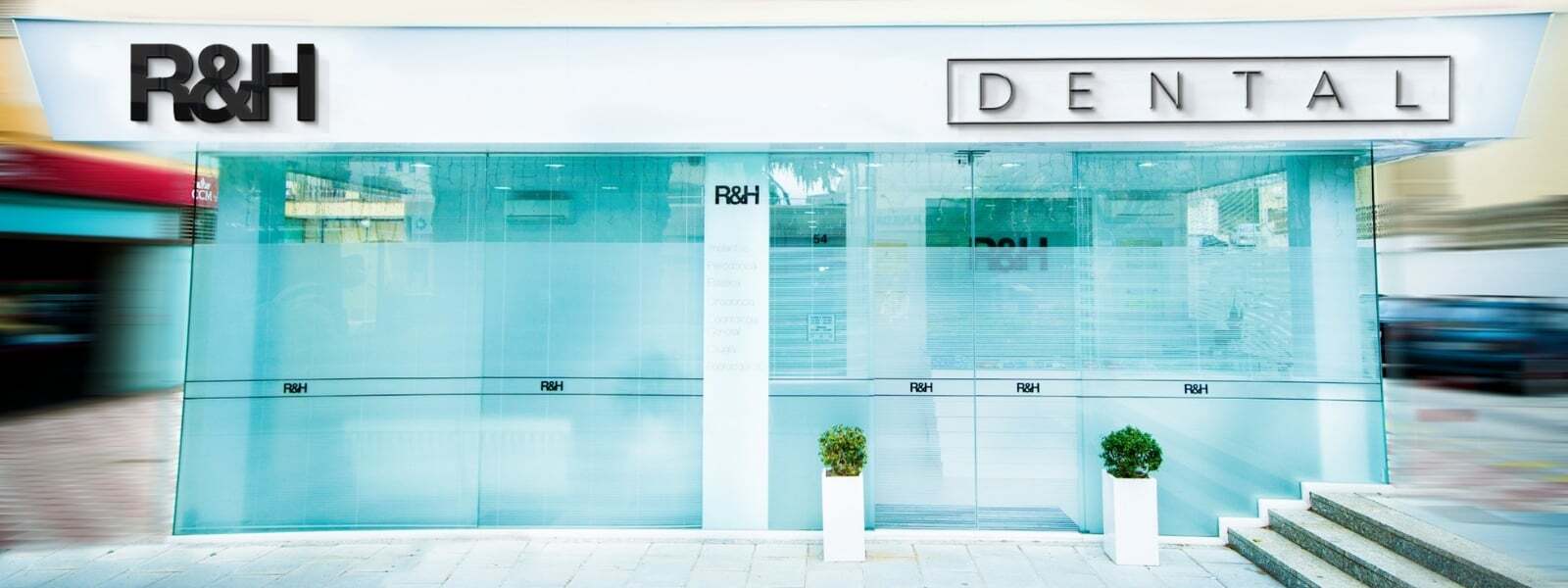
R&H Dental · Avenida Ricardo Soriano 54
Meet Dr. Sara and discuss a biological approach to your dental care. Whether you live nearby or are visiting Marbella, we will help you understand the next step.
952 81 44 44 · Monday–Friday, 9:00–18:30
AEMPS: Scandinibsa 30 mg/ml · FDA: existing amalgam fillings · ADA: BPA and dental materials · ADA: salivary diagnostics · NHS: sleep apnoea · NHS: dry mouth
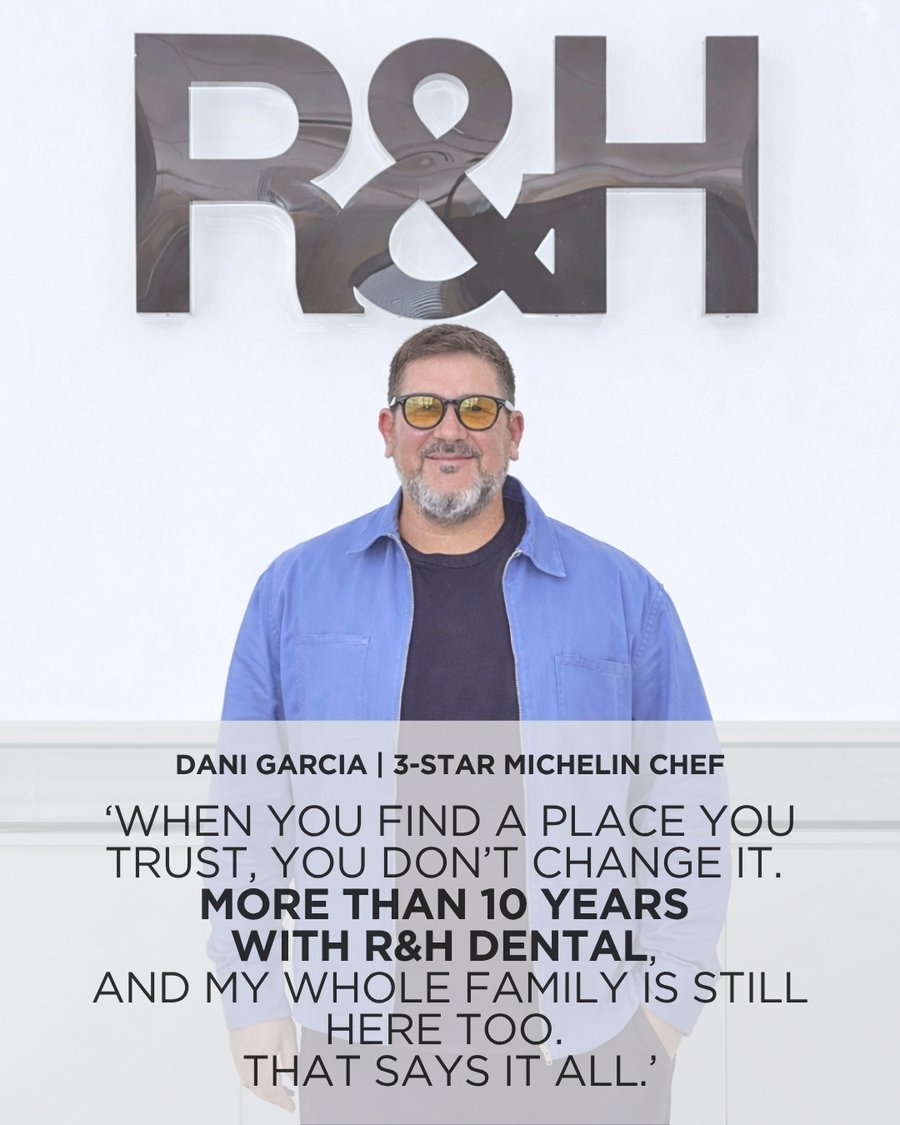
Dr. Sara, Dr. Bruno, clinic and Dani García endorsement photographs: R&H Dental. Video: R&H Dental Marbella.