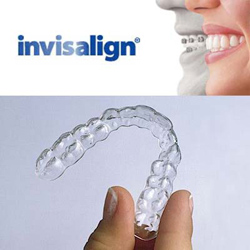
Invisalign
A branded system with its own aligner materials and ClinCheck planning tools. Read about the specific process on our Invisalign Marbella page.

Orthodontic care · Marbella
Invisalign, SureSmile and a treatment plan built around your smile and bite
Clear aligners are removable appliances that move teeth in planned stages. At R&H Dental Marbella we work with several systems, predominantly Invisalign and SureSmile. We begin with your diagnosis, then choose a suitable tool to deliver the plan.
A discreet, removable treatment option for suitable patients, with regular clinical supervision.
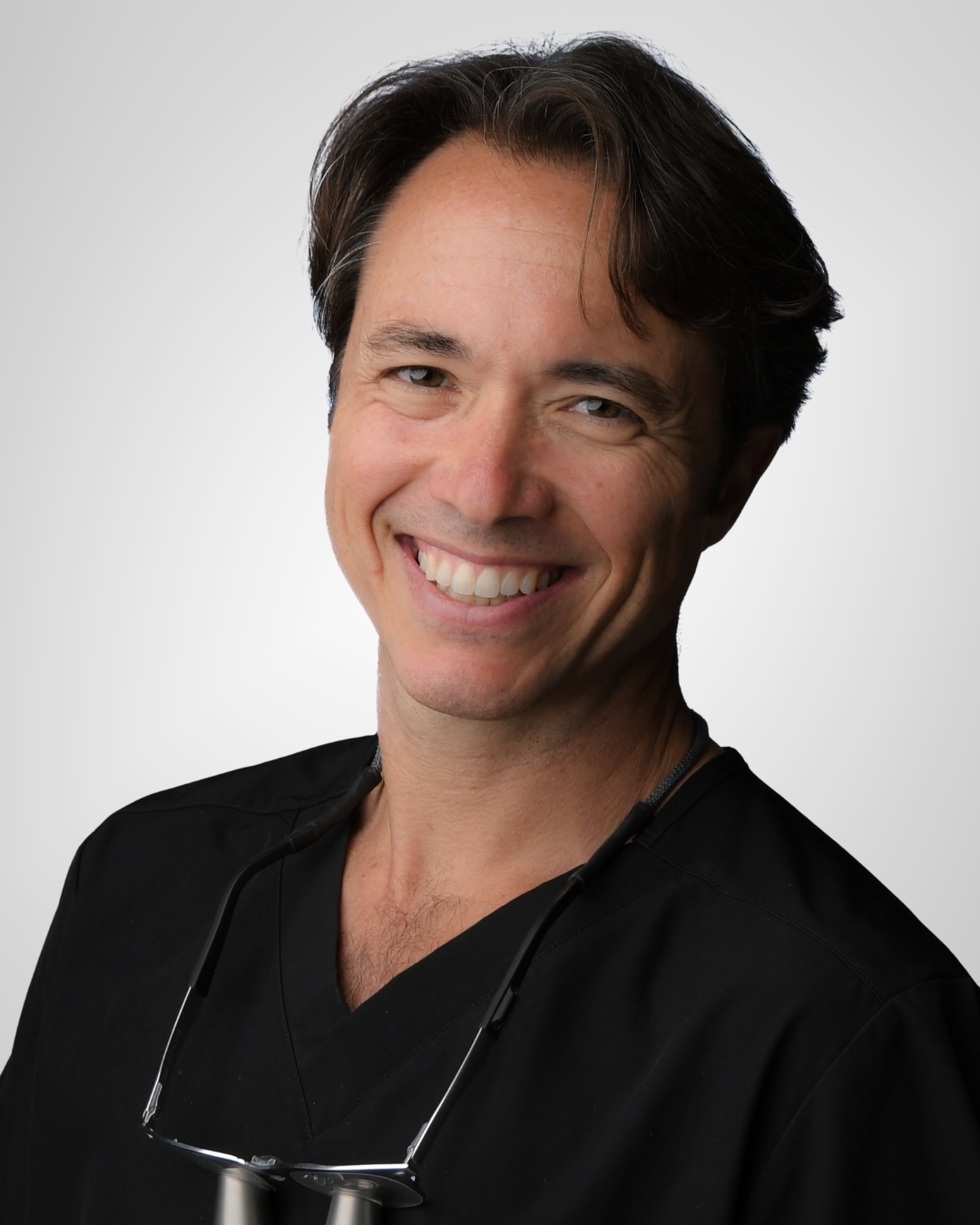
A considered plan brings alignment, function and appearance together.
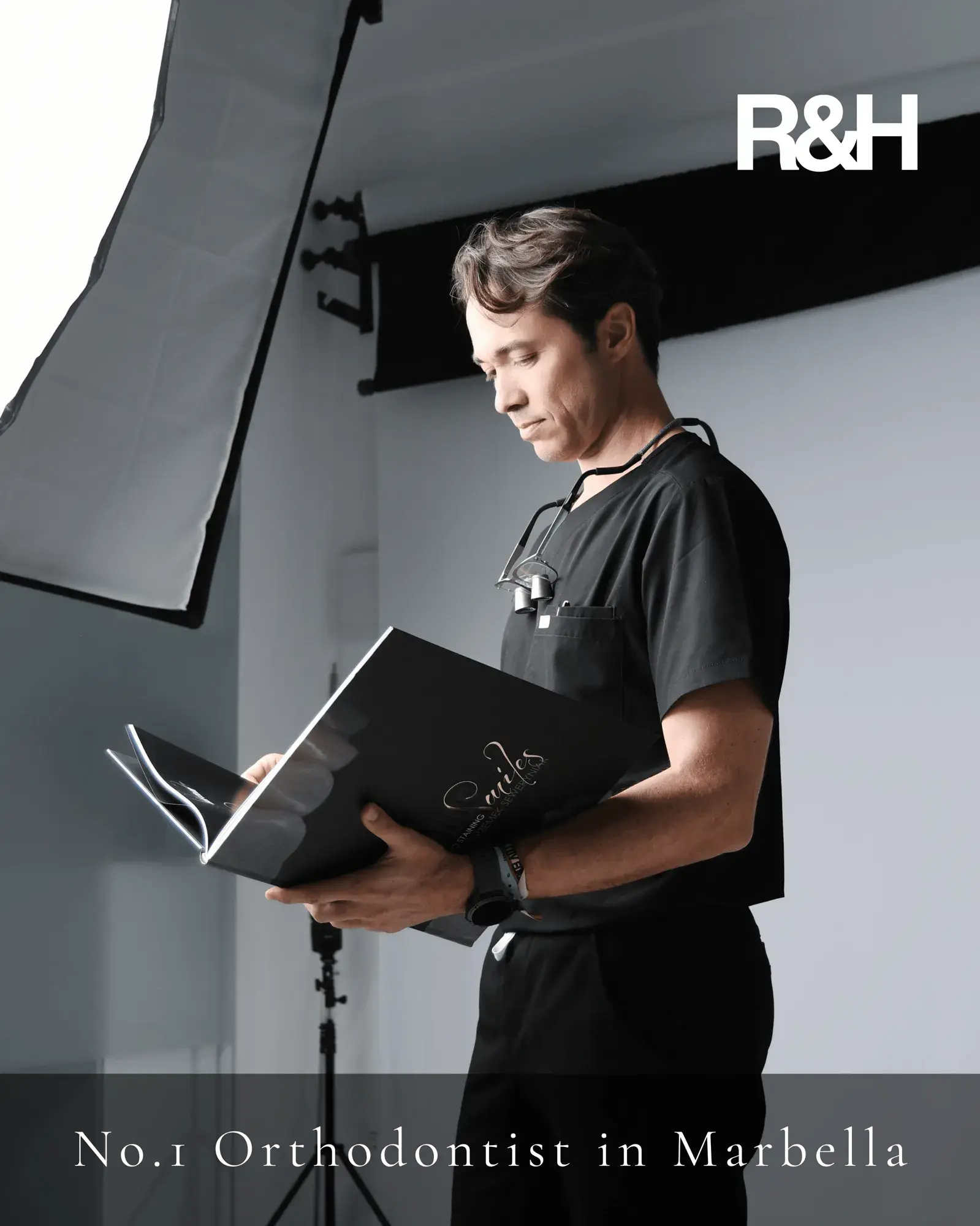
Dr. Adrian studied dentistry at the University of Seville and completed postgraduate training in Orthodontics and Dentofacial Orthopaedics. His professional practice focuses on orthodontics, including treatment for adults and coordination with other dental disciplines.
At R&H, he assesses how your teeth meet, the health of their supporting tissues and the movements needed—not simply how straight the front teeth look. He uses the digital plan to guide treatment, checks your progress and adapts the approach when your teeth respond differently from the simulation.
“Clear aligners” describes a category of removable orthodontic appliances. Invisalign and SureSmile are brands within that category. At R&H Dental, our main systems are Invisalign and SureSmile, alongside other options where appropriate to the individual plan.
A branded system with its own aligner materials and ClinCheck planning tools. Read about the specific process on our Invisalign Marbella page.
SureSmile is a clear aligner system from Dentsply Sirona. It offers digital planning and custom appliances; your treating dentist determines patient care and reviews the planned movements.
An aligner cannot diagnose your bite, assess gum health or decide whether a proposed movement is appropriate. The orthodontist sets the objectives, selects the mechanics and decides when to adapt treatment. Brand differences can matter, but choosing a system is only one part of a successful treatment plan.
Long-term stability also depends on your biological response, consistent wear, oral hygiene and retention. Good planning and supervision matter throughout; no brand or provider can guarantee that teeth will never move again.
Adults and suitable teenagers may benefit from treatment for crowded teeth, gaps, relapse after previous orthodontics or selected bite problems. A full assessment establishes whether aligners can deliver the movements you need, or whether another orthodontic approach would be more appropriate.
From understanding your bite to protecting your result.
Your orthodontic study brings together an examination, photographs and digital records, with X-rays when clinically indicated. Dr. Adrian discusses your priorities, dental health and the likely treatment scope.
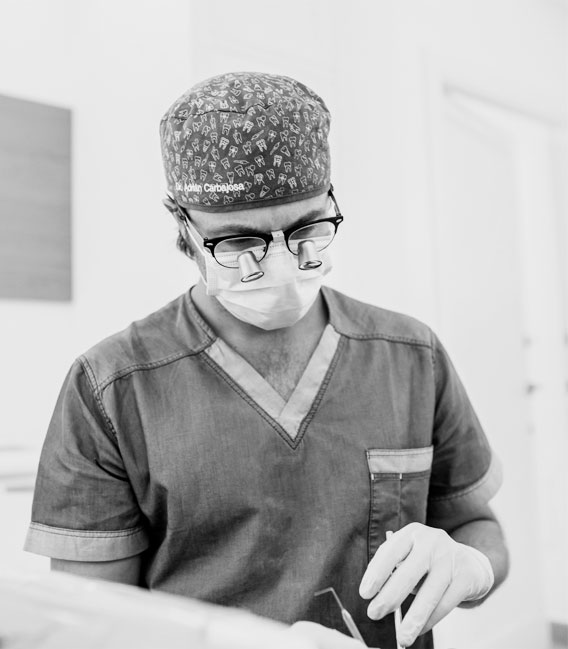
We assess how the upper and lower teeth meet and plan the sequence of movement. The orthodontist selects an appropriate aligner system, explains the proposed attachments and discusses limitations before treatment begins.
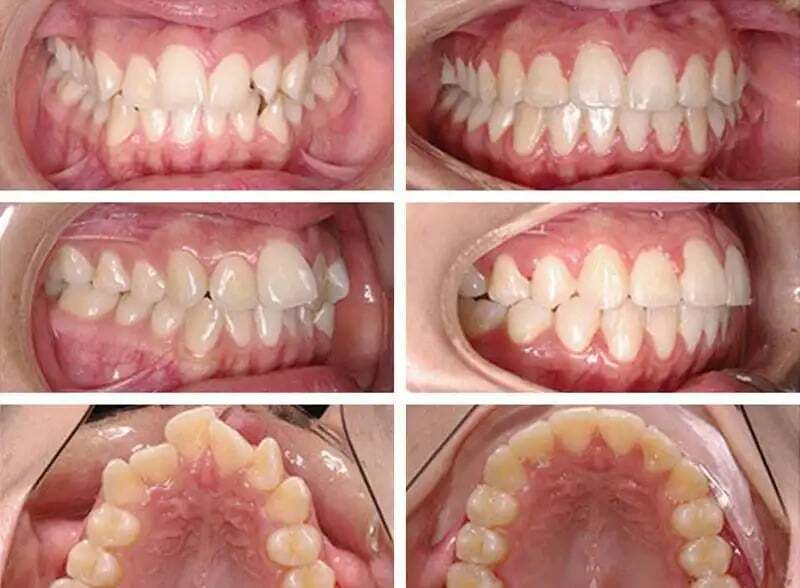
Small tooth-coloured composite attachments may be bonded to selected upper teeth to help the aligner engage and apply the planned forces. Their number, shape and position depend on your case.
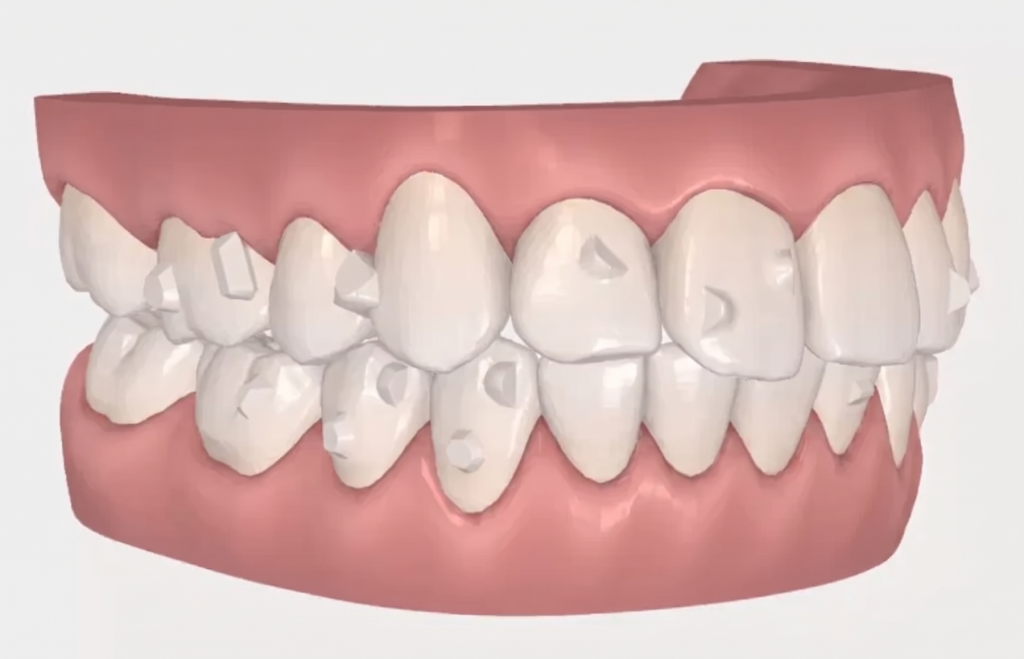
Where needed, attachments on lower teeth support coordinated treatment of both arches. Upper and lower attachments may be placed at the same appointment or at different stages; the sequence is individual.
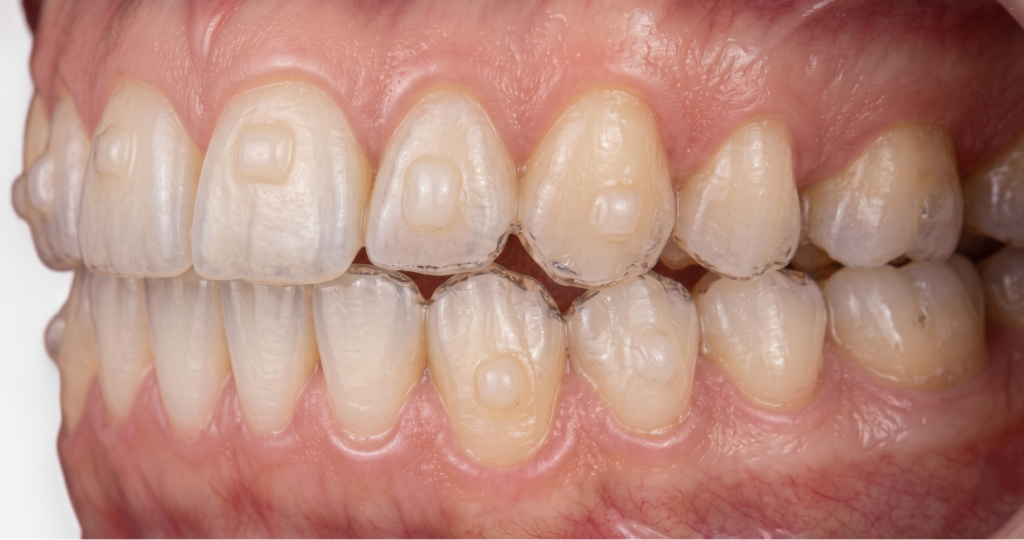
Wear each set for the prescribed hours and change it only on the agreed schedule. Reviews check fit, tooth movement, attachments, oral health and your bite. Further scans or refinement aligners may be needed to adjust the plan.
When the planned result has been assessed, attachments are removed as appropriate and your retention plan begins. Retainers and ongoing dental care help maintain tooth position; follow your dentist’s long-term instructions and report a loose, damaged or poorly fitting retainer.
English-Speaking Dentists
From Finland, Denmark, NZ, Ireland, Portugal & Spain — 15-35 years experience
Transparent Pricing
Published prices, no hidden fees — what we quote is what you pay
Written Guarantee
All treatments backed by our published guarantee policy
1st Check Up Free
Book your first visit at no charge — no obligations
Accurate, Honest Diagnosis
No unnecessary treatments — only what you truly need
Trusted by 9,500+ Expats
Your neighbors have chosen us — 4.9★ from 450+ Genuine Google Reviews


The consultation, comprehensive orthodontic study and independent iTero scan are separate services. Your written quotation confirms the treatment scope, reviews and retention costs.
Fees depend on the complexity and scope of treatment. Confirm which reviews, refinements and retainers are included in your written quotation before starting.
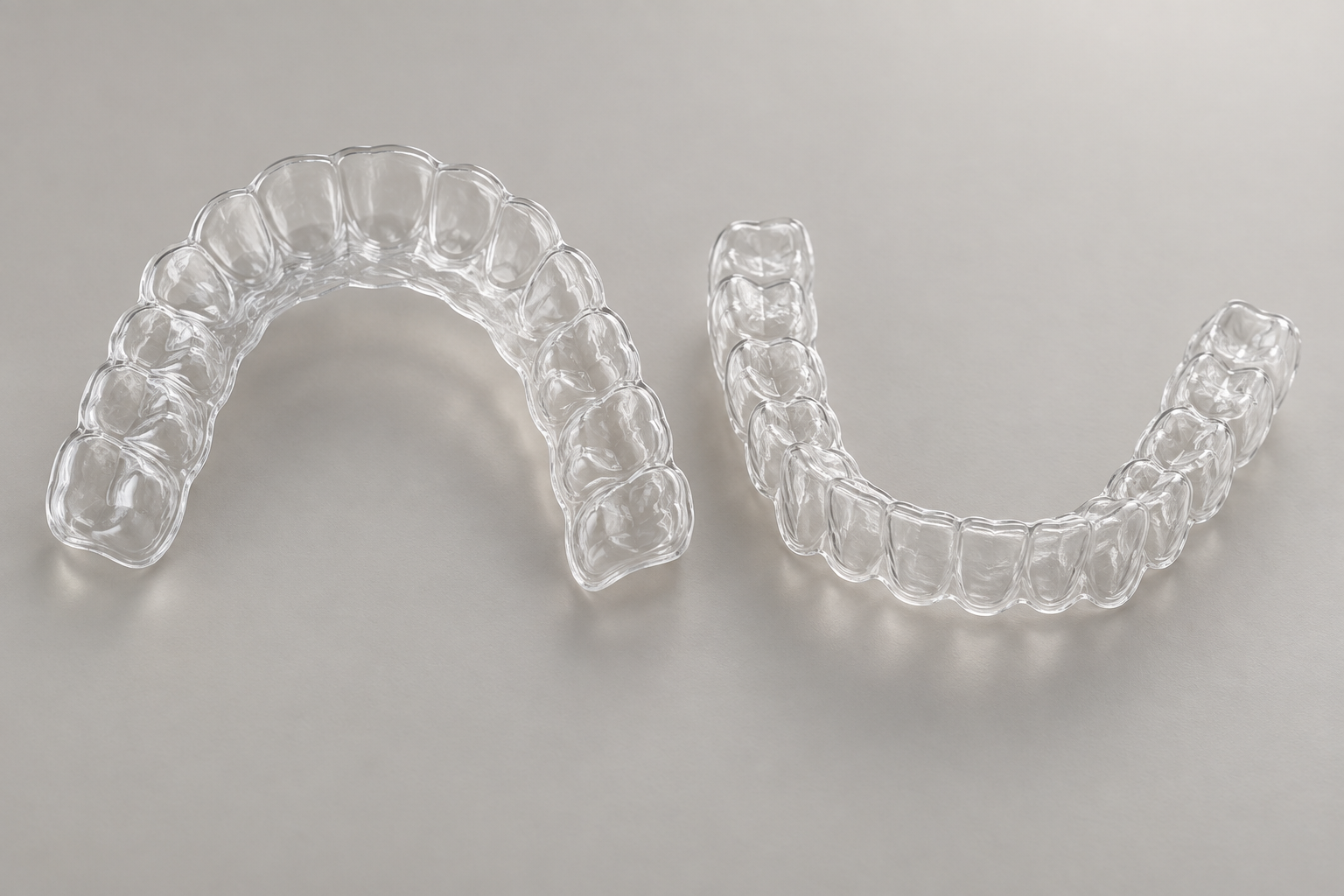
Clear aligners are removable, transparent orthodontic appliances made to fit your teeth. A planned series moves teeth in stages. They are the tool used to carry out an orthodontic plan; the diagnosis, movement sequence and clinical supervision determine how that tool is used.
Invisalign is one brand of clear aligners. The broader term includes several systems with different materials, software and treatment packages. Our Invisalign Marbella page explains that brand; this page helps you understand the wider choice and the clinical plan behind it.
We work with several systems, predominantly Invisalign and SureSmile. Dr. Adrian considers your diagnosis, the movements required and the practical treatment scope when discussing the options. Your written plan identifies the system proposed for your case.
SureSmile is a clear aligner system from Dentsply Sirona. It combines digital treatment planning with custom appliances. The treating clinician remains responsible for assessing the patient and determining care; the manufacturer does not replace that clinical role.
No single brand should be assumed to suit every patient. Materials, planning tools and package terms can differ, but the quality of the diagnosis and the way the dentist plans and monitors movement also matter. Ask how the proposed system addresses your particular bite.
Ask who will plan treatment, who will review progress and how problems or refinements are managed. Discuss orthodontic training, alternatives, retention and the full quotation. At R&H Dental Marbella, Dr. Adrian brings orthodontic assessment and planning to that conversation.
People often use invisible braces or transparent braces to describe clear aligners. These removable trays differ from fixed braces, including tooth-coloured braces. At your consultation, we explain which appliance is being proposed and why it suits your needs.
Ask about the person’s orthodontic training, how they assess the bite and who reviews your progress. At R&H Dental Marbella, Dr. Adrian’s practice focuses on orthodontics. His profile explains his education and approach so you can make an informed choice.
Ask who plans your treatment, what the assessment includes and how often you will be reviewed. Discuss alternatives, limitations, fees and aftercare. You should understand how to contact your provider if an attachment comes off or a tray stops fitting.
Yes. Tell Dr. Adrian which systems you are considering. We predominantly work with Invisalign and SureSmile, and can discuss how a suitable system fits your proposed movements, review arrangements and budget. The diagnosis comes before the brand choice.
Dr. Adrian Carbajosa provides orthodontic assessment and planning at R&H Dental Marbella. He studied dentistry at the University of Seville and completed postgraduate training in Orthodontics and Dentofacial Orthopaedics. His profile explains his background and interdisciplinary approach.
Digital software can represent a proposed movement sequence, but it cannot independently decide what is right for your dental health. Dr. Adrian assesses your bite, plans attachments and staging, and checks whether the teeth are following the plan. Clinical decisions continue after the trays arrive.
The study brings together your concerns, examination findings, photographs and digital records. X-rays are taken when clinically indicated. Dr. Adrian uses these records to assess tooth position, supporting tissues and bite relationships before explaining suitable treatment options and limitations.
Straight front teeth are only one part of orthodontic care. The way upper and lower teeth meet influences the treatment objectives and the movements required. Bite analysis helps establish whether the proposed alignment is appropriate within your wider dental plan.
Many adults can consider aligner treatment, including people whose teeth have moved after earlier orthodontics. Age alone does not determine suitability. Dental and gum health, the movements needed and your ability to wear and care for the appliances are assessed first.
No. Some movements or bite problems need another approach, additional mechanics or coordinated treatment. An assessment is needed before promising what aligners can achieve. Dr. Adrian will explain limitations and discuss alternatives, including fixed orthodontics where appropriate.
Suitable teenagers can consider aligner treatment after assessment of dental development and oral health. Daily wear and cleaning require commitment. We discuss these responsibilities with the teenager and family before deciding whether removable appliances are appropriate.
Selected spacing problems can be treated with aligners. Dr. Adrian first assesses why the spaces exist, tooth proportions and the bite. Some cases need coordinated restorative care as well as orthodontics; the plan should explain both the movements and their limitations.
Aligners may help mild or moderate crowding, depending on the available space and planned movements. Space may need to be created as part of treatment. More complex crowding can require additional techniques or an alternative appliance, which will be discussed after assessment.
Gum health forms part of the assessment. Active dental or gum problems may need attention before orthodontic movement begins. Tell the dentist about bleeding, sensitivity or previous gum treatment so that care can be coordinated appropriately.
Attachments are small, tooth-coloured composite shapes bonded to selected teeth. They can look like tiny raised bumps and help the aligner engage with the tooth. Attachment positions, shapes and visibility vary with your individual treatment plan.
That depends on the planned movements. Some patients need attachments on selected teeth in both arches, while others need fewer. Upper and lower placement are shown as separate journey steps for clarity; they may take place together or at different stages.
Attachments are removed by the dentist when they are no longer needed, with the tooth surfaces assessed and finished appropriately. Do not try to remove one yourself. If an attachment comes off during treatment, contact the clinic for advice about review and your next aligner.
Your dentist gives you the required daily wear time and change schedule for your system and plan. Treatment needs consistent wear; removing trays frequently or advancing too early can affect progress. Confirm the routine at fitting and ask if you are finding it difficult to follow.
Remove your aligners for meals and follow the guidance supplied for drinks and cleaning. Keep them in their protective case rather than a tissue. Your fitting appointment includes practical instructions for your appliance so you can care for it and maintain the prescribed wear routine.
They are designed to be discreet, but trays and attachments can be visible. Pressure or tenderness can occur as teeth move. Discuss persistent pain, damage or fit problems with the clinic rather than assuming they are normal or forcing an appliance into place.
Follow the cleaning instructions for your particular system and the advice given at fitting. Rinse and clean trays regularly, and keep your teeth clean before putting them back in. Avoid hot water, which can distort the plastic, and ask before using an unfamiliar cleaning product.
Some people notice a temporary change in speech while adapting to their trays. Discuss any persistent difficulty at your review, especially if a tray feels loose or uncomfortable. Your dentist can check the fit and give advice specific to your appliance.
Contact R&H Dental and tell us which tooth is affected and which aligner you are wearing. The team will advise whether the attachment needs replacing and how to continue your wear schedule. Do not attempt to glue it back yourself.
Brief removal may be possible within your prescribed wear routine, but repeated or lengthy breaks can affect progress. Plan meals and events around your daily wear requirements. Ask your dentist if an occasion will make it difficult to meet them.
The duration depends on the movements needed, case complexity, wear consistency and response to treatment. Dr. Adrian provides an individual estimate after assessment and planning. Reviews may show that additional stages are needed, so a simulation is not a guaranteed completion date.
Reviews check more than whether a tray can be worn. The orthodontist assesses fit, movement, attachments, oral health and the developing bite. These checks inform whether to continue the sequence, adjust the schedule or revise part of the treatment plan.
Refinements are additional aligners planned when the initial sequence has not fully delivered the intended movements or the result needs adjustment. They may involve new records and revised attachments. Whether they are included, and any limits or extra fees, should be confirmed in your quotation.
Contact the clinic and describe where the fit has changed, any lost attachment and which set you are wearing. Do not jump ahead in the sequence or modify the tray yourself. The team can advise whether you need a review before continuing.
Possibly, provided a workable review and aftercare plan can be agreed. Tell us where you live and how often you return to Marbella. Some checks and procedures need an in-person appointment; travel convenience should be discussed before you commit to treatment.
A transfer needs assessment and access to relevant records. The new provider must understand the starting diagnosis, work already completed and current appliance plan. Continuing the same system is not automatic, and new planning or fees may be required.
The review interval depends on the stage of treatment and your individual plan. We agree the arrangements before you start and may change them if closer monitoring is needed. Keep scheduled appointments even when the trays appear to fit comfortably.
Contact your provider promptly with the tray number and details of the problem. Keep your previous trays available, but ask which appliance to wear rather than choosing the next stage yourself. Replacement arrangements and any fees depend on your treatment agreement.
Only change trays on the schedule prescribed for you. A tray feeling less tight does not establish that it is safe to advance. Your dentist uses reviews to decide whether the timing needs adjusting; moving ahead without advice can disrupt the planned sequence.
Remote contact can support communication where appropriate, but it cannot perform an examination, place attachments or carry out every fit and bite assessment. Discuss which visits need to take place in Marbella before committing, particularly if you travel frequently.
At R&H Dental Marbella, the fee is quoted for your individual treatment scope. The system, complexity, monitoring and retention arrangements affect the quotation. We do not apply Invisalign package prices automatically to SureSmile or other systems; ask for a written breakdown.
Clarify the consultation and study fees, aligner system, appointments, refinements, replacement appliances and retainers. Ask about any time or package limits and the cost of ongoing care. Comparing the complete treatment scope is more useful than comparing a starting price alone.
They may form one stage of a coordinated plan involving gum care or restorative treatment. Dr. Adrian considers tooth position alongside the needs of colleagues treating other concerns. The appropriate sequence is established individually rather than adding cosmetic procedures automatically.
Use our booking page to request an orthodontic consultation at R&H Dental, Avenida Ricardo Soriano 54, Marbella. Mention that you would like to discuss clear aligners with Dr. Adrian and tell us about previous orthodontic treatment or travel constraints. The team confirms the appointment and applicable fees.
There is no universal price difference that applies to every case. Fees depend on the treatment scope and care included, as well as the system. Compare written quotations for your own plan rather than assuming that one brand will always cost less.
This needs to be confirmed in your written quotation. Ask about additional aligners, new scans, appointment costs and any package or time limits. Knowing these details before starting helps you compare treatment plans fairly.
Ask whether the quotation includes your first retainers, fitting and follow-up checks. Replacement retainers and ongoing care may be charged separately. Your plan should explain retention arrangements alongside active treatment costs.
Bring details of previous orthodontic treatment and any relevant dental records you already have. Tell us about your priorities, medical and dental history, and travel commitments. There is no need to order new records yourself before the team advises what is required.
Yes. Ask the team about the payment arrangements available for your proposed treatment and request the terms in writing. Confirm when payments are due and what happens if the treatment plan changes. Do not assume that a particular finance option is available.
Our clinic is at Avenida Ricardo Soriano 54, Marbella. You can request an orthodontic consultation through the booking page or contact the team to arrange a visit. Mention that you want to discuss clear aligners so the appointment can be directed appropriately.
Yes, retention is part of maintaining the corrected tooth positions after orthodontic treatment. Your dentist selects an appropriate retainer arrangement and wear schedule. Keep attending recommended checks and report damage or a change in fit promptly.
The clinical plan, treatment response and final assessment all matter, followed by consistent retention and ongoing dental care. Teeth can change position over time. Good supervision and patient participation support stability, but neither the appliance brand nor treatment alone guarantees a permanent position.
They serve different purposes. Treatment aligners are sequenced to move teeth, while retainers are prescribed to help maintain the result. A clear removable retainer can look similar, but do not substitute an old tray for your prescribed retainer without advice.
Retention is a long-term commitment. Your orthodontist will prescribe the type of retainer and wear schedule for your situation, including how that schedule may change. Continue following the plan after active treatment ends rather than stopping because your teeth look straight.
Yes. Teeth can change position after orthodontics and throughout life. Retainer wear and follow-up care help maintain alignment. Contact your dentist if you notice movement, especially if a retainer no longer fits as it did previously.
Contact the clinic for advice and assessment. Do not force a retainer that will not seat or try to reshape it yourself. A change in fit can reflect tooth movement or appliance damage, and the appropriate response depends on the cause.
Contact your dentist promptly so replacement arrangements can be discussed. Explain how long it has been missing and whether you have noticed movement. Avoid delaying until your next routine check because the teeth may change position without the prescribed retention.
Use the cleaning method recommended for your retainer and store it in its protective case when removed. Keep it away from heat and pets. Bring it to review appointments so the team can assess its condition and fit.
Yes. Finishing orthodontics does not replace routine dental examinations and hygiene care. Continue your recommended appointments and retention reviews, and tell your dentist about discomfort, gum changes or retainer damage.
They may be an option if teeth have moved after previous treatment. A fresh assessment is needed to understand the current bite, oral health and reason for relapse. Any further treatment should include a renewed retention plan to help maintain the result.
R&H Dental · Marbella
Discuss your smile, your bite and the right clear aligner treatment plan with Dr. Adrian.
Book your consultationBring your priorities and any previous orthodontic records. We will explain suitable options, the study and your written quotation.
Tell us about your travel plans so we can discuss in-person reviews and continuity of care before treatment begins.
 Obligation-free, Expert Diagnosis & Advice
Written Guarantee on All Treatments
Transparent Reasonable Pricing
English-speaking Clinic
Obligation-free, Expert Diagnosis & Advice
Written Guarantee on All Treatments
Transparent Reasonable Pricing
English-speaking Clinic

Experience per dentist (no junior dentists)

Happy patients treated

English-speaking dentists & specialists

Google rating (450+ Genuine Google Reviews)
Opening chat…