
natural facial aesthetics
Botulinum toxin for Teeth Grinding in Marbella
From Marbella's most renowned specialists in dental and facial aesthetics
Masseter botulinum toxin for Teeth Grinding
We now offer botulinum toxin treatment as part of a clinical approach to managing teeth grinding (bruxism), helping to reduce excessive muscle activity and associated tension.
This page is currently under development and will soon provide further information on indications, treatment process, and suitability.
If you are experiencing symptoms such as jaw tension, grinding, or related discomfort, our team will be happy to guide you on whether this treatment may be appropriate.
Jaw-muscle treatment in Marbella: your questions
01Understanding grinding and jaw muscles
What is the masseter muscle?
The masseter is a chewing muscle at the side of the jaw. Assessing it is only one part of investigating clenching, pain or facial shape concerns.
Is clenching the same as grinding?
Clenching holds the teeth together under force; grinding involves movement against them. Both can occur within bruxism, but your symptoms and pattern need individual assessment.
Can bruxism happen while I am awake?
Yes. Bruxism can occur during waking hours or sleep. Tell your dentist when you notice tension and whether someone has heard you grind at night.
Does bruxism always require injections?
No. Some cases need little intervention; others need protection, habit management or further assessment. An injection should not be assumed to be the first or necessary step.
Does a large masseter prove that I grind my teeth?
No. Muscle appearance alone cannot establish bruxism or explain pain. A clinical history and examination are needed before drawing conclusions from facial shape.
Is jaw pain always caused by bruxism?
No. Tooth problems, muscle conditions and jaw-joint disorders can cause overlapping symptoms. R&H should assess the cause rather than treating every painful jaw as excessive muscle activity.
Are bruxism and temporomandibular disorders the same condition?
No. Bruxism describes clenching or grinding; temporomandibular disorders concern the jaw joints and associated muscles. They may coexist, but the assessment and treatment goals are not interchangeable.
Can grinding damage existing dental work?
Grinding forces can contribute to problems with teeth and restorations. Tell R&H about chips, broken fillings or changes in your bite so the damage and its causes can be assessed.
Can I grind without knowing it?
Yes. Some people notice only tooth wear, sensitivity or jaw tiredness. These signs are reasons for assessment, but none independently proves what happens during sleep.
How does a jaw muscle assessment differ from advice about a bite splint?
A jaw muscle assessment explores symptoms and whether any muscle-directed treatment is appropriate. A bite splint is a protective appliance: protecting teeth and changing muscle activity are different objectives, although both may form part of an individual plan.
02Investigating the cause
What should I bring to a teeth clenching consultation in Marbella?
Bring previous dental plans, your splint if you use one, and a medication list. Describe when symptoms started, what worsens them and how they affect eating or sleep.
Why does a jaw muscle assessment include checking my teeth?
A tooth problem can resemble muscle pain, while wear and broken restorations may need their own care. An injection cannot replace diagnosis or repair an already damaged tooth.
Should I describe headaches and ear-area pain during a jaw muscle assessment?
Yes. Describe their timing and associated symptoms without assuming they are dental. The findings may indicate that another clinician should investigate part of the problem.
Should I mention jaw clicking or locking at a teeth clenching consultation?
Yes. Joint noises and restricted opening are different from simply feeling a strong muscle. Report locking or changes in movement so the joint can be assessed appropriately.
Do my sleeping habits matter?
Yes. Describe sleep quality and any relevant symptoms or existing diagnosis. The clinician can decide whether a sleep-related assessment is appropriate rather than assuming all night-time symptoms have one cause.
Can stress be relevant to clenching?
Stress can be associated with bruxism, but it should not be used to dismiss persistent symptoms. Discuss the pattern alongside dental findings and any other contributing factors.
Can medicines affect grinding or clenching?
Some medicines may be relevant. Give the dentist your complete list and discuss concerns with the prescriber; do not stop or alter a prescribed medicine yourself.
Should I mention caffeine, alcohol and smoking?
Yes. These may be relevant to the wider bruxism assessment. An honest description helps the clinician discuss realistic changes without attributing every symptom to one habit.
Does a jaw muscle assessment always require a scan?
No single test suits every presentation. Examination and history guide whether imaging or another investigation is justified; ask what a proposed test is intended to clarify.
Can I seek a second opinion before masseter treatment in Marbella?
Yes. Bring the diagnosis, proposed treatment and previous records to R&H. Ask the clinician to explain the intended benefit, evidence, alternatives and uncertainties for your particular case.
03Protection and conservative options
What does a bite splint do?
A prescribed splint provides a barrier between the teeth and can help protect against wear. It does not automatically stop the underlying grinding behaviour or resolve every jaw symptom.
Does reduced muscle activity replace a splint?
Not automatically. A muscle-focused treatment and an appliance have different purposes. Ask whether your teeth or restorations still need protection within the overall plan.
Can awareness of daytime clenching help?
Recognising when you hold your teeth together can support habit-focused advice. Ask the clinician for an approach suited to your pattern rather than relying only on a procedure.
Should I continue a splint that is painful or poorly fitting?
Ask R&H to review it rather than forcing continued wear. Bring the appliance and describe the problem; a changed fit or new pain needs assessment.
Can every jaw problem be corrected by changing the bite?
No. Evidence does not support irreversible bite changes as a general treatment for temporomandibular disorders. Ask why any proposed dental alteration is necessary for your diagnosed problem.
Can physiotherapy be part of a jaw-pain plan?
For some presentations, a clinician may recommend appropriate conservative care or referral. Whether this fits your case depends on the diagnosis, not simply on the presence of grinding.
Should I try exercises found online?
Discuss them with a qualified professional first, especially if your jaw locks or movement is painful. Exercises need to match the problem rather than treating every jaw complaint alike.
Can treatment of damaged teeth and muscle symptoms be coordinated?
Yes, the two concerns can be considered together at R&H. Repairing damage, protecting restorations and investigating muscle symptoms may require different steps and professionals.
Is monitoring sometimes reasonable before a procedure?
Yes, when the clinical assessment supports it. Agree what will be monitored, when review is needed and which changes should prompt earlier contact rather than leaving symptoms without a plan.
What should I ask during a jaw muscle assessment before considering a procedure?
Ask what has been tried, what diagnosis remains, and what additional benefit the proposed procedure offers. Understand its risks and how success would be measured in your case.
04Injectable treatment: aims and limitations
What is botulinum toxin’s role in muscle treatment?
Botulinum toxin can temporarily reduce activity in an injected muscle. Whether that is appropriate for a jaw complaint requires a qualified prescriber’s assessment and a defined treatment objective.
Is this a guaranteed cure for bruxism?
No. Reducing muscle force does not necessarily remove the factors behind grinding or clenching. Benefits, limitations and continuing dental protection need discussion before deciding.
Is the evidence the same for bruxism and TMD pain?
No. Studies address different conditions and outcomes. Evidence about one group should not be presented as proof that injections reliably resolve every type of jaw pain.
Can injectable treatment repair worn teeth?
No. Changing muscle activity does not rebuild lost tooth structure. R&H must assess whether protection, restoration or monitoring is needed separately for the teeth.
Is a cosmetic jaw-shape goal the same as pain treatment?
No. Appearance and symptom control are different objectives with different ways to judge results. Be clear which concern you want addressed and whether both need assessment.
Does the product name establish an approved use for my condition?
No. Authorised uses depend on the specific medicine and jurisdiction. Ask the prescriber to explain the proposed indication and whether use would be outside the authorised product information.
What should I understand about an off-label proposal?
Ask why it is being considered, what evidence supports it, what uncertainties remain and which alternatives exist. A familiar medicine name does not replace this individual discussion.
Will both sides of the jaw need identical treatment?
That cannot be decided from a general FAQ. The professional must assess symptoms, anatomy and the intended outcome; do not assume that identical treatment is appropriate for every face.
Can the dose be decided from a photograph or online price list?
No. Dose and product decisions belong to the prescribing professional after assessment. Package pricing should not be used to choose an amount of prescription medicine yourself.
Can treatment be repeated automatically when the effect fades?
A repeat procedure needs review of response, side effects and continuing need. Do not assume that a previous injection establishes an appropriate long-term schedule without reassessment.
05Safety and suitability
Who should assess suitability for prescription injections?
A suitably qualified prescribing professional should assess the condition and explain responsibility for treatment and follow-up. Confirm these details with R&H before agreeing to a procedure.
Which medical history should I disclose?
Mention neurological or muscle conditions, swallowing or breathing problems, allergies and previous reactions. The prescriber needs the complete history to assess the relevant product precautions.
Should I disclose injections received elsewhere?
Yes. Give the product, date, body area and any reaction if known. Treatment for another condition can still be relevant to a new prescription decision.
What if I am pregnant or breastfeeding?
Tell the clinic before a planned injectable procedure. The prescriber should assess product-specific information and whether the proposed treatment should be deferred.
Can injections cause bruising or soreness?
Yes. Local soreness, bruising or swelling may occur. Ask what is expected for the proposed procedure and whom to contact if symptoms are unusual or worsen.
Could treatment affect chewing strength?
A muscle-relaxing treatment can affect muscle function. Discuss chewing demands and possible unwanted weakness before proceeding, especially if you already have difficulty eating.
Could my smile or facial balance change?
Unwanted effects on nearby muscle function are possible. The professional should explain relevant risks, including asymmetry, and how a new concern would be assessed.
What symptoms require emergency help after an injection?
Seek emergency help for difficulty breathing, swallowing or speaking, or severe generalised weakness after botulinum toxin. In Spain call 112 and mention the recent treatment.
Should I buy injectable products online?
No. Online access does not establish authenticity, safe supply or suitability. Prescription and administration belong within qualified clinical care, not self-treatment or informal injection settings.
Can this page determine whether injections are safe for me?
No. It helps prepare questions, but cannot assess your medical history or diagnosis. Suitability is a clinical decision made with the responsible professional.
06Review, fees and arranging care
How will the clinician judge whether masseter treatment helped?
Agree specific measures before treatment, such as symptom frequency, chewing comfort or examination findings. A change in facial appearance alone does not establish that a dental problem is controlled.
Should I keep a symptom record?
A brief record of timing, discomfort and functional limitations can help compare changes at review. Keep it factual rather than assuming every daily fluctuation is a treatment effect.
When should follow-up be arranged?
Agree the review schedule with the treating professional before the procedure. Ask how to report problems sooner and who provides continuity if you are away from Marbella.
What if my symptoms do not improve?
Return for reassessment rather than automatically requesting a larger or repeated injection. The diagnosis, treatment objective and alternative explanations may need review.
Do I still need routine dental care?
Yes. Monitoring teeth, gums and restorations remains important even if muscle symptoms improve. Coordinate this with any splint or muscle-treatment follow-up at R&H.
Are facial-aesthetics fees covered by a free dental check-up?
Do not assume so. Ask R&H to confirm the assessment type, clinician and fee before booking; a general dental offer does not define the scope of a separate procedure.
What should a quotation for masseter treatment in Marbella include?
It should distinguish assessment, the proposed procedure, reviews and any separate dental treatment or appliance. Clarify what happens financially if the plan changes after assessment.
Can I arrange a teeth clenching consultation in Marbella if I live elsewhere?
Contact R&H with your dates and describe the concern. Discuss the need for examination and follow-up before travel, rather than assuming one visit will complete assessment and treatment.
Should I bring my current splint to a follow-up appointment?
Yes, if it forms part of your care. Its fit, wear and your experience using it can help the team assess protection alongside changes in muscle symptoms.
How do I request a jaw muscle assessment at R&H?
Contact reception and explain whether the concern is grinding, pain, damaged teeth or facial shape. The team can clarify the appropriate appointment and confirm availability before you attend.
The Best Dental Clinic in Marbella
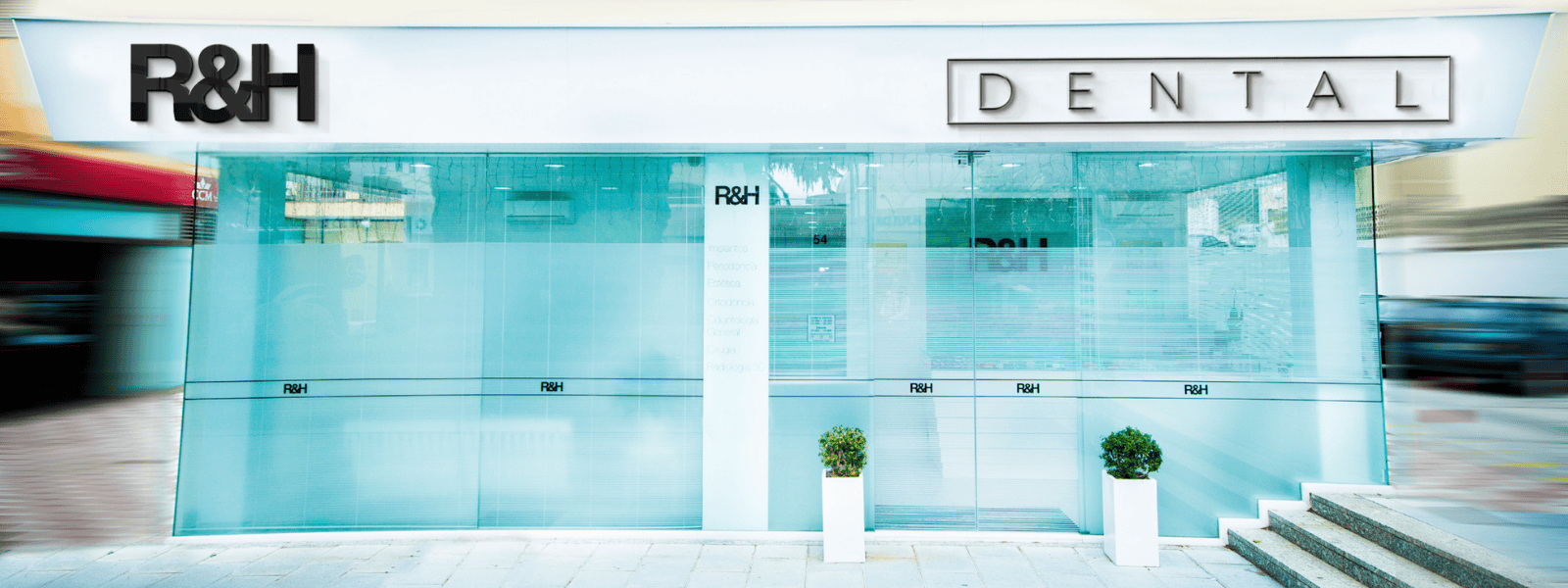
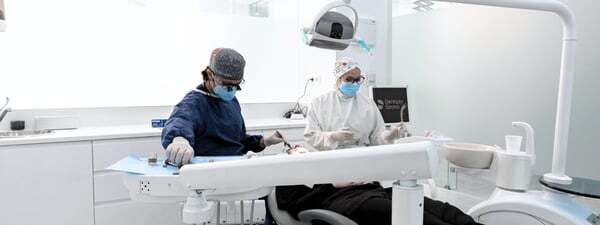
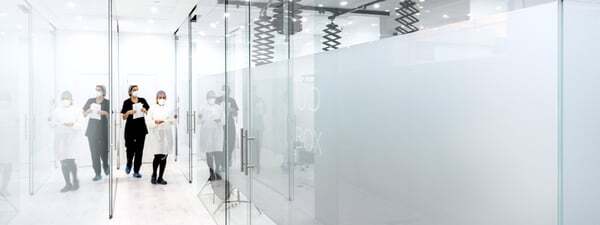
For Expats Seeking a Trusted Dentist in Marbella
Trusted by 9,500+ Happy Expats
English-Speaking Dentists
From Finland, Denmark, NZ, Ireland, Portugal & Spain — 15-35 years experience
Transparent Pricing
Published prices, no hidden fees — what we quote is what you pay
Written Guarantee
All treatments backed by our published guarantee policy
1st Check Up Free
Book your first visit at no charge — no obligations
Accurate, Honest Diagnosis
No unnecessary treatments — only what you truly need
Trusted by 9,500+ Expats
Your neighbors have chosen us — 4.9★ from 450+ Genuine Google Reviews

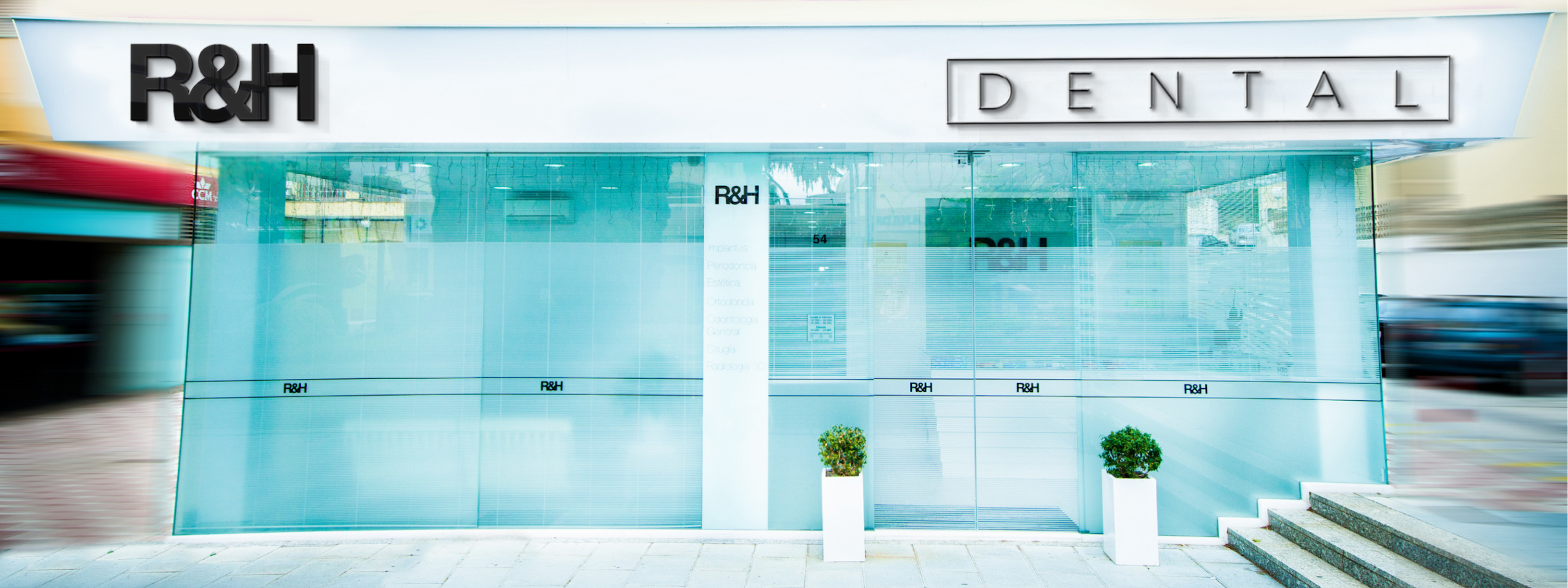
What Our Patients Say
9,500+ Happy Patients!
“RH Marbella have been absolutely amazing with my 8-year-old daughter. She has always been so nervous about the dentist, but the team here are incredible at making her feel calm and comfortable every single time. We've tried many places before, but none compare — this is by far the best dental experience we've had.”
Victoria M — Marbella
“I've been coming to R&H for over two years now for various treatments (implants, crowns, fillings), and they are absolutely amazing! The team is made up of internationally trained, highly skilled, and experienced doctors and nurses. From Dr. Rebecca to Dr. Bruno, everyone is at the top of their game.”
Natasha M — Marbella
“In one word: Incredible. After having my first session here I was amazed by the level of service, the quality of the staff, and the high quality and new equipment that they are using throughout the clinic. Far exceeded my expectations. By far the best clinic I have ever been to.”
The Dutchees — Marbella
“My hygiene visit was probably the best I have ever experienced. The hygienist was professional and friendly. I felt no discomfort at all and everything was explained to me throughout this appointment. There is an extremely high standard of care given to patients at this practice.”
Katherine Sheeran — Ireland
“I am a Canadian spending some time in Marbella. I got an appointment the next day. The reception was very warm and friendly, with everyone speaking a perfect English. I felt I got a VIP treatment but as I was waiting to see the doctor, I realized that every patient was receiving a VIP treatment.”
Robert M — Canada
Book a Free Consultation
R&H Dental uses your personal data to manage your appointment request and contact you about it. Data controller: RD&HE Enterprises S.L.
 Obligation-free, Expert Diagnosis & Advice
Written Guarantee on All Treatments
Transparent Reasonable Pricing
English-speaking Clinic
Obligation-free, Expert Diagnosis & Advice
Written Guarantee on All Treatments
Transparent Reasonable Pricing
English-speaking Clinic
Book a Free Check Up Today
4.9/5 Star Rating | 9,500+ Happy Patients | 1st Check Up Free