Assess the foundation
Consider bone volume, gum health, nearby structures and your individual health risks before deciding how to proceed.

The implant you choose matters.
The expertise behind its placement matters more.
Led by Dr. Romero, PhD from the University of Iowa, United States — international lecturer and published researcher.
Our dental implants come with a written lifetime warranty.

“A dental implant replaces the root of a missing tooth and supports a crown, bridge or denture. I start by assessing the teeth you still have, the gums and the available bone. The proposed replacement should make sense for your whole mouth, including how you will clean it.”
We are so confident in the quality of our dental implant care that we put our commitment in writing.
A published commitment you can read before treatment.
Implant cover, with separate terms for the crown.
Validity depends on meeting the published conditions.
Subject to eligibility, maintenance requirements and exclusions. The full policy governs cover; this overview is not a promise that every implant lasts a lifetime.
An implant cannot assess your bone, choose its own position or plan the tooth that will sit above it. Those decisions depend on the clinician responsible for your care.
The final tooth should help guide the position of your implant from the beginning.
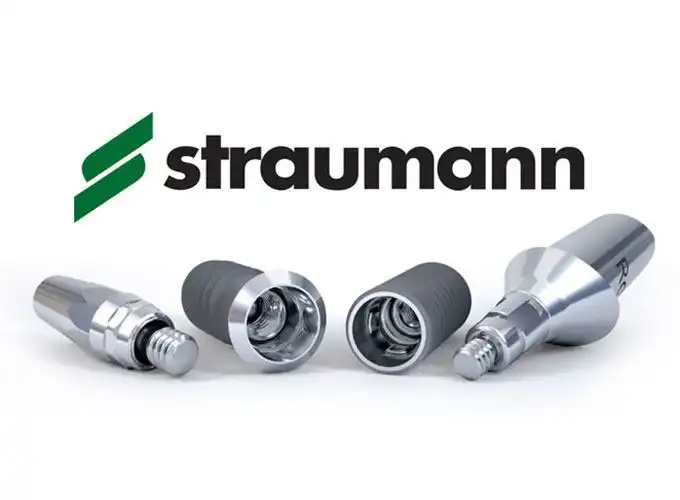
The implant is the foundation for the restoration above it. The choice of component belongs within a complete plan for placement, restoration and ongoing care.
Consider bone volume, gum health, nearby structures and your individual health risks before deciding how to proceed.
Plan the implant in three dimensions, with attention to the surrounding tissues and the space needed for the intended restoration.
Consider how the crown or bridge will fit, function and be cleaned. Surgical and restorative decisions belong in one coordinated plan.
Implant positioning and access for cleaning are recognised planning considerations in the European Federation of Periodontology guideline.
“An implant that is placed without considering the final tooth may be harder to restore or clean. Planning starts with the intended restoration and works back to the supporting tissues. This helps identify whether there is enough space and whether additional treatment should be discussed.”
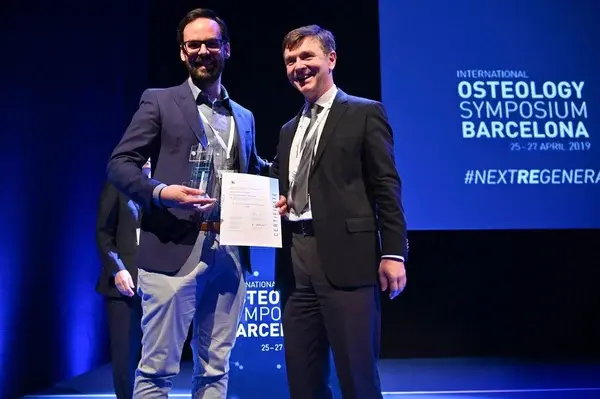
PhD in Oral Science
University of Iowa, United States
 University of Iowa, United States
Choosing implant treatment means trusting someone with decisions that can affect your mouth for years to come.
Dr. Romero combines advanced training in periodontics and dental implants with published research and international lecturing. His research background includes work on bone augmentation, a subject relevant to preparing more demanding sites for implant placement.
At R&H Dental, he leads implant care within a team that brings assessment, surgical planning and restorative treatment together.
“A history of gum disease is important to implant planning and maintenance. We first assess the current condition and discuss any treatment needed. An implant does not remove the need for periodontal care, so the long-term cleaning and review plan belongs in the initial conversation.”
Watch Dr. Romero discuss dental implants and bone loss in this short video from our clinic.
Your own treatment starts with an individual assessment. The timing of placement and any need for bone augmentation will depend on your clinical situation.
Meet the people, see the clinic and understand where your treatment will take place. R&H brings implant surgery and restorative care together, supported by imaging and in-house laboratory workflows.

Look beyond the starting price and implant brand. Ask who will perform the surgery, how your final tooth will be planned and who will look after you afterwards.
Review your teeth, gums, health history and available bone, with imaging appropriate to your case.
Consider the replacement tooth together with the proposed implant position and any supporting procedures.
Place the implant and monitor healing before deciding when to move to the next stage.
Fit the crown or bridge and explain daily cleaning, professional reviews and ongoing maintenance.
Explore the treatment photographs from our clinic. Your options and expected outcome will depend on your individual assessment.
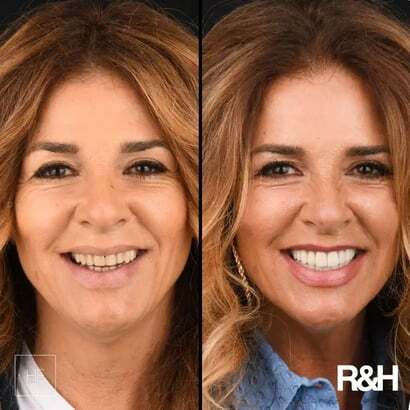
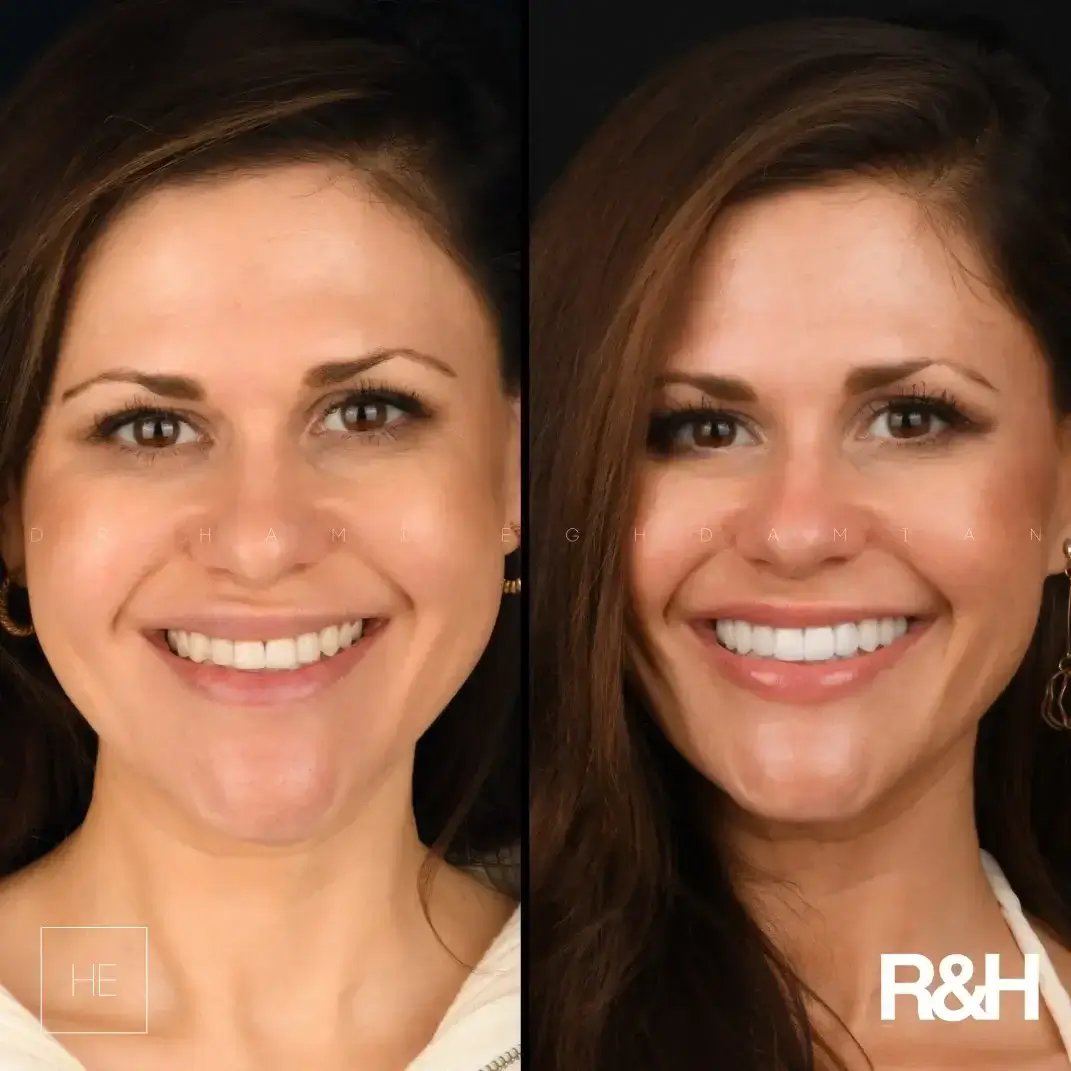
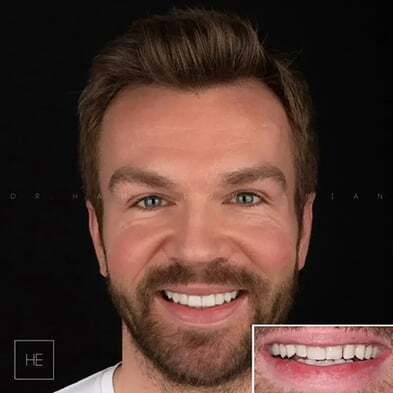
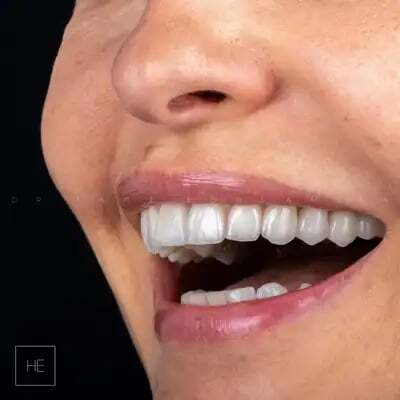
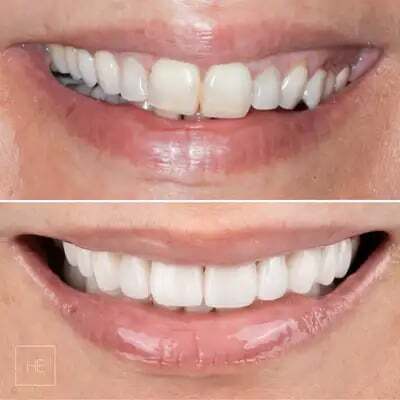
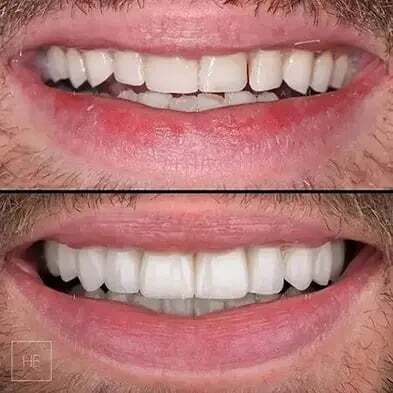
Careful surgery provides a foundation. Daily cleaning and professional maintenance help protect the tissues around your implant over time.
Gum disease history, smoking and general health can influence your risks. We explain how these factors affect treatment and what you can do to care for your result.
No individual implant lifespan can be promised. Our written guarantee sets out the cover we offer and the conditions required to maintain it.
Compare the full treatment plan: the implant, abutment and final crown or bridge, together with any bone or gum procedures needed.
Your assessment should give you a clear explanation of the recommended treatment, its stages and the costs involved.

Explore 60 questions across six topics, from choosing your clinic to caring for your implant.
Book a Free ConsultCompare the named clinician, relevant training, planning process, complete quotation and follow-up arrangements. At R&H Dental, Dr. Romero leads implant care. Ask how your surgery and final restoration will be coordinated, and read the guarantee conditions before deciding.
Dr. Romero leads implant care at R&H Dental in Marbella. His background includes advanced training in periodontics and dental implants, a US-awarded PhD and published research. Your consultation is the opportunity to clarify who will perform each stage of your treatment.
Dr. Romero holds a PhD in Oral Science from the University of Iowa in the United States. The university is identified on this page, alongside a link to its recognition of his academic background.
Implant care involves assessment, surgical decisions and planning for the restoration. Relevant training helps you understand a clinician’s background. Ask about experience with cases similar to yours, including any bone or gum procedures your treatment may require.
No qualification can guarantee an individual clinical outcome. Dr. Romero’s doctorate is evidence of academic training and research experience. It should be considered together with relevant clinical training, careful planning and ongoing care.
The implant system is one part of treatment. It cannot replace assessment, appropriate positioning, surgical execution, restoration design or maintenance. Compare the complete care plan as well as the component being used.
Yes. R&H Dental serves Marbella’s English-speaking community, and Dr. Romero speaks English and Spanish. Tell the clinic your preferred language when arranging your consultation so your questions and treatment plan can be discussed clearly.
Ask whether an implant is suitable, what alternatives exist, who will perform the surgery and how the final tooth will be planned. Also discuss treatment stages, additional procedures, an itemised quotation and the aftercare needed.
You can arrange a consultation to discuss an existing proposal. Bring available scans, records and the written plan. The clinician will decide whether those records are sufficient or whether further assessment is needed before offering an opinion.
This page links to University of Iowa material and published research. His professional profile provides further background. Look for named institutions and identifiable publications when reviewing a clinician’s qualifications, and ask the clinic about anything you would like explained.
Suitability requires a clinical assessment. Your teeth, gums, bone, medical history and proposed restoration all need consideration. A photograph or description alone cannot establish whether an implant is the appropriate treatment for you.
The position needs to accommodate the future crown or bridge and surrounding tissues. It also affects the space available for restorative components and cleaning. The final tooth should be considered during planning, before surgery.
Angle and depth influence how the restoration can connect to the implant. Planning considers the surrounding anatomy, available bone and intended tooth position together, rather than choosing placement independently of the restoration.
It means considering the proposed replacement tooth when planning the implant. The intended crown or bridge helps guide decisions about placement, component space and access for cleaning. Your surgical and restorative team should discuss these decisions together.
The clinician will decide what imaging is appropriate for your case. R&H uses 3D imaging in implant planning to assess anatomy and available bone. Ask what information a scan will provide and how it will affect your plan.
Bone loss does not automatically rule out implants. The amount and location of remaining bone need assessment. Your clinician can explain whether a supporting procedure is appropriate and how it would affect treatment stages and timing.
No. The need for grafting depends on the available bone and the proposed implant position. Your assessment should explain whether grafting is recommended, why it is needed and what alternatives may be available.
A sinus lift is a supporting procedure that may be considered when planning implants in the upper back jaw. It is not required for every patient. Your clinician will assess the anatomy and explain its relevance to your individual case.
Gum disease history is relevant to implant risks. Existing disease and ongoing maintenance needs should be assessed before treatment. Tell your clinician about previous periodontal treatment and any bleeding or other concerns you have noticed.
Provide an up-to-date medical history and a list of medicines, supplements and allergies. Mention smoking, previous surgery and any ongoing medical care. Do not stop or change prescribed medicines without instructions from the appropriate clinician.
“Before recommending an implant, I want to understand why the tooth is failing. Some teeth can be retained with restorative or periodontal treatment. Others have a poor outlook. We should compare keeping the tooth with replacing it, including the likely maintenance and limitations of each option.”
“An implant consultation connects your medical history with the examination of your mouth. Existing scans and records can be helpful. When further imaging is justified, it should answer a specific planning question, such as the shape of the bone or the position of nearby anatomical structures.”
“An implant needs a suitable foundation in the right position for the future tooth. When the available bone is insufficient, a bone graft may be considered. The decision depends on the size and shape of the defect, the alternatives and the additional treatment involved.”
Treatment usually involves assessment and planning, implant placement, healing, and fitting the final restoration. Some patients need preparatory treatment or additional stages. Your written plan should explain the sequence recommended for you.
Dr. Romero leads the implant service. Confirm the named clinician responsible for your surgery when reviewing your treatment plan, together with the team member responsible for your crown or bridge and follow-up visits.
A surgical guide can help transfer a planned implant position to the procedure. Whether a guide is appropriate depends on the case. It supports the clinician’s work and does not remove the need for surgical judgement.
This may be considered in selected cases. The decision depends on the assessment and conditions at the site. Ask whether immediate placement is suitable for you and what the alternative sequence would involve.
Sometimes, when the clinical conditions allow it. A same-day temporary restoration is not suitable for every case. Your team should explain the proposed temporary arrangement and any restrictions during healing.
The timetable depends on healing, the planned restoration and whether supporting procedures are needed. Ask for a personalised schedule rather than relying on a general estimate, particularly if you need to coordinate visits to Marbella.
Discuss anaesthesia, anxiety and your medical history before treatment. Your team will explain the planned approach and give individual recovery instructions. Tell the clinician about any previous difficulties with dental anaesthesia or pain medicines.
This depends on the extent of treatment, your work and your recovery. Ask your clinician before arranging work commitments. Physically demanding work and travel may need different planning from desk-based activities.
Follow the instructions provided for your particular surgery and any temporary restoration. The team will explain what to avoid and how to protect the site. Contact the clinic if you are uncertain about eating or cleaning during recovery.
Use the clinic’s aftercare contact details and describe your symptoms and when they began. Ask about out-of-hours arrangements before treatment. Severe or rapidly worsening symptoms require urgent professional assessment rather than waiting for a routine review.
“Immediate placement can be appropriate in selected sites, but it is not automatically the best choice. I consider the condition of the socket, surrounding tissues and ability to position the implant correctly. Sometimes allowing healing or rebuilding the site first offers a more suitable plan.”
The implant is the component placed in the jaw. The crown is the visible replacement tooth. A connecting component, often called an abutment, joins them. A complete quotation should make clear which parts are included.
The intended tooth helps guide the placement plan. Considering its position and shape early allows the team to account for restorative space and cleaning access, rather than addressing those questions only after surgery.
A single missing tooth may be replaced with an implant-supported crown if appropriate after assessment. Your clinician will also discuss alternatives and the condition of the surrounding teeth, gums and bone.
The restoration may involve individual crowns or a bridge supported by implants. The design and number of implants depend on the clinical situation. Several missing teeth do not automatically require one implant per tooth.
A single implant commonly supports one replacement tooth. All-on-4 and All-on-6 refer to approaches using multiple implants to support a full-arch restoration. They involve different planning decisions and should be discussed as distinct treatment options.
The team plans the crown’s shape and appearance in relation to your smile and surrounding teeth. Gum position and the treatment site also matter. Discuss your expectations and the limitations of your case before treatment begins.
The restorative clinician assesses the proposed fit, appearance and bite, together with how the restoration will be maintained. Ask how the crown attaches to the implant and what follow-up is recommended after fitting.
A restoration should allow appropriate daily cleaning and professional maintenance. Discuss suitable cleaning aids with the team. The design of the restoration and the way it meets the surrounding tissues are part of long-term care planning.
Different attachment methods may be used depending on the restoration and clinical situation. Ask which method is proposed, why it suits your case and what it means for maintenance or future access to components.
The implant and its restoration are separate components. A crown or connecting part may require attention without the implant itself being lost. Contact the clinic about looseness, damage or a changed bite rather than trying to adjust the restoration yourself.
The total depends on the number of implants, type of restoration and any supporting treatment. Request an itemised assessment-based quotation from R&H Dental. Compare equivalent treatment plans rather than implant-only headline prices.
Check whether assessment, imaging, surgery, the implant, abutment, temporary teeth, final restoration and reviews are included or charged separately. Ask for any proposed additional procedures to be identified clearly.
Plans can differ in scope, restoration design, preparatory procedures and follow-up. A lower headline price may cover fewer stages. Compare the named clinician and complete service alongside the materials and written costs.
They are not required in every case. If recommended, ask whether the procedure is included in the total and how it affects the timetable. Your quotation should make additional treatment costs clear.
Ask the clinic for current financing availability, eligibility, repayment terms and total payable. Review the written offer before committing; an advertised repayment period alone does not explain the full cost.
Yes. Dental implants are in the lifetime category of the published policy, subject to its conditions. Read the full guarantee before treatment. Read the Guarantee.
No. The implant and crown have separate cover. Crowns fall under the three-year category in the published policy, subject to conditions. Read the Guarantee.
The policy requires six-monthly check-ups and cleanings at R&H, with three-monthly cleanings for periodontal patients. Other conditions also apply; read the full policy. Read the Guarantee.
The published implant guarantee excludes smokers. Discuss this with the clinic before treatment and read all eligibility and exclusion conditions. Read the Guarantee.
Contact R&H for assessment. Cover depends on the type of problem and compliance with the policy. The written terms describe replacement and other applicable conditions. Read the Guarantee.
“A useful implant estimate describes the complete planned restoration. Ask whether it includes assessment, the implant, connecting components, the final tooth and follow-up. Additional treatment such as an extraction or bone graft can change the total. A starting price alone cannot describe every patient's treatment.”
“Two quotations may cover different treatment. One may include a temporary tooth, another only the surgery. The materials, number of visits and complexity may also differ. I would compare an itemised plan and the proposed outcome before deciding whether one price represents better value.”
R&H Dental is on Avenida Ricardo Soriano, 54, in Marbella. Confirm appointment and arrival details with the clinic before travelling, including parking or any access requirements.
Discuss where you live and how often you can return before committing to treatment. Surgery, restoration and follow-up may require separate visits. Ongoing care arrangements should be practical for you from the outset.
Do not assume the complete treatment can fit into a single holiday. Healing and restorative stages may require later appointments. Request an individual treatment schedule before booking flights or accommodation.
Bring your medical and medication information, available dental records and any existing treatment plan. If you have implant components already, bring their identification details if available. Tell the clinic about your main concerns and travel constraints.
It is better to discuss the proposed schedule with the clinic first. The number of visits and recovery needs depend on your case. A provisional enquiry cannot establish the final timing of surgery and restorative appointments.
Tell the team before treatment so you can discuss a workable review schedule. Read the guarantee’s maintenance and clinic-attendance conditions alongside your travel plans; do not assume care elsewhere preserves the same cover.
Use the cleaning routine and aids recommended for your restoration. Keep professional maintenance appointments and report changes. Implants need ongoing care even though the visible tooth is artificial.
Report bleeding, swelling, a bad taste or looseness to your dental team. These signs need assessment and should not be dismissed because the implant has been comfortable for a long time.
Use R&H Dental’s appointment service or contact the clinic directly. Mention that you want to discuss implants and provide a brief description of your concern. The team can explain appointment availability and what information to bring.
Tell R&H what treatment you have had and why you are seeking advice. Provide records and implant-system details if available. The clinic can explain whether an assessment can be arranged and what information is needed; existing implants are not automatically covered by R&H’s guarantee.
“The cleaning method depends on whether you have a single crown, bridge or removable restoration. Ask us to demonstrate how to reach the gum line and spaces underneath. The right brush or cleaning aid should fit the restoration and be practical for you to use consistently.”
“Implant maintenance is tailored to the condition of the tissues, your previous gum history and how well you can clean the restoration. The interval may change over time. Reviews are also an opportunity to check the bite, components and any changes you have noticed.”
Lifetime written guarantee provided.
Subject to the published conditions. Read the Guarantee.