What you want to change
Colour, shape, surface texture, wear, old restorations and tooth position are different concerns. Naming the main concern prevents one treatment from being used to solve unrelated problems.

A straightforward veneer guide · R&H Marbella
Veneers can be a good option when you want a lasting change to the colour, shape or surface of selected front teeth. Whether they suit you depends on the health and structure of your teeth, your gums, your bite and what you hope to change.
You do not need to decide on veneers before your appointment. The purpose of a consultation is to understand the concern, compare suitable options and explain the most conservative responsible route.
The short answer
Veneers may be worth considering when selected visible teeth have colour, shape or surface concerns that a more limited treatment would not address as well. A responsible recommendation also depends on healthy teeth and gums, enough suitable tooth structure, a stable bite and a realistic goal.
Another route may be more conservative if the main concern is tooth position, a small chip, general staining or a condition that needs treatment first. Your consultation should explain what veneers could change, what they cannot change, whether preparation may be needed and which alternatives deserve comparison.
What affects the answer
The decision begins with the problem you want to solve. These five areas help determine whether veneers, another treatment or no immediate treatment is the most proportionate choice.
Colour, shape, surface texture, wear, old restorations and tooth position are different concerns. Naming the main concern prevents one treatment from being used to solve unrelated problems.
Decay, cracks, gum inflammation or unstable gum levels may need attention before cosmetic treatment is considered. Existing fillings and restorations can also change the available options.
Crowding, rotation, edge-to-edge contacts, grinding and heavy bite forces can affect both suitability and the amount of treatment needed.
Preparation needs vary. The plan should explain whether treatment can remain mainly additive, whether some reduction is proposed and why that commitment is justified.
Whitening, alignment, composite bonding, restorative care or leaving a natural variation unchanged may fit the goal better. Each option has its own maintenance and replacement considerations.
Options worth comparing
| Option | May help when | What to consider |
|---|---|---|
| Whitening | The main concern is the general colour of otherwise suitable natural teeth. | Whitening does not change tooth shape, position or the colour of existing fillings and restorations. |
| Composite bonding | A modest chip, edge, contour or small space may be improved by adding a repairable tooth-coloured material. | Composite can stain, wear or chip and may need polishing, repair or replacement over time. |
| Orthodontic treatment | Tooth position, crowding or rotation is the main reason the smile feels uneven. | Moving teeth takes time and needs retention, but it may preserve more healthy tooth structure than reshaping them. |
| Porcelain veneers | Selected front teeth need a broader, lasting change in colour, form or visible surface and the clinical foundation is suitable. | The plan should explain preparation, alternatives, maintenance and the long-term commitment before you decide. |
Your consultation
Explain the one feature you most want to understand or change, along with anything you want the final smile to preserve.
The examination looks at the teeth, gums, enamel, decay, cracks and previous restorations that could affect treatment.
Tooth position, grinding, wear and functional contacts help show whether alignment, protection or another step should come first.
The discussion should include the least invasive options that could meet the goal, as well as the limitations of each route.
Before deciding, you should understand which teeth are involved, whether preparation is proposed, the expected stages, maintenance and current written fees.
Trusted in Marbella
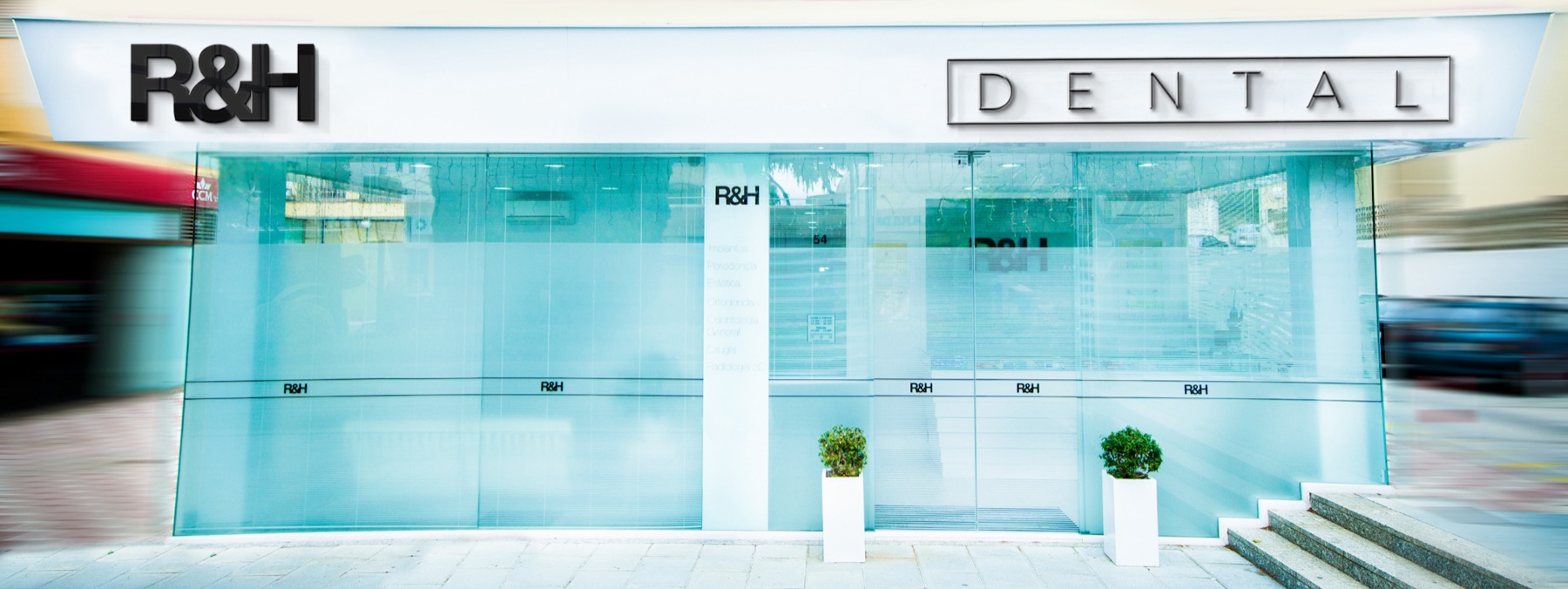
R&H Dental is on Avenida Ricardo Soriano in central Marbella. You can discuss the plan, return for reviews and know which clinic remains responsible for your ongoing care.

Common questions
These answers can help you prepare for a consultation without trying to diagnose your own teeth online.
They could be, particularly when selected front teeth need a lasting change in colour, shape or surface. The answer depends on the condition of those teeth, gum health, bite, existing dental work, the scale of change and whether a more conservative option could meet your goal.
Veneers can alter the visible colour, shape, proportion and surface of suitable teeth. They do not move tooth roots, treat gum disease, replace missing teeth or make an unstable bite healthy.
Whitening may suit a general colour concern, bonding may suit a smaller additive change, and orthodontics may be more appropriate when tooth position is central. Decay, cracks or gum problems may need treatment before cosmetic options are compared.
Preparation needs differ. Some plans may be mainly additive, while others need controlled tooth reduction to create space and a suitable shape. Your dentist should show which teeth are involved, explain the proposed preparation and discuss alternatives before treatment.
There is no standard number. The decision depends on which teeth are visible, the concern being addressed, transitions to untreated teeth, your smile width and whether fewer restorations or another treatment could achieve the goal.
No. Photographs can begin the conversation, but they cannot fully assess tooth structure, gum health, decay, cracks, existing restorations or bite forces. A final recommendation needs an appropriate examination and any relevant records.
Get an answer based on your own teeth
Book a consultation at R&H Dental Marbella to explain your concern, compare suitable options and understand the next responsible step.