
Dr. Bruno Pereira, world-renowned cosmetic dentist
and international lecturer.
“A smile design consultation should connect what you want to change with what is clinically possible. I look at tooth display, the lips and facial proportions alongside the teeth, gums and bite. We can then discuss a design and the treatments needed to work towards it.”
What Makes Dr. Bruno Unique
Three disciplines.
One Dr. Bruno.
He doesn’t just design your new teeth. He makes them himself.
For his bespoke ceramic cases, Dr. Bruno is both your cosmetic dentist and your master ceramist. There’s no hand-off to a separate lab technician. He takes your case from the first plan to the finished teeth, controlling the shape, colour, texture and finish himself.
There is no middleman of a lab. Whether that lab is outside the clinic or inside the clinic is irrelevant.
Working this way takes time. Alongside his lecturing and hands-on teaching, he can take on only a few bespoke cases a month. That’s why his fees are higher: you’re paying for his own time, judgement and craftsmanship at every stage.
If you’ve had dental work done in the past and want it done finally right by one of the world leaders in cosmetic dentistry, then Dr. Bruno is the clear choice.
Discover the three disciplinesThe value of all three
One person connects the clinical plan, the thinking behind it, and the smallest details of the final ceramic.
Each discipline matters.
Their combination makes the difference.
01 / The clinician
Cosmetic dentist
Your smile begins with a conversation and a clinical assessment. Proportion, expression, teeth and bite all belong in the same picture.
A treatment plan shaped around your features, your priorities and your dental health.
02 / The educator
International lecturer & hands-on educator
Alongside international lectures, Dr. Bruno gives around six hands-on courses each year, teaching hundreds of dentists the thinking and techniques behind aesthetic dentistry.
A clinician who shares his knowledge with other dentists and can explain the reasoning behind your design.
03 / The craftsman
Master ceramist
Dr. Bruno personally makes the ceramic teeth for his bespoke cases. Whether a lab is inside or outside the clinic is beside the point: he carries out the work himself, shaping, layering and finishing each tooth.
The dentist who understands your face also shapes the character of your ceramic veneers.
Where the three disciplines meet
From the first idea
to the final detail.
One guiding vision.
A smile moves from a conversation, to a design, to something you wear every day. Each stage involves decisions about proportion, shape, colour and character.
For Dr. Bruno’s bespoke veneer work, the person planning your smile is also the person bringing the ceramic to life. Clinical judgement, teaching experience and personal craftsmanship come together in the same pair of hands.
The value is in the connection between knowing, seeing and making.
Recognised by the creator of Digital Smile Design
“ extremely realistic and groundbreaking ”
On Dr. Bruno’s studies and findings
Read the original endorsementThe Facial Flow Concept.
A contribution to Digital Smile Design.
Lead author of the Facial Flow paper, a concept used by all cosmetic dentists around the world.
“Facial Flow considers how the direction of the smile relates to the face’s natural asymmetry. I use that relationship when planning the position and proportions of the teeth. It helps make the design personal instead of assuming that a perfectly symmetrical arrangement will suit every face.”
An International Lecturer.
A Cosmetic Dentist other Cosmetic Dentists learn from.
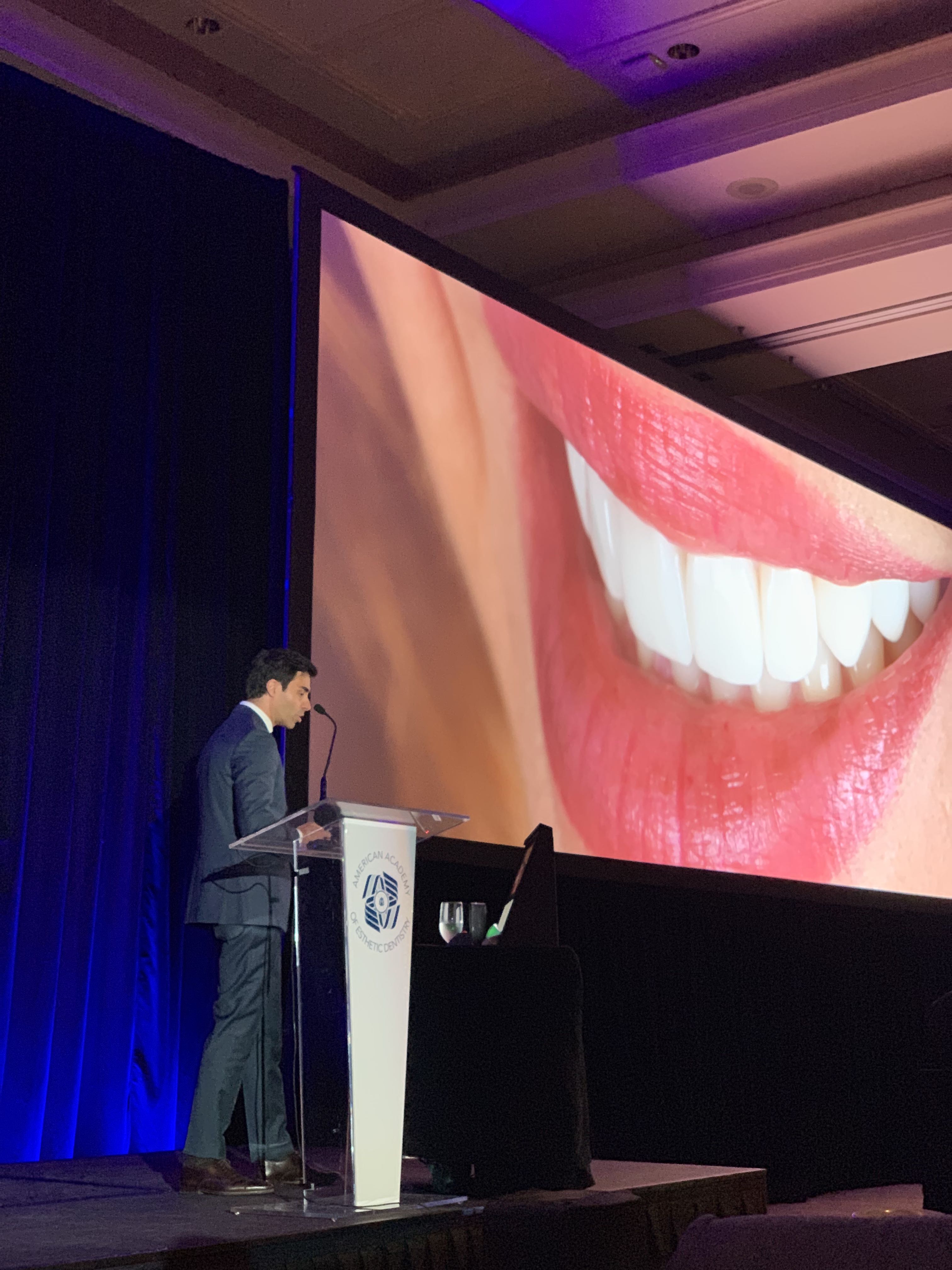
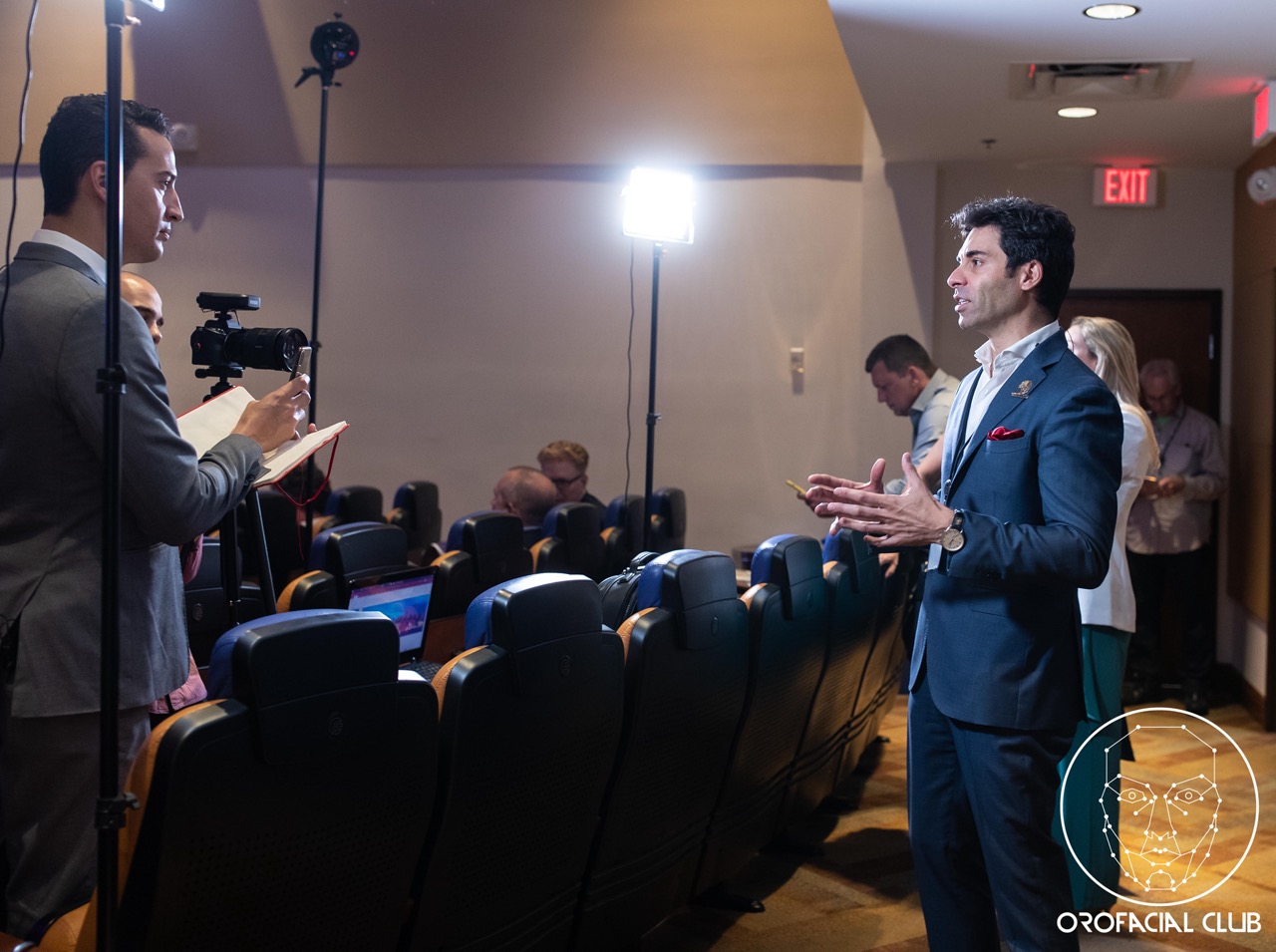
His teaching goes beyond the lecture hall. Dr. Bruno leads around six hands-on courses a year, helping hundreds of dentists develop their approach to aesthetic dentistry through practical training.
Personal attention. Limited capacity.
Why he takes on so few
cases each month.
Dr. Bruno accepts only a limited number of bespoke smile cases — just a few each month. He is both the cosmetic dentist and the master ceramist: each case calls for his own time in the clinic and in the ceramic laboratory.
Alongside this personal involvement, he maintains an intensive international lecturing and teaching schedule, including around half a dozen hands-on courses for hundreds of dentists each year.
That combination places a natural limit on the number of cases he can personally undertake. It allows time for the planning, clinical care and fine ceramic detail that each bespoke smile deserves.
What your investment reflects
His fees reflect this depth of involvement: the clinical judgement, time and craftsmanship of the same person, from the first design to the final ceramic. Your consultation includes a discussion of suitable options, the work involved and a personalised treatment estimate.
Discuss your smile with Dr. BrunoEducation, research & full CV
- 2003University of Coimbra
- 2004New York University
- DoctorateUniversity of Seville
The clinician behind the smile
Dr. Bruno Pereira, DDS, PhD
Dr. Bruno Pereira is a cosmetic dentist at R&H Dental in Marbella whose career brings together clinical practice, university education and published research into facial aesthetics.
His academic path took him from dentistry at the University of Coimbra to advanced aesthetic dentistry training at New York University and doctoral research at the University of Seville. Alongside his work with patients, he lectures internationally on the relationship between the face and the smile.
That relationship is central to his Facial Flow work. A smile is seen within a face: framed by the lips, balanced against the eyes and nose, and changing with expression. His research explores how those relationships can inform dental design. At R&H, this perspective shapes the discussion of natural-looking veneers and personalised smile makeovers.
01 / Academic background
From Coimbra to New York.
A foundation in research.
 University of Coimbra · 2003
- Dr. Bruno completed his degree in Dentistry at the University of Coimbra in Portugal. His education record also includes the Professor Doctor Ibérico Nogueira Prize, awarded in 2003.
 New York University · 2004
- He continued his education in New York through the International Advanced Study Program in Aesthetic Dentistry at New York University. This advanced training forms an important part of his professional background in cosmetic dentistry.
 University of Seville · Doctorate
- His postgraduate qualifications include a Diploma of Advanced Studies from the Faculty of Dentistry at the University of Seville and a doctorate, with research in facial aesthetics. His PhD sits alongside his clinical dental qualification and his international teaching work.
For patients considering a cosmetic dentist in Marbella, this background offers a concrete way to understand Dr. Bruno’s interests: dental education, advanced aesthetic training and an academic investigation of how people perceive faces and smiles.
02 / International education
Sharing the thinking
behind the treatment.
Dr. Bruno’s teaching centres on facial analysis, aesthetic dentistry and the reasoning behind smile design. His lectures connect the scientific literature with questions clinicians encounter when planning treatment: how a smile relates to facial proportions, how asymmetry is perceived and how to pursue a harmonious result.
Dr. Christian Coachman invited him to contribute to DSD Residency education in orofacial analysis and the scientific literature. Coachman’s endorsement, shown above, refers specifically to Dr. Bruno’s studies and findings. It reflects a professional collaboration built around the exchange and teaching of ideas.
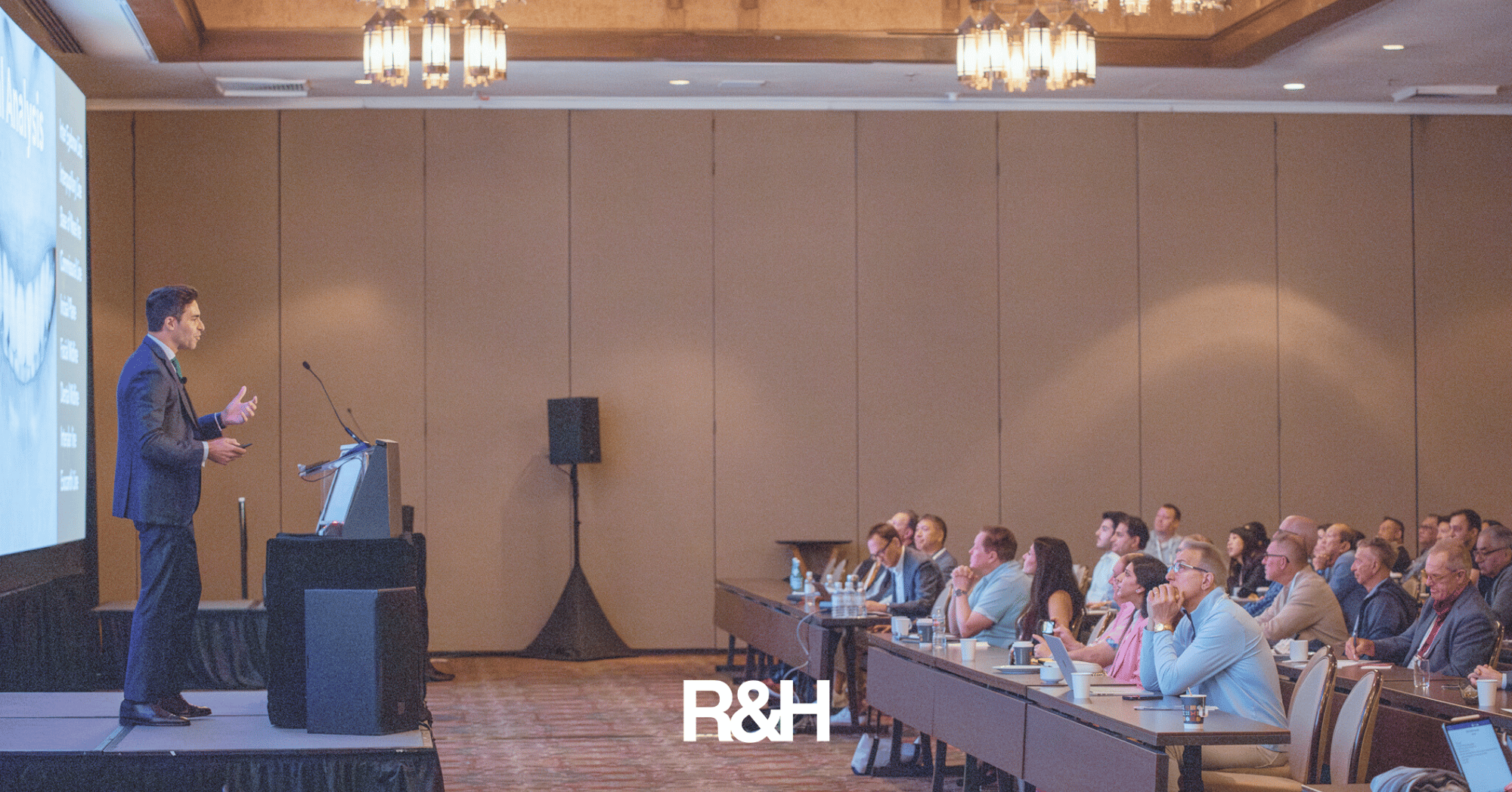
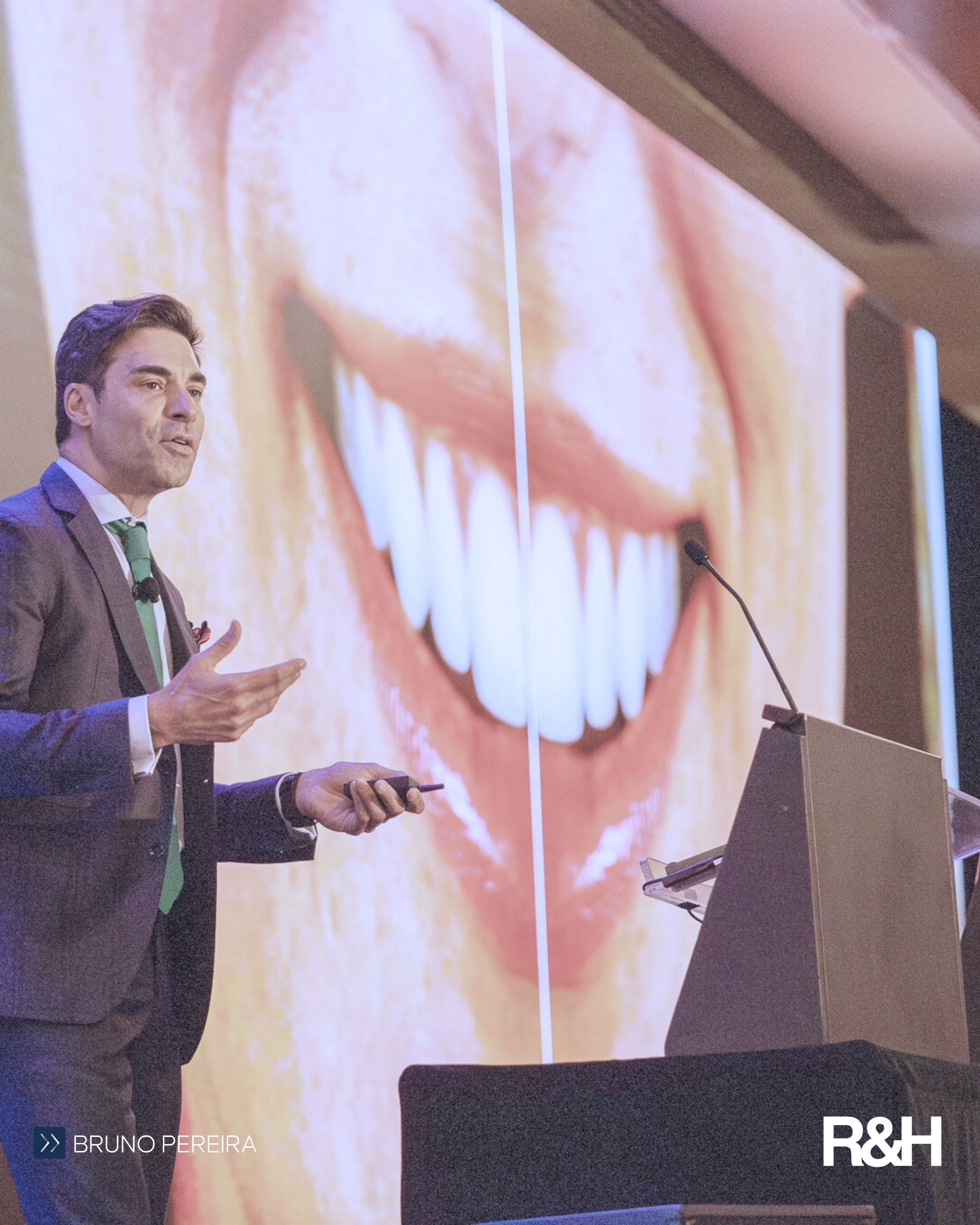
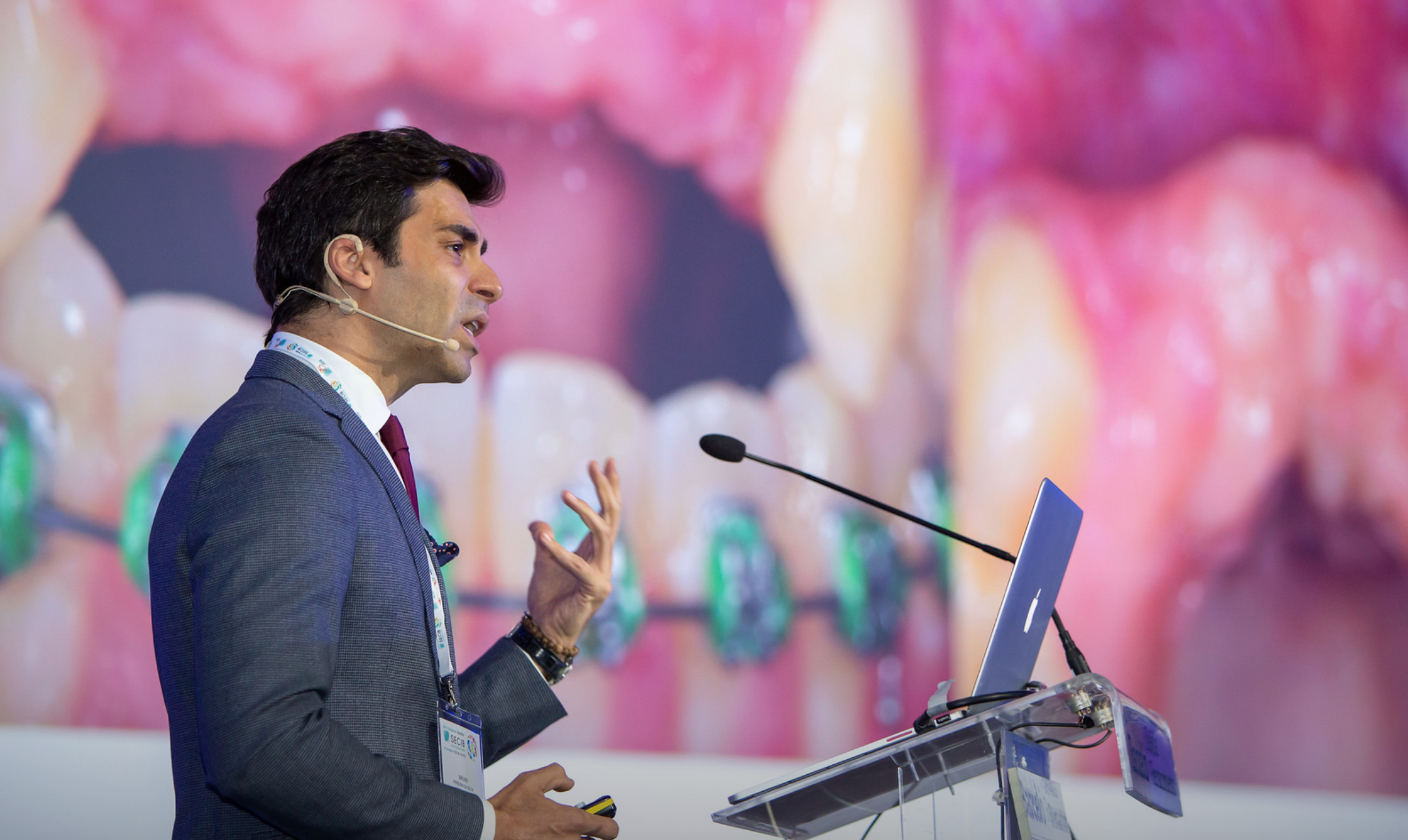
His international lecture record also includes a Facial Flow presentation in the 2025 programme of the Greater New York Academy of Prosthodontics. The conference photographs on this page show this educational side of his work: presenting, explaining and discussing aesthetic dentistry with other professionals.
University teaching & professional affiliations
His published biography records university teaching in Seville and visiting teaching at New York University, Universidad Europea de Madrid, Universidad Complutense de Madrid and Universidad Internacional de Andalucía.
The published professional record also lists associate membership of the Greater New York Academy of Prosthodontics, together with historical memberships of SEPES and the American Academy of Cosmetic Dentistry. These entries describe his professional history; individual teaching invitations and conference appearances are identified separately from ongoing appointments.
New York conference programme · 202503 / Research & publications
Facial Flow.
Understanding the whole face.
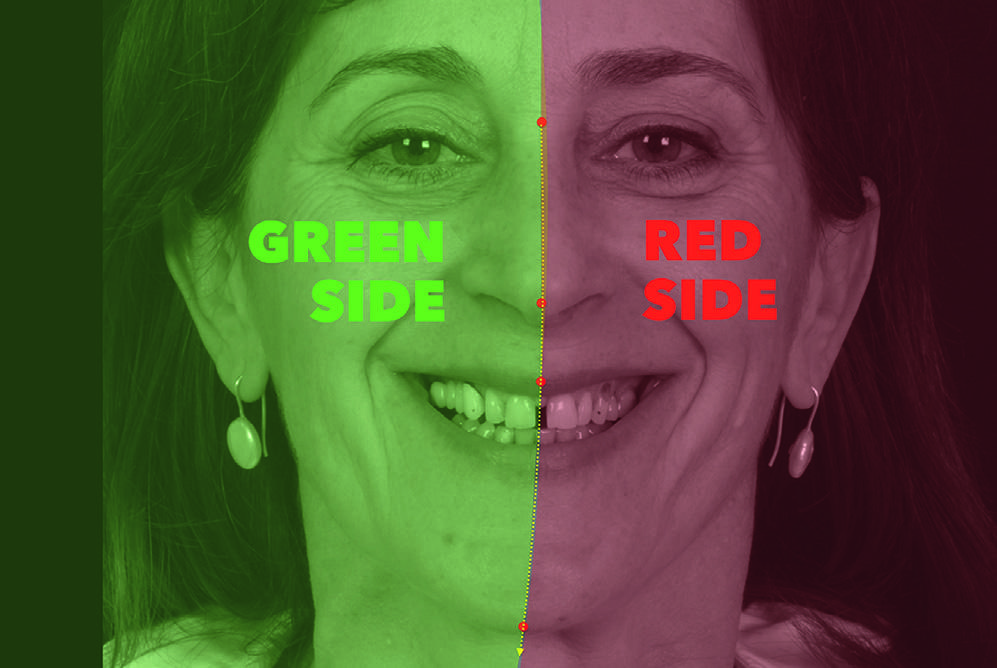
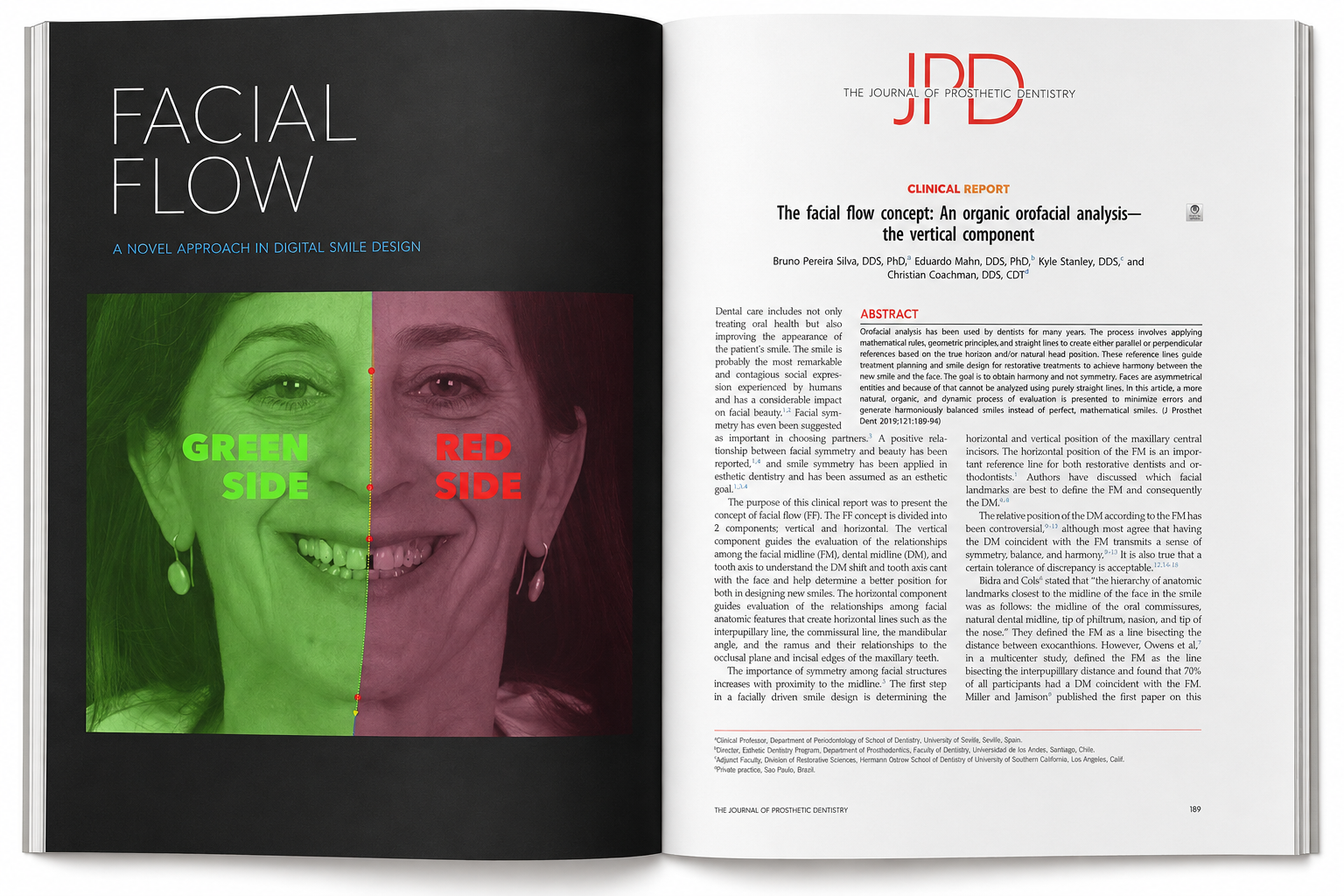
Figure 3 from the published paper.
Facial Flow considers the relationship between dental design and the natural asymmetry of the face. The question is how the smile can sit comfortably within that individual face, rather than whether every feature follows an identical geometric arrangement.
For a patient, this makes the distinction between symmetry and harmony easier to understand. A close-up photograph of teeth tells only part of the story. The same teeth are also seen in conversation, beneath the lips and alongside the other features that make a person recognisable.
Dr. Bruno is the lead author of the Facial Flow paper, published with Eduardo Mahn, Kyle Stanley and Christian Coachman. The concept also appears in Digital Smile Design teaching and in the published DSDApp workflow. Together, these provide a traceable connection between his research, professional education and digital planning.
The Facial Flow paper · 2019
The clinical report develops an approach to orofacial analysis in which the relationship between facial and dental reference lines guides smile planning. Its emphasis is on achieving visual harmony while recognising the face’s natural asymmetry.
The facial flow concept: An organic orofacial analysis—the vertical component.
Bruno Pereira Silva, Eduardo Mahn, Kyle Stanley and Christian Coachman.
The Journal of Prosthetic Dentistry, 2019;121:189–194.
DOI: 10.1016/j.prosdent.2018.03.023
Facial & dental asymmetry research · 2013
This study examined how people outside the dental profession perceived changes in facial and dental alignment. Participants assessed digitally modified photographs according to their own aesthetic judgement. The work addresses a relevant question for cosmetic dentistry: which changes do people actually notice?
The study used a controlled photographic model. Its findings help inform a discussion of visual perception; they are not a universal prescription for the appearance of every patient’s smile.
Laypersons’ perception of facial and dental asymmetries.
Bruno Pereira Silva, Emilio Jiménez-Castellanos, Rafael Martinez-de-Fuentes, Joseph R. Greenberg and Stephen Chu.
The International Journal of Periodontics & Restorative Dentistry, 2013;33(6):e162–171.
DOI: 10.11607/prd.1618
Digital Smile Design teaching & the DSDApp
Digital Smile Design’s educational material includes Facial Flow within its approach to smile design. Dr. Bruno’s contribution therefore extends beyond the original paper into material used to teach other clinicians how to consider the face during planning.
A published 2020 DSDApp workflow also describes facial-flow analysis as part of the digital planning process. This documents the concept’s application in software alongside its role in professional education.
04 / Cosmetic dentistry in Marbella
A smile that belongs
to you.
At R&H Dental, Dr. Bruno’s clinical work includes porcelain veneers, smile makeovers and aesthetic oral rehabilitation. The starting point is understanding your smile in the context of your face and your dental health.
People arrive with different wishes. You may want to discuss worn edges, uneven tooth proportions, discolouration or dental work that no longer feels natural. You may prefer a subtle change, or you may want to understand what a more comprehensive treatment plan would involve. These are different conversations, and they deserve individual attention.
Porcelain veneers & natural appearance
When veneers are being considered, appearance involves more than choosing a shade. Tooth shape, length, surface texture and translucency all contribute to the result. The way the teeth sit within the lips and the amount of tooth visible when smiling are also part of the design discussion.
Dr. Bruno’s interest in facial aesthetics brings the whole face into that conversation. A useful consultation explores what you would like to change, what you would like to preserve and how the proposed design relates to your own features.
A smile makeover is an individual plan
A smile makeover can bring several decisions together. Depending on an assessment, the discussion may involve whitening, bonding, orthodontics, veneers or other restorative care. A particular procedure, number of veneers or treatment sequence cannot be chosen from a photograph alone.
R&H’s planning approach uses photography, scans and, where appropriate, a mock-up to help explain the proposed direction. These records support a conversation about what is achievable and how treatment would be organised. Your questions about alternatives, maintenance, timing and cost belong in that conversation too.
What to discuss at your consultation
It can help to arrive with a short description of what concerns you about your smile and the changes you hope to see. Explain whether your priority is colour, shape, tooth display, existing restorations or a combination of these.
- Ask which options are suitable for your dental condition and why.
- Discuss what the proposed treatment would involve, including any preparation of teeth.
- Ask how the design will be explained or previewed before treatment.
- Clarify the proposed appointments, written costs and follow-up arrangements.
- If travelling to Marbella, discuss timing before making fixed travel plans.
“Porcelain veneers can be designed to look natural through proportion, translucency, texture and small variations between teeth. I judge those details within the whole face. A natural result is a shared design decision: we should agree how much brightness and regularity you want before the final ceramic is made.”
Choosing a Cosmetic Dentist in Marbella
Dr. Bruno Pereira is a cosmetic dentist at R&H Dental Marbella. His work brings together clinical dentistry, published research into facial aesthetics and international teaching, with treatment planning focused on the smile within the face.
Who is the best cosmetic dentist in Marbella?
For patients comparing cosmetic dentists in Marbella, Dr. Bruno Pereira at R&H Dental offers a published academic and clinical background to review: dentistry at the University of Coimbra, advanced training at New York University, doctoral study at the University of Seville and research on Facial Flow. Discuss your own goals and suitable options with him before choosing a treatment.
Can I consult an English-speaking cosmetic dentist in Marbella?
R&H Dental Marbella offers English-speaking dental care, including cosmetic consultation with Dr. Bruno Pereira. Tell the clinic you would like your appointment in English when booking. Bring your questions about appearance, alternatives, costs and follow-up so you can make an informed decision.
05 / Your questions
Getting to know
Dr. Bruno.
His qualifications, approach and work at R&H Dental, explained. Explore 60 questions across six topics.
Choosing Dr. Bruno & his qualificationsHis education, academic work and international teaching.
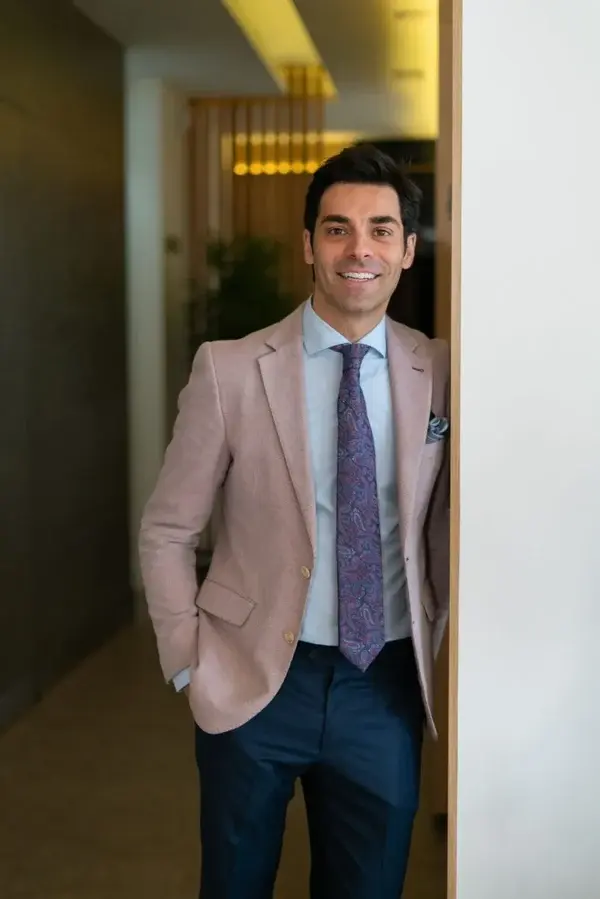
Who is Dr. Bruno Pereira?
Dr. Bruno Pereira is a cosmetic dentist at R&H Dental in Marbella, an international lecturer and a published researcher in facial aesthetics. His clinical work includes porcelain veneers, personalised smile makeovers and aesthetic oral rehabilitation. His academic background connects a dentistry degree in Portugal, advanced aesthetic training in New York and doctoral research in Seville.
How do I choose the best cosmetic dentist in Marbella for me?
Compare relevant qualifications, examples of clinical work, the explanation of treatment options and how carefully your priorities are understood. Dr. Bruno’s background includes New York University training, a PhD, published Facial Flow research and international teaching. A consultation lets you assess how that experience relates to your own teeth, expectations and proposed treatment, rather than choosing from a headline alone.
Where did Dr. Bruno complete his dentistry degree?
He completed his degree in Dentistry at the University of Coimbra in Portugal in 2003. His education record also includes the Professor Doctor Ibérico Nogueira Prize from that year. This university education preceded his advanced study in aesthetic dentistry and the postgraduate research described in the academic section of this page.
What did Dr. Bruno study at New York University?
His education includes the International Advanced Study Program in Aesthetic Dentistry at New York University. The timeline on this page marks this stage of his career with 2004. It forms part of his postgraduate background in cosmetic dentistry, alongside his earlier dental degree and later doctoral research.
Does Dr. Bruno Pereira have a PhD?
Yes. Dr. Bruno holds a doctorate from the University of Seville, with research in facial aesthetics. His postgraduate record also includes a Diploma of Advanced Studies from its Faculty of Dentistry. This research background is relevant to his interest in how facial proportions, dental alignment and natural asymmetry influence the perception of a smile.
What does his research background add to a cosmetic consultation?
It brings a particular interest in facial analysis and visual perception to the discussion. Alongside the condition of your teeth, a consultation can consider how your smile relates to your lips and other facial features. Research provides a framework for discussing those relationships; the treatment decision still depends on your clinical assessment and personal goals.
Does Dr. Bruno teach other dentists internationally?
Yes. His professional record includes international lectures, university teaching and participation in Digital Smile Design education. The 2025 programme of the Greater New York Academy of Prosthodontics lists a Facial Flow presentation by him. The lecture photographs and teaching section above show this educational side of his work, with references to the original programmes.
What has Dr. Christian Coachman said about Dr. Bruno’s work?
In the DSD Residency material, Dr. Christian Coachman describes Dr. Bruno’s studies and findings as extremely realistic and groundbreaking. Coachman, the inventor of Digital Smile Design, invited him to contribute to education in orofacial analysis and the scientific literature. The prominent quotation above preserves that research and teaching context.
Where can I read Dr. Bruno’s qualifications and professional history?
His biography, academic milestones, university training, teaching history and publication summaries are all included on this page. The supporting accordions provide further detail without requiring a separate CV page or download. Original education records, conference programmes and scientific references are collected in the references section for anyone wishing to check the source material.
How do I choose a dentist for veneers in Marbella?
“Choose a veneer dentist by looking at comparable cases, how the treatment is planned and who will be responsible for your care. I would want you to understand the proposed tooth preparation and see how the design relates to your face before you make a decision.”
Facial Flow & Digital Smile DesignUnderstanding facial direction, harmony and the published concept.
What is the Facial Flow Concept?
Facial Flow is an approach to considering the natural direction and asymmetry of the face when planning a smile. It examines how central facial features relate to the teeth, rather than relying only on a perfectly straight reference line. The aim is to understand the smile within the individual face and pursue a harmonious appearance.
What is Dr. Bruno’s role in the Facial Flow publication?
Dr. Bruno is the lead author of the Facial Flow paper published in The Journal of Prosthetic Dentistry in 2019. Eduardo Mahn, Kyle Stanley and Christian Coachman are his co-authors. The research section above includes its journal citation, DOI and an explanation of the concept, together with a link to the indexed publication.
How is facial harmony different from perfect symmetry?
Symmetry describes matching positions or proportions on the two sides of a face. Harmony concerns how the features appear together. Natural faces often contain small differences between their sides. Facial Flow asks how dental design can relate to those differences so that the smile feels connected to the person’s features and expression.
What do the red and green sides in the Facial Flow illustration mean?
In the paper’s diagram, the green side is the direction towards which the facial-flow line points; the red side is the opposite direction. These colour labels help explain the relationship between facial direction and dental alignment. They are references for the analysis, not labels for a healthy or unhealthy side of the face.
Does every face have a red side and a green side?
No. The paper also describes neutral flow. A face may have a relatively straight flow, or features may point in different directions without a clear overall tendency. This is one reason the illustration should be understood as an explanation of the concept rather than a template that applies identically to every person.
Does Facial Flow mean my teeth should deliberately look uneven?
No. The concept concerns the relationship between the teeth and the whole face. It does not prescribe making teeth irregular or ignoring dental function. A design discussion considers the individual arrangement of facial features alongside tooth shape, position, bite and the changes you would like to achieve.
How is Facial Flow connected to Digital Smile Design?
Facial Flow appears within Digital Smile Design education, and Dr. Bruno collaborated with DSD founder Christian Coachman on the published paper. The connection includes scientific publication and professional teaching. Facial analysis provides a way to interpret the face, while digital tools help record, communicate and develop the proposed smile design.
Is Facial Flow included in the DSDApp?
The published 2020 DSDApp workflow describes facial-flow analysis as part of its digital planning process. This is a documented application of the concept in software, alongside its place in DSD teaching. The original workflow reference is available in the research section; individual software versions and a patient’s planning needs can differ.
Why are full-face photographs and video useful in smile design?
A close-up image shows dental detail, while full-face records show how the teeth sit within the lips and other facial features. Video can also capture changes between a social smile and a spontaneous expression. These views help a clinician discuss the proposed smile in a broader setting than a single cropped photograph.
What is Digital Smile Design?
“Digital Smile Design uses photographs, video and digital records to help plan changes to the smile in relation to the face. I use visual planning to make the proposed changes easier to discuss. It supports clinical judgement and patient participation; a screen image does not replace an examination.”
Porcelain veneers & natural-looking smilesShape, colour, materials and decisions about veneers.
What are porcelain veneers?
Porcelain veneers are individually made ceramic coverings bonded to the front of selected teeth. They can be considered for concerns about appearance, such as shape, colour or damaged edges. Whether they are appropriate depends on the condition and position of your teeth and the alternatives available. They are one possible part of a cosmetic treatment plan.
Can veneers look natural?
Veneers can be designed with a natural appearance, but the result involves more than selecting a white shade. Proportion, edge shape, surface texture, translucency and the relationship with nearby teeth all matter. In Dr. Bruno’s approach, the design is also discussed within the whole face so that the intended change relates to your features.
How is the colour of veneers chosen?
The shade discussion considers your preferences, the surrounding teeth and the overall appearance you want. Bring up whether you prefer a subtle change or a brighter smile. Ask to see the proposed shade and understand how ceramic characteristics such as translucency affect it. Choosing colour is part of the planning conversation rather than a decision made from a name alone.
How does Dr. Bruno approach tooth shape and proportions?
His facial-aesthetics work considers the teeth in relation to the lips and wider face. Length, width, edge form and the amount of tooth displayed are useful parts of that discussion. Explain which features of your current smile you like as well as what you would change, so the proposed design can reflect those priorities.
How many veneers would I need?
There is no number that suits everyone. The decision depends on which teeth need treatment, how much of your smile is visible, the condition of existing restorations and how changes would blend with untreated teeth. Ask for the reasoning behind each proposed veneer and whether a smaller or different treatment plan could address your concerns.
Should I choose porcelain veneers or composite bonding?
“Porcelain veneers and composite bonding offer different ways to change a smile. Composite is often useful for smaller additions and is relatively easy to repair; ceramic can offer greater colour stability. I compare the amount of change, tooth preservation and future maintenance before recommending one approach.”
Are no-preparation or minimal-preparation veneers suitable for everyone?
No. The amount of preparation depends on the starting tooth shape, position, colour and space available for the restoration. Adding material without enough space can create an unsuitable contour. Ask what preparation is proposed for each tooth, why it is needed and what alternatives exist. Any removal of enamel is a lasting change that should be understood beforehand.
Can veneers address chipped teeth or gaps?
They may be an option in some cases, but the cause and size of the concern matter. Bonding, orthodontic treatment or other restorative care may also be discussed. An examination helps determine whether covering the tooth is appropriate or whether another approach would better address its condition, position and relationship with neighbouring teeth.
Can I discuss replacing older veneers or crowns?
Yes. Explain what concerns you about the existing work, including appearance, comfort or changes at the edges. The assessment needs to consider the restoration and the tooth beneath it before a replacement plan is made. Ask whether maintenance, repair or replacement is appropriate and how new work would relate to the rest of your smile.
How long do veneers last?
Veneers are not a lifetime guarantee. Their service depends on factors including the supporting tooth, bite, material, oral hygiene and habits. They may eventually require maintenance, repair or replacement. Ask about the expected care for your proposed restorations and what could affect their longevity rather than treating a single advertised lifespan as a prediction for your case.
Smile makeovers & treatment suitabilityThe options, alternatives and assessment behind an individual plan.
What is a smile makeover?
A smile makeover is a coordinated plan addressing the appearance of a smile and, where relevant, dental health and function. It may involve one procedure or a combination of treatments. At R&H, the conversation begins with your concerns and an assessment; a makeover does not automatically mean placing veneers on every visible tooth.
Do I need a full smile makeover or just veneers?
“Veneers may be one part of a smile makeover, but they are not necessary in every plan. If colour is the main concern, whitening may be enough; alignment or gum issues need their own assessment. I recommend the combination that addresses the problem with appropriate treatment for each tooth.”
Should teeth be straightened before cosmetic restorations?
Sometimes an assessment will identify tooth position or bite as an important part of the problem. Orthodontic treatment can move teeth, while restorations alter or replace tooth surfaces. These approaches serve different purposes and can sometimes be combined. Discuss the sequence with the treating team before deciding to change the appearance of crowded or poorly positioned teeth.
Should whitening be considered before choosing veneers?
If your main concern is the colour of natural teeth, ask whether whitening is a suitable option before deciding on restorations. Whitening does not lighten existing ceramic crowns or veneers. When whitening and new restorations are both being considered, their sequence and final shade need to be discussed as part of the overall plan.
Why does gum health matter before cosmetic dentistry?
The gums form the setting around the teeth and need assessment alongside appearance. Conditions such as gum disease or decay should be addressed before placing cosmetic restorations. Tell the dentist about bleeding, discomfort or changes you have noticed. Healthy supporting tissues are part of the foundation for planning and maintaining dental treatment.
Why is the bite assessed before veneers or a smile makeover?
The bite describes how the upper and lower teeth meet and work together. A proposed change in tooth shape or length needs to be considered in that setting. Tell the clinician about discomfort, tooth wear or difficulty chewing. Planning appearance and function together helps identify whether other treatment or protective measures need discussion.
Can I have cosmetic treatment if I grind or clench my teeth?
Grinding or clenching needs to be considered before a restorative plan is chosen. It can place additional forces on teeth and restorations, and may influence suitability, material choices and follow-up. Explain any history of tooth wear, broken restorations or use of a night guard. Your dentist can assess what that means for the options available to you.
What is the difference between a veneer and a crown?
A veneer usually covers the front surface of a tooth, while a crown covers more of the tooth. The amount of remaining tooth structure and any previous damage or restoration influence the choice. These are not interchangeable treatments selected only by appearance. Ask why the proposed restoration fits the condition of the individual tooth.
Can a smile makeover be a subtle change?
Yes, subtle changes can be the goal of a cosmetic consultation. You may want to discuss one edge, a small difference in proportion or the appearance of older dental work. Explain the features you wish to keep. The scope should follow the assessment and your priorities, rather than an assumption that every smile needs a comprehensive redesign.
How can I understand the risks and alternatives before deciding?
Ask for an explanation of the proposed procedure, any lasting changes to teeth, the alternatives and the consequences of postponing treatment. Discuss possible sensitivity, maintenance and future replacement where relevant. You should have an opportunity to ask questions and consider the written plan. The consultation is a decision-making conversation, not simply a choice of colour or style.
Your consultation & smile design planPreparation, previews, appointments and understanding costs.
What can I discuss at a consultation with Dr. Bruno?
Explain what concerns you about your smile, what you hope to change and any dental symptoms or previous treatment. The consultation is an opportunity to assess your starting point and discuss appropriate options. You can also ask about the proposed design, alternatives, timing, costs and how your treatment would be maintained afterwards.
What should I bring to a cosmetic dental consultation?
Bring details of relevant dental treatment, your current medicines and any records the clinic has requested. A short list of concerns and questions can help you make the most of the discussion. If you have older photographs that show features of your smile you liked, you can ask whether they would be useful to review.
Can I bring photographs of smiles I like?
Yes. Reference photographs can help explain preferences such as brightness, tooth shape or a subtle overall change. Use them to start a conversation about the features you find appealing. The proposed design still needs to suit your own face, teeth and dental condition; another person’s photograph is not a prediction of your result.
How are photographs and scans used in planning?
Photographs record the appearance of the face and smile, while scans can provide information about tooth shape and arrangement. At R&H, these records help communicate the proposed direction of treatment. Ask what each record shows and how it contributes to your plan, so the design discussion remains understandable rather than becoming a presentation of unfamiliar images.
Can I see my new smile before having veneers?
“A digital preview or a temporary mock-up can help you explore the proposed smile before committing to the final veneers. I use that stage to discuss shape, length and proportion. It is a guide for planning and feedback, with limits that should be explained before treatment.”
Can I comment on the proposed smile design?
Your preferences belong in the design conversation. Explain what you like about the proposal and anything that feels too bright, too prominent or unlike you. Ask how feedback is handled before definitive treatment proceeds. The clinician can explain which adjustments are feasible and how your wishes relate to dental health, function and the agreed treatment plan.
How many appointments will a smile makeover take?
The number depends on the treatment involved, the records needed, any preparatory care and the review process. A plan involving orthodontics or treatment of existing dental problems has a different schedule from a more limited cosmetic change. Ask for the proposed appointment sequence for your case and which stages must be completed before later appointments can be confirmed.
How much does a smile makeover with Dr. Bruno cost?
A meaningful quotation needs an assessment and an agreed scope. The procedures, number of teeth, materials and any preparatory treatment all affect the cost. Ask for a written plan that explains what is included, the alternatives and any separate follow-up or maintenance costs. A single price for every patient would not describe those differences.
What should a written treatment plan explain?
It should help you understand which teeth or concerns are being addressed, the proposed procedures, the sequence of care and the costs. Ask about alternatives, expected maintenance and any uncertainties that may affect timing or scope. If a term is unclear, ask for it to be explained before you decide whether to proceed.
Do I need to choose a procedure before booking?
No. You can book a consultation because you want to understand your options. Describe the concerns you would like to discuss, rather than feeling obliged to request veneers or a complete makeover. Assessment and discussion help establish whether treatment is appropriate and which approach could fit your goals and dental condition.
Visiting Marbella & caring for your smileTravel planning, follow-up and maintaining your dental work.
Where can I see Dr. Bruno Pereira in Marbella?
Dr. Bruno sees patients at R&H Dental, Avenida Ricardo Soriano 54, 29601 Marbella, Spain. The consultation booking option on this page connects you with the clinic’s appointment process. Explain the concerns you would like to discuss so the team can help you arrange the appropriate next step.
Can I enquire about treatment if I live outside Spain?
Yes. When contacting R&H, explain where you live, your treatment interests and any intended travel dates. Ask what information the team needs before arranging an appointment. The length and sequence of a treatment visit depend on the assessment, so an initial enquiry should be used to discuss possibilities rather than assume a fixed treatment schedule.
How long should I stay in Marbella for cosmetic dental treatment?
There is no single stay length that covers every treatment. The time needed depends on examination, planning, any preliminary care, the restorative work and review appointments. Ask the clinic to explain the proposed schedule for your case before booking a non-refundable trip. Allow room to discuss changes if the assessment identifies additional needs.
Can treatment be planned around a wedding or another event?
Mention the event date at your first enquiry so it can be considered during planning. Ask whether the proposed treatment and reviews can reasonably fit that period. Some options involve several stages or preliminary care, so a deadline should be discussed early. The appropriate sequence should follow your dental needs as well as your preferred timing.
What follow-up should I discuss before returning home?
Ask when the treating team would like to review the result, how to contact the clinic with questions and what to do if a problem arises after travelling. Clarify which checks require an in-person visit and what records you should retain. These arrangements are useful to agree before treatment, particularly when you live outside Marbella.
How should I care for veneers and other restorations?
Follow the care instructions given for your restorations, maintain daily cleaning and attend the reviews recommended by your dentist. Ask whether any habits or activities could damage the work and whether protection is appropriate. Good care concerns the supporting teeth and gums as well as the visible ceramic or composite surfaces.
Can teeth beneath veneers still develop dental problems?
Yes. A veneer does not make the supporting tooth immune to decay or remove the need for gum care. Regular cleaning and dental assessment remain important after cosmetic treatment. Ask the dentist how to clean around the restoration and which changes, such as discomfort or a problem at an edge, should prompt a review.
What should I do if a veneer chips or feels loose?
Contact a dentist for assessment rather than trying to glue or adjust the restoration yourself. Explain what happened and whether you have discomfort or a change in your bite. The appropriate response may involve repair, rebonding or replacement, depending on the restoration and underlying tooth. If you are away from Marbella, ask the clinic about arranging suitable local assessment.
Can whitening change the colour of existing veneers?
Whitening products act on natural teeth and do not lighten ceramic veneers or crowns in the same way. If the colour of your smile has changed, ask whether the issue involves surface staining, the surrounding natural teeth or the restoration itself. Discuss the options before starting whitening so you understand how existing dental work may affect the result.
How do I arrange a consultation with Dr. Bruno?
Use the Book a consultation button on this page to begin the clinic’s booking process. Explain what you would like to discuss, any relevant previous treatment and your availability. If you are travelling, include your intended dates. The team can help you establish the next step towards an assessment and a personalised discussion of your smile.
A closer look
The detail is in his hands.
Watch Dr. Bruno examining veneers, with the attention to detail he brings to his ceramic work.
Qualifications & research references
The biography and professional history above bring together education records, conference programmes and scientific publications. Original sources are provided here for readers who wish to check a qualification, publication or teaching reference.
Patient information
The treatment questions also draw on general patient information from the American Dental Association and the NHS. Your own options are discussed following an individual dental assessment.
R&H Dental · Marbella
Discuss your smile with the dentist other dentists learn from.
Meet Dr. Bruno, discuss what matters to you and explore the possibilities for your smile.