
TL;DR
- Compare evidence, not labels: relevant qualifications, advanced training, independent teaching and responsibility for treatment matter more than a polished gallery.
- Dr Bruno Pereira holds a PhD in Facial Aesthetics, trained in New York, teaches other cosmetic dentists and lectures internationally.
- He created the Facial Flow Concept™, a face-led approach that plans a smile around the person rather than forcing every face into the same template.
- The right consultation should explain conservative options, realistic limits, who performs each stage and how the proposed result fits your face.
If you are thinking about veneers, bonding or a complete smile makeover, choosing the clinician is more important than choosing a treatment label. This guide gives you a practical way to compare cosmetic dentists in Marbella and explains the evidence behind Dr Bruno Pereira’s approach.
Start with evidence, not superlatives
If you are searching for the best dentist in Marbella for veneers or a smile makeover, the hardest part is separating a confident marketing claim from evidence that genuinely matters. Beautiful photographs are useful, but they do not tell you who diagnosed the case, who designed the smile, who carried out the treatment or how the result has aged.
The best dentist in Marbella for one patient may not be the right dentist for another. Cosmetic dentistry can involve whitening, composite bonding, porcelain veneers, orthodontics, gum treatment or a combination of these. Your first question should therefore be: does this dentist have the judgement to recommend the most appropriate—and most conservative—route for me?
A credible comparison looks beyond follower counts and asks about relevant postgraduate qualifications, depth of experience, external teaching, published work, treatment responsibility and a portfolio of varied, natural-looking results.
- Who will examine me, plan the case and perform the defining clinical stages?
- Are the dentist’s qualifications directly relevant to cosmetic and facial aesthetics?
- Do respected institutions or other clinicians trust this dentist to teach them?
- Can the dentist explain alternatives to veneers when less invasive treatment may work?
- Do the results show different personalities, ages and facial types rather than one repeated smile?
1. Look for qualifications that relate to the whole face
Cosmetic dentistry is not only about making teeth straighter or whiter. The teeth sit within the lips, smile line, facial proportions and natural asymmetry of a moving person. That is why a qualification specifically connected with facial aesthetics is more relevant than a vague list of weekend courses.
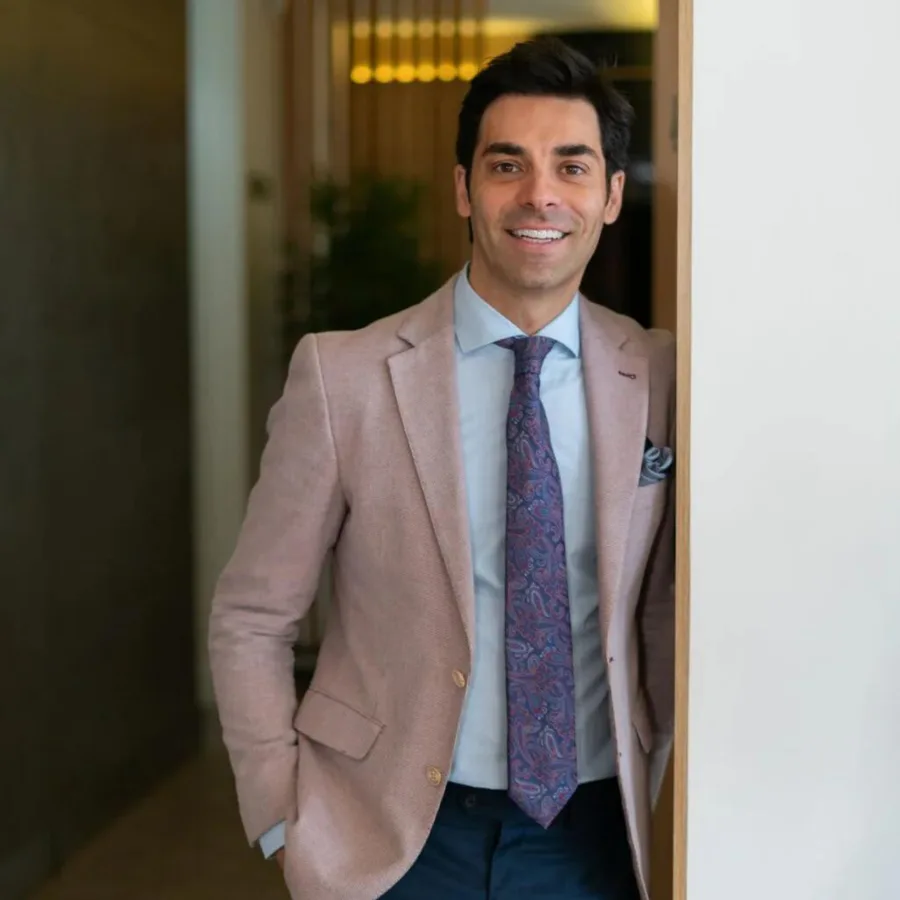
Dr Bruno holds a PhD in Facial Aesthetics. A doctorate does not automatically make any clinician the correct choice for every patient, but it is meaningful evidence of sustained research, formal examination and expert scrutiny. In Dr Bruno’s case, that academic work connects directly with how smiles are perceived within the wider face.
When comparing a cosmetic dentist in Marbella, ask what a qualification actually covered and how it changes the clinical decisions made for patients. The value is not the title alone; it is whether the knowledge produces a more thoughtful diagnosis and a more personal design.
2. Ask where—and how—the dentist trained
Advanced training should expand a dentist’s judgement, not simply add logos to a biography. Ask whether the training was hands-on, whether it covered complex restorative planning and whether the dentist has continued developing those skills through years of real cases.
Dr Bruno completed advanced training in New York, an important part of his international cosmetic and restorative education. That experience sits alongside more than two decades devoted to advanced cosmetic dentistry, rather than being presented as a short course that substitutes for clinical depth.
For patients comparing an English-speaking dentist in Marbella, clear communication about training is especially useful. A good clinician should be able to explain what they learned, why it matters to your case and where the limits of their expertise lie—without hiding behind technical language.
3. Check whether other cosmetic dentists learn from them
There is a meaningful difference between a dentist who attends education and one who is trusted to provide it. Teaching requires a clinician to explain decisions, defend techniques, answer difficult questions and demonstrate repeatable principles to professional peers.
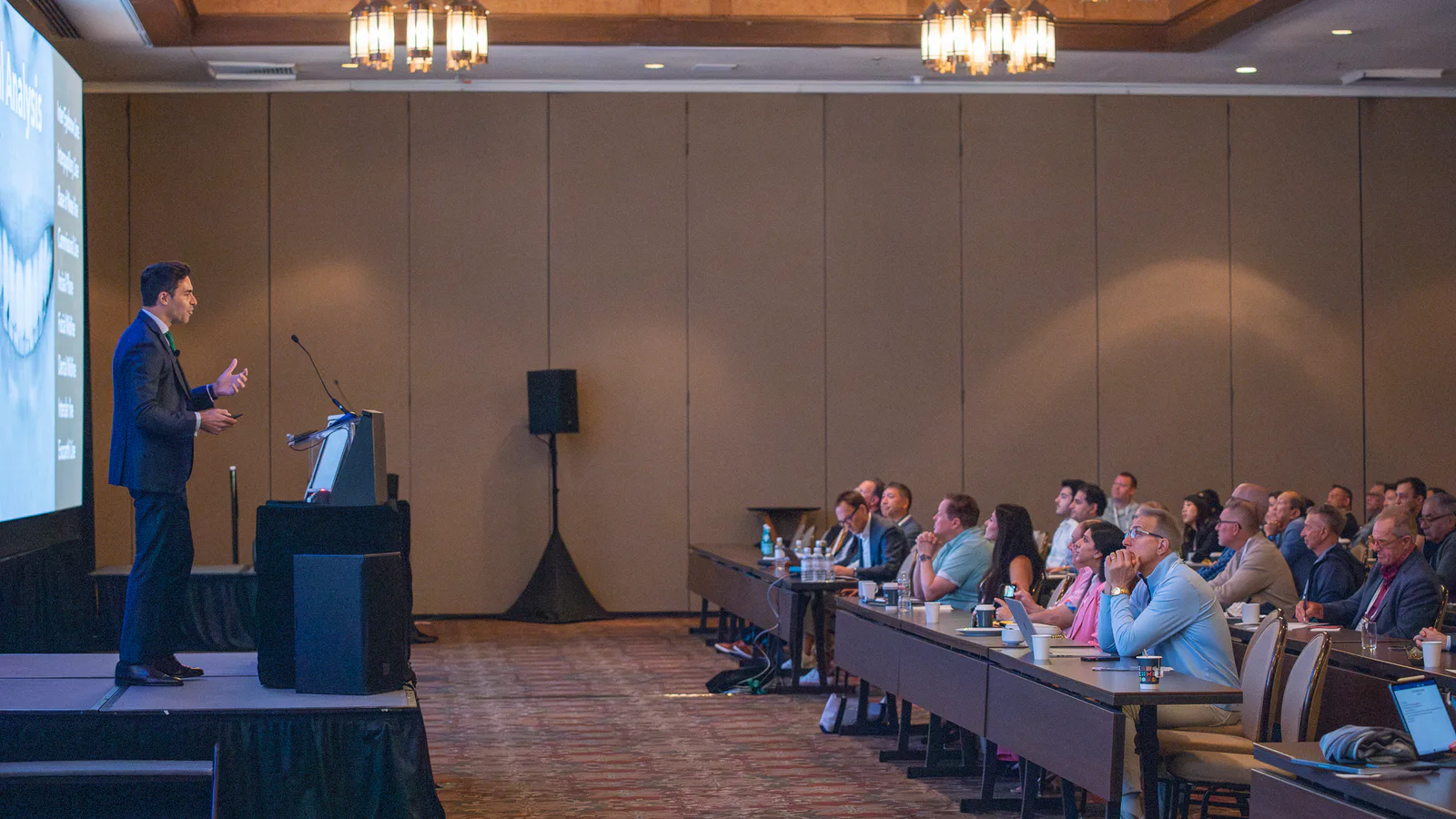
Dr Bruno teaches other cosmetic dentists and is an international lecturer on facial aesthetics, smile design and advanced cosmetic dentistry. His audiences include clinicians who already understand the fundamentals and expect the reasoning behind each recommendation—not only attractive finished photographs.
This does not mean you should choose a dentist solely because they lecture. It means external teaching can be one strong part of a wider evidence picture. Ask where they teach, what subjects they are invited to cover and whether their educational work relates directly to the treatment you are considering.
4. Look for original thinking: the Facial Flow Concept™
Many smile designs begin with a horizontal line and an idealised version of symmetry. Real faces are not perfectly level or symmetrical; they move, express emotion and have a natural direction. A smile can be technically neat yet still feel disconnected from the person around it.
Dr Bruno created the Facial Flow Concept™ to analyse the directional flow and asymmetry of the face when planning a smile. The goal is harmony, not the mechanical removal of every natural difference. The concept was published in peer-reviewed literature and is taught within international smile-design education.
For a patient, the practical question is simple: will the proposed smile look like it belongs to me? A face-led plan should consider full-face photographs, lip movement, tooth display, gum levels, age, character and the patient’s own preference before a treatment material is chosen.
5. Find out who is responsible for the result
Cosmetic treatment often passes through several hands: the consulting dentist, another clinician, a digital designer and a laboratory technician. Teamwork can be excellent, but every handoff should be clear. Ask who owns the final diagnosis, preparation design, ceramic or composite character, fit check and bonding decision.
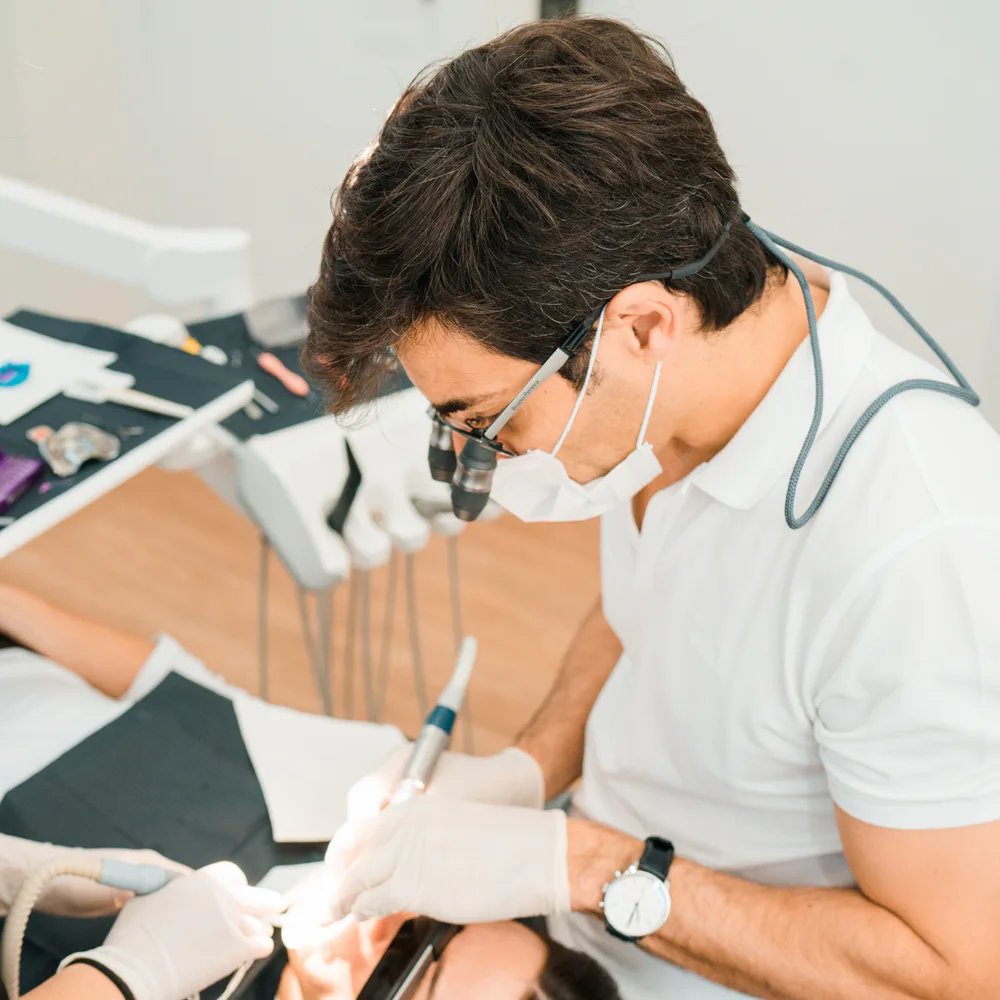
Dr Bruno personally leads the defining clinical and artistic stages of the cosmetic cases he accepts. That continuity helps connect what was observed in the moving face with the small decisions that shape texture, translucency, line angles and proportion.
A search for the best dentist in Marbella should lead you towards transparency about responsibility. You should know whose hands will carry out the work before you consent—not discover after treatment starts that the name you researched was only supervising from a distance.
6. Judge natural results—not one repeated ‘perfect’ smile
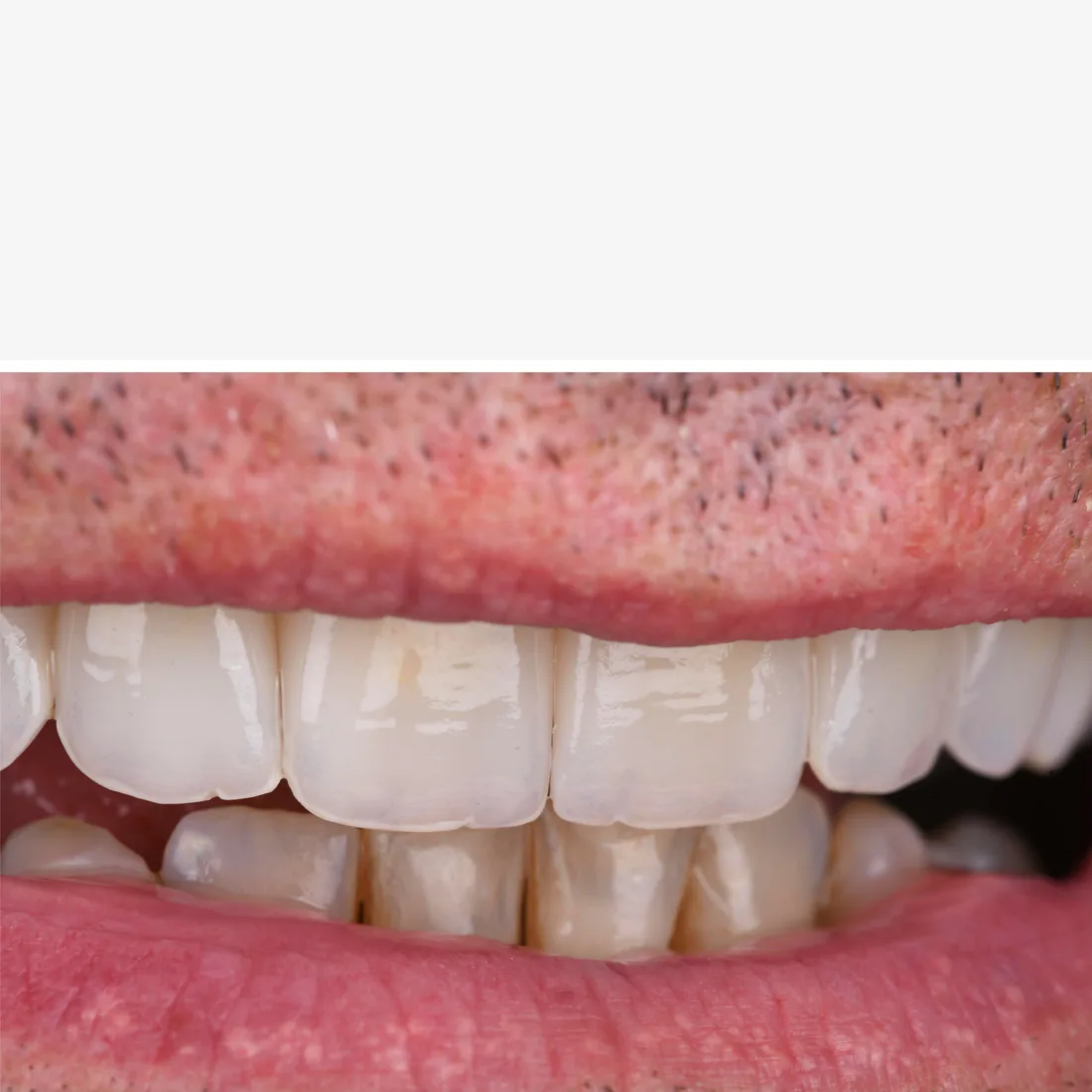
A strong cosmetic portfolio should show variety. Teeth should suit different faces rather than repeating the same brightness, length and shape for every patient. Look closely at surface texture, gum health, the transition between teeth and gums, and whether the result remains believable in full-face photographs.
Before-and-after images are most useful when lighting, angle and expression are consistent. They should support a clinical conversation, not promise that another person’s result can be copied. Every patient begins with different teeth, gums, bite, biology and expectations, so outcomes and suitable treatments vary.
Rather than asking who calls themselves the best dentist in Marbella, ask which dentist can explain why a subtle result may be more difficult—and more valuable—than a dramatic one. The most successful cosmetic dentistry often attracts compliments about the person, not questions about where their teeth were done.
7. Make communication part of the clinical standard
For international residents and visitors, choosing an English-speaking cosmetic dentist in Marbella is not only about convenience. You need to understand the diagnosis, alternatives, irreversible steps, maintenance, fees and realistic limitations well enough to give informed consent.
A good English-speaking dentist in Marbella should invite questions, check that expectations are shared and provide a written plan in language you understand. Photographs, scans and mock-ups can make the discussion clearer, but they should support—not replace—an honest conversation.
R&H works with international patients every day. The aim is to make complex treatment understandable while keeping clinical standards, timelines and biological limits more important than travel plans or pressure for a quick result.
Your cosmetic consultation checklist
Bring this checklist to any cosmetic consultation in Marbella. A thoughtful dentist should welcome the comparison and answer in specific terms.
- What do you see in my teeth, gums, bite, lips and full face?
- What are the least invasive options that could achieve my goal?
- Why are you recommending this treatment rather than whitening, bonding or orthodontics?
- Can I review comparable cases and understand their limitations?
- Will I see a digital or physical mock-up before any irreversible stage?
- Who will perform each clinical and laboratory stage?
- What maintenance, risks and likely future replacement should I plan for?
- What happens if I decide not to proceed after the assessment?
What sets Dr Bruno apart
Dr Bruno’s distinction is not one isolated credential. It is the combination of a PhD in Facial Aesthetics, advanced New York training, more than two decades of cosmetic experience, teaching other cosmetic dentists, lecturing internationally and creating the Facial Flow Concept™.
Those credentials matter because they connect to a patient-facing method: analyse the whole face, consider conservative options, plan around natural movement and character, and keep clear senior responsibility for the result.
If your search for the best dentist in Marbella is specifically about veneers or a smile makeover, compare Dr Bruno against the same evidence-based questions you would ask any clinician. Then use the consultation to decide whether his approach, communication and recommendations feel right for you.

Published evidence behind Facial Flow
Frequently asked questions
What qualifications should a cosmetic dentist have?
Look for a dental degree, relevant postgraduate education, substantial experience in the treatments you are considering and evidence of ongoing professional development. Qualifications connected with restorative dentistry, prosthodontics, facial aesthetics and smile planning may be particularly relevant, but they should always be considered alongside diagnosis, portfolio quality and clear treatment responsibility.
Why does a PhD in Facial Aesthetics matter for smile design?
A PhD reflects sustained research and external academic examination. For Dr Bruno, facial-aesthetics research is directly connected with how the smile relates to facial direction, asymmetry and perception. The qualification is valuable because it informs a face-led clinical method, not simply because it adds a title to his name.
What is Dr Bruno’s Facial Flow Concept™?
The Facial Flow Concept™ is Dr Bruno Pereira’s approach to reading the natural directional flow and asymmetry of a face when designing a smile. Instead of forcing every smile towards rigid horizontal symmetry, it aims for a result that feels balanced, expressive and connected to the individual face.
Does Dr Bruno teach other cosmetic dentists?
Yes. Dr Bruno teaches cosmetic dentists and lectures internationally on facial aesthetics, smile design and advanced cosmetic dentistry. This professional teaching is one part of the evidence patients can consider alongside his PhD, New York training, clinical experience, published research and direct responsibility for treatment.
How do I choose an English-speaking cosmetic dentist in Marbella?
Choose a dentist who can explain the diagnosis, alternatives, risks, irreversible steps, maintenance and fees in language you fully understand. Ask who will perform each stage, review varied real cases and confirm that a clinical examination—not a package or photograph—will determine which treatment is appropriate for you.
Meet Dr Bruno in Marbella
Book a face-led cosmetic consultation to discuss your goals, conservative options and a personalised treatment plan.
This article provides general information and does not replace a clinical examination or personalised diagnosis. Treatment suitability, risks, timelines and results vary by patient.