Shade with variation
Natural teeth are not one flat white. Small differences in brightness, warmth and depth can help restorations blend with untreated teeth and the face around them.

Natural-looking veneer design · R&H Marbella
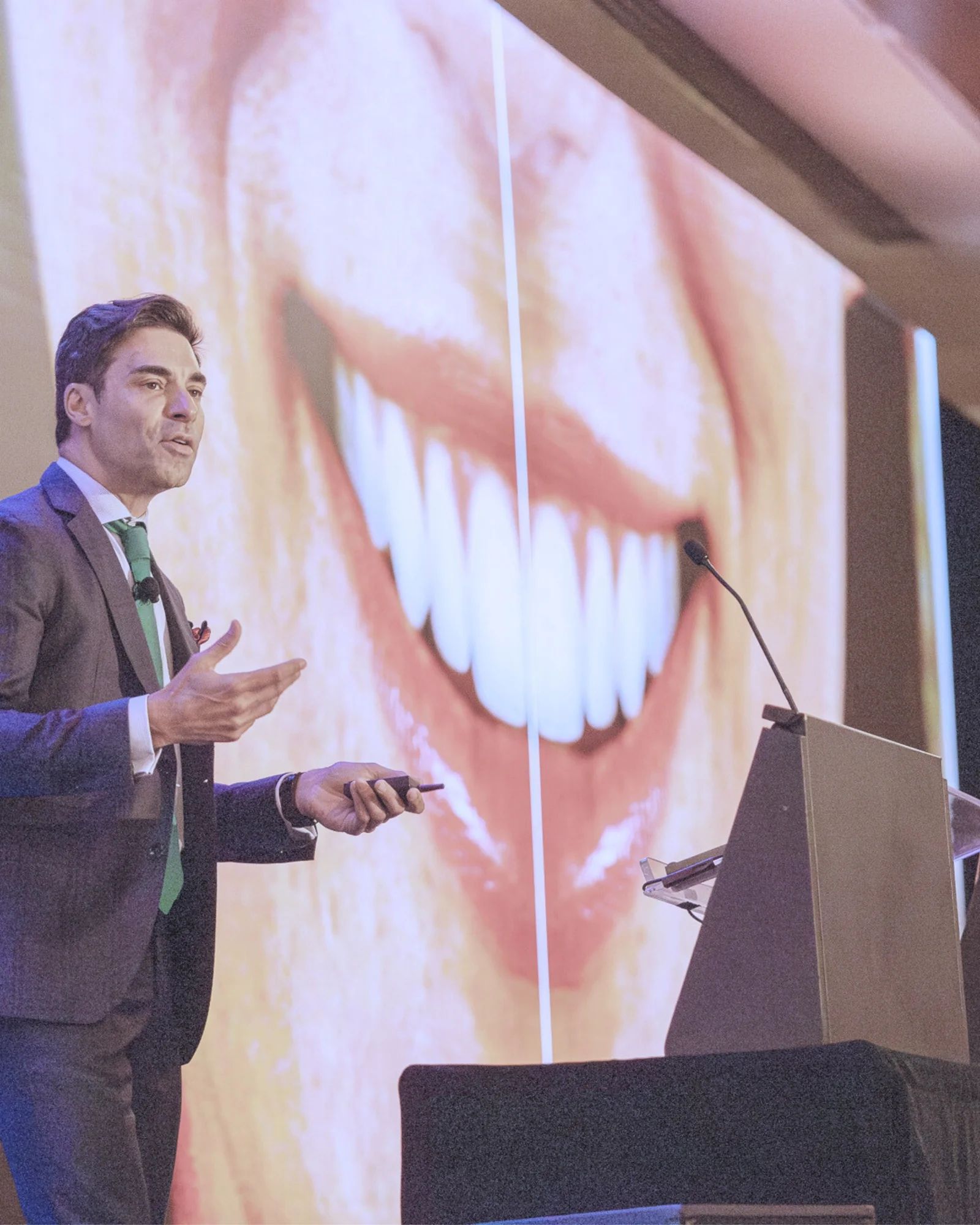
“Porcelain veneers can be designed to look natural through proportion, translucency, texture and small variations between teeth. I judge those details within the whole face. A natural result is a shared design decision: we should agree how much brightness and regularity you want before the final ceramic is made.”
A natural result is personal. Some people want almost no visible change; others want a brighter smile that still retains texture, variation and character.
The short answer
A convincing result usually combines several small decisions: a shade that works with the surrounding teeth, controlled translucency, believable surface texture, proportions that fit the lips and face, and edges that do not look mechanically identical. The aim is harmony rather than perfect uniformity.
The clinical foundation matters too. Tooth position, gum levels, available enamel, existing restorations and bite can limit what is possible or change the treatment route. In some smiles, whitening, alignment or composite bonding may create the desired improvement with less intervention.
“The best veneer material depends on what the tooth needs and the appearance we are trying to achieve. I consider translucency, masking of the underlying colour and the thickness available. Careful shape and surface finishing remain important, whichever suitable ceramic is selected for the case.”
The details people notice
No single feature creates a natural result. These choices need to work together and remain appropriate for the teeth underneath.
Natural teeth are not one flat white. Small differences in brightness, warmth and depth can help restorations blend with untreated teeth and the face around them.
Light passes through different parts of a natural tooth differently. The ceramic and its thickness need to recreate depth without appearing grey, opaque or glassy.
Subtle texture changes how light reflects. A completely flat, highly polished surface can look artificial even when the shade is carefully chosen.
Tooth width, length, edge shape and small asymmetries should relate to your lips and face. Natural does not mean making every front tooth identical.
The treated teeth need to meet the gums and neighbouring natural teeth convincingly. The number of veneers should follow that transition, not a package size.
Common assumptions
The whitest shade will look the cleanest and best.
Brightness has to work with skin tone, neighbouring teeth and the degree of change you want. An extreme shade can dominate the face rather than improve it.
Perfect symmetry always looks more natural.
Faces move and carry small differences. A good design decides what to balance and what character to preserve instead of forcing every line to match.
A premium ceramic automatically guarantees the result.
Material matters, but diagnosis, preparation, laboratory communication, bonding, bite and design restraint all influence the final appearance.
Make 'natural' specific

Natural smile planning in Marbella
R&H Dental is on Avenida Ricardo Soriano in central Marbella. You can develop the design with the treating clinic, return for reviews and keep the same team responsible for the result and its maintenance.

“Useful veneer before-and-after photographs show cases similar to your starting point, with consistent lighting and views of the whole smile. I would look at the fit with the lips and face as well as tooth colour. Another patient’s result can guide a discussion, but it cannot predict yours.”
Common questions
These answers explain the design variables without pretending that one look suits every face or every set of teeth.
A natural result comes from the combination of shade, translucency, surface texture, tooth proportions, edge form, gum relationships and how the smile moves within your face. It also depends on using a treatment scope that fits the clinical situation rather than forcing a standard design.
No. A bright shade can still look believable when its warmth, opacity and contrast suit the surrounding teeth and face. Natural appearance is about coherence and depth, not choosing a deliberately dark shade.
Usually not. Front teeth have different roles and natural variations. The design may coordinate them closely while preserving controlled differences in width, edge form and surface character.
Photography, digital design, a wax-up or a trial smile may help you discuss proportion and direction before final treatment. The appropriate preview depends on the proposed plan and cannot guarantee the exact biological result.
Not automatically. Preserving healthy tooth is important, but insufficient space can create bulky contours while unnecessary reduction removes valuable structure. Preparation should follow tooth position, colour, material space and the agreed design.
Both materials can produce a natural appearance when correctly selected and carefully executed. Composite is often useful for smaller additive changes and direct repair; porcelain may offer greater colour and surface stability for a broader change.
“Emax veneers commonly refers to veneers made from IPS e.max lithium disilicate ceramic. The material is one part of the treatment decision. I also consider the underlying tooth colour, available space and bonding conditions, because a recognised ceramic name alone does not determine how natural a veneer will look.”
“A single front-tooth veneer may be suitable, but matching the neighbouring teeth can be demanding. I assess colour, translucency, surface texture and shape together. The goal is to make the restoration belong within the existing smile, rather than change healthy neighbouring teeth simply to make matching easier.”
Bring your own definition of natural
Meet Dr Bruno at R&H Dental Marbella to discuss the character you want to preserve, preview suitable changes and compare the most conservative responsible options.