What do you want to change?
Name the exact concern: Separate colour, position, shape, wear and old dentistry so one treatment is not asked to solve unrelated problems.

Inside a responsible veneer plan
The plan first defines the problem: colour, shape, wear, position, old restorations, damaged enamel or a combination. It then asks what can be improved without covering teeth unnecessarily and whether the gums, bite and existing dental work provide a stable foundation.
Start with the question you want his experience to help you answer. For “How Dr Bruno Plans Veneers”, name the exact concern: Separate colour, position, shape, wear and old dentistry so one treatment is not asked to solve unrelated problems.
The short answer
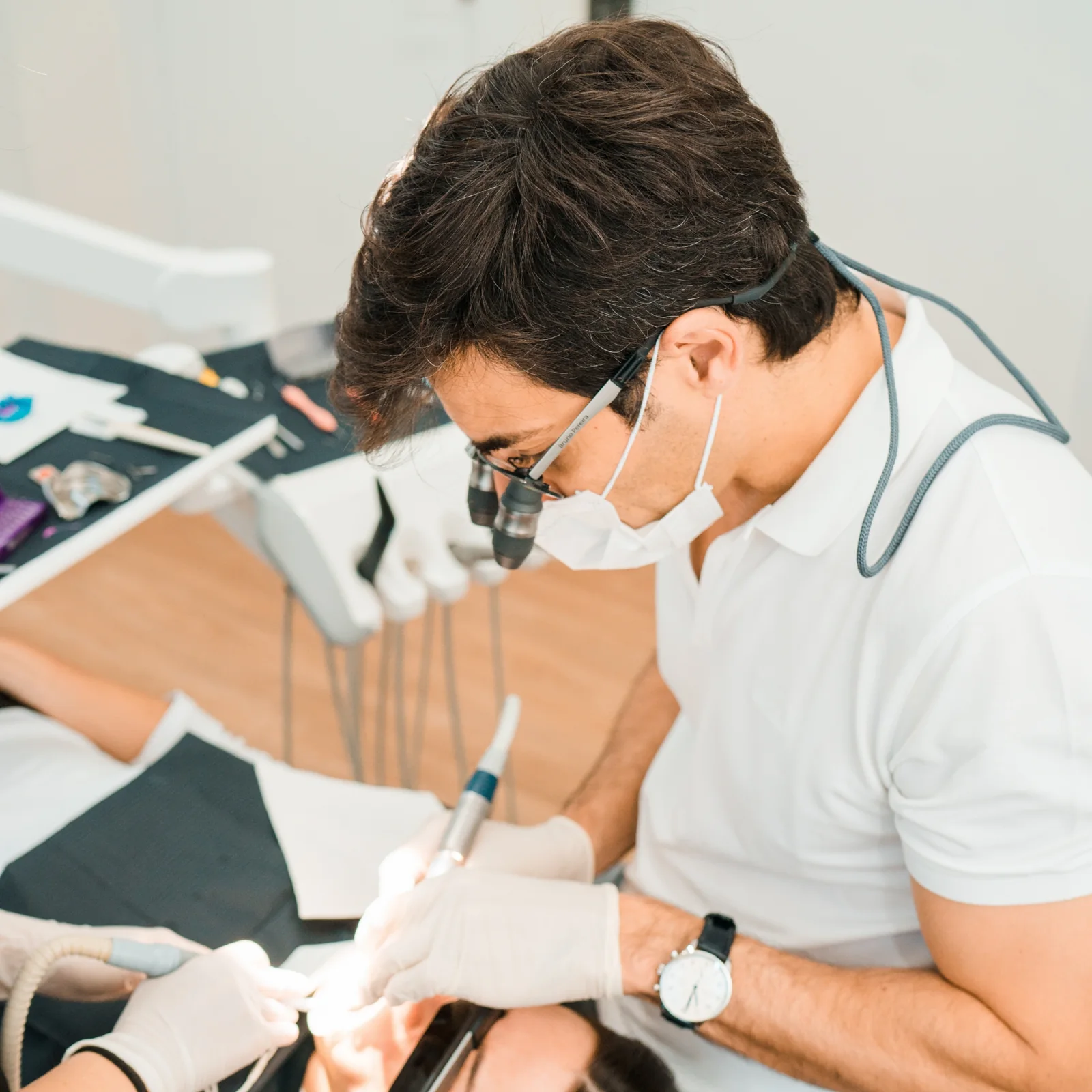
For accepted veneer cases, design decisions include the visible treatment zone, tooth length and width, transitions to untreated teeth, shade, translucency, surface texture, preparation boundaries, provisional stages, laboratory communication, bonding and maintenance. Each choice changes another, which is why responsible planning cannot be reduced to ‘six, eight or ten’. Start with this: Name the exact concern: Separate colour, position, shape, wear and old dentistry so one treatment is not asked to solve unrelated problems.
For “How Dr Bruno Plans Veneers”, ask how your teeth, gums, bite and existing dental work would change the answer. Set the most conservative boundary: Compare whitening, alignment, bonding, selective veneers and combined approaches before agreeing which teeth—if any—should be restored.
What affects your options
Start with the problem, then compare health, preservation and long-term care.
Name the exact concern: Separate colour, position, shape, wear and old dentistry so one treatment is not asked to solve unrelated problems.
For accepted veneer cases, design decisions include the visible treatment zone, tooth length and width, transitions to untreated teeth, shade, translucency, surface texture, preparation boundaries, provisional stages, laboratory communication, bonding and maintenance. Each choice changes another, which is why responsible planning cannot be reduced to ‘six, eight or ten’.
Health, bite or existing dentistry may change the order of care.
Ask how your teeth, gums, bite and existing dental work would change the answer.
Set the most conservative boundary: Compare whitening, alignment, bonding, selective veneers and combined approaches before agreeing which teeth—if any—should be restored.
Compare the choices
| Choice to discuss | Why it may deserve consideration | What to clarify |
|---|---|---|
| A conservative first step | A limited or reversible option may address the main concern. | Ask for the conservative comparison: ask how your teeth, gums, bite and existing dental work would change the answer. |
| Restorative or combined care | The findings show that the concern involves more than one tooth, material or treatment stage. | Apply the main finding to the options: for accepted veneer cases, design decisions include the visible treatment zone, tooth length and width, transitions to untreated teeth, shade, translucency, surface texture, preparation boundaries, provisional stages, laboratory communication, bonding and maintenance. Each choice changes another, which is why responsible planning cannot be reduced to ‘six, eight or ten’. |
| No immediate treatment | The expected benefit does not justify the commitment, or monitoring is reasonable. | Ask what can safely remain unchanged and what would prompt a future review. |
From question to decision
Describe what you want to understand without choosing the treatment in advance.
The examination connects your concern to tooth structure, gums, bite and existing work.
Relate this section to the concern described above.
Relate this section to the concern described above.
Leave with clear findings and decide when the commitment makes sense to you.
Trusted in Marbella
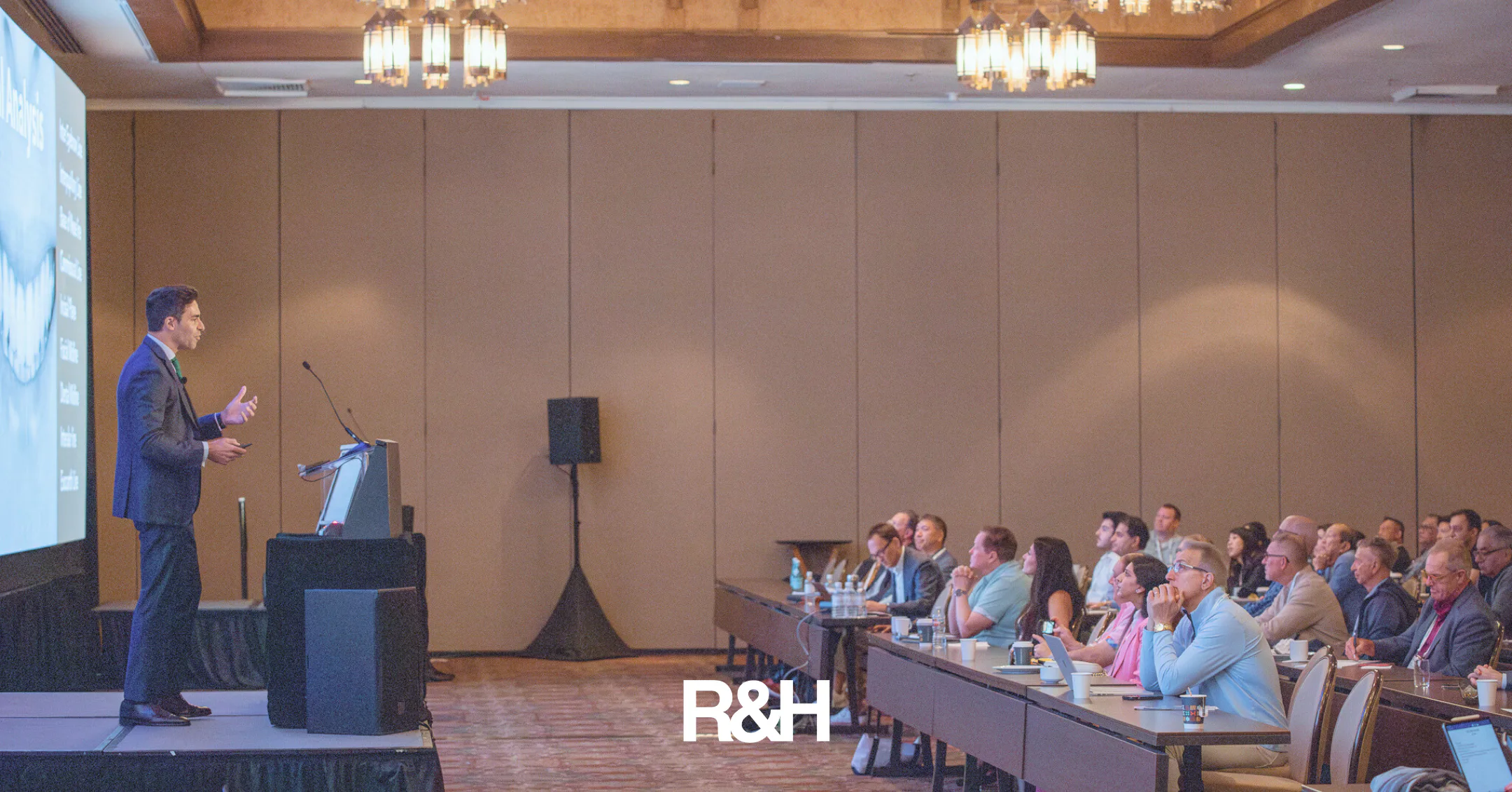
You can meet the team at R&H Dental on Avenida Ricardo Soriano in central Marbella, return for reviews and keep each next step connected to the same clinic.


Before you decide
These answers help you prepare without assuming that one treatment, material or timetable will suit everyone.
The short answer is that the plan first defines the problem: colour, shape, wear, position, old restorations, damaged enamel or a combination. It then asks what can be improved without covering teeth unnecessarily and whether the gums, bite and existing dental work provide a stable foundation.
The deciding point is personal: for accepted veneer cases, design decisions include the visible treatment zone, tooth length and width, transitions to untreated teeth, shade, translucency, surface texture, preparation boundaries, provisional stages, laboratory communication, bonding and maintenance. Each choice changes another, which is why responsible planning cannot be reduced to ‘six, eight or ten’. The next useful point to discuss is: ask how your teeth, gums, bite and existing dental work would change the answer.
Name the exact concern: Separate colour, position, shape, wear and old dentistry so one treatment is not asked to solve unrelated problems. This gives the dentist a clear starting point for discussing what matters to you.
Ask how your teeth, gums, bite and existing dental work would change the answer. The useful comparison is the one that addresses your concern with a proportionate commitment.
Set the most conservative boundary: Compare whitening, alignment, bonding, selective veneers and combined approaches before agreeing which teeth—if any—should be restored. Ask about limitations, maintenance and what could make the plan change before treatment begins.
R&H Dental is on Avenida Ricardo Soriano in central Marbella. When you contact reception, mention your starting question: name the exact concern: Separate colour, position, shape, wear and old dentistry so one treatment is not asked to solve unrelated problems.
Bring your question to R&H
Name the exact concern: Separate colour, position, shape, wear and old dentistry so one treatment is not asked to solve unrelated problems. Book with R&H Dental Marbella to understand the relevant findings and compare the choices before you commit to treatment.