Veneer planning in Marbella

How many veneers do I need?

Four veneers may suit a very selective change, while six, eight or ten can create a broader upper-smile transition. Those numbers are examples, not rules: a wide smile may show more teeth, and one dark or rotated tooth may need a different solution from a full colour change.

You can arrive with a question rather than a treatment choice. Define the change: Identify whether colour, shape, symmetry, wear or tooth position is the real priority.

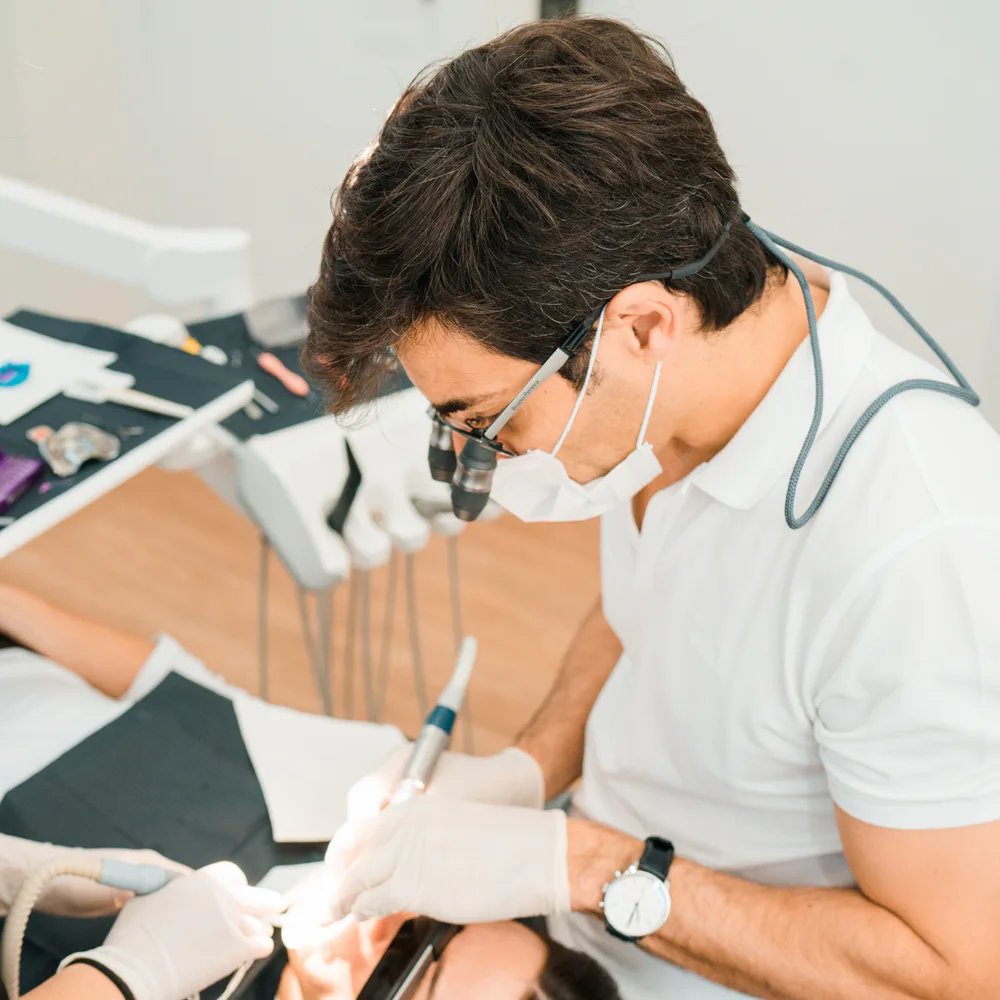
Dr Bruno Pereira assessing a patient during cosmetic treatment planning at R&H Marbella
The treatment zone is planned around the whole visible smile.

The short answer

What this means for you

The decision also depends on whether neighbouring natural teeth can be whitened or reshaped to blend, whether alignment would preserve more enamel, and whether lower teeth affect the overall result. R&H confirms the treatment zone only after examining the teeth, gums and bite. Start with this: Define the change: Identify whether colour, shape, symmetry, wear or tooth position is the real priority.

For “How Many Veneers Do I Need?”, map the visible smile: Review photographs, movement and side views to see where a natural treatment transition could sit. Test conservative alternatives: Consider whitening, alignment and bonding where they may preserve healthy structure.

The two choices

Selective veneers compared with Upper smile-zone veneers / Combined conservative plan

01

Selective veneers

Selective veneers is considered for the specific dental problem it can address, with its preparation and maintenance consequences explained.

When it may help
  • Smile width, lip movement and side views reveal teeth that a still front photograph can hide.
  • A strong contrast between porcelain and untreated teeth can make a narrow treatment zone look artificial.
What to consider
  • Preparation needs depend on your tooth structure and clinical assessment.
  • Your teeth, gums, bite and existing dental work can all change the recommendation.
02

Upper smile-zone veneers / Combined conservative plan

Upper smile-zone veneers / Combined conservative plan addresses a different or overlapping clinical need and requires the same individual assessment of suitability and alternatives.

When it may help
  • Crowding, rotation or teeth set far forward can make orthodontics or selective treatment more conservative.
  • Lower teeth may need no treatment, but their colour, wear and position still influence the visual plan.
What to consider
  • Exact preparation and timing depend on your records and clinical assessment.
  • Relate this section to the concern described above.

Compare the consequences

Look beyond the first result

Use the table to compare preparation, repair, maintenance and future flexibility.

What you are comparingSelective veneersUpper smile-zone veneers / Combined conservative plan
Selective veneersSelective veneers: A small treatment zone; One concern can be blended predictably with healthy neighbouring teethUpper smile-zone veneers / Combined conservative plan: Colour and shape matching become especially demanding
Upper smile-zone veneersSelective veneers: A broader visible transition; Several front teeth share colour, proportion or surface concernsUpper smile-zone veneers / Combined conservative plan: The exact number still depends on smile width and side visibility
Combined conservative planSelective veneers: Alignment, whitening or bonding first; Another treatment can reduce porcelain coverage or improve the foundationUpper smile-zone veneers / Combined conservative plan: Usually takes more planning and may extend the treatment sequence
Which individual findings control the decision?Selective veneers: examination and relevant recordsUpper smile-zone veneers / Combined conservative plan: examination and relevant records

Before you choose

Three rules for a more useful comparison

Also compare other treatments and no immediate treatment.

Start with the problem—not the material

Define the change: Identify whether colour, shape, symmetry, wear or tooth position is the real priority.

Compare the full commitment

Map the visible smile: Review photographs, movement and side views to see where a natural treatment transition could sit.

Keep alternatives visible

Test conservative alternatives: Consider whitening, alignment and bonding where they may preserve healthy structure.

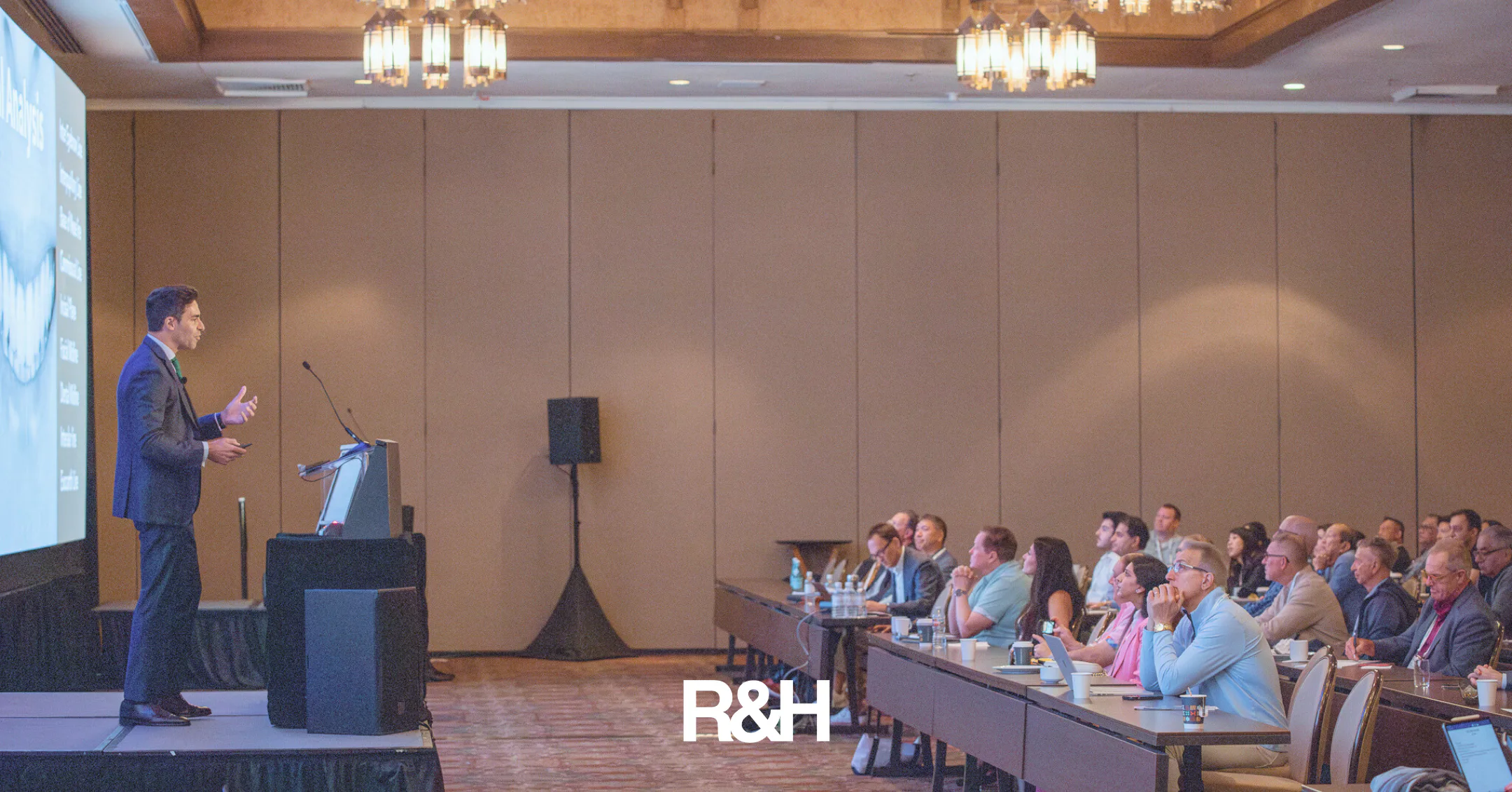
Dr Bruno Pereira lecturing cosmetic dentists on dental aesthetics
Dr Bruno Pereira teaching dental aesthetics to an international clinical audience.

Experience behind your consultation

Discuss your options with the dentist other cosmetic dentists learn from

Dr Bruno brings more than 23 years in practice, a PhD in Facial Aesthetics, advanced New York training and international teaching to your consultation. His role is to connect what you want to change with the health, function and character that should be preserved.

PhD in Facial AestheticsDoctoral-level study of how smiles relate to the face.
International educatorTeaches cosmetic dentists and lectures internationally.
Advanced New York trainingPostgraduate aesthetic dentistry training in New York.

Trusted in Marbella

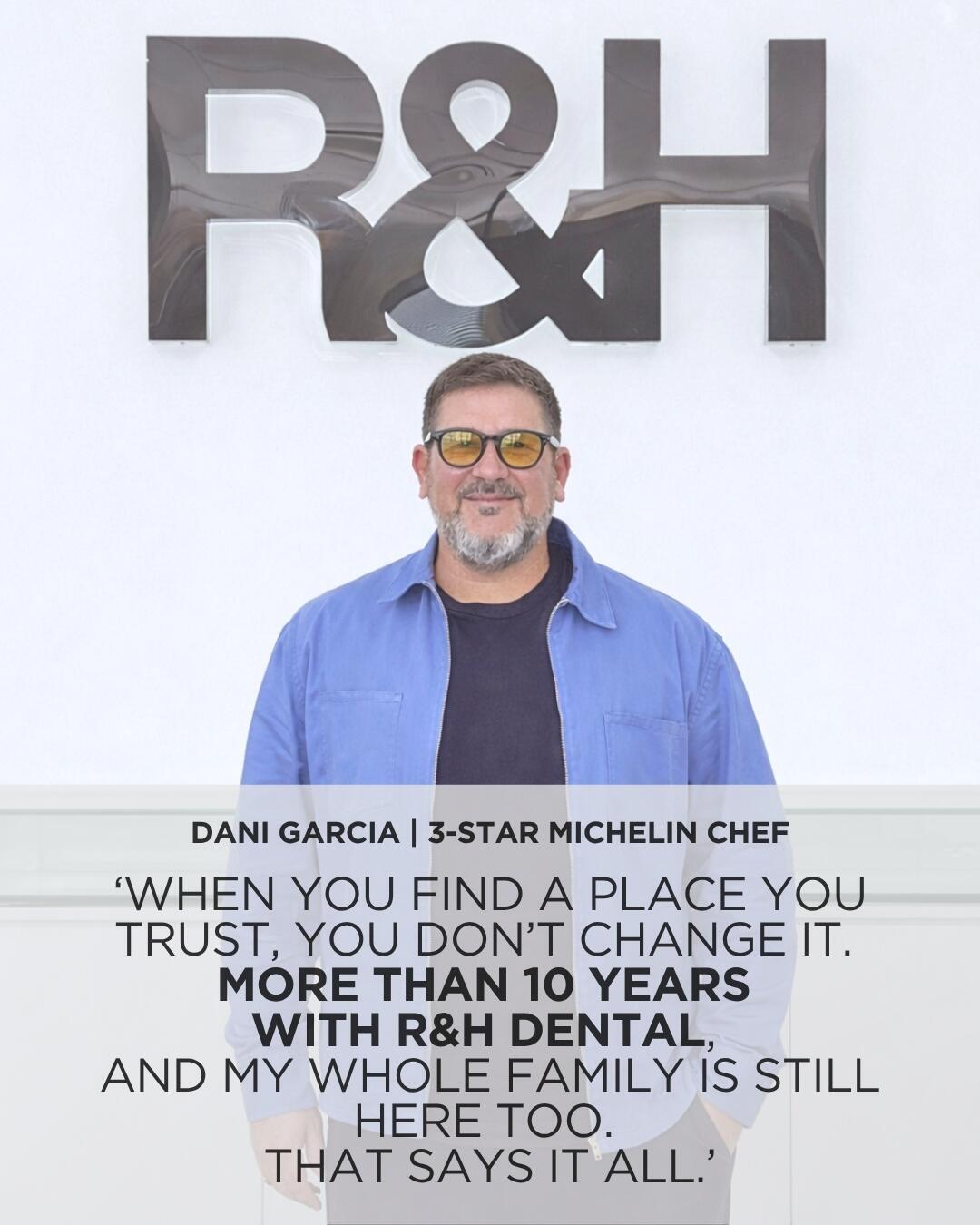
Choose the Marbella clinic Dani García has trusted for more than 10 years

You can meet the team at R&H Dental on Avenida Ricardo Soriano in central Marbella, return for reviews and keep each next step connected to the same clinic.

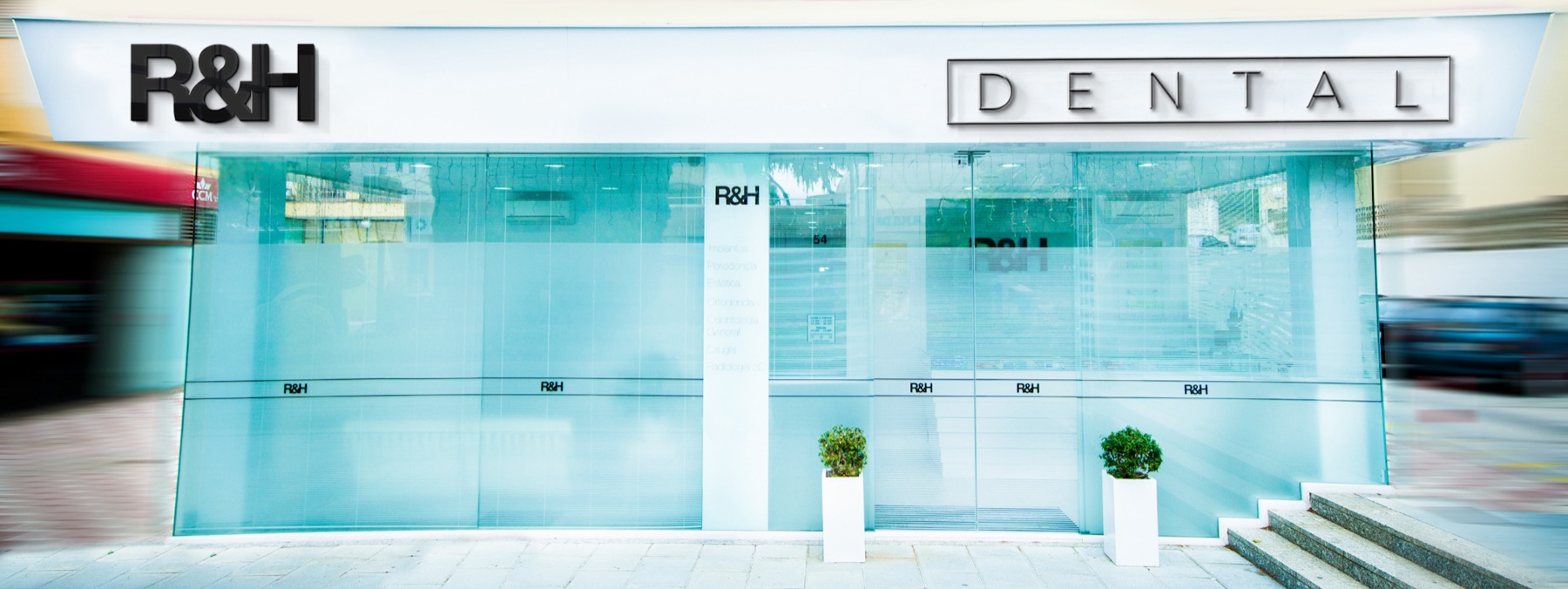
Exterior of R&H Dental clinic on Avenida Ricardo Soriano in Marbella
R&H Dental · Avenida Ricardo Soriano 54, Marbella
Dani García at R&H Dental Marbella with his patient recommendation
Dani García · three-Michelin-star chef and R&H patient for more than 10 years

Before you decide

Questions worth asking before treatment

These answers help you prepare without assuming that one treatment, material or timetable will suit everyone.

What is the short answer?

The short answer is that four veneers may suit a very selective change, while six, eight or ten can create a broader upper-smile transition. Those numbers are examples, not rules: a wide smile may show more teeth, and one dark or rotated tooth may need a different solution from a full colour change.

What is most likely to change the answer for me?

The deciding point is personal: the decision also depends on whether neighbouring natural teeth can be whitened or reshaped to blend, whether alignment would preserve more enamel, and whether lower teeth affect the overall result. R&H confirms the treatment zone only after examining the teeth, gums and bite. The next useful point to discuss is: map the visible smile: Review photographs, movement and side views to see where a natural treatment transition could sit.

What should I explain at my consultation?

Define the change: Identify whether colour, shape, symmetry, wear or tooth position is the real priority. This gives the dentist a clear starting point for discussing what matters to you.

Which alternatives should I compare?

Map the visible smile: Review photographs, movement and side views to see where a natural treatment transition could sit. The useful comparison is the one that addresses your concern with a proportionate commitment.

What should I understand before deciding?

Test conservative alternatives: Consider whitening, alignment and bonding where they may preserve healthy structure. Ask about limitations, maintenance and what could make the plan change before treatment begins.

Where can I discuss this in Marbella?

R&H Dental is on Avenida Ricardo Soriano in central Marbella. When you contact reception, mention your starting question: define the change: Identify whether colour, shape, symmetry, wear or tooth position is the real priority.

Bring your question to R&H

Leave with a clearer choice—not a predetermined treatment

Define the change: Identify whether colour, shape, symmetry, wear or tooth position is the real priority. Book with R&H Dental Marbella to understand the relevant findings and compare the choices before you commit to treatment.

Call Book WhatsApp