Conservative smile planning

Should I have braces before veneers?

Veneers change the visible surface and shape of teeth; they do not move roots or correct every bite relationship. When crowding, rotation, protrusion or spacing would require heavy restorative compensation, orthodontics may be the more conservative first step.

You can arrive with a question rather than a treatment choice. Identify the position problem: Separate alignment and bite concerns from colour, shape and surface concerns.

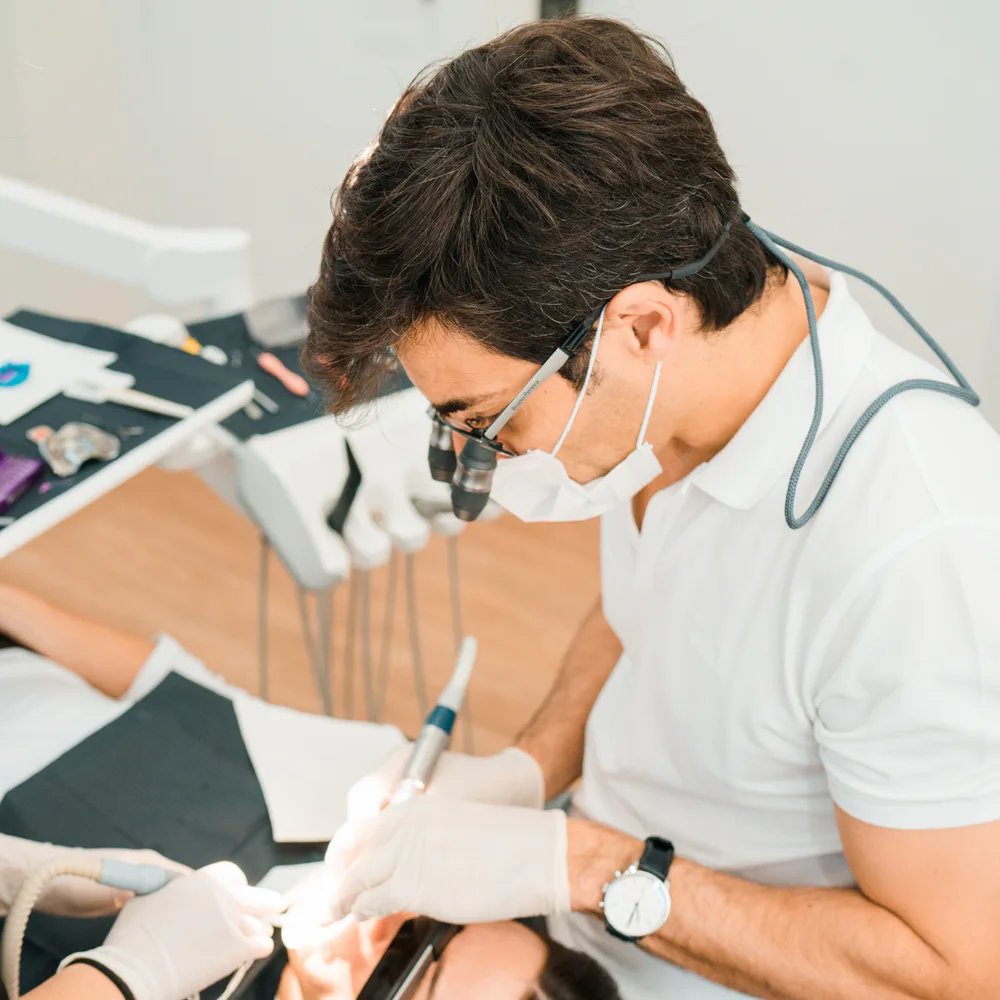
Dr Bruno Pereira assessing a patient during cosmetic treatment planning at R&H Marbella
The treatment zone is planned around the whole visible smile.

The short answer

What this means for you

Veneers may still be suitable without braces when tooth positions and bite are stable and the goal is mainly colour, proportion, surface form or limited wear. Some patients benefit from a combined plan: align first, then use fewer or thinner restorations for the remaining aesthetic concerns. Start with this: Identify the position problem: Separate alignment and bite concerns from colour, shape and surface concerns.

For “Should I Have Braces Before Veneers?”, compare records and simulations: Use clinical examination, scans and appropriate imaging to understand realistic movement and restorative options. Choose the least destructive sequence: Estimate whether alignment can reduce preparation, veneer count or restorative thickness.

The two choices

Orthodontics first compared with Veneers without orthodontics / Combined plan

01

Orthodontics first

Orthodontics first is considered for the specific dental problem it can address, with its preparation and maintenance consequences explained.

When it may help
  • A mildly uneven edge is different from a rotated or protruding tooth that sits outside the intended arch.
  • Deep bite, crossbite, edge-to-edge contacts or wear patterns can influence restoration risk and sequence.
What to consider
  • Preparation needs depend on your tooth structure and clinical assessment.
  • Your teeth, gums, bite and existing dental work can all change the recommendation.
02

Veneers without orthodontics / Combined plan

Veneers without orthodontics / Combined plan addresses a different or overlapping clinical need and requires the same individual assessment of suitability and alternatives.

When it may help
  • Alignment may position enamel more favourably for predictable bonding and reduce aggressive reshaping.
  • Orthodontics takes time; the benefit must be weighed against the complexity and permanence of restorative compensation.
What to consider
  • Exact preparation and timing depend on your records and clinical assessment.
  • Relate this section to the concern described above.

Compare the consequences

Look beyond the first result

Use the table to compare preparation, repair, maintenance and future flexibility.

What you are comparingOrthodontics firstVeneers without orthodontics / Combined plan
Orthodontics firstOrthodontics first: Moves teeth and roots; Position or bite is a major part of the concernVeneers without orthodontics / Combined plan: Requires treatment time, compliance and lifelong retention
Veneers without orthodonticsOrthodontics first: Changes visible shape and surface; Position and bite are already suitable for conservative restorationVeneers without orthodontics / Combined plan: Cannot safely disguise every rotation, protrusion or bite problem
Combined planOrthodontics first: Align, then restore selectively; Movement can reduce the final veneer scopeVeneers without orthodontics / Combined plan: Needs coordinated planning before either treatment starts
Which individual findings control the decision?Orthodontics first: examination and relevant recordsVeneers without orthodontics / Combined plan: examination and relevant records

Before you choose

Three rules for a more useful comparison

Also compare other treatments and no immediate treatment.

Start with the problem—not the material

Identify the position problem: Separate alignment and bite concerns from colour, shape and surface concerns.

Compare the full commitment

Compare records and simulations: Use clinical examination, scans and appropriate imaging to understand realistic movement and restorative options.

Keep alternatives visible

Choose the least destructive sequence: Estimate whether alignment can reduce preparation, veneer count or restorative thickness.

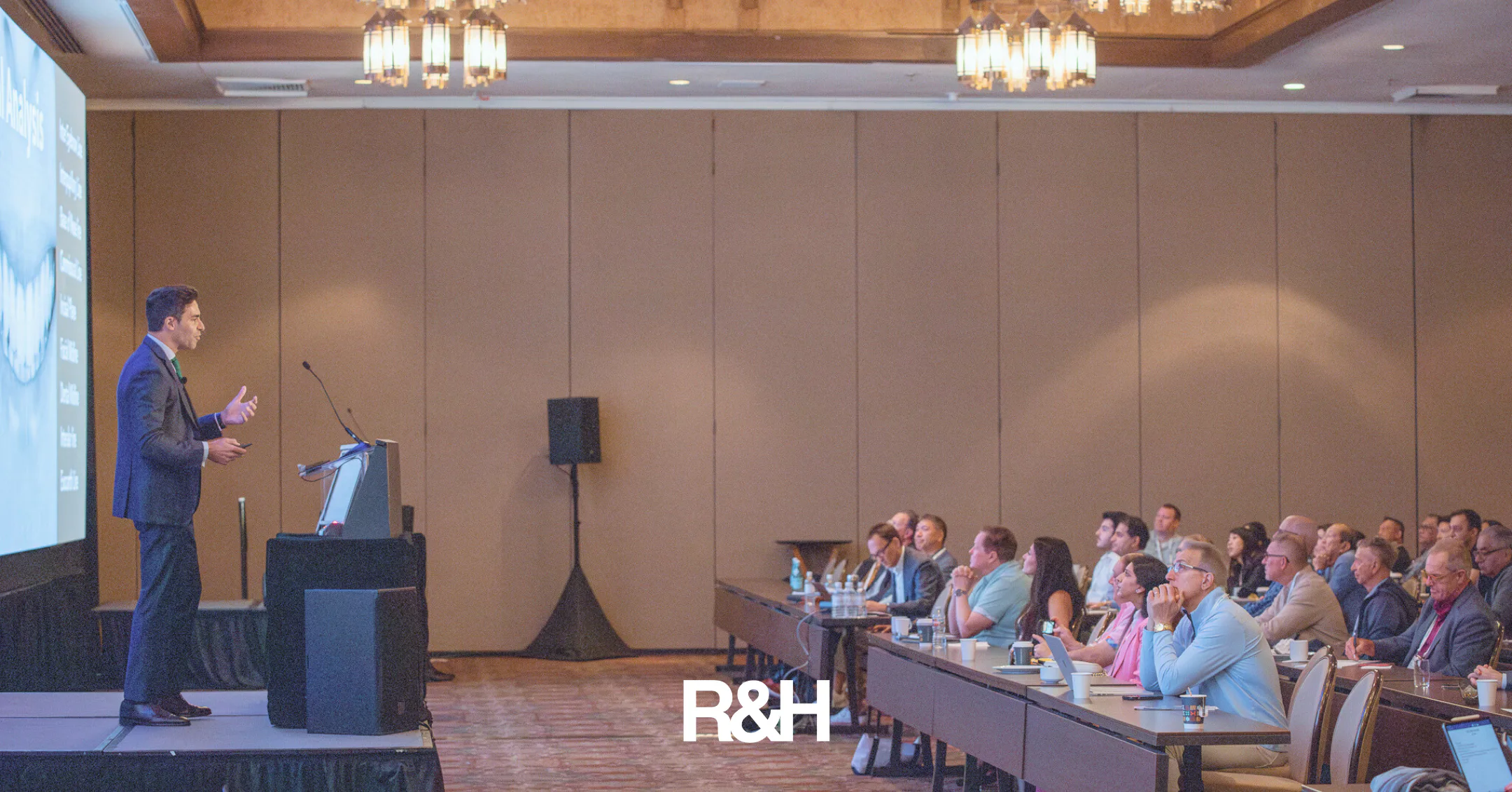
Dr Bruno Pereira lecturing cosmetic dentists on dental aesthetics
Dr Bruno Pereira teaching dental aesthetics to an international clinical audience.

Experience behind your consultation

Discuss your options with the dentist other cosmetic dentists learn from

Dr Bruno brings more than 23 years in practice, a PhD in Facial Aesthetics, advanced New York training and international teaching to your consultation. His role is to connect what you want to change with the health, function and character that should be preserved.

PhD in Facial AestheticsDoctoral-level study of how smiles relate to the face.
International educatorTeaches cosmetic dentists and lectures internationally.
Advanced New York trainingPostgraduate aesthetic dentistry training in New York.

Trusted in Marbella

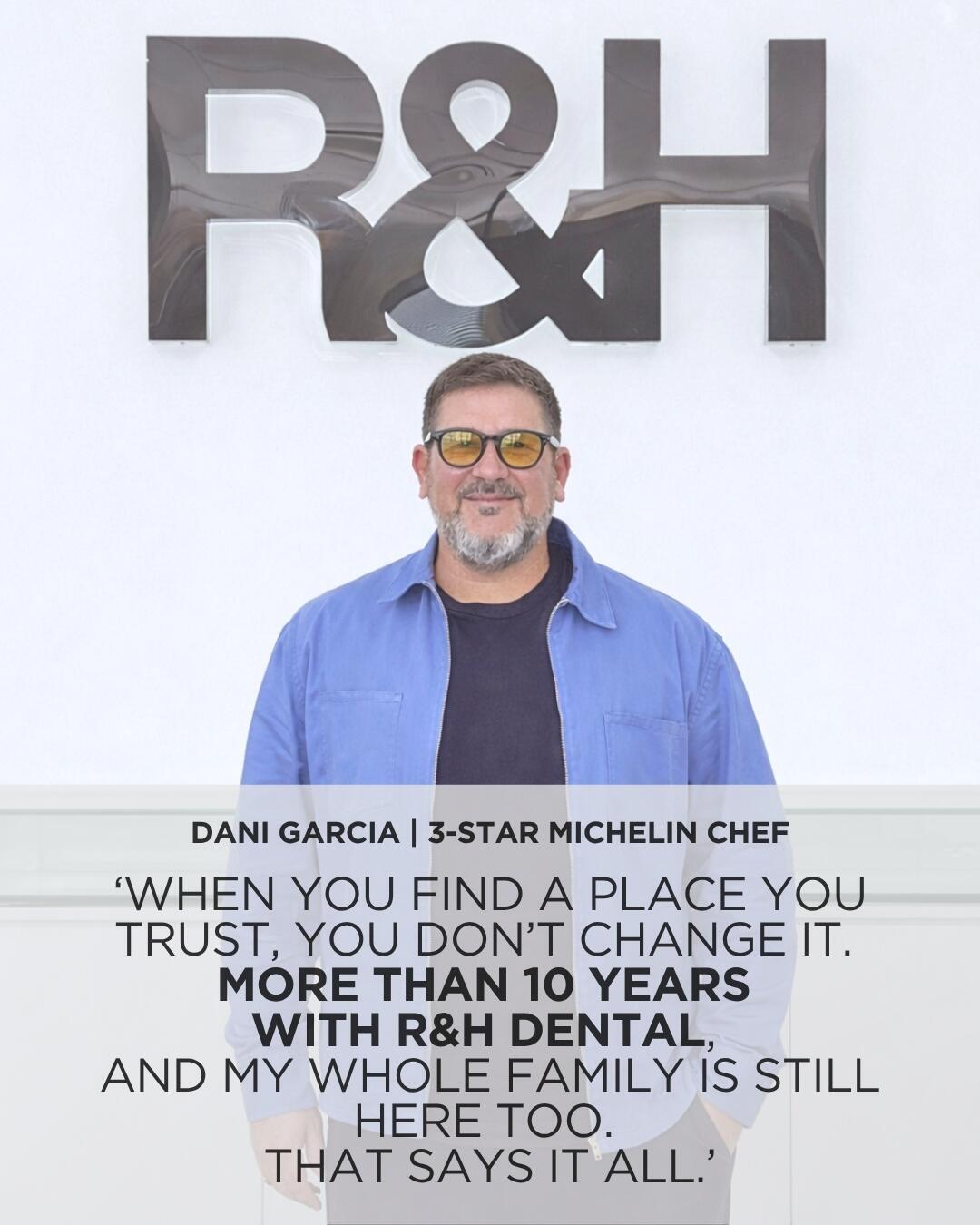
Choose the Marbella clinic Dani García has trusted for more than 10 years

You can meet the team at R&H Dental on Avenida Ricardo Soriano in central Marbella, return for reviews and keep each next step connected to the same clinic.

Exterior of R&H Dental clinic on Avenida Ricardo Soriano in Marbella
R&H Dental · Avenida Ricardo Soriano 54, Marbella
Dani García at R&H Dental Marbella with his patient recommendation
Dani García · three-Michelin-star chef and R&H patient for more than 10 years

Before you decide

Questions worth asking before treatment

These answers help you prepare without assuming that one treatment, material or timetable will suit everyone.

What is the short answer?

The short answer is that veneers change the visible surface and shape of teeth; they do not move roots or correct every bite relationship. When crowding, rotation, protrusion or spacing would require heavy restorative compensation, orthodontics may be the more conservative first step.

What is most likely to change the answer for me?

The deciding point is personal: veneers may still be suitable without braces when tooth positions and bite are stable and the goal is mainly colour, proportion, surface form or limited wear. Some patients benefit from a combined plan: align first, then use fewer or thinner restorations for the remaining aesthetic concerns. The next useful point to discuss is: compare records and simulations: Use clinical examination, scans and appropriate imaging to understand realistic movement and restorative options.

What should I explain at my consultation?

Identify the position problem: Separate alignment and bite concerns from colour, shape and surface concerns. This gives the dentist a clear starting point for discussing what matters to you.

Which alternatives should I compare?

Compare records and simulations: Use clinical examination, scans and appropriate imaging to understand realistic movement and restorative options. The useful comparison is the one that addresses your concern with a proportionate commitment.

What should I understand before deciding?

Choose the least destructive sequence: Estimate whether alignment can reduce preparation, veneer count or restorative thickness. Ask about limitations, maintenance and what could make the plan change before treatment begins.

Where can I discuss this in Marbella?

R&H Dental is on Avenida Ricardo Soriano in central Marbella. When you contact reception, mention your starting question: identify the position problem: Separate alignment and bite concerns from colour, shape and surface concerns.

Bring your question to R&H

Leave with a clearer choice—not a predetermined treatment

Identify the position problem: Separate alignment and bite concerns from colour, shape and surface concerns. Book with R&H Dental Marbella to understand the relevant findings and compare the choices before you commit to treatment.

Call Book WhatsApp