
TL;DR
- Facial Flow is Dr Bruno Pereira’s published method for reading the natural direction and asymmetry of a face when planning a smile.
- The aim is not to make every face perfectly level. It is to design teeth that feel connected to the person’s facial proportions, lips, movement, age and character.
- Facial Flow is a diagnostic and design principle, not a treatment. The final plan might involve no treatment, whitening, bonding, orthodontics, veneers, gum care or a combination.
- A useful face-led consultation should show what is being observed, explain conservative alternatives and let the patient review the proposed direction before irreversible treatment.
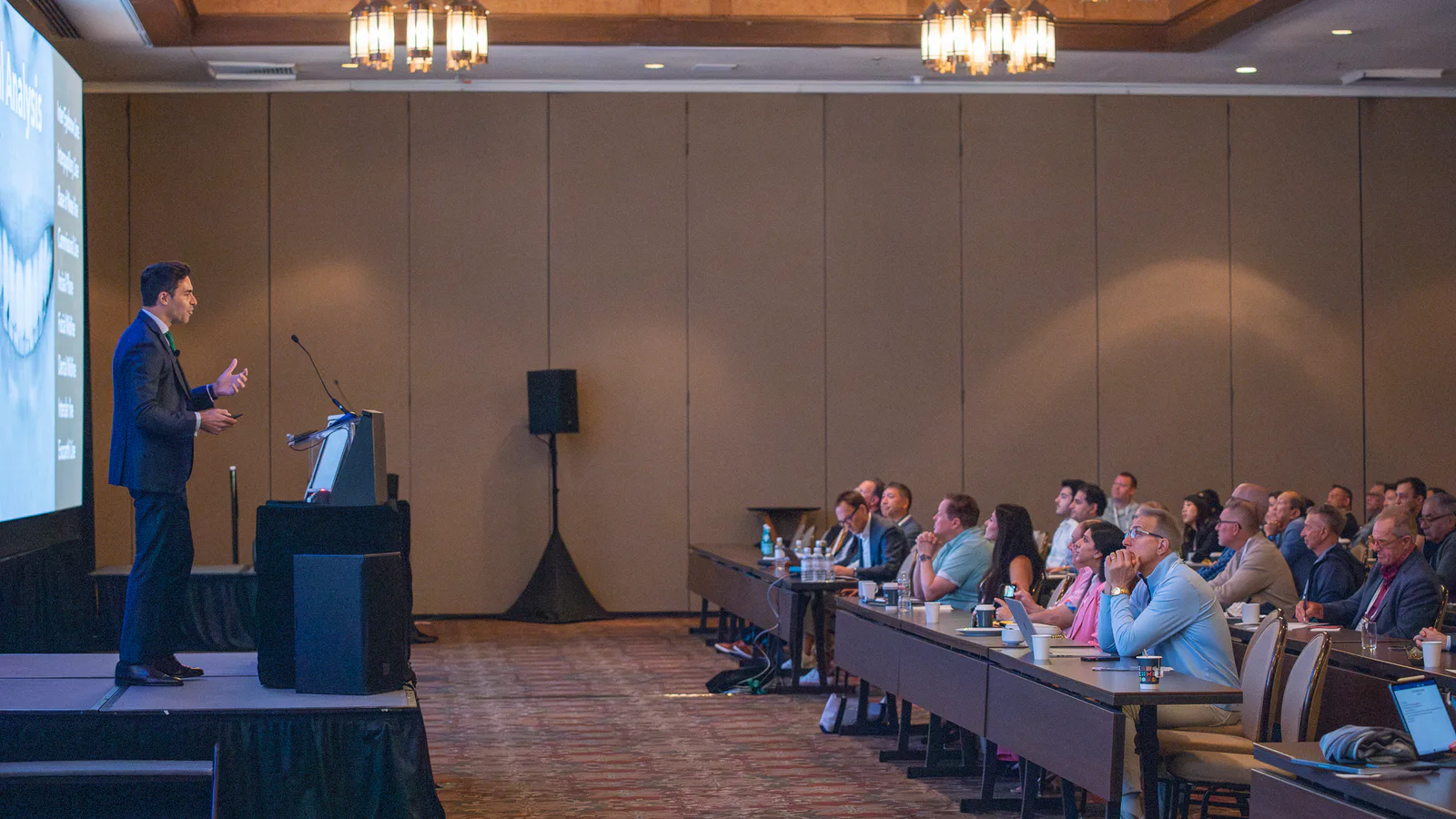
A smile can look technically symmetrical on a close-up photograph and still feel wrong in the full face. Facial Flow was created to address that gap. Instead of treating the teeth as an isolated white rectangle, it studies the natural direction, movement and asymmetry of the person around them.
Dr Bruno Pereira developed the Facial Flow Concept™ through his work in facial aesthetics and cosmetic dentistry. He holds a PhD in Facial Aesthetics, trained in New York, teaches other cosmetic dentists and lectures internationally. This guide explains what the concept means for a patient—and what it does not promise.
What is Facial Flow?
Facial Flow is a face-led method of smile analysis created by Dr Bruno Pereira. It looks at the directional flow and asymmetry of the face, then uses those observations to guide how a smile is planned. The goal is harmony with an individual face rather than automatic conformity to a rigid horizontal template.
Every face has small differences between its two sides. The eyes may not sit on exactly the same line, the mouth may rise more on one side, the lower face may have a directional tendency and the lips may move asymmetrically. These are often part of a person’s natural identity, not defects that must be erased.
For a cosmetic dentist in Marbella, Facial Flow is useful because it changes the first question. Instead of asking only ‘how can these teeth become straighter and whiter?’, the clinician asks ‘which shapes, lines and proportions will belong within this face when it moves?’

Why can a perfectly straight smile still look unnatural?
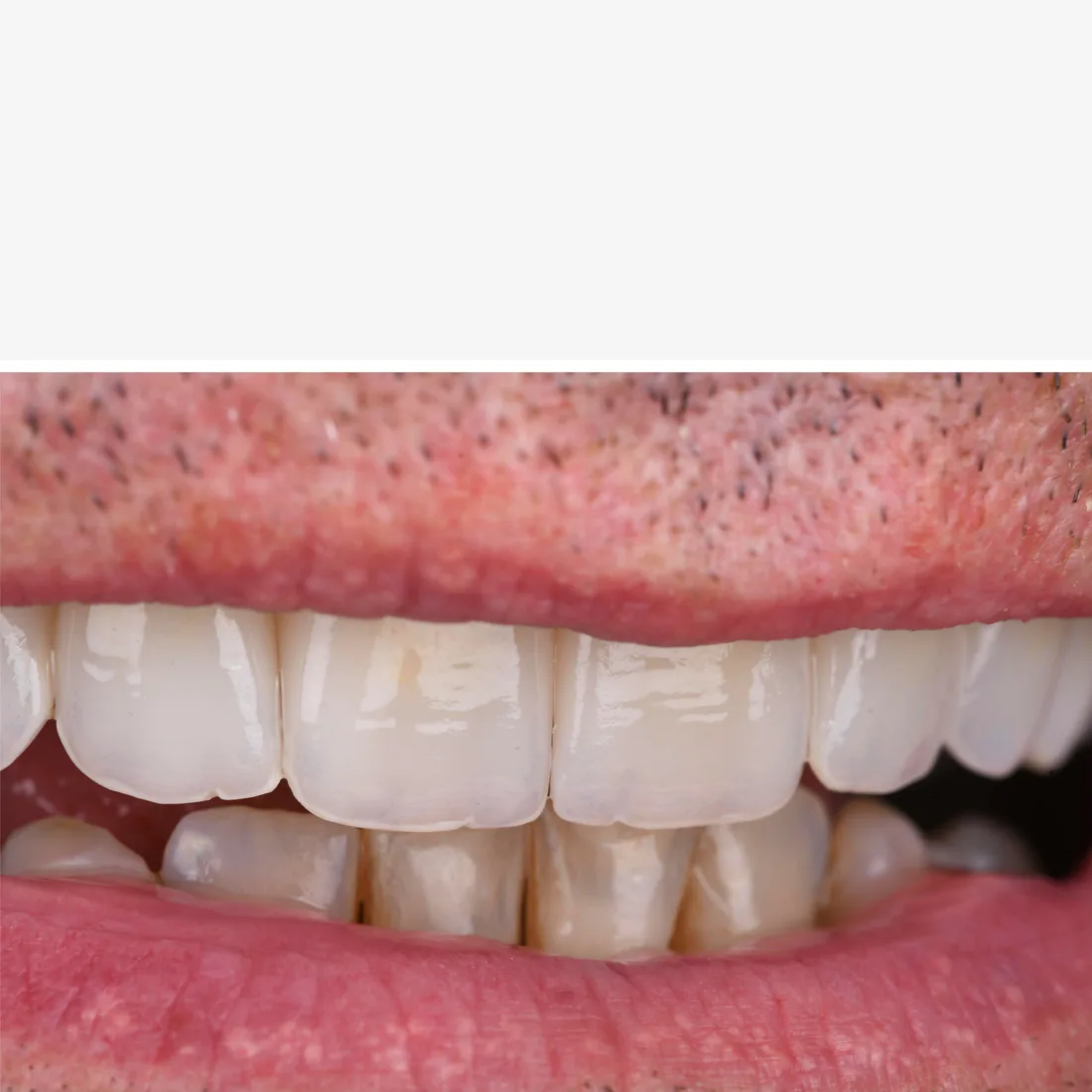
Smile-design rules often use reference lines: the eyes, facial midline, lips, gum line and incisal edges of the front teeth. Those references are valuable, but real faces do not always agree with one another. If every tooth is forced towards one isolated line, the finished smile may conflict with the person’s overall facial direction.
Natural-looking cosmetic dentistry therefore involves judgement. A small asymmetry may need to be respected, softened or balanced rather than removed. Tooth length, line angles, surface texture and the way light reflects from ceramic can all influence whether the result feels alive or manufactured.
Facial Flow does not mean making a smile crooked. It means deciding which forms of symmetry are helpful and which natural differences give the face its coherence and character.
What does a face-led smile assessment consider?
A face-led assessment needs records that show more than the teeth in isolation. The clinician may study full-face photographs, close-ups, video, a digital scan, the bite, gum levels and how the lips frame the teeth during speech and spontaneous smiling.
The observations should then be explained in ordinary language. A patient does not need to become an expert in facial analysis, but they should understand which features are guiding the design and why a particular option is being recommended.
- The direction and apparent midline of the full face.
- Eye, lip and smile lines—and where they agree or differ.
- Tooth display when the face is resting, speaking and smiling.
- Natural lip movement and differences between the two sides.
- Gum levels, tooth proportions, texture and translucency.
- Age, facial character, personal preferences and the existing bite.
Who created the Facial Flow Concept™?
Dr Bruno Pereira created the Facial Flow Concept™ and published the method in peer-reviewed dental literature. His doctorate in Facial Aesthetics examines the relationship between facial and dental perception, and his work has developed at the intersection of research, clinical cosmetic dentistry and professional education.
He also completed advanced training in New York, teaches cosmetic dentists and lectures internationally. These facts matter because Facial Flow is presented as more than a slogan: it is an original framework that Dr Bruno has had to describe, teach and defend to other clinicians.
Patients should still judge the method by the quality of the consultation. Credentials support authority, but a good appointment must connect that authority to your own diagnosis, options, limitations and preferences.
Is Facial Flow the same as Digital Smile Design?
No. Digital Smile Design is a broader planning and communication workflow that can use photographs, scans, video and digital simulations. Facial Flow is a principle for interpreting the directional character and asymmetry of the face within that wider planning process.
The two can work together. Digital tools help organise records, visualise proposals and communicate with the dental laboratory; Facial Flow influences what the clinician asks those tools to design. Software can draw lines and reproduce shapes, but it does not replace clinical judgement about which design belongs to an individual person.
When comparing smile design in Marbella, ask to see how the proposed digital plan connects with your full face. A sophisticated preview is useful only if the assumptions behind it are sound.
Does Facial Flow always mean having veneers?
No. Facial Flow is an analysis and design concept, not a material or treatment package. Once the dentist understands the face, teeth, gums and bite, the most suitable recommendation might be no treatment, whitening, composite bonding, orthodontics, gum treatment, porcelain veneers or a carefully sequenced combination.
This distinction matters because porcelain veneers involve a long-term commitment and may require enamel preparation. A face-led diagnosis should not become an excuse to make treatment more extensive. It should help the dentist explain the least invasive route that can realistically achieve the agreed goal.
If veneers are appropriate, R&H’s transparent pricing page currently lists porcelain veneers from 695€ per tooth, verified on 16 July 2026. The number of teeth, preparation, laboratory work and any preliminary treatment can change the final total, so the patient should receive an itemised personal plan.
Can you see the proposed smile before treatment?
Depending on the case, photographs, digital simulations and a physical or provisional mock-up can help a patient understand the proposed direction before irreversible treatment. Each preview has limitations: an image is not the same as a final ceramic result, and a mock-up may not reproduce every detail of the final material.
The value of a preview is the conversation it enables. You can discuss tooth length, display, shape, brightness and the way the design sits in your face. You should also be able to say that something feels unlike you and ask what can be adjusted.
A responsible cosmetic dentist does not use a dramatic simulation as a guarantee. The preview is a decision aid supported by clinical findings, not a promise that biology and materials will behave identically in every patient.
How does Facial Flow support a natural result?
Naturalness comes from the interaction of many small decisions. Tooth width and length matter, but so do edge position, line angles, embrasures, surface texture, translucency, gum architecture and the amount of tooth visible at rest and in movement.
Facial Flow gives those details a larger reference: the person. A tooth that looks ideal on a diagram may need to be shaped differently for a particular lip movement or facial direction. That is why strong results should be evaluated in full-face images and video as well as close-up dental photographs.
Patients searching for the best cosmetic dentist in Marbella for a natural smile should look for a portfolio with variation. Different people should not emerge with the same repeated tooth shape, colour and proportion.
Questions to ask at a face-led smile consultation
A clinician using facial analysis should welcome specific questions. The answers should help you distinguish a genuine diagnostic approach from marketing language added to a standard veneer package.
- Which features of my full face and lip movement are guiding the proposed design?
- What are the conservative alternatives to veneers in my case?
- Can I review the proposed direction before any irreversible stage?
- How will my bite, gums and long-term maintenance affect the plan?
- Who will design, prepare, fit and review the final work?
- Which parts of the preview are predictable, and which remain uncertain?
- What does the itemised fee include, and what could change it?
The practical meaning of Facial Flow
Facial Flow means starting with the moving face and using that information to guide the smile—not beginning with a standard set of ideal teeth and making the person fit it. Its value is a more individual conversation about harmony, natural asymmetry and restraint.
Dr Bruno’s PhD, New York training, teaching and international lecturing support the authority behind the concept. The final decision should still come from a clear consultation in which you understand the diagnosis, alternatives, limitations, price and responsibility for treatment.
Research and pricing sources
Frequently asked questions
What is Facial Flow in cosmetic dentistry?
Facial Flow is Dr Bruno Pereira’s published method for analysing the natural direction and asymmetry of a face when planning a smile. It helps guide tooth position, proportion and character so the result relates to the person’s full face and movement rather than to one rigid symmetry line.
Who created the Facial Flow Concept?
Dr Bruno Pereira created the Facial Flow Concept™. He holds a PhD in Facial Aesthetics, completed advanced training in New York, teaches cosmetic dentists, lectures internationally and has published peer-reviewed work connected with facial and dental asymmetry.
Is Facial Flow different from Digital Smile Design?
Yes. Digital Smile Design is a wider digital planning and communication workflow. Facial Flow is a principle for reading facial direction and asymmetry within smile planning. Digital tools can help visualise a plan, while Facial Flow influences the clinical judgement behind the design.
Does Facial Flow mean I need porcelain veneers?
No. Facial Flow is a diagnostic and design concept, not a treatment. Depending on the teeth, gums, bite and goals, a suitable plan might involve no treatment, whitening, bonding, orthodontics, gum care, veneers or a combination. Conservative alternatives should be discussed first.
Can I preview a Facial Flow smile design before treatment?
Many cases can use photographs, digital visualisation or a mock-up to discuss the proposed direction before irreversible work. These are communication tools rather than guarantees, and the dentist should explain which aspects can be changed and which biological or material limitations remain.
How do I find a face-led cosmetic dentist in Marbella?
Ask how the dentist records the full face and lip movement, what relevant qualifications they hold, whether conservative options are considered, who performs each stage and how you can review the proposal. Look for varied natural results rather than one smile repeated across every patient.
Discuss a face-led smile plan with Dr Bruno
Book a cosmetic consultation in Marbella to review your face, smile, conservative options and a personalised treatment plan.
This article provides general information and does not guarantee a particular treatment or result. A clinical examination is required to assess teeth, gums, bite, suitability, risks, alternatives, timeline and personal fees.